




惯性聚合 高效追踪和阅读你感兴趣的博客、新闻、科技资讯
阅读原文 在惯性聚合中打开

推荐订阅源

WordPress大学
WordPress大学
Spread Privacy
Spread Privacy
T
The Exploit Database - CXSecurity.com
Simon Willison's Weblog
P
Privacy & Cybersecurity Law Blog
L
LINUX DO - 热门话题
T
Threat Research - Cisco Blogs
T
Tenable Blog
TaoSecurity Blog
TaoSecurity Blog
Security Archives - TechRepublic
AI
AI
P
Proofpoint News Feed
A
About on SuperTechFans
P
Privacy International News Feed
月光博客
月光博客
雷峰网
雷峰网
S
Secure Thoughts
博客园 - 叶小钗
博客园 - 聂微东
cs.CL updates on arXiv.org
Project Zero
Project Zero
The Cloudflare Blog
SecWiki News
SecWiki News
The Hacker News
The Hacker News
V
Vulnerabilities – Threatpost
罗磊的独立博客
A
Arctic Wolf
阮一峰的网络日志
阮一峰的网络日志
Know Your Adversary
Know Your Adversary
酷 壳 – CoolShell
酷 壳 – CoolShell
OSCHINA 社区最新新闻
OSCHINA 社区最新新闻
T
Troy Hunt's Blog
The Last Watchdog
The Last Watchdog
Schneier on Security
小众软件
小众软件
有赞技术团队
有赞技术团队
博客园 - 司徒正美
T
Tailwind CSS Blog
量子位
C
Cybersecurity and Infrastructure Security Agency CISA
让小产品的独立变现更简单 - ezindie.com
Hugging Face - Blog
Hugging Face - Blog
人人都是产品经理
人人都是产品经理
奇客Solidot–传递最新科技情报
奇客Solidot–传递最新科技情报
S
Security @ Cisco Blogs
大猫的无限游戏
大猫的无限游戏
S
SegmentFault 最新的问题
Apple Machine Learning Research
宝玉的分享
宝玉的分享
L
Lohrmann on Cybersecurity

IrishExaminer.com

Seriously ill in Gaza: ‘I wondered whether the cancer or a missile would kill me first’ Carole Coleman: Don't ask Americans about news or politics. They're done California dreamin’: Could a Trump-supporting Brexit cheerleader capitalise on Democrats' dithering? Ukraine saw 89 children killed in March. But we are sending them back? Louise Burne: Decade of squabbling over hospital leaves sick children in limbo Enda Brady: Charles did his job well this week, but will it be enough to sate Trump? 100 years of Fianna Fáil: Party must move from analysis to action to survive another century Margaret E Ward: Technology’s war on women — the new coercive control and confinement Ireland must act on fossil fuel phase-out Diversity and inclusion policies change lives — including mine Aoibhinn Ní Shúilleabháin: People care about losing the natural world — politics must catch up Ireland's towns bear the brunt of the urban/rural divide Our town centres cannot hold without reinforcements Free travel will help people fleeing abusive homes Workplace bullying is not rare — and the response is not improving Homeless figures don't count all those without housing Supports have improved for women in politics but there is more to do Cost-of-living crisis is impacting how we look after our pets Millennials have a moral obligation to avoid the Harry Potter reboot Sprucing up the truth: Schools should not be a battleground for vested interests Missing dogs tell a different story of greyhound welfare Mick Clifford: Nobody needs to 'lawyer up' to investigate treatment of Limerick gardaí Colin Sheridan: Has the world finally caught up with Lena Dunham's vision? We need a change in attitude to construction jobs if we are to deliver on housing and infrastructure Barry Andrews: Big publishers are ripping off our public libraries Losing my dad during covid is something I will never get over Tadgh McNally: Fine Gael has good reason to wish Leo Varadkar would just go away Major changes to espionage laws abroad sparks domestic review Louise Burne: Back and forth over shed laws shows unease still lodged between coalition parties Shed laws: New planning rules will cut red tape for homeowners Shed laws: We can't allow the creation of a shadow back garden rental market Small, practical measures can work alongside big ideas on solving housing crisis Fuel crisis shows Ireland cannot build a secure future on imported energy Adi Roche: Forty years have passed but Irish commitment to Chornobyl remains Singing together can help build community in divisive times Contraception is free, but it's not reaching everyone who needs it Seán Kelly: Viktor Orbán's loss is the EU's opportunity for a bold move on foreign policy TP O'Mahony: Link between religion and politics in the US is unique in the West Online abuse of politicians is a profitable business Power must be held accountable even in moments of pressure Ireland is addicted to contracting away all kinds of State capacity Here are the country's most senior civil servants running Ireland ‘I’m not a politician’: Clash with Pope Leo could prove dangerous for Donald Trump Global food systems are under fire due to a lack of political will Philomena's Law: Campaign steps up for UK-based survivors of mother and baby homes Are disruptive protests the new political force in Ireland? Fuel blockades expose state vulnerabilities From defiance to departure: 45 hours that changed everything for Michael Healy-Rae Louise Burne: All talk, no takeover — the problem with plotting Micheál Martin’s exit The tricolour is a powerful symbol of inclusion so let's reclaim it from those who use it to sow division Conviction of Scottish man in wife's suicide is a landmark case Our politics can't cope with TikTok's emotional instancy The Mick Clifford Podcast: Is Micheál Martin's leadership in peril? Conscription is being reintroduced all over Europe — where is the debate? Mediation should be the first resort for conflict resolution Fuel furore shows our systems are more fragile than we think New Deis strategy is not radical enough Paul Hosford: Healy-Rae resignation a shock but not a fatal blow for Government Ireland has a planning system, but it's not plan-led Cormac O'Keeffe: Fuel protests ignite concerns over security as EU presidency nears Conor McCabe: Protesters' grievances are real — they're bearing a heavy load Would Donald Trump threaten the Vatican over Pope Leo's anti-war stance? Anti-migration policies are threatening to dismantle human rights Who is Péter Magyar: Hungary’s next leader energised voters but is ‘a dark horse’ Paul Hosford: Life goes on in Kyiv as Russia's war on Ukraine grinds on Paul Hosford: Government fights back with €505m spend after social media posts fuel national crisis The hardest part of your dog dying isn't just losing them. It's that you decide when they go David O'Mahony: The real world is quickly surpassing any horror speculative fiction can create Shona Murray: EU faced with Russian trojan horse if Orbán gets re-elected Russia and White House doing all they can to prop up Viktor Orbán John Gibbons: I've changed my mind on nuclear power — we don't need it any more How this week's protests fuelled confusion and consternation at Leinster House Waiting for tide of public opinion to turn on fuel price protesters is a gamble Fuel protests are undemocratic and respect no rules If you want to object to building over Bessborough, you have one week Farmers need targeted supports as they're facing most pain Irish science's surprising role in the Artemis mission Dorcha Lee: Security will be the big challenge for Ireland's EU presidency Housing 'affordability' means different things in rental debate Our leaders must show courage in commitment to peace by keeping the triple lock Viktor Orbán blazed a trail for Donald Trump’s assault on independent media Don't let what's happened in London replicate itself in Cork Big Tech shouldn’t be writing the rules for AI €4 for a coffee is not expensive when you consider it’s a small miracle in a cup Why we’ve gone mad for puzzles The reality behind Ireland’s anti-submarine warfare plans Assessment of need reform will not fix wider crisis of accessing care and children will pay the price Teacher pay and school funding on agenda of conferences Enda Brady: Keir Starmer has set the clock running on Britain rejoining the European Union 'SSIA on steroids': Will the Government's new savings and investment account deliver? Seven deadlines and an AI dilemma: Is the new Leaving Cert fixing one problem by creating another? Marion McKeone: JD Vance needs all his Machiavellian instincts to avoid becoming Trump's whipping boy European Parliament vote creates legal vacuum in battle against online child abuse Why has it taken so long to return to the Moon? We don't just need to limit the number of TDs, we need radical reform of our electoral system Paul Hosford: Ukraine war merely another chapter in Russia's aggression against its neighbour The climate change warnings are getting louder — are we just refusing to listen? Our school meals programme must use community hubs and on-site kitchens cooking local produce Paul Hosford: Ministerial meeting in Ukrainian bomb shelter reminds us of the stakes If Donald Trump were your ageing father, when would you take away his car keys? 'Drink‑driving is not an accident': Cork emergency consultant calls for urgent reforms to save lives
Life goes on in Cuba despite brutal US blockade
Niamh Ní Bhriain · 2026-04-01 · via IrishExaminer.com

On March 21, Cuba’s national energy grid collapsed for the second time in less than a week.

Exasperated Cubans uttered the familiar ‘se nos fue la luz’ (the electricity is gone).

Read More

The apagón nacional (nationwide blackout) meant that after dark there would, quite literally, be no light in the entire country.

With the exception of hospitals, Havana port and airport, luxury hotels, and a handful of other locations with generators, Cuba’s 10 million people would endure another night of total darkness.

Water supply is also affected during blackouts and within hours the tank at the casa particular where I was staying was empty.

Outages are so common, often occurring many times a day, that as soon as power returns, people begin preparing for the next one by stockpiling water, charging phones, cooking, and doing housework at odd hours, just because they have electricity to do so.

Although the immediate cause of this apagón was a technical fault, the underlying reason is the US blockade of Cuba.

El Bloqueo 

In 1962, US president John F Kennedy announced "a total embargo upon all trade between the United States and Cuba". The US would not tolerate that a small island nation 90 miles south of its shores had dared to defy it. 

It sought to "bring about hunger, desperation and overthrow of government" by collectively punishing the entire population, a crime under international law.

Since then, the UN General Assembly has voted overwhelmingly against the blockade 33 times. Nevertheless it remains in place and has been tightened in recent years.

In 2021, the US State Department designated Cuba "a State Sponsor of Terrorism", meaning that entities trading with it could face sanction or prosecution. In January 2025, the designation was briefly lifted by president Joe Biden before being reinstated when Donald Trump took office a few days later.

Since the kidnapping of Venezuelan president Nicolas Maduro on January 3 this year, the noose around Cuba’s neck has begun to asphyxiate its people. No fuel has reached the island in over three months.

Supplies are now dangerously low with priority given to hospitals, state institutions and public transport.

Workers struggle to get to and from work, food grown in the countryside doesn’t reach urban areas, meanwhile produce entering Cuba from abroad is difficult to distribute. People are going hungry.
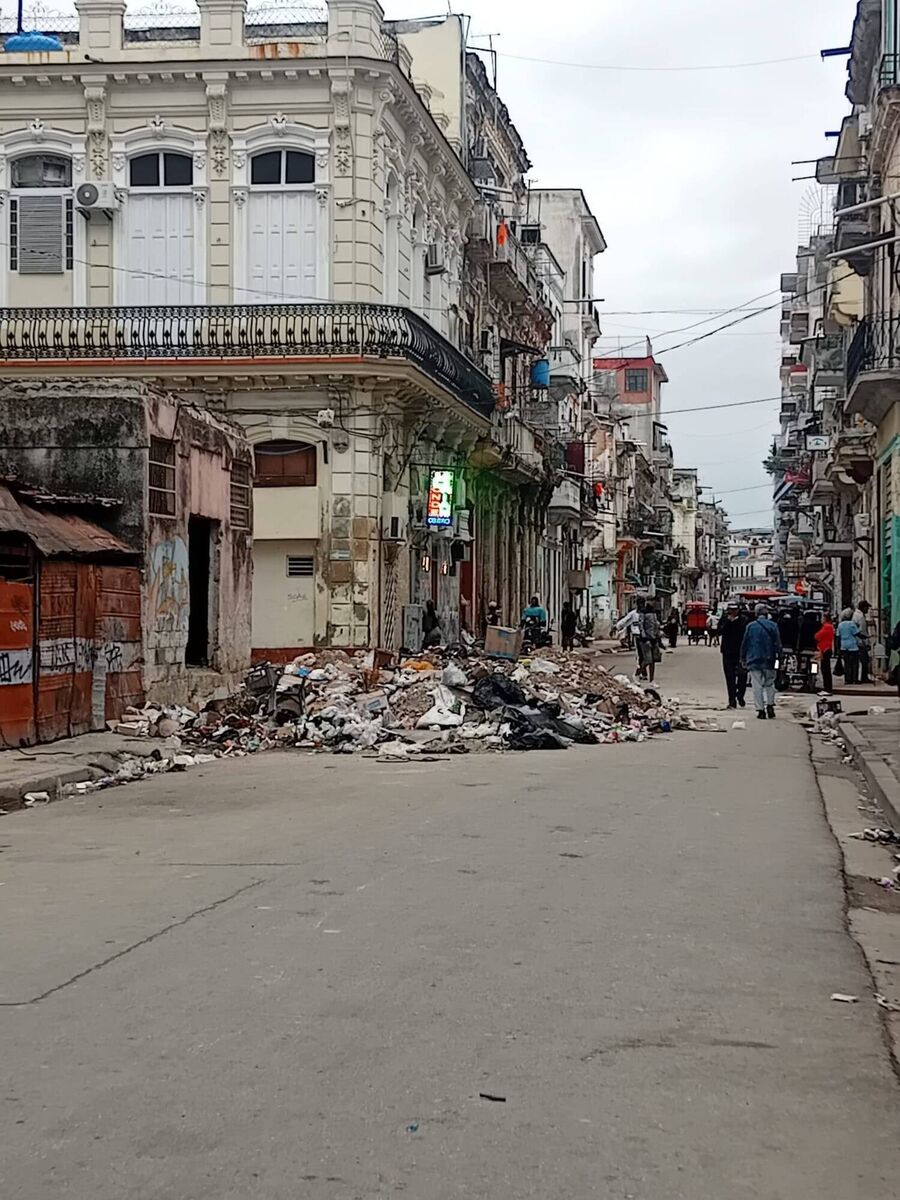
A Havana street with rubbish piling up. Photo: Niamh Ni Bhriain

An elderly lady working in a museum with a state salary of less than $US10 a month told me she didn’t have breakfast that morning, wouldn’t have lunch, and had no idea how she’d have dinner. 

Her story was not unusual. I heard it over and over. People are literally living from hand to mouth unsure of where their next meal will come from.

The current fuel crisis is compounded by the fact that the blockade has restricted the entry of very basic items for decades. Factories or electricity plants are often forced to shut, not just because of dwindling fuel supplies, but because machinery frequently breaks down and repair work is difficult because of the absence of components.

Take a street lamp — even if there is power, if the bulb blows, there may be no bulb to replace it in the entire country and importing one may prove difficult, if not impossible, because the provider fears sanction or prosecution for doing business with a "state sponsor of terrorism".

Basic hygiene products, school materials, household goods, clothing, electronics, virtually every single thing we take for granted in Ireland, is almost impossible to get in Cuba because of the blockade.

Cuban internationalism 

Cuba’s medical personnel are world renowned for their contribution to global health. Since the revolution, over 600,000 Cubans have provided free health care in contexts such as the ebola outbreak in West Africa, or in the aftermath of hurricanes and earthquakes.

This medical internationalism has also seen Cuba train students from all over the world for free at the Latin American School of Medicine (ELAM).
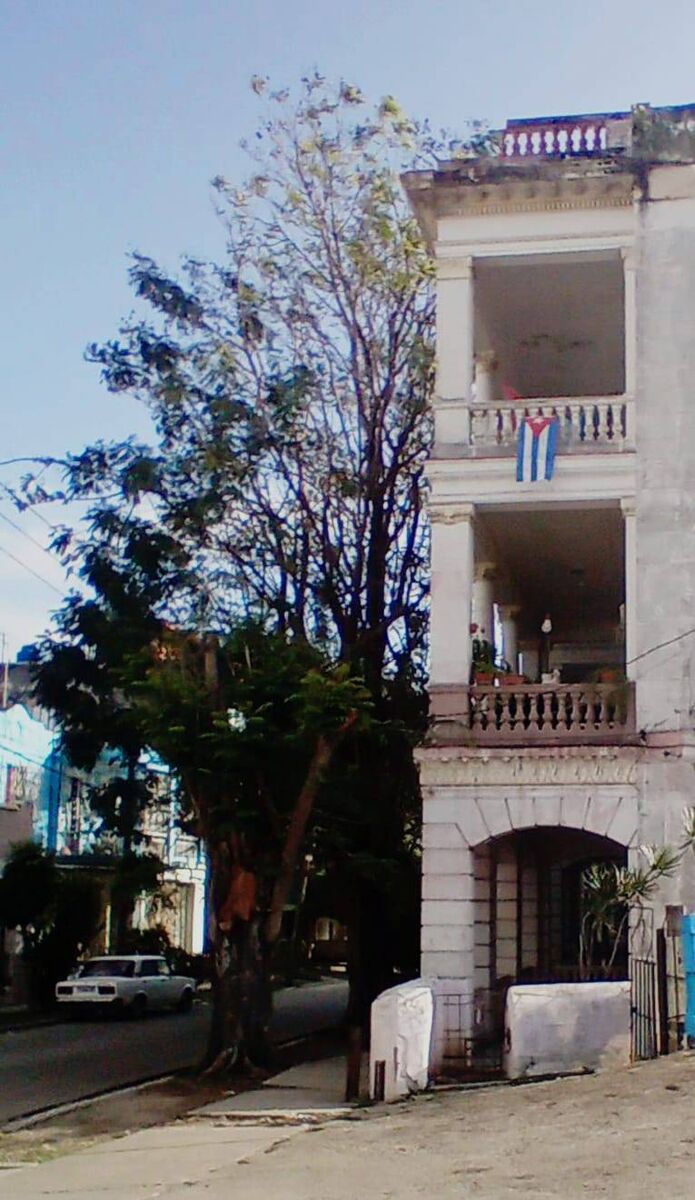
A Cuban flag on a balcony. This is, after all, a people that has endured over six decades of brutal economic warfare, the cumulative effect of which is tantamount to genocide. Photo: Niamh Ni Bhriain

As the blockade intensified, a call went out in early March for people to join a medical aid convoy to return the solidarity that Cuba has shown the world for decades through the provision of free health care.

More than 650 delegates from over 33 countries travelled to Havana transporting 50 tonnes of medical aid as part of the Nuestra América Convoy, including 19 people from Ireland with roughly 700 kilos of supplies. As we made our way to Havana, the Taoiseach travelled to Washington to be hosted by the state responsible for the siege.

Alongside those who travelled, dozens of people mobilised to gather supplies, from mothers in Belfast who gathered dozens of asthma inhalers, to a medical professional in Galway who sourced hundreds of antibiotics, to a clinic in Dublin that donated surgical PPE gear.

Generous financial donations came too, including from a woman who grew up in southern Africa and owed her life to Cuban doctors who cured her of a childhood illness.

And as we gathered in Cuba, a protest was held outside the US embassy in Dublin calling for the blockade to be lifted.
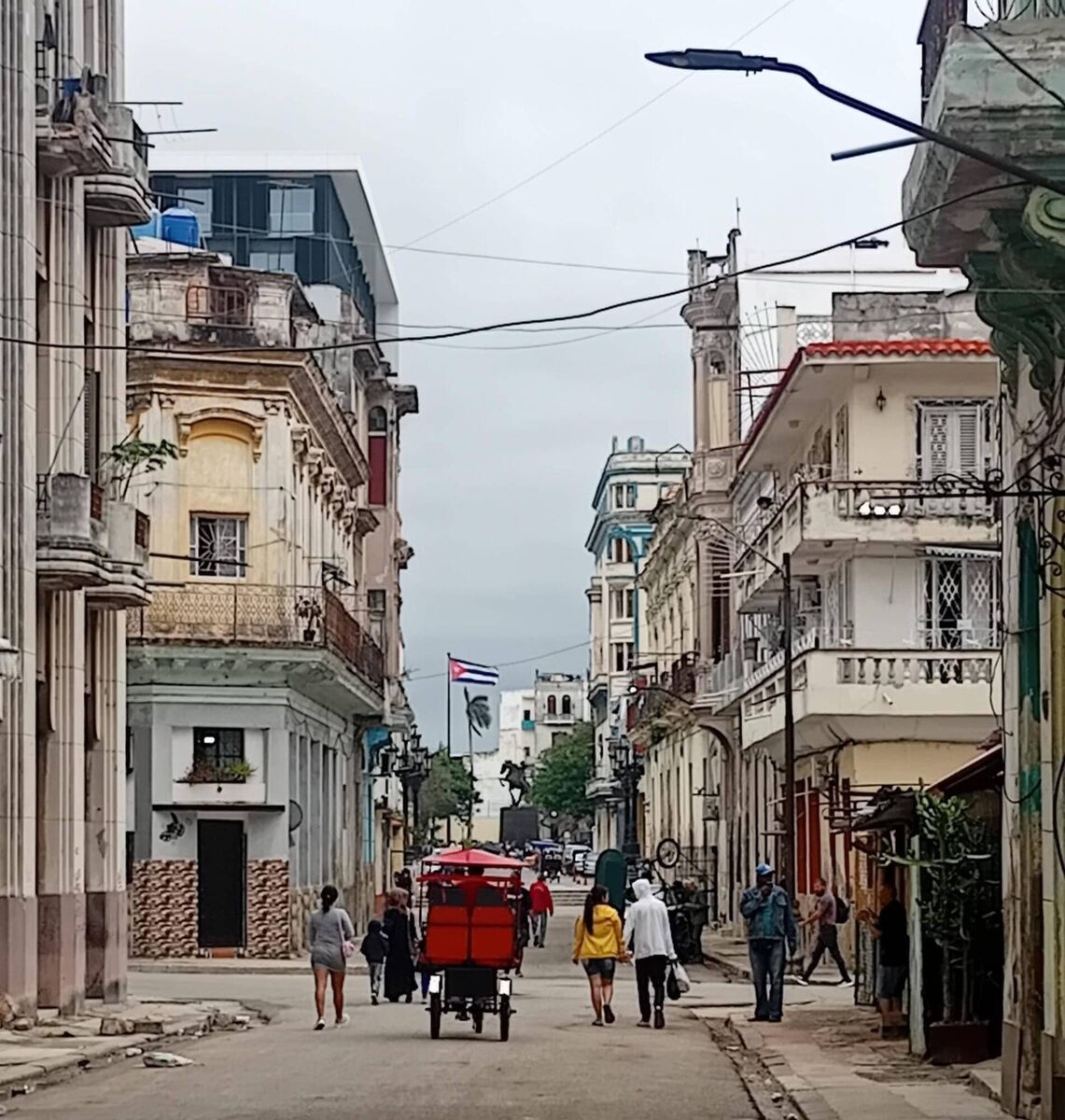
Take a street lamp — even if there is power, if the bulb blows, there may be no bulb to replace it in the entire country and importing one may prove difficult, if not impossible, because the provider fears sanction or prosecution for doing business with a ‘state sponsor of terrorism’. Photo: Niamh Ni Bhriain

Solidarity is beautiful. It stands in sharp contrast to the cruelty of the siege, the full extent of which was laid bare in the list of medicines we were requested to bring with us. 

One entire page was filled with cancer medication. If people don’t receive it, they will die. That is the reality of the US blockade on Cuba — it kills people.

Resilience and resistance 

Although everyone agreed the blockade must end, there were diverging views on what needs to happen for it to be lifted. No one wanted a US invasion, nor did they believe one was imminent.

And although some people were critical of the government and want change, none called for socialism to be abandoned. One man summed it up by saying: "We want our system, but we want it to work better".

When I told people that the impression from outside Cuba is of country about to collapse, some were astounded, others offended, one person responded: "The only way they’ll finish us off is if they sink Cuba into the sea."

This is, after all, a people that has endured over six decades of brutal economic warfare, the cumulative effect of which is tantamount to genocide. Yet they’re still here, and despite huge challenges, life goes on.

Children go to school, hospitals function, older adults practice tai chi in the park, cultural events continue, street vendors push carts of whatever fruit or veg they’ve managed to source through the streets, bakeries bake bread.

When we delivered the medical supplies to the Hermanos Ameijeiras hospital, the deputy director told us they had performed 28 surgeries that day alone.
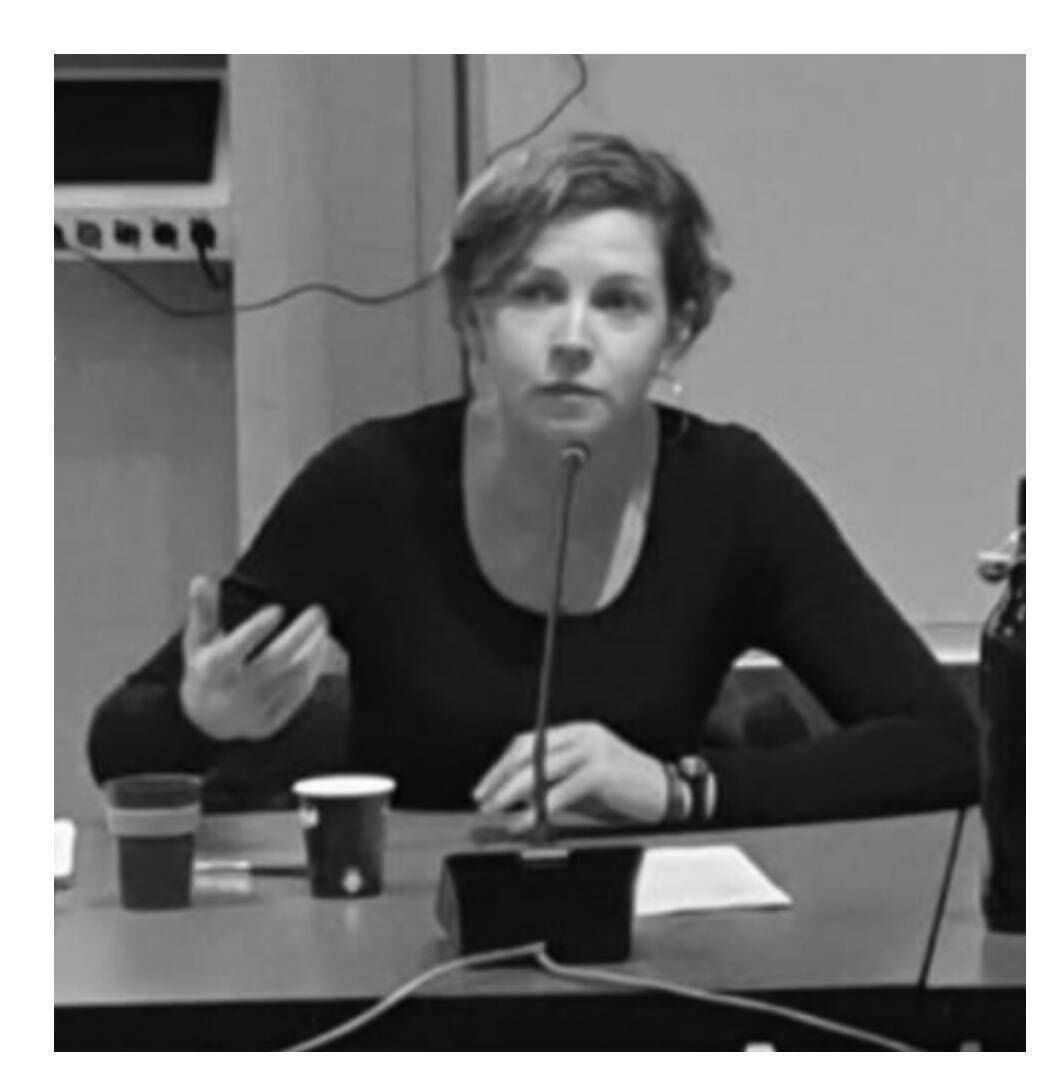
Niamh Ni Bhriain: 'Even though they are exhausted under the weight of a gruelling blockade, Cubans are also immensely proud, defiant, steadfast, brilliant.'

And as we walked in to a pitch black Havana night, all along Paseo del Prado and the Malecón people gathered to chat, play domino, drink beer, and dance.

An older Cuban man asked for a photo with us. Afterwards he rubbed his bald head and inquired if we thought his hair looked good in it, before bursting into laughter and continuing with his business.

The following afternoon before I left my casa particular for the airport my host was busy fixing a broken fan. Because of the blockade, throwing such items away is unthinkable, so Cubans have had to become incredibly creative and resourceful at bringing things back to life again and again and again.

Even though they are exhausted under the weight of a gruelling blockade, they are also immensely proud, defiant, steadfast, brilliant.

Most of all though, and against all odds, they are alive. That is the spirit of Cuban people.