


We are in the middle of a real moment. There’s a huge sense of unease and possibility, fragility and hope, and none of us can be quite sure what the outcome of all of this might be.
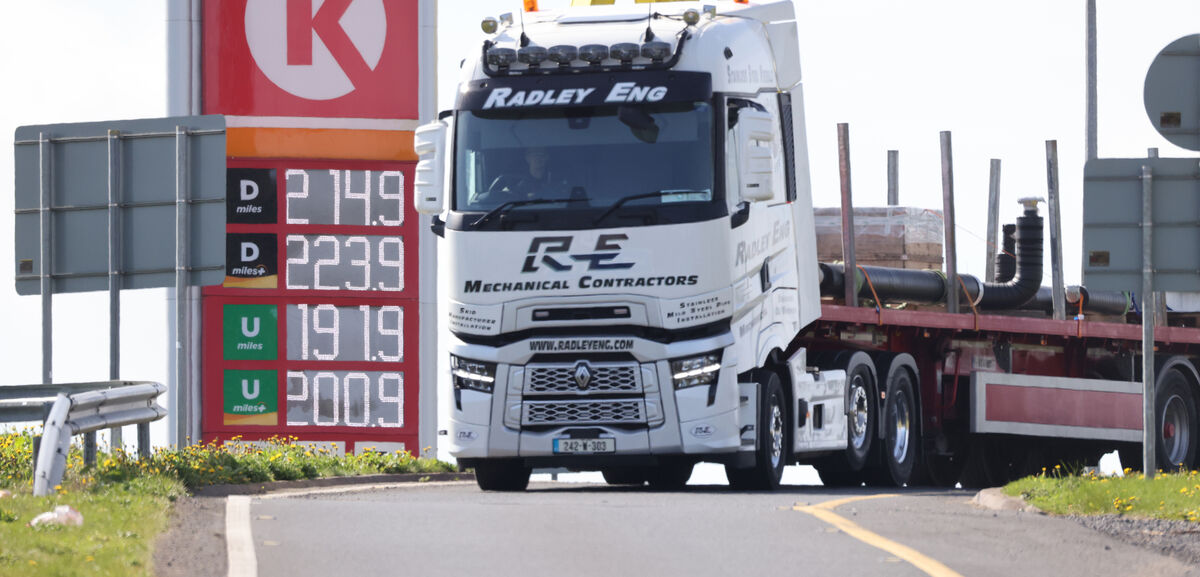
Over the weekend, there was an ease to the pressures that have been building dynamically in the past week. Fuel is beginning to flow again.
The Government put together a financial offering to alleviate some of the costs of fuel, most (though not all) protesters took this as a win, and the vast majority of the general public sighed with relief that life might return to ”normal”.
However, what this entire week revealed was just how fragile and unsustainable the systems we have bought into truly are. How a group of protesters with no organisation and no clear leader can literally bring the country to a halt. It is a very dangerous precedent.
I am all for protest and I have been heartened to see the swarms of members of the public out on their feet through the towns of Ireland over the weekend peacefully adding their support to the efforts of the farmers and hauliers. The dissatisfaction with the way our Government has taken care of our finances has been building for years.
It highlighted the reality of this country which calls itself one of the richest in Europe and yet cannot house its people. Cannot reliably care for its most vulnerable. Cannot spend public money without the suspicion that somewhere along the line it has been misused, misdirected, or wasted.
People are no longer just talking about their frustrations though. We are beginning to act upon them.
The fuel protests haven’t been neat or particularly well organised. They didn't come with a clear manifesto or a tidy list of demands. They have been more of a release valve than a strategy and realistically, they were inevitable.
There’s an appetite now for something more fundamental than reform. I don't think people are looking for tweaks or concessions.
In many people there appears to be a growing, open desire to see this Government dissolved entirely — out of a sense that the distance between the people and those in power has stretched too far to be bridged.
Protest is powerful. It is often necessary. It is, in many ways, hopeful. There is a part of me that wants people to keep going. To take this energy and apply it to the bigger fractures in the system. Housing. Social care. Accountability. The deep structural failures that we have lived alongside for far too long.
Political vacuum around protests
My biggest concern is that protest without shape and leadership creates a vacuum. And a vacuum is never neutral.
Over the past week, that space has been filled quickly. The loudest voices ready to organise and give direction to what is otherwise loose and scattered anger.
Some of those voices come from places that do not align with the values of the people now standing behind them. But in the urgency of the moment, this is what can happen.
I am witnessing a frenzy on social media. Videos are being hastily reposted with only vaguely hidden agendas somewhere buried in the caption. We are bombarded with information and when we see someone we admire or respect sharing a post, it automatically legitimises the message.
This is the danger of the speed of social media. It is nigh on impossible to be discerning enough to understand the nuances and implications of how and where we lend our support.
When a name is repeated often enough it can feel credible. Before long, support gathers around figures who were not invited to the party but have taken the reins anyway.
There is a responsibility here that is easy to overlook, to pause and check and ask who is speaking and what they actually stand for. Because in a moment like this, it is entirely possible to lend your voice to something you would never consciously choose.
The Government has not helped itself at all. The response has been patronising and uneven. They were slow to recognise the depth of frustration, then suddenly forceful when the situation tipped.
Financial measures brought forward under pressure were reactive and disappointing.
The lack of assurance feeds the problem. The vacuum is there to be filled and there are plenty of people waiting in the wings poised and ready to fill the void, who are not necessarily a better option.
Where does it go from here?
The roads will clear and fuel will return, but I don’t think it’s possible to unsee the fragility of the systems we’ve upheld to this point.
We are an island that exports close to 80% of what we produce, while relying heavily on imports to feed ourselves. It is completely absurd. A country rich in food, yet structurally dependent on supply chains that can falter within days.
A few blockades, a slowdown in movement, and suddenly the basics aren’t certain.
Perhaps that’s where the real opportunity sits. It's in getting behind our farmers in a more direct and meaningful way.
In shortening the distance between what is grown and what is eaten. In choosing, where we can, to buy local, buy direct, and keep more of that value within our own communities.
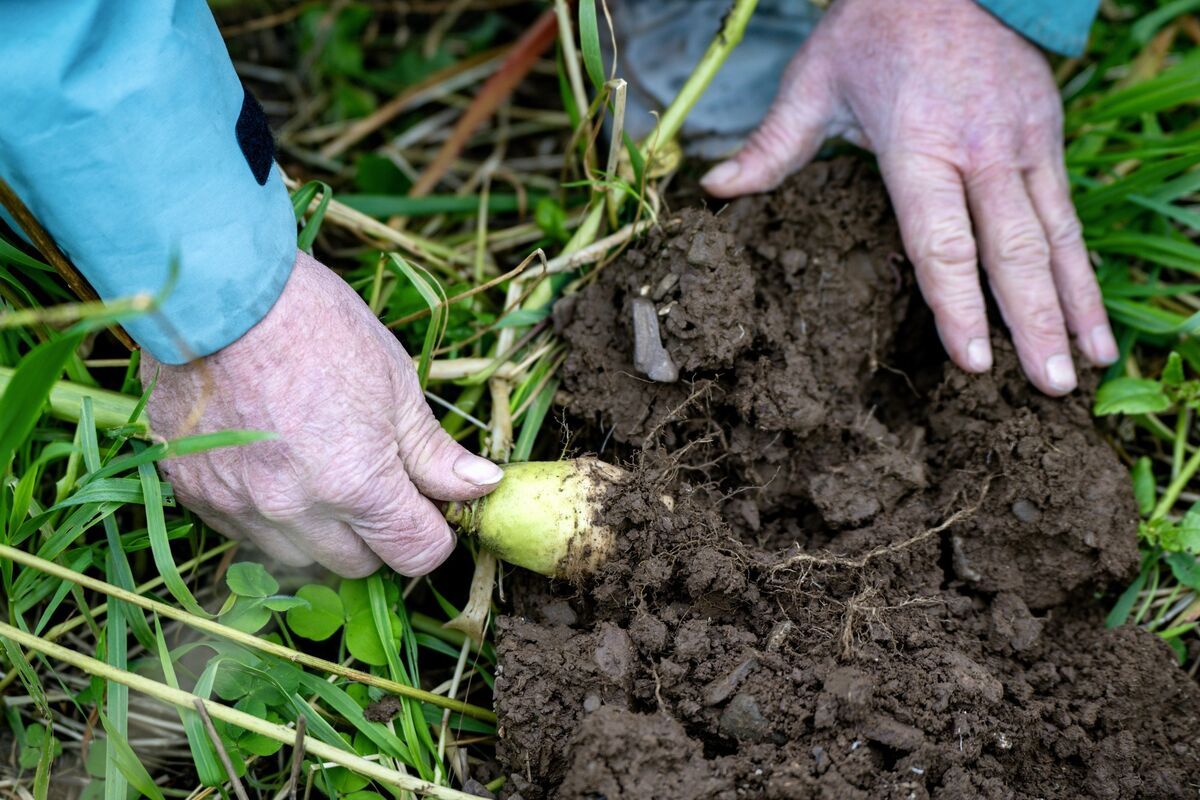
I hope that more of us will consider growing even a small amount of food for ourselves. You don’t need big expansive gardens to produce food. Pots and windowsills are a great place to start.
It is a potential way of opting out, even partially, from a system that has proven itself to be far more delicate than we like to admit.
Real sustainability isn’t a slogan. It is the ability to feed ourselves without panic when pressure comes. And we have more power here than we often acknowledge.
We have the right to protest. We have the right to vote. We have the ability, collectively, to decide what kind of systems we support and who we trust to lead them.
But those rights only mean something if they are used carefully, thoughtfully, and with a clear understanding of the consequences.
We are a democracy. And we get what we elect.
So perhaps this moment, uneasy and uncertain as it is, asks something of us in return. To be more discerning and more engaged. More willing to look beyond the immediate frustration and think about what kind of country we are actually building.
If this week has shown anything, it’s that the system we have is not as solid as we thought — which means the one we build next matters even more.
此内容由惯性聚合(RSS阅读器)自动聚合整理,仅供阅读参考。 原文来自 — 版权归原作者所有。