





The future is already here. And no, it is not on Mars, despite what Elon Musk might suggest. I found it in San Francisco, riding in a taxi with nobody behind the wheel.
The autonomous taxi was called a Waymo. It was built on a Jaguar chassis and covered in cameras and sensors, but there was one obvious difference: The driver’s seat was empty.
That evening, our host ordered a Waymo through an app. Four of us climbed in. The experience was surprisingly uneventful, which is perhaps the highest compliment one can pay a taxi service. The car handled San Francisco’s famously steep hills with ease, navigated busy junctions, and delivered us safely to our destination. Upon exiting, none of us said thank you but then the Waymo had not spoken to us either.
An Irish bus driver would probably have been offended.
Locals were less enthusiastic. Early versions, they told me, occasionally became confused and trapped themselves in endless loops, unable to decide whether to move forwards or backwards. Even the future has teething problems.
And Waymo may already be yesterday’s news.
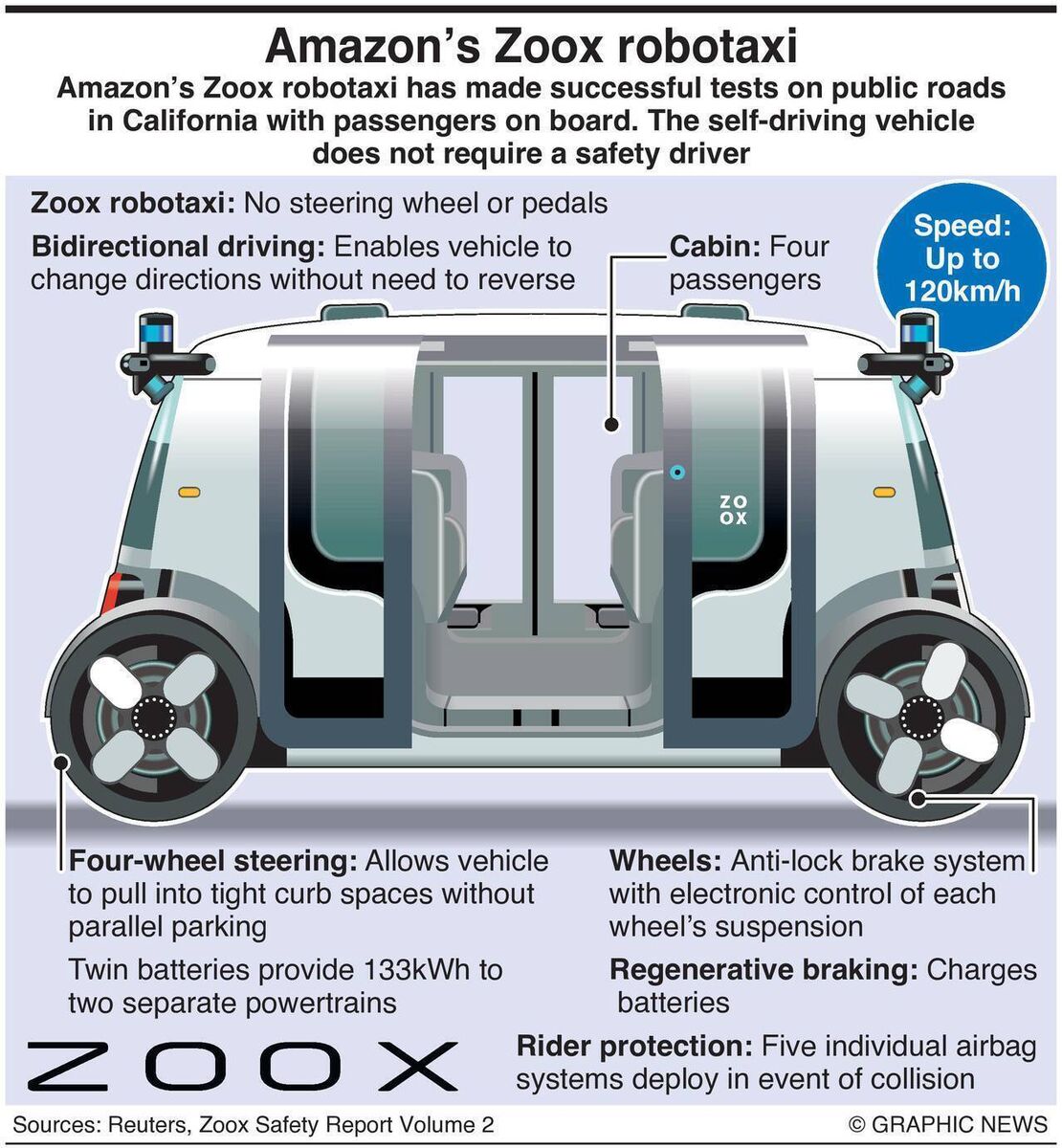
Another company, Zoox, is testing vehicles that dispense entirely with the pretence of a driver.
There is no steering wheel, no driver’s seat, and no suggestion that a human might one day take control. They resemble small rooms on wheels, with passengers seated face-to-face. I never got to ride in one, but seeing them glide through the city streets felt like watching science fiction quietly become reality.
I was in San Francisco for Upscale Conf, a gathering exploring the intersection of artificial intelligence (AI) and creativity. Contrary to popular perception, few people seemed worried about machines replacing artists. The conversation was far more nuanced.
One of the most interesting perspectives came from Joaquín Cuenca, the chief executive of Magnific. He argues that every major technological revolution creates anxiety. The industrial revolution brought enormous benefits and considerable disruption. The internet did the same. AI will be no different.
His view is that while some jobs will disappear, many new ones will emerge.
He describes the future as a “no-collar economy”, where creativity, imagination, taste, and storytelling become increasingly valuable because the tools themselves become accessible to everyone.
For decades, producing a film, designing a marketing campaign, or creating professional-quality content required specialist skills, large teams, and significant budgets. AI dramatically lowers those barriers. As the cost of creation falls, more people can participate.
“Now brands can make films. Small companies can make films,” he says. “Today you can do that with three people.”
It is an argument rarely heard amid the constant warnings about jobs being lost. Cuenca’s contention is that technology does not simply eliminate work, it changes it. New industries emerge, new skills become valuable, and opportunities open up for people who previously lacked the budget or resources to compete.

That emphasis on the human contribution surfaced repeatedly throughout the conference.
Momo Wang, one of Asia’s most successful creators, offered perhaps the simplest summary of all. As AI tools become available to everyone, she argued, the only remaining differentiator is the person using them.
“When everybody has access to the same tools, the only thing that makes a difference is you,” she said.
It is a deceptively powerful idea. Technology can accelerate execution.
It cannot manufacture experience, resilience, curiosity, or character.
Singaporean artist Wenhui Lim, better known as Niceaunties, echoed a similar sentiment.
Her work uses AI to explore ageing, beauty, and the invisible labour of women.
What struck me most was not the technology but her excitement. Rather than constantly chasing novelty, she revisits the same themes year after year, updating them with ever-improving tools while the underlying stories remain unchanged. The technology evolves, the narrative does not.
Hitchhiker’s guide to the future
Perhaps the most startling demonstration of all came not on stage but during a coffee break.
I met someone wearing a pair of smart glasses and asked if I could try them. He spoke to me in Spanish. Instantly, an English translation appeared on the lens in front of my eye. We continued the conversation, each speaking our own language while understanding one another perfectly.
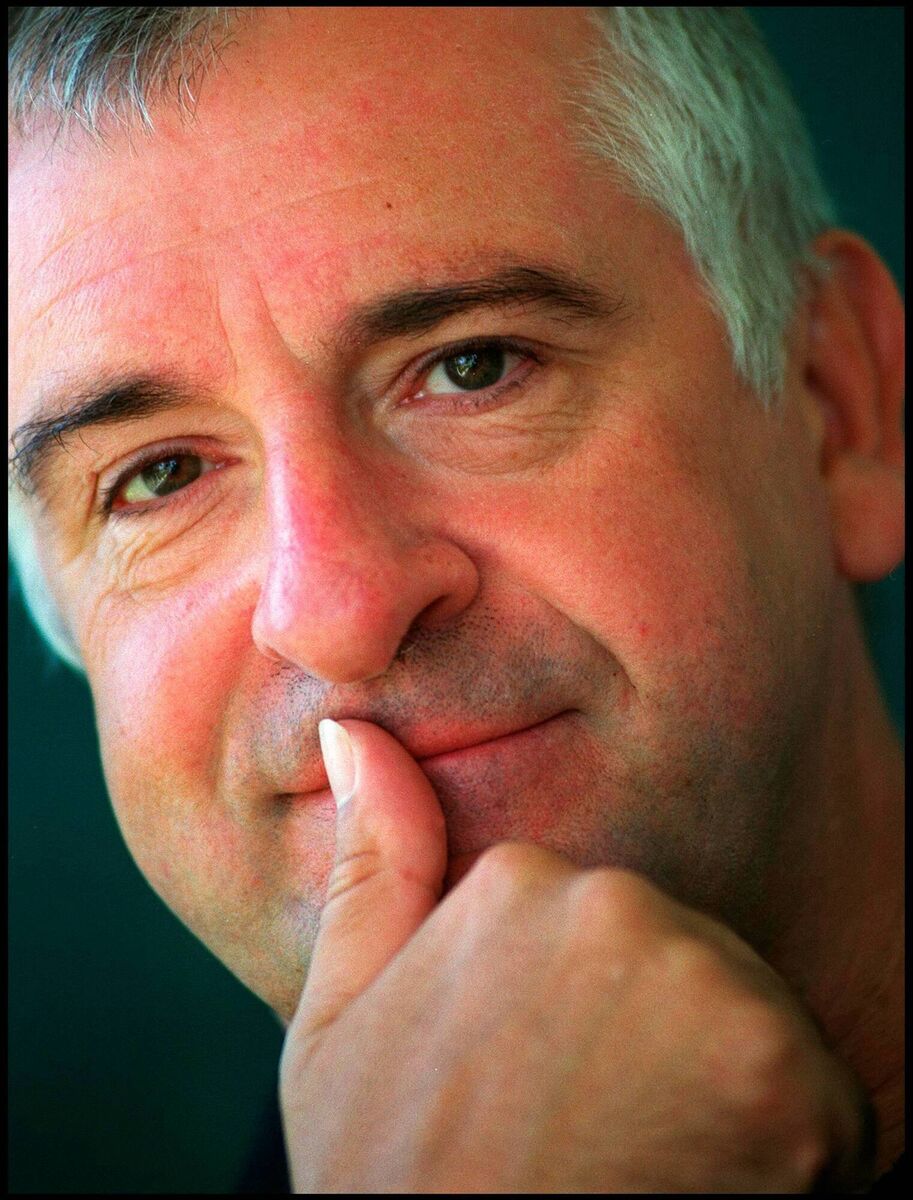
For anyone who grew up reading Douglas Adams, it felt remarkably close to the babel fish.
Science fiction has a habit of becoming science fact when nobody is paying attention.
Yet for all the astonishing technology, the most memorable part of San Francisco had nothing to do with AI.
The visit coincided with Pride month and the city’s famous First Thursday street celebrations.
Entire blocks filled with dancers, performers, drag artists, and revellers. The colours, costumes, and sheer exuberance were impossible to ignore.
AI can generate images, music, and stories. It can drive cars and translate languages. What it cannot generate is humanity itself.
The future is already here — thankfully, it still looks very much like us.
此内容由惯性聚合(RSS阅读器)自动聚合整理,仅供阅读参考。 原文来自 — 版权归原作者所有。