














Sponsored
Sponsored By


Sponsored By
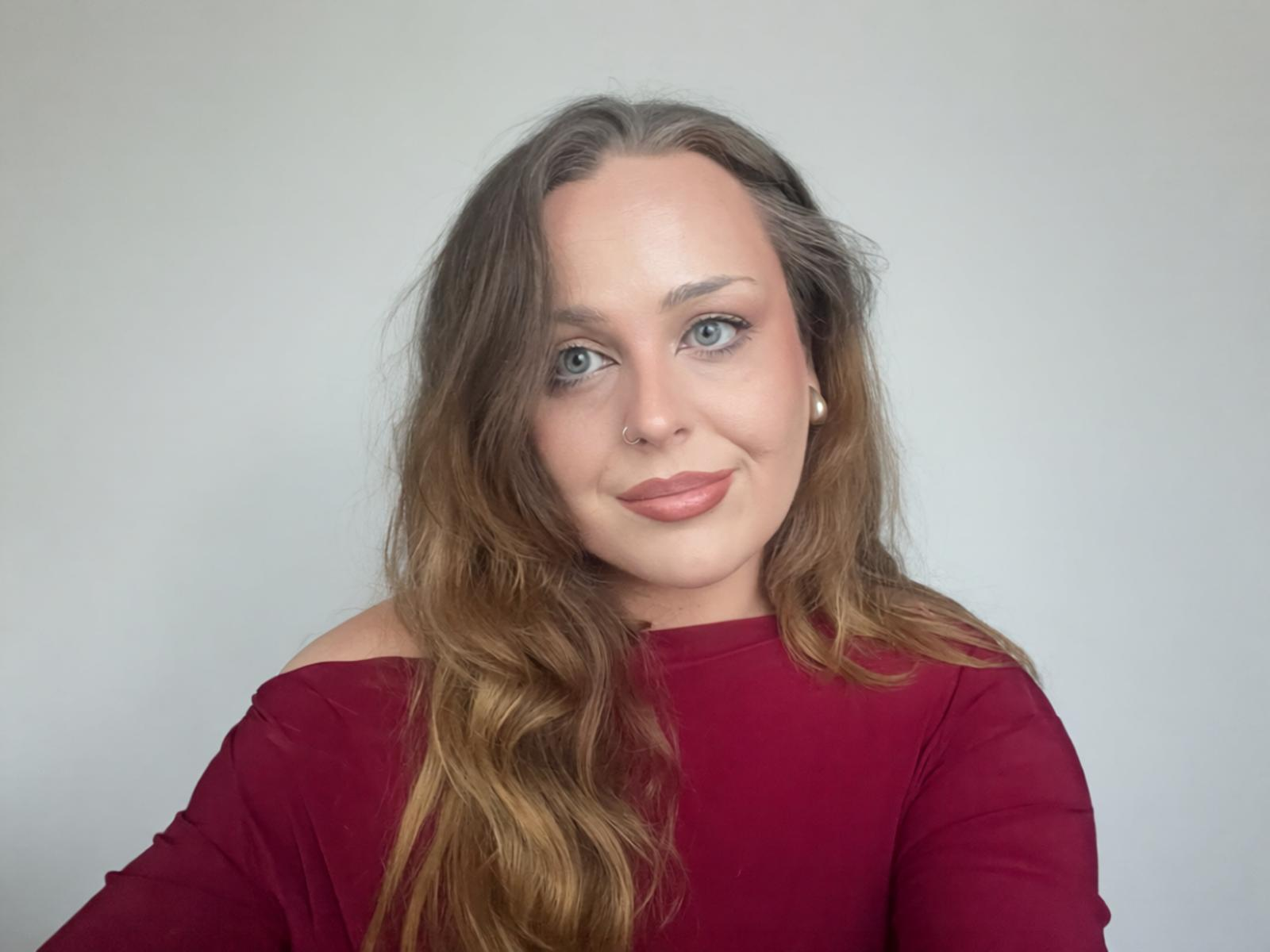
Rosie O’Neill, IMAGE PwC ESG Champion of the Year 2025, is director of sustainability at Ifac, where she is helping future-proof Ireland’s agri-sector by making sustainability practical, measurable and accessible.
Coming from a highly successful tenure at An Post and an eight-year career in sustainability roles across multiple sectors, Rosie O’Neill joined Ifac (Irish Farm Accounts Co-operative) in September 2024 as director of sustainability. Tasked with guiding SMEs and individuals in Ireland’s food and agricultural sectors through the transition to a low-carbon economy, she is working at the grassroots to future-proof the industry by centring sustainability as a core business strategy.
Speaking on her win, she said, “I’m absolutely delighted and honoured to have received this award among such an inspiring group of women. ESG is about making real, lasting change and I’m proud to work alongside a team that truly believes in building a more sustainable future.”

[To win this award] means an enormous amount, honestly. Sustainability can sometimes feel like a long game; you’re working on things that won’t show results for years, and the day-to-day work isn’t always glamorous. So to have that work recognised, particularly in a space like this that brings together so many inspiring women doing incredible things across business and society, is genuinely humbling. But more than anything, I hope it shines a light on the work happening in food and agriculture, because that sector deserves far more credit than it gets in the sustainability conversation.
My entry point was science – I studied Environmental Science at Trinity. Then I did a PhD at UCD and Teagasc, looking at GHG emissions and soil microbial communities. So I came to sustainability through the data, through the research, through literally measuring what’s happening from the ground up. What kept me committed is that it never stopped being interesting. Every sector I’ve worked in, research, logistics, agriculture… has shown me a different dimension of the problem and a different set of levers. There’s no shortage of work to do, and I think that’s what drives me. The urgency is real, as are the opportunities.
Ifac sits at the intersection of my background in agri-research and corporate sustainability. When I looked at the scale of what they do – over 6,000 business clients, more than 18,000 farmers – I thought it would be a positive opportunity to help bring sustainability support directly to the people making decisions on the ground. This was a brand-new role with the potential to build something from scratch that would actually reach farmers and food businesses where they are. That felt like the right challenge at the right time.
On the challenges facing SMEs and individuals in Ireland’s food and agricultural sectors as they transition to a low-carbon economy, the honest answer is that there are several challenges layered on top of each other. The first is capacity. These are often lean businesses where the person making sustainability decisions is also running the whole operation. The second is data. You can’t manage what you can’t measure, and many SMEs don’t yet have the systems in place to baseline their emissions or their supply chain impact. And the third – which I think is underappreciated – is practicality. Once you’ve exhausted the low-hanging fruit, the strategies that would make a real dent in an organisation’s carbon footprint often depend on technology or infrastructure that simply isn’t there yet or isn’t affordable at the scale these businesses operate at. That’s not a failure of ambition; it’s a structural reality.
Which is why I always bring the conversation back to win-wins – the initiatives where sustainability and commercial sense point in the same direction. If a business can’t yet fully decarbonise, it can still reduce waste, lower input costs, improve its data quality, and build the foundation for what comes next. Progress doesn’t have to be perfect to be meaningful. And increasingly, the businesses that will be best placed when the technology does catch up are the ones that started that groundwork early.
To make ESG practical and actionable, you start with where they are, not where you’d like them to be. That means baseline assessments and genuinely understanding the current position before talking about targets or reporting frameworks. You then connect sustainability to outcomes that matter to them: cost reduction, compliance, access to markets, and securing finance. My research background has been useful here because I can ground the conversation in evidence and specifics rather than generalities. When a farmer sees that targeted fertiliser application reduces both emissions and input costs, that’s not an environmental argument; it’s a business case. That’s where the traction is.
Change takes longer than you think and it’s worth every minute you invest in it. You cannot drive meaningful behavioural change through reporting requirements alone. People need to understand why, and they need to feel that the person asking them to change actually empathises with their reality.
That’s always where I start. Before I talk about targets or frameworks, I try to acknowledge what’s already happening. Every business, every farmer, is doing something right – and if you don’t recognise that first, you’ve already lost the room. From there, it’s about building trust incrementally: making sure the scale of ambition is appropriate, that you’re not asking a micro-business to produce a CSRD-aligned (Corporate Sustainability Reporting Directive) report when what they need is a practical first step. Start small, build the case around paybacks, highlight good work, connect sustainability to things they already care about – their workforce, their costs, their community.
There’s something very human at the heart of this. We all want to know we’re doing a good job. Starting with an overwhelming to-do list doesn’t motivate people – it alienates them. And that’s the exact opposite of what sustainability is supposed to be about. At its best, the sustainability agenda is about interconnection and shared progress, which is precisely what the SDGs (Sustainable Development Goals) represent. You can’t achieve that by making people feel like they’re failing.