








Sponsored By


by
27th May 2026
Sponsored By
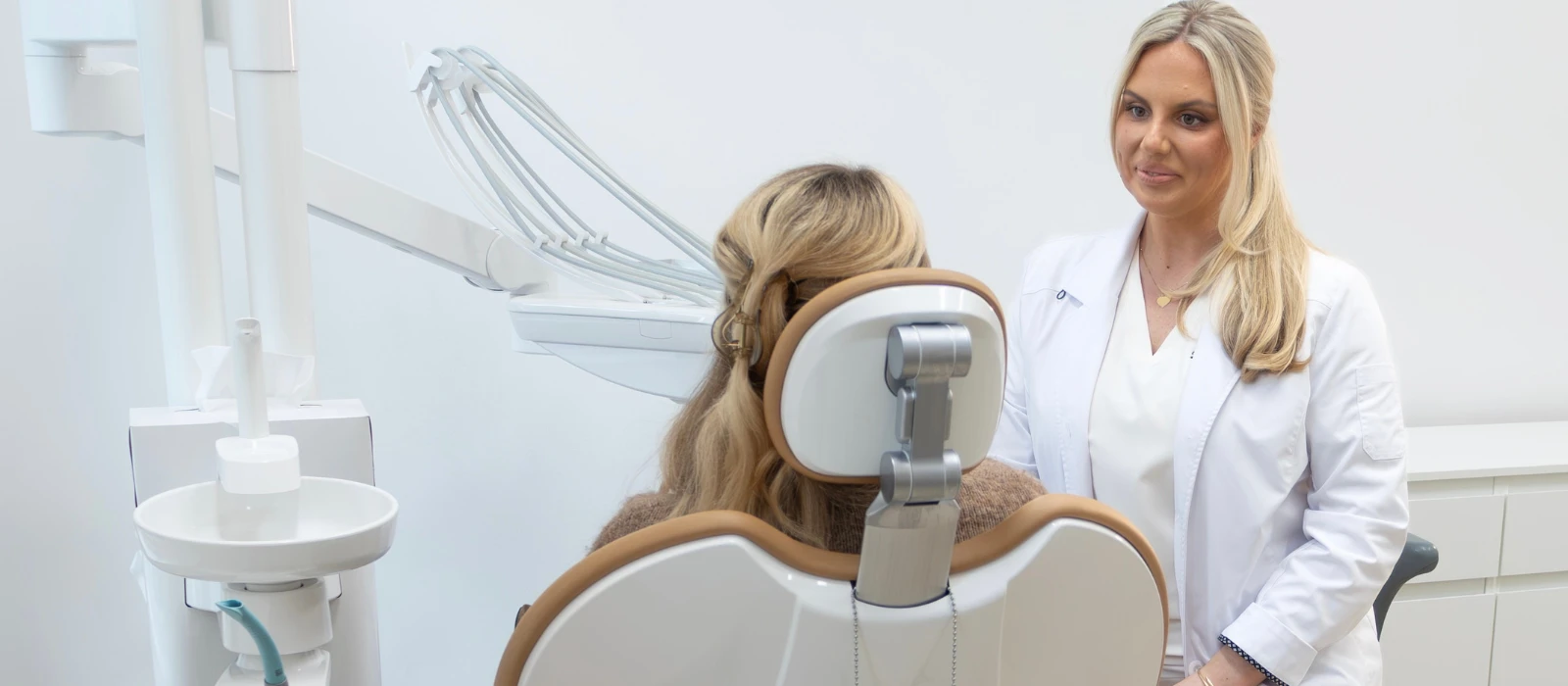
Many patients travel abroad for 'Turkey teeth' treatments without realising the long-term risks involved. Dr Laura, oral surgeon and implantologist, explains why choosing high-quality Irish veneers can protect both your smile and your oral health.
We’re seeing more Irish patients travelling abroad for cosmetic dental work, often referred to as “Turkey teeth”. Why do you think this trend has taken off here in Ireland in particular?
Social media has played a major role in the popularity of cosmetic dental tourism. Patients are constantly exposed to dramatic before-and-after transformations online, often promoted by influencers or clinics advertising low prices and quick results. For many Irish patients, the appeal lies in combining a holiday with a cosmetic procedure at what appears to be a lower cost than treatment at home. However, what is often not shown online is the complexity of the treatment involved, the long-term maintenance required, or the complications that can arise afterwards.
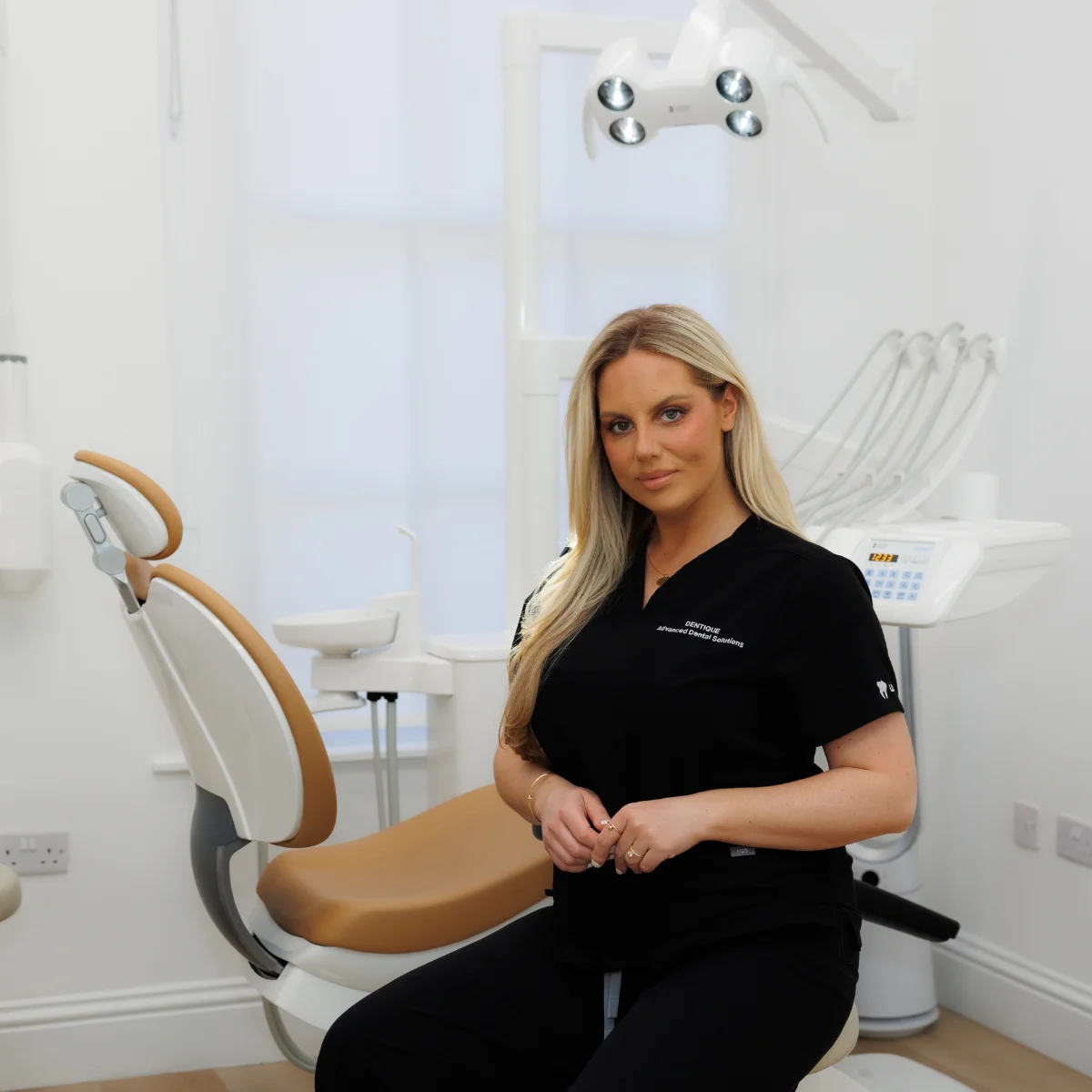
For readers who might be considering it, what exactly are “Turkey teeth” and how do they differ from the veneer treatments typically carried out in Irish dental clinics?
The term “Turkey teeth” generally refers to heavily prepared crowns placed on multiple teeth, often for cosmetic purposes. In many viral cases, healthy teeth are aggressively reduced down into small pegs in order to fit full crowns.
In Ireland, veneers are usually a far more conservative treatment. Veneers are thin porcelain shells bonded to the front surface of the teeth and typically require minimal preparation. The focus in Irish clinics is generally on preserving as much healthy natural tooth structure as possible. The issue is not necessarily the country itself, as there are excellent dentists everywhere, but rather the high-volume, fast-turnaround model that some overseas clinics operate.
Are you seeing an increase in Irish patients returning home with complications from dental work carried out abroad?
Yes, we are seeing a noticeable increase in patients returning with complications. Some of the most common issues include:
- Chronic pain or sensitivity
- Gum inflammation and bleeding
- Poorly fitting crowns
- Bite problems causing jaw pain
- Infections or abscesses
- Failing dental work after only a short period of time. In some cases, patients require extensive corrective treatment once they return home, which can become more costly and complicated than the original treatment.
There’s often a focus on cost and speed when travelling overseas for treatment, but what are the longer-term risks people might not fully consider?
One of the biggest concerns is that dental work is not a one-time cosmetic purchase; it is a lifelong medical treatment. Crowns and veneers will eventually require maintenance or replacement. Patients may not realise that heavily reducing healthy teeth can permanently weaken them. If complications develop years later, the patient may require root canal treatment, gum treatment, implants, or even extractions. There is also the challenge of aftercare. If something goes wrong once the patient returns to Ireland, it can be difficult and expensive to travel back for revisions.
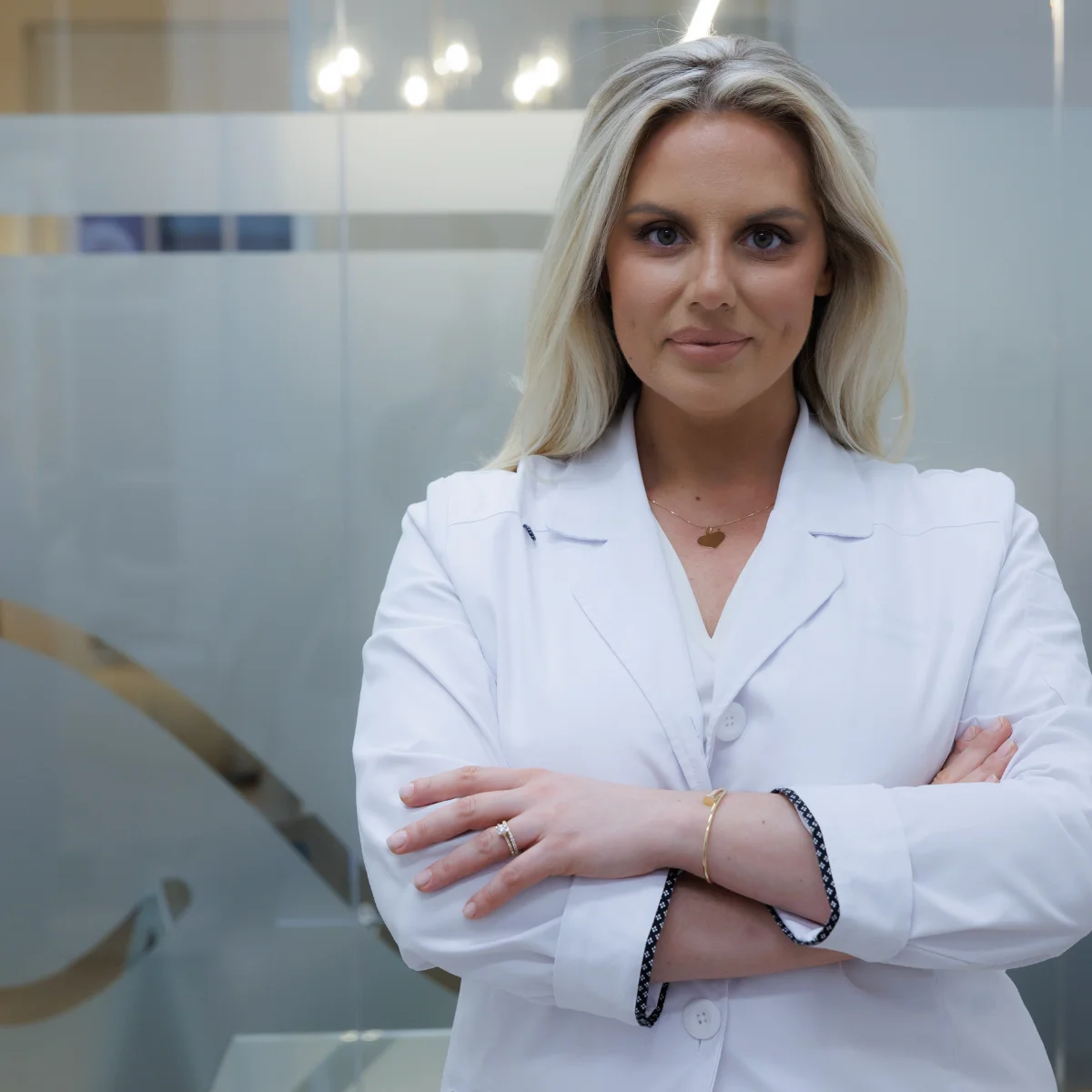
One of the biggest concerns raised is the use of crowns instead of veneers. Can you explain the difference, and why that matters for long-term dental health?
The difference is significant. A veneer covers only the front surface of the tooth and is designed to preserve the majority of the natural tooth structure. A crown, on the other hand, covers the entire tooth and requires much more drilling and reduction. When healthy teeth are aggressively prepared for crowns purely for cosmetic reasons, the tooth becomes more vulnerable over time. The nerve inside the tooth can become damaged, leading to pain, infection, or the need for root canal treatment later. From a long-term health perspective, preserving natural tooth tissue should always be the priority whenever possible.
How does the approach to consultation, planning and aftercare at Dentique differ from what patients might experience with high-volume clinics abroad?
At Dentique, we take a very personalised and comprehensive approach to cosmetic dentistry. Every patient undergoes a full consultation process, including detailed examinations, digital scans, photographs, smile analysis, and discussions about both aesthetics and long-term oral health before any treatment begins. One of our priorities is preserving healthy natural tooth structure whenever possible. We strongly believe cosmetic dentistry should enhance a smile without unnecessarily damaging healthy teeth.
We also work fully digitally, using advanced intraoral scanners, digital smile design, and modern treatment planning technology. This allows us to achieve a very high level of precision, minimise potential errors, improve communication with our laboratory team, and ultimately provide more predictable and accurate outcomes for our patients.
We spend time educating patients about all available options, whether that involves whitening, composite bonding, veneers, orthodontics, or more advanced restorative work. Cosmetic treatment should never be rushed, and we believe patients deserve time to fully understand the long-term implications of their decisions. Another major difference is continuity of care.
At Dentique, patients are treated by the same team throughout their journey and have ongoing access to reviews, maintenance, and aftercare. If adjustments are needed, we are here to support them long-term rather than providing a quick “one-week transformation” without follow-up. Unfortunately, we often see patients who have had treatment abroad completed within a very short timeframe, sometimes without sufficient healing, planning, or long-term monitoring. While the initial results may look attractive on social media, dentistry is ultimately about long-term function, comfort, and health, not just appearance.
If someone is considering veneers, what should they look for in a reputable Irish dentist or clinic? Are there specific qualifications or standards to be aware of?
Patients should look for a dentist who is registered with the Dental Council of Ireland and who has experience specifically in cosmetic and restorative dentistry. It is important to choose a clinic that prioritises conservative treatment and personalised planning rather than a “one-size-fits-all” approach. Patients should also ask: “What are the alternatives? How much tooth preparation is required? What is the long-term maintenance plan? Can they see real case examples and reviews?” A reputable clinic will always take time to educate the patient before proceeding.
From both a health and investment perspective, what are the benefits of choosing to have veneers done in Ireland rather than travelling abroad?
Having treatment in Ireland provides continuity, accountability, and access to long-term care. Cosmetic dentistry should be viewed as an investment in both oral health and confidence. Patients benefit from: comprehensive diagnostics and planning, conservative treatment approaches, safer long-term monitoring, easier access to adjustments and maintenance, clear regulatory standards and patient protections. While treatment abroad may initially appear cheaper, corrective work can often end up costing significantly more in the long run.
If someone has already had dental work done abroad and is experiencing issues, what should their next step be once they’re back in Ireland?
The most important thing is not to ignore symptoms such as pain, swelling, sensitivity, bleeding gums, or difficulty biting. Patients should arrange a comprehensive assessment with a qualified dentist as soon as possible. Early intervention can often prevent more serious complications from developing later. We also have to consider the wider political and international situations affecting travel at the moment. Many patients who had treatment abroad are finding it increasingly difficult to travel back for follow-up appointments, revisions, or emergency care.
Cosmetic and restorative dental treatment often requires ongoing maintenance, and unfortunately, this continuity of care can become very challenging when treatment is carried out overseas. At our clinic, we do our best to help patients continue or correct their treatment here at home in Ireland, wherever possible. This may involve stabilising urgent issues, repairing failing work, or creating a long-term rehabilitation plan to restore both function and aesthetics safely. The key message is that patients should seek professional advice early rather than waiting for the problem to worsen.
To learn more about Dentitque, visit them online to explore their full range of services or make an appointment.