





Sponsored By


by
29th May 2026
Sponsored By
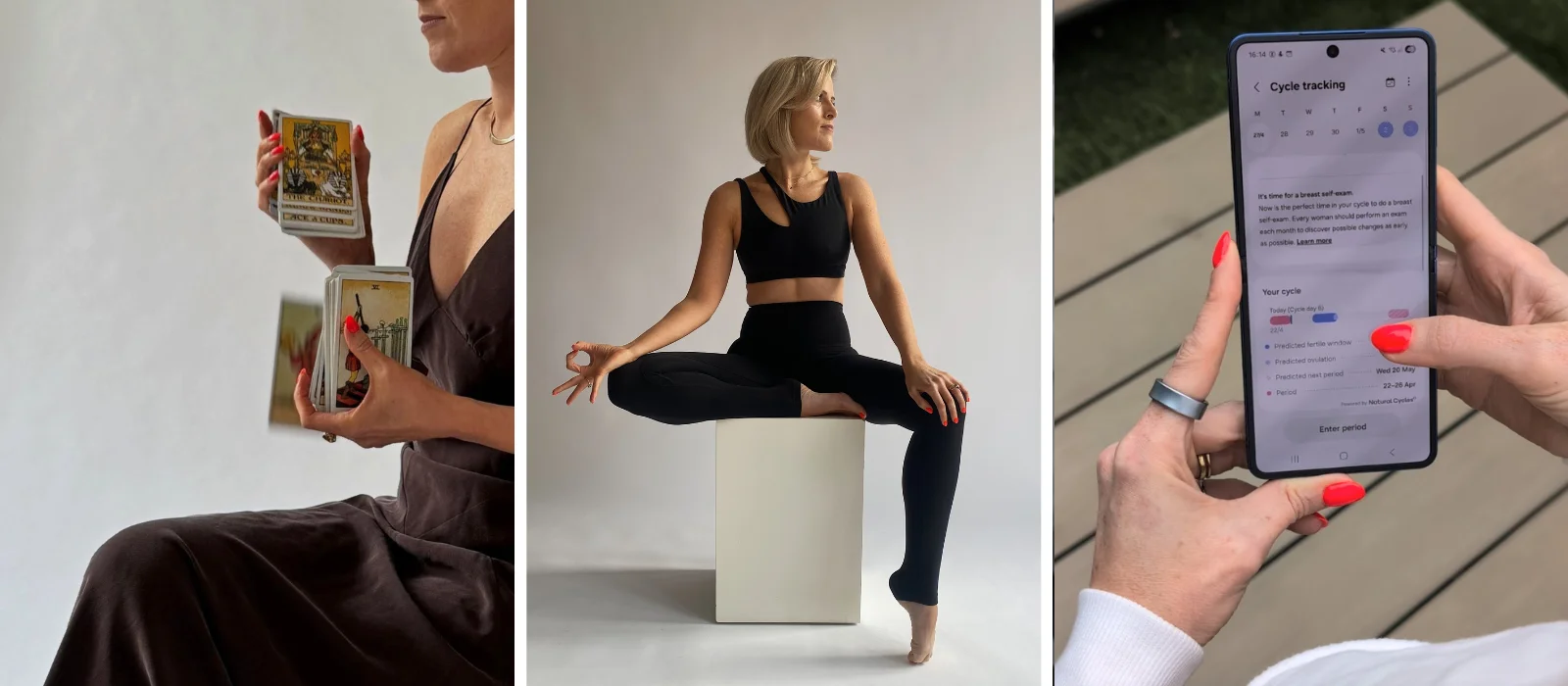
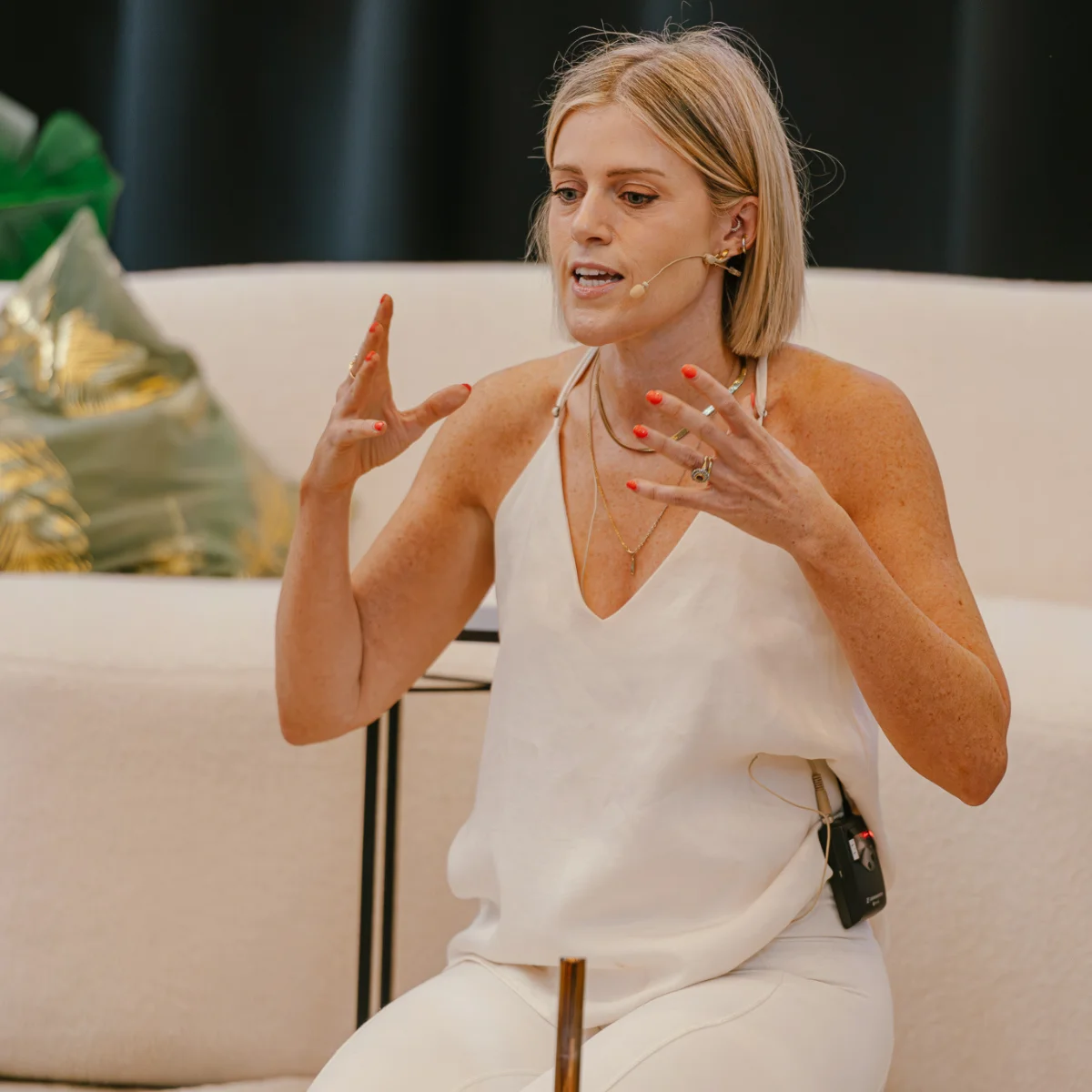
As a sound healer and wellness entrepreneur, Audrey O’Connor knows just how important a holistic approach to health is. That's why she's the perfect fit for our new Health Diaries series, where she'll be testing the Samsung Galaxy Ring for six weeks to see how it can support her overall wellness. Next up, is cycle tracking – here’s how the ring has helped her stay on track with her cycle and help support better hormonal wellbeing.
Cycle tracking was the feature I didn’t think I needed until I saw what it revealed. The ring tracks temperature trends, heart rate, sleep and recovery, and that combination made my hormonal patterns impossible to ignore in the best way. It wasn’t dramatic, it was just the clarity I didn’t realise I’d been missing.
There’s a four-day window before my period, the late luteal phase, where everything subtly changes. My sleep efficiency, usually excellent, drops to fair. My sleep latency jumps from 3–5 minutes to 25–30 minutes. For years, I blamed it on stress or a heavy week, but it was my cycle. Seeing the pattern cleared so much of the confusion I used to feel around those ‘off’ days. Once I saw it, it all made sense. Something shifted once I understood that; my cycle started to feel more intuitive, less like something happening to me and more like a natural rhythm I could work with.
Those are the nights where I toss and turn, where my mind feels louder, and where I’m more sensitive to stimulation. Knowing that has been grounding. Instead of feeling like I’m failing at my routine I can anticipate what my body needs. It’s not about controlling anything, it’s about not being blindsided by something that happens every month.
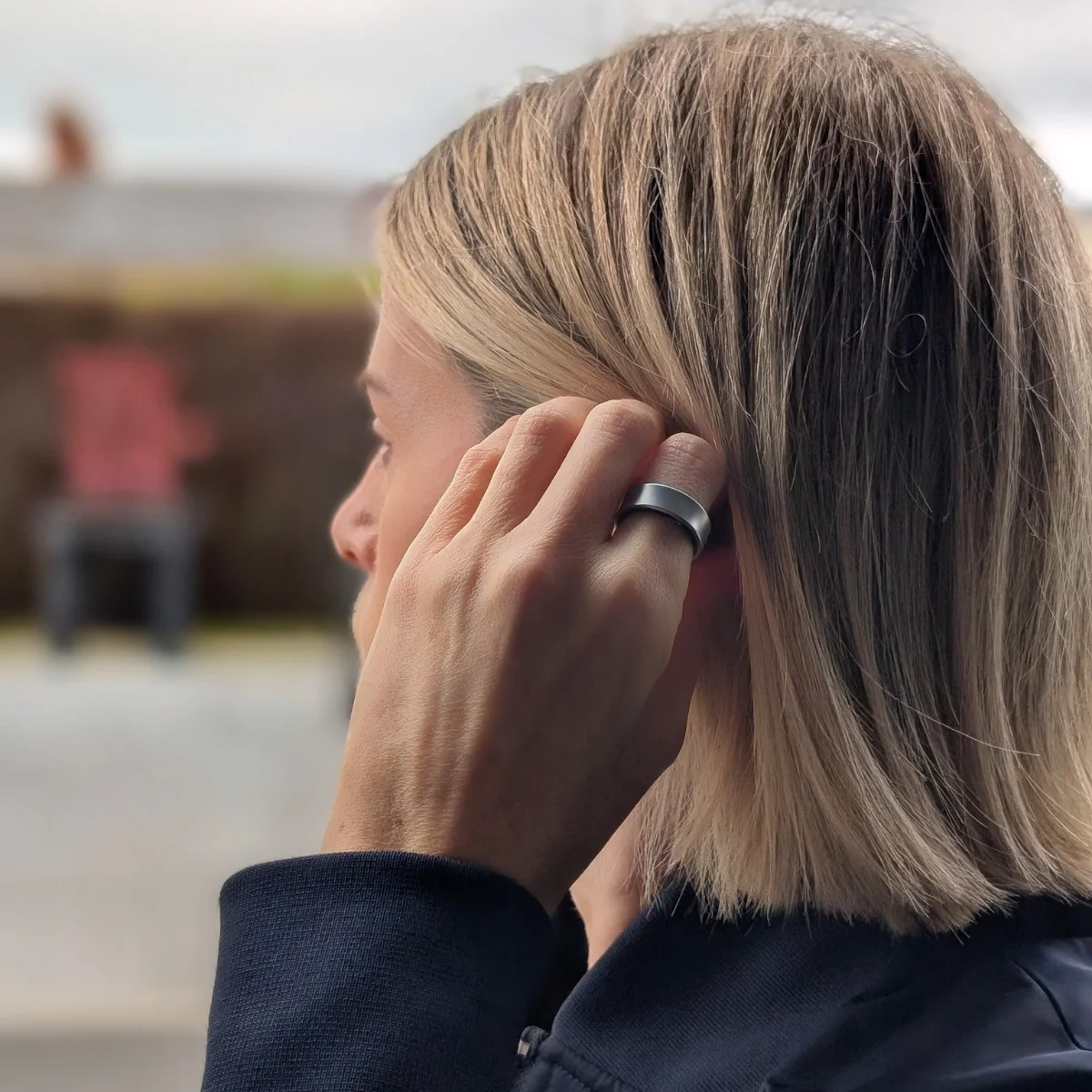
Now that I can track my cycle on the Samsung Health app, I prepare for that window instead of reacting to it. I go to bed earlier. I protect my evenings. I avoid overstimulation when I can, and I give myself permission to slow down instead of powering through. It’s these small, conscious choices that make the whole window feel less like a surprise.
One of the biggest shifts has been letting myself lean into comfort and rest instead of fighting it. Those four days aren’t dramatic, but they’re distinct and I’ve stopped pretending they’re not. I’ve learned that what helps most is making the evenings gentler. Softer lighting, slower pacing, fewer decisions and less noise. It’s nothing elaborate, just creating a bit more space so my system can regulate and decompress. Deep rest, for me, isn’t about doing nothing, it’s about reducing stimulation, so my body has a chance to land.
These are the nights where I swap podcasts for silence, have less screen time and get into bed earlier, making everything feel a little more intentional. Sometimes I’ll take a warm bath first or do a slow gua sha facial or meditation in bed. I stop squeezing the last bit of energy out of myself and let my body really slow down. It’s small, but it genuinely helps. When I treat that window with a bit more care, the whole cycle feels steadier. I’m not bracing for it anymore, I’m working with it.