










A new Samsung Electronics study reveals widespread exposure of personal content during public smartphone use across Europe. Surveying 11,000 people, the research found that 56% have accidentally viewed someone else’s screen, while 24% admitted doing so out of curiosity.
The findings highlight a gap between perceived and actual privacy. While 48% believe their phone use remains private in public, 52% say it is easy to see others’ screens. These everyday moments create an “accidental audience,” where sensitive information is exposed simply because screens are visible in public. Notably, 38% have delayed or avoided certain activities on their devices in public due to concerns about being observed.
The study also underscores the sensitivity of exposed content. One-third of respondents reported seeing personal information on others’ devices, including messages, photos, video calls and even financial details. Nearly half have felt that someone else was looking at their own screen, and 42% have stopped using their phone altogether in such situations.
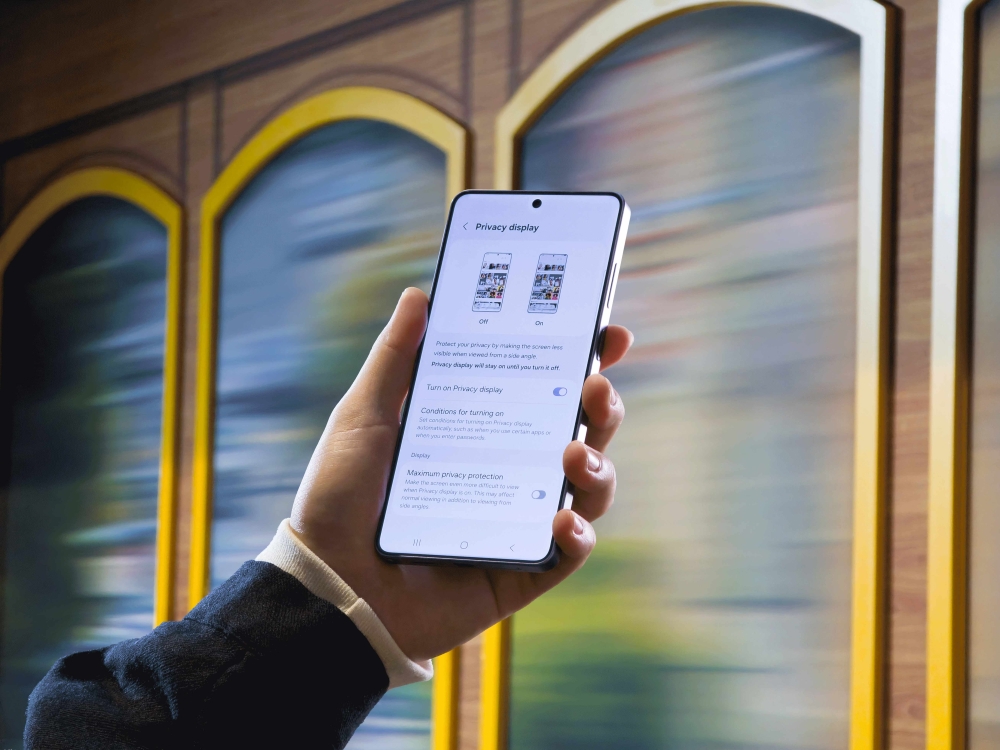
To address these concerns, Samsung introduced Privacy Display on Galaxy S26 Ultra — a built-in feature that restricts screen visibility to direct viewing angles, helping safeguard sensitive information without compromising display quality. Combined with seven years of security updates, this innovation reinforces the company’s continued focus on real-world privacy protection.
此内容由惯性聚合(RSS阅读器)自动聚合整理,仅供阅读参考。 原文来自 — 版权归原作者所有。