





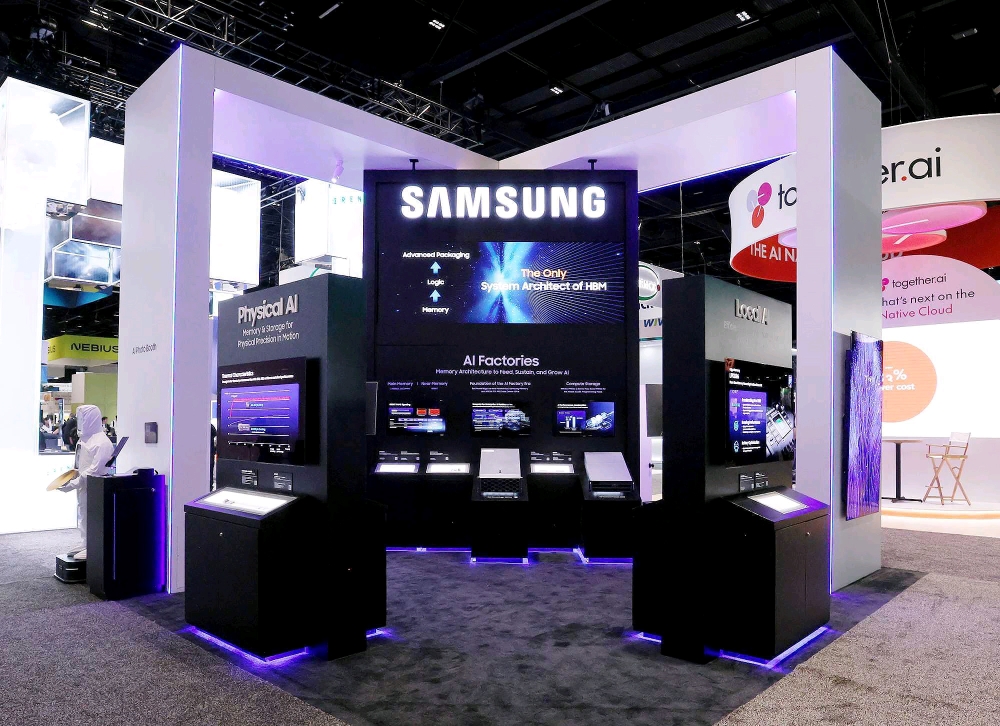
Samsung Electronics, a global leader in advanced semiconductor technology, today announced the comprehensive AI computing technologies it will showcase at NVIDIA GTC 2026 in San Jose, California, scheduled for March 16-19. As the industry’s only semiconductor company offering a total AI solution spanning memory, logic, foundry and advanced packaging, Samsung will exhibit its full suite of products and solutions that enable customers to design and build groundbreaking AI systems. To learn more about Samsung’s AI solutions, please visit the company’s GTC 2026 booth (#1207).
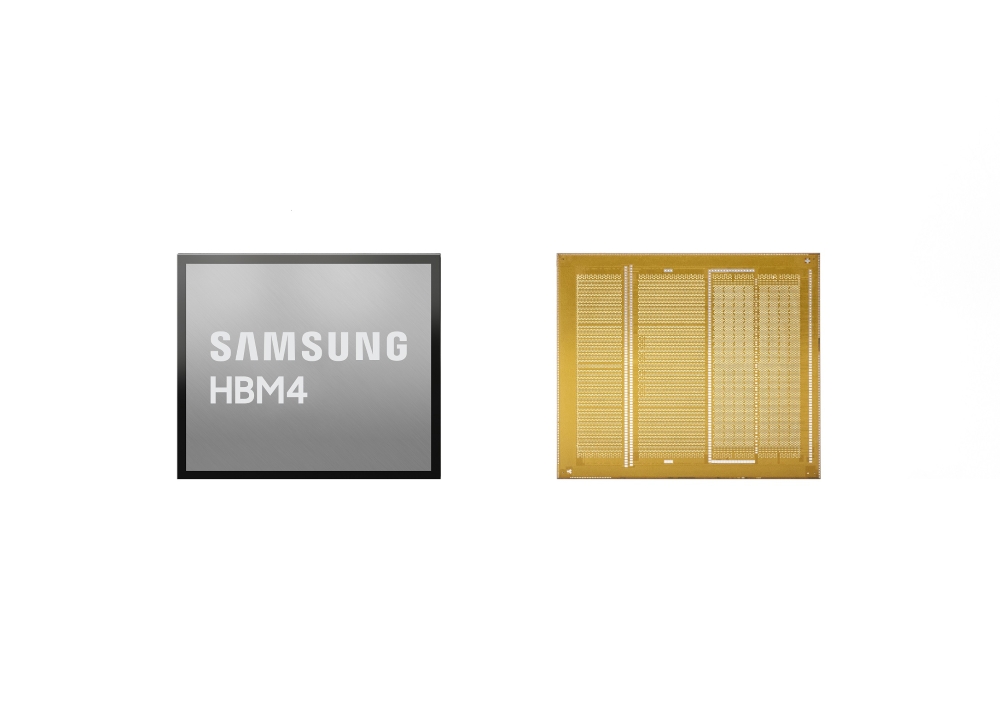
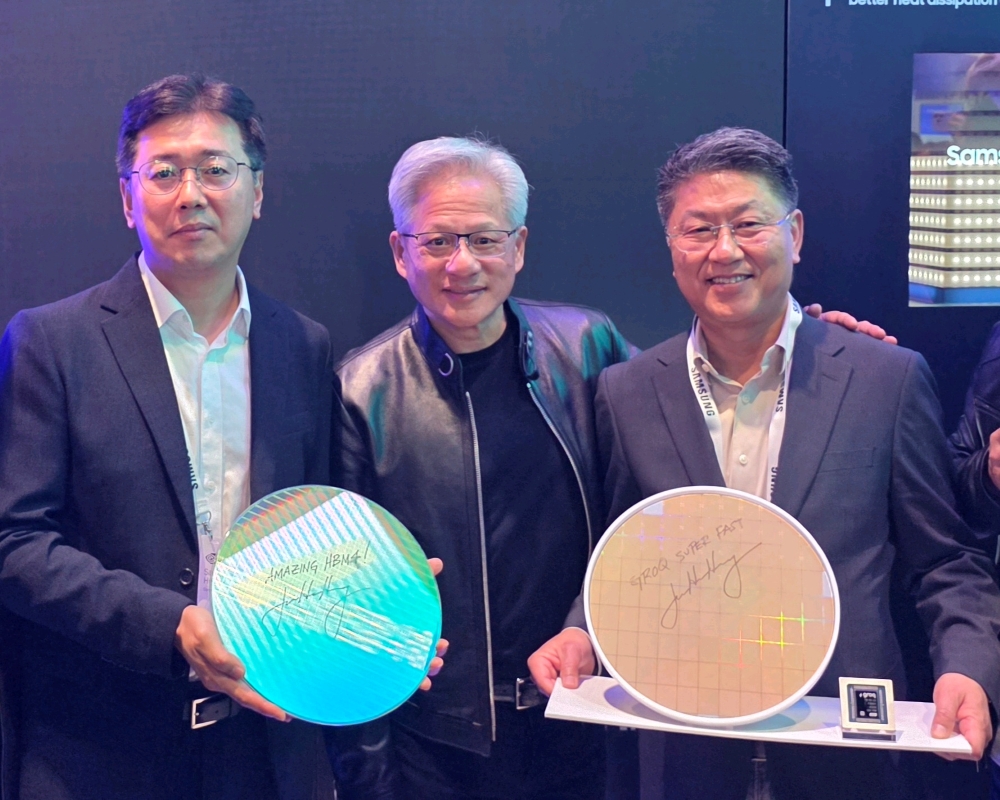
The centerpiece of Samsung’s showcase at NVIDIA GTC 2026 will be the new sixth-generation HBM4, which is now in mass production and is designed for the NVIDIA Vera Rubin platform. Samsung’s HBM4 is expected to help accelerate the development of future AI applications, delivering consistent processing speeds of 11.7 gigabits-per-second (Gbps), which exceeds the industry standard of 8Gbps, and can be enhanced to 13Gbps.
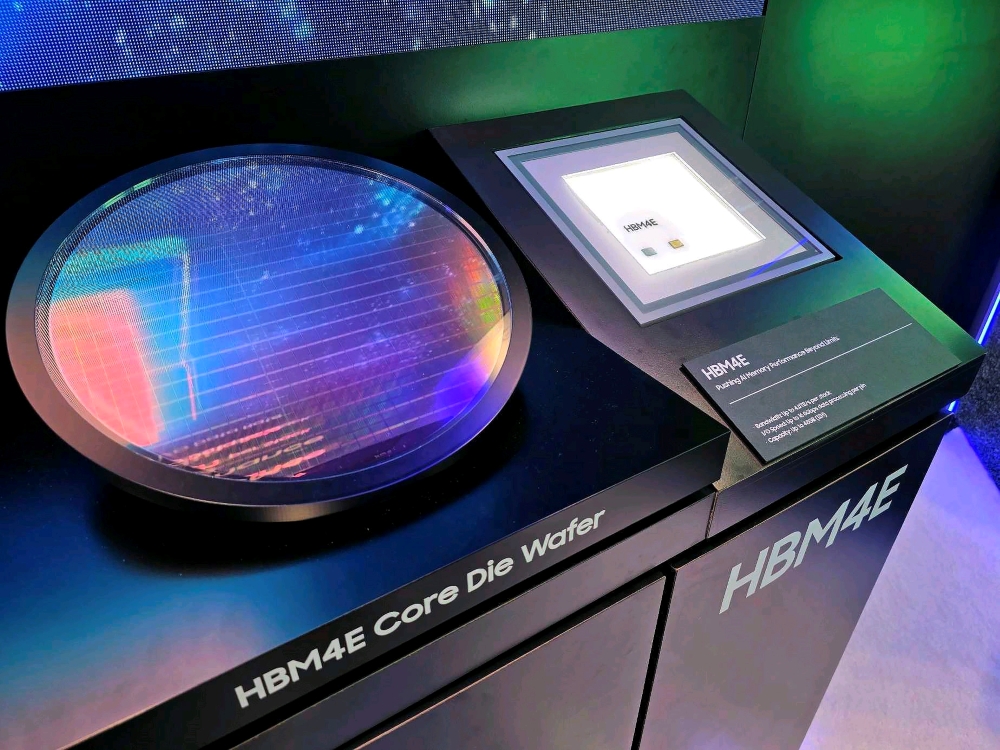
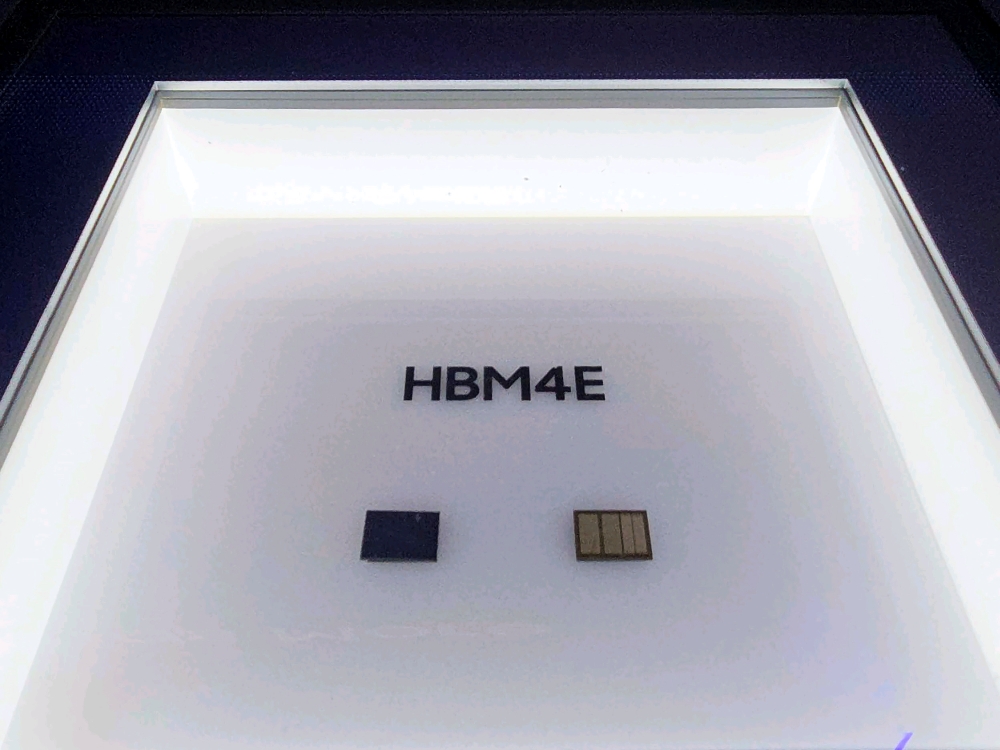
By leveraging the most advanced sixth-generation 10-nanometer (nm)-class DRAM process (1c), Samsung has achieved stable yields and industry-leading performance. The company’s next-generation HBM4E, delivering 16Gbps per pin and 4.0 terabytes-per-second (TB/s) bandwidth, will be on display as well for the first time at GTC 2026.
Visitors will also be able to catch a glimpse of Samsung’s hybrid copper bonding (HCB) technology, a new method that will enable next-generation HBM to achieve 16 or more layers while reducing heat resistance by more than 20 percent, compared to thermal compression bonding (TCB).
The strong collaboration between Samsung and NVIDIA will be highlighted in the booth’s separate ‘NVIDIA Gallery,’ specifically featuring a broad lineup of Samsung’s cutting-edge technologies, such as HBM4, SOCAMM2 and PM1763 SSD that are designed for NVIDIA AI infrastructure.
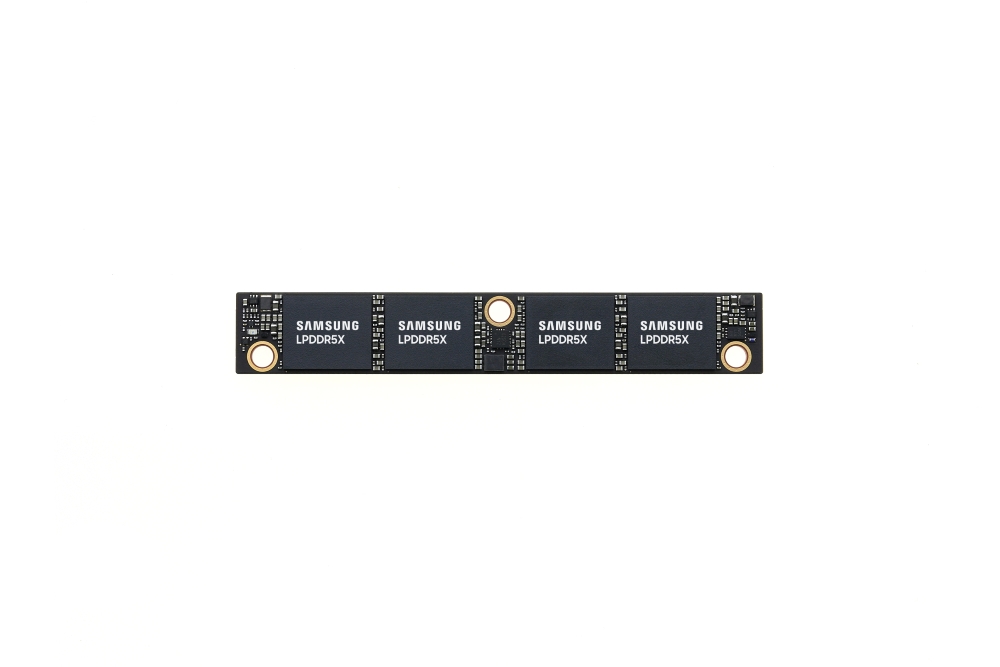
Addressing the need for maximum efficiency and scalability in AI systems, Samsung’s SOCAMM2 based on low-power DRAM is an optimum server memory module that offers high bandwidth and flexible system integration for next-generation AI infrastructure. Samsung’s SOCAMM2 is currently in mass production, an industry-first to reach that milestone.
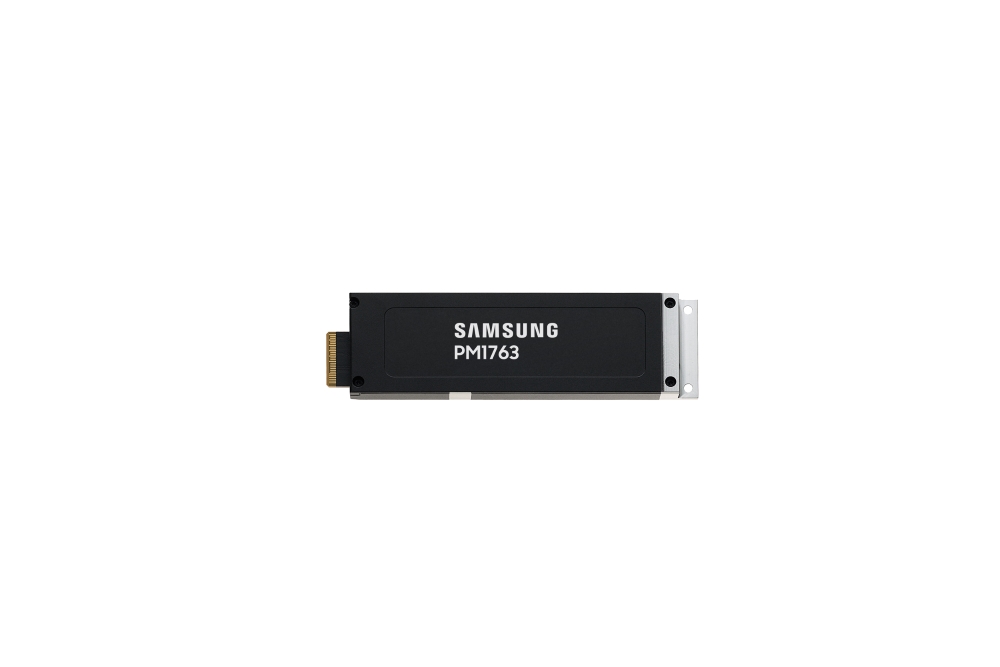
Designed for next-generation AI storage solutions, Samsung’s PM1763 SSD is based on the latest PCIe 6.0 interface offering fast data transfers and high capacities. The industry-leading PM1763 performance will be demonstrated on servers working with the NVIDIA SCADA programming model.
As part of the new NVIDIA BlueField-4 STX reference architecture for accelerated storage infrastructure in NVIDIA’s Vera Rubin platform, Samsung’s PM1753 SSD will show how it helps to enhance energy efficiency and system performance for inference workloads.
Samsung will showcase its collaboration with NVIDIA on AI Factory development at GTC 2026, including plans to implement NVIDIA accelerated computing to scale Samsung’s AI Factory and fast-track digital twin manufacturing that leverage NVIDIA Omniverse libraries. This collaboration powers one of the world’s most comprehensive chip manufacturing infrastructures ― spanning memory, logic, foundry and advanced packaging.
Separately, Yong Ho Song, Executive Vice President and Head of AI Center at Samsung Electronics, will illustrate the two companies’ strategic collaboration in further detail through his speaker session on March 17, 2026. Titled ‘Transforming Semiconductor Manufacturing with Agentic AI from Design and Engineering to Production,’ the session will elaborate on the company’s AI Factory and share innovative end-to-end real-life use cases where AI and digital twins are reshaping semiconductor manufacturing with breakthroughs in electronic design automation (EDA) and computational lithography to designing and operating advanced manufacturing facilities powered by NVIDIA.
Samsung’s memory solutions also offer maximized efficiency for local AI workloads on personal devices. During GTC 2026, Samsung will showcase tailored and efficient solutions for personal AI supercomputers, including the Samsung PM9E3 and PM9E1 NAND for NVIDIA DGX Spark.
Additionally, Samsung will display DRAM solutions, LPDDR5X and LPDDR6, that are designed for seamless integration into premium smartphones, tablets and wearable devices, offering faster data throughput and lower latency. LPDDR5X delivers speeds of up to 25Gbps per pin, while cutting power consumption by up to 15 percent, enabling ultra‑responsive mobile experiences, high‑resolution gaming and AI‑enhanced applications without sacrificing battery life.
Building on that foundation, LPDDR6 pushes bandwidth further to a scalable 30‑35 Gbps per pin and introduces advanced power‑management features such as adaptive voltage scaling and dynamic refresh control, which together provide the performance needed for next‑generation edge‑AI workloads.

此内容由惯性聚合(RSS阅读器)自动聚合整理,仅供阅读参考。 原文来自 — 版权归原作者所有。