



惯性聚合 高效追踪和阅读你感兴趣的博客、新闻、科技资讯
阅读原文 在惯性聚合中打开

推荐订阅源

T
The Blog of Author Tim Ferriss
Threat Intelligence Blog | Flashpoint
大猫的无限游戏
大猫的无限游戏
月光博客
月光博客
博客园 - Franky
博客园 - 三生石上(FineUI控件)
爱范儿
爱范儿
腾讯CDC
罗磊的独立博客
OSCHINA 社区最新新闻
OSCHINA 社区最新新闻
T
Tailwind CSS Blog
P
Privacy International News Feed
The Cloudflare Blog
D
Darknet – Hacking Tools, Hacker News & Cyber Security
T
Threat Research - Cisco Blogs
Hugging Face - Blog
Hugging Face - Blog
Project Zero
Project Zero
S
SegmentFault 最新的问题
美团技术团队
WordPress大学
WordPress大学
奇客Solidot–传递最新科技情报
奇客Solidot–传递最新科技情报
云风的 BLOG
云风的 BLOG
Spread Privacy
Spread Privacy
CTFtime.org: upcoming CTF events
B
Blog
Cisco Talos Blog
Cisco Talos Blog
The GitHub Blog
The GitHub Blog
G
Google Developers Blog
T
The Exploit Database - CXSecurity.com
Simon Willison's Weblog
freeCodeCamp Programming Tutorials: Python, JavaScript, Git & More
C
Cisco Blogs
NISL@THU
NISL@THU
J
Java Code Geeks
C
CERT Recently Published Vulnerability Notes
T
Tor Project blog
K
Kaspersky official blog
宝玉的分享
宝玉的分享
Martin Fowler
Martin Fowler
I
Intezer
U
Unit 42
博客园 - 聂微东
C
Check Point Blog
Recent Announcements
Microsoft Azure Blog
Latest news
Latest news
博客园 - 司徒正美
G
GRAHAM CLULEY
S
Schneier on Security
V
Visual Studio Blog

Samsung Global Newsroom

[Video] Where Robotics Meets Precision: Samsung Displays Shape KUKA’s Immersive Showroom [Interview] Where Sound Meets Design — Redefining the Audio Experience With Music Studio Samsung and MUNCH Museum Bring Rarely Seen Masterpieces to Samsung Art Store Samsung Electronics Vietnam Becomes First Company in Vietnam To Purchase Renewable Electricity Through DPPA – Samsung Global Newsroom Samsung Highlights Vision for AI-Powered Connected Care at VivaTech 2026 [Infographic] Exploring the 2026 Samsung Odyssey G8 & G7 Models at a Glance: From the Industry-First 6K to OLED Samsung Electronics and LG Uplus Collaborate on ISAC Technology for 6G Samsung Electronics Begins Shipment of Industry-First HBM4E Samples Samsung and Massachusetts General Hospital Launch Joint Study To Investigate GLP-1 Treatment Monitoring With Galaxy Watch [Interview] The Future of Screen Experiences, Part ①: Inside Samsung’s Micro RGB TV, Setting a New Standard for Next-Generation Displays Samsung TV Plus Brings Monthly SM K-Pop Concert Series to Fans at Home [Infographic] Samsung AI Appliances Deliver Inclusive Experiences Through Enhanced Accessibility Features Traveling With Peace of Mind: Why Samsung Care+ Is Your Essential Summer Holiday Companion Samsung and Google Give First Look at New Intelligent Eyewear Samsung Launches Next-Gen Odyssey Gaming and ViewFinity Monitors, Including Industry’s First 6K Gaming Monitor Samsung Art Store Welcomes the Wonderful World of the Moomins in New Global Collaboration Samsung Presents AI-Powered Screen Innovations at Australian Tech Summit 2026 Samsung Launches Samsung AI Week 2026 for AI-Powered Living Samsung Adopts New EU Code of Conduct for Energy Smart Appliances Samsung To Launch 2026 Bespoke AI Laundry Combo, Advancing All-in-One Comfort Lifestyle Samsung Solve for Tomorrow Wins Merit Award at 2026 Global Views ESG Corporate Sustainability Awards – Samsung Global Newsroom Samsung Launches One UI 9 Beta for Galaxy S26 Series Users Samsung Expands AI Capabilities of Bespoke AI Refrigerator Family Hub With Major Updates [Interview] When a Washer Becomes Furniture: Meet the Designers Behind the Red Dot Design Award 2026 [Video] How Samsung’s Spatial Signage Transforms the Attraction Queue Into an Immersive Safari Experience at Everland [Interview] From TV to a Work of Art: Samsung’s Design Innovation at the Red Dot Design Award 2026 [Interview] Make Every Moment Cinematic: How Cinematic LUT Transforms Video on the Galaxy S26 Series Samsung Announces World-First Breakthrough in Fainting Prediction With Galaxy Watch Samsung and Qualcomm Achieve Industry-First Power Class 1 Validation for 5G Fixed Wireless Access on Virtualized RAN Samsung’s One UI 8.5 Official Rollout Starts May 6 Samsung Electronics Announces New Leadership at the Visual Display Business Galaxy Book6 Enterprise Edition Extends Connected Galaxy Experience to Enterprise IT Environments, Powered by Intel® Core™ Ultra Processors With Intel vPro® Samsung Electronics Announces First Quarter 2026 Results Stedelijk Museum Amsterdam Brings Modern European Art to Samsung Art Store Samsung Galaxy’s Ocean Mode and Coral Reef Initiative Receive International Recognition and Awards [Video] Inside a Seamless Luxury Stay at The Apurva Kempinski Bali With Samsung Hospitality TVs [Photo] Inside Samsung’s ‘Design Is an Act of Love’ Exhibition at Milan Design Week 2026 Samsung and POSTECH Publish 2D/3D Switchable Display Research in Nature Meet the Generation17 Young Leaders: The Story of Brigitta Gunawan Samsung Art Store Launches Tamara de Lempicka Collection Amid Art Deco Revival Samsung Expands Kitchen Portfolio With Intelligent Performance and Refined Design Samsung SmartThings Expands Seamless Integration With IKEA Matter Devices Samsung Unveils ‘Design Is an Act of Love’ Exhibition at Milan Design Week 2026 Samsung Launches ‘Raise the Bar’ Campaign With Joe Cole To Upgrade UK Pubs’ TV Experience – Samsung Global Newsroom Samsung Receives Four Accolades at Prestigious Edison Awards 2026 Faster, Real-Time: Enhanced ‘Audio Eraser’ With the Galaxy S26 Series Samsung Elevates Experiences To Care for Users and Their Families With SmartThings Update Samsung Electronics Showcases 2026 AI-Powered TV Innovations Ahead of Market Launch at European Tech Seminar [Editorial] How APV Is Elevating Mobile Video to Professional Standards Samsung Art Store Introduces Maria Prymachenko Collection to Global Audiences – Samsung Global Newsroom Samsung and DOMINNICO Expand Collaboration With Fashion-Tech Capsule Collection – Samsung Global Newsroom Samsung Introduces 14-Meter Onyx Cinema LED Display at CinemaCon 2026 [User Guide] Galaxy A57 5G and Galaxy A37 5G: Bringing Latest Innovation Within Reach Samsung Recognized by Circana for Fastest Growth in Mexico’s Fitness Tracker Market – Samsung Global Newsroom Polish Runners Tackle Death Valley With Galaxy Watch Ultra – Samsung Global Newsroom [Video] Discover Your Ideal Bespoke AI Laundry Appliance Setup [Interview] Scenes of Memory and Modern Life: Sun Yitian x Samsung Art Store [Interview] How Jacob Kiplimo’s Galaxy Watch Turns Data Into World-Record Performance Samsung Continues Expanding One UI 8.5 Beta Program to More Galaxy Devices [Interview] Framing Space Through the Human Experience: Michael Najjar x Samsung Art Store [Interview] Beyond the Shot: How the APV Codec Powers the Full Mobile Video Experience on Galaxy S26 Ultra [Interview] ‘Bixby Will Be Your Go-To Starting Point for Every Samsung Device’ — Meet Jisun Pa ... [Video] Samsung Transforms Berlin Planetarium With Immersive LED Installation Samsung Receives New TÜV Rheinland Certifications for 2026 Micro RGB, OLED, Mini LED, Soundbars and More Samsung Galaxy XR Evolves Work in the AI Era With New Enterprise Capabilities and Everyday Features Samsung Electronics Announces Earnings Guidance for First Quarter 2026 Samsung Launches Competition Searching for Oldest TVs in Use in the Nordics – Samsung Global Newsroom A New Era of Sports Broadcasting: Galaxy S26 Ultra Unlocks New Perspectives, Bringing Cameras Inside the A ... [Video] Samsung Spatial Signage: How To Make Your Brand Stand Out in Crowded Spaces Samsung Retains No. 1 Position in Global Gaming Monitor Market for Seventh Year [Video] Samsung Color E-Paper: A Smarter Alternative to Traditional Posters Samsung Study Highlights Rising Privacy Concerns in Public Smartphone Use – Samsung Global Newsroom [Photo] Inside Samsung OLED FC: Elite Gamers Compete Live on Advanced OLED Displays at Samsung KX Samsung Electronics Holds Its Top Position in European Microwave Market for 11th Consecutive Year [Interview] Inside Spatial Signage: How Samsung Brought Glasses-Free 3D Displays to Life Samsung Powers ‘BTS WORLD TOUR ‘ARIRANG’’ With Galaxy Art Basel Hong Kong 2026: Samsung Brings Art Into Everyday Life Turning Your Travel Moments Into Lasting Memories ②: San Francisco With Galaxy AI [Video] Samsung Brings Classical Melodies to Galaxy S26 Ringtones [Video] Samsung Hotel TV: Personalized In-Room Experiences Made Simple Samsung Takes Its Browser Beyond Mobile, Extending Agentic AI Across Devices Samsung Unveils Galaxy A57 5G and Galaxy A37 5G, Packing Pro-Level Features at Awesome Price Samsung Knox Now Protects Displays With Industry-Recognized CC Certification [Editorial] Samsung TV Plus and the New Era of TV Viewing Samsung Showcases Expanded HVAC Portfolio at MCE 2026 Samsung Art Store Adds Art Basel Hong Kong 2026 Collection Samsung Recognized Among Fast Company’s Most Innovative Companies of 2026 – Samsung Global Newsroom [World Water Day] Samsung’s Promise of Water for All [Video] Turning Your Travel Moments Into Lasting Memories ①: San Francisco With Galaxy S26 Ultra Galaxy S26 Ultra Powers Lollapalooza Brazil 2026 – Samsung Global Newsroom GDC 2026: How Samsung and Global Game Studios Are Redefining the Game Experience From Day One to Years Later: Samsung Care+ Offers Comprehensive Protection for Galaxy Users Samsung Retains No. 1 Position in Global Commercial Displays Market for 17th Consecutive Year Samsung Celebrates Two Decades of TV Innovation and Industry Leadership at BAFTA – Samsung Global Newsroom Samsung and AMD Expand Strategic Collaboration on Next-Generation AI Memory Solutions Samsung Addresses SME Cyber Risks With Galaxy S26 Ultra Enterprise Edition – Samsung Global Newsroom Samsung Introduces Color E-Paper at Renowned Buenos Aires Restaurant Tegui Barra – Samsung Global Newsroom Samsung To Present ‘Design Is an Act of Love’ Exhibition at Milan Design Week 2026 Samsung Art Store Partners With San Francisco Museum of Modern Art To Bring Modern Masters to Homes Worldwide Samsung Unveils HBM4E, Showcasing Comprehensive AI Solutions, NVIDIA Partnership and Vision at NVIDIA GTC 2026
[Interview] Inside SDIC: How Samsung Is Advancing Wearables Through Computational Design
Samsung Newsroom · 2026-06-09 · via Samsung Global Newsroom
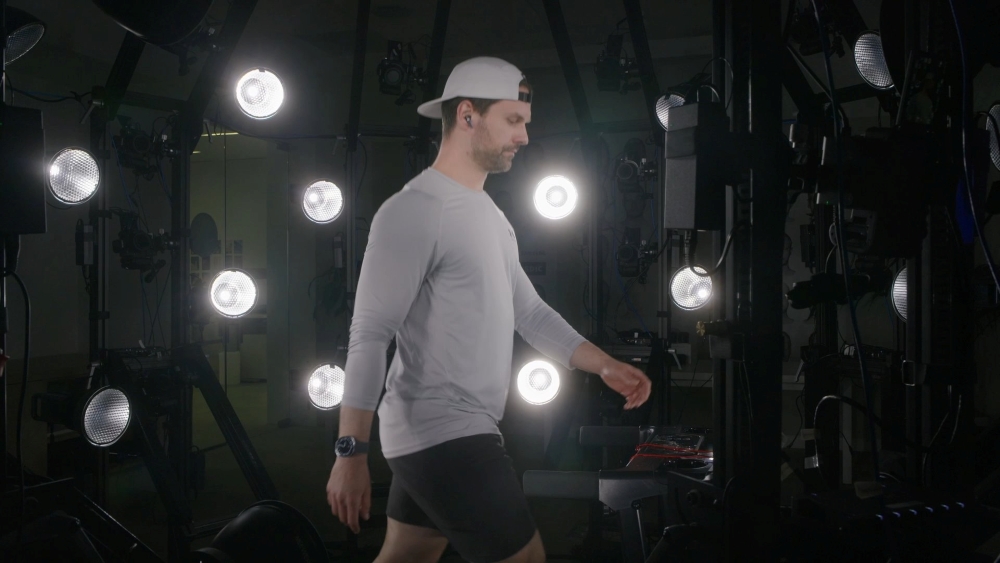
Securing computational design data through 4D scanner
▲ Securing computational design data through 4D scanner

Developing wearables with the optimal fit and comfort remains a difficult yet crucial challenge. Not only do these factors make the device feel more seamless to use, but they are directly tied to maximizing overall performance and sensor accuracy. However, the fact that each person’s anatomy is completely unique presents a major hurdle. But what if there was a way to meticulously engineer comfort, fit and sensing so precisely, it could deliver the optimal experience for nearly everyone?

Samsung’s solution is Computational Design. This multidimensional process harnesses AI and advanced computing to analyze hundreds of thousands of quantitative and qualitative data points to generate, test and refine product designs with greater precision. The result is a fundamental shift from subjective feedback to objective, data-driven engineering, creating superior products with the optimal fit for the widest range of users.

That description captures computational design in the abstract — like a dictionary definition. To understand how computational design is actually used to create superior wearables, Samsung Newsroom visited the Samsung Design Innovation Center (SDIC) in San Francisco, home to the Computational Design Lab.

Federico Casalegno, EVP and Head of the Samsung Design Innovation Center
▲ Federico Casalegno, EVP and Head of the Samsung Design Innovation Center

Spearheading the SDIC is Federico Casalegno, Executive Vice President and Head of the Samsung Design Innovation Center, who has spent the past two decades mastering the practice of computational design and leading the implementation of this core concept into Samsung’s product development. We sat down with Federico to discuss how SDIC employs computational design as a primary tool to create and optimize experiences for Samsung’s wearables, particularly the Galaxy Buds4 series.

Q. Tell us about SDIC’s role.

At SDIC, our mission is to deliver meaningful experiences by understanding people and their evolving lifestyles — always in the context of human-centered design. Ultimately, we want to delight customers and create products that help people live happier, healthier, more creative and more productive lives, while building a better future for all and preserving the environment. To achieve this, SDIC brings together the power of design and creativity with data-driven decision-making. Supported by AI, machine learning, robotics and advanced computing, our talented, multidisciplinary team of designers is constantly pushing the boundaries of what’s possible, delivering unparalleled user experiences and real, tangible benefits.

At SDIC, design is combined with AI, data and computing to achieve maximum comfort for wearable devices.
▲ At SDIC, design is combined with AI, data and computing to achieve maximum comfort for wearable devices.

Q. What exactly is computational design and what is the philosophy behind it?

While we live in a unique era of technological innovation, Samsung’s approach to design was always deeply human-centered as we believe that technology without humanity is merely perfection without purpose. Computational design is how we bring this philosophy to life — it is the process of harnessing the immense power of AI, data and computing to design products for people, rather than expecting people to adapt to our products. This approach helps us to create devices that are fundamentally functional, intuitive, comfortable and beautifully crafted. Today, this methodology is applied all across our wearable portfolio, including Galaxy Watch8 series and Galaxy Buds4 series.
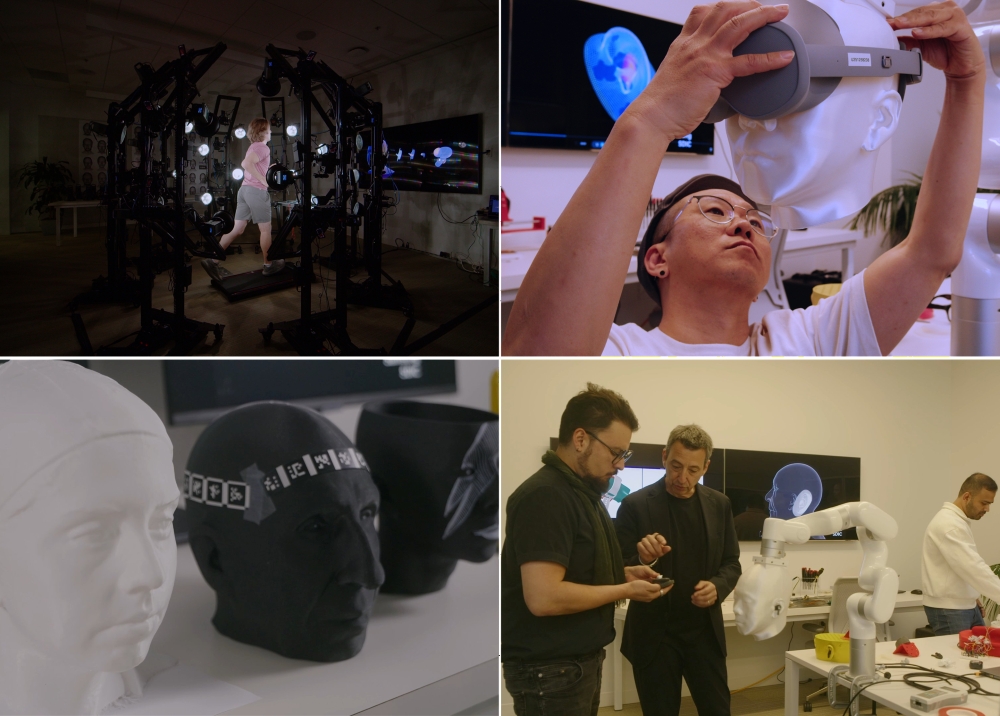
The computational design process involves various state-of-the-art testing equipment, including 4D scanning.
▲ The computational design process involves various state-of-the-art testing equipment, including 4D scanning.

Q. How does computational design turn the ‘fit’ of a device into an objective, measurable metric?

For developing something as personal as a wearable that remains in contact with you for extended periods, fit is an essential element. It’s not just about comfort though; a secure fit is also needed for maximizing the precision of the device’s sensors. However, traditional design methods fail to measure wearability objectively, as they only rely on a small sample of people for product testing.

Computational design fundamentally changes this. By leveraging massive, digitalized datasets and advanced AI simulations, it transforms wearability into a quantifiable metric that allows Samsung to measure comfort and fit like never before. By being able to consider all the unique shapes and curves of the human ear or the wrist through computational design, our designers are equipped with trustworthy, objective insights that are difficult to attain through traditional methods.
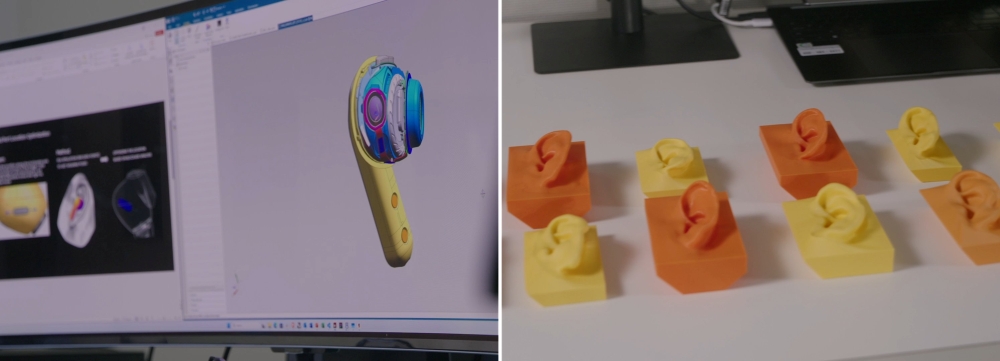
Optimal design parameters are derived through AI and physics-based simulations, which are then cross-verified with robot testing.
▲ Optimal design parameters are derived through AI and physics-based simulations, which are then cross-verified with robot testing.

Q. Tell us in detail how the computational design process works in the lab and how it was implemented in the Galaxy Buds4 series.

Our computational design process relies on three elements: real people, digital twins and robots. We capture 3D and 4D scans of a diverse global audience, integrating precise anatomical data to create ‘digital twins.’ We then run AI and physics-based simulations, cross-validating the results with physical robot testing.

For the Galaxy Buds4 series, we applied this exact process to achieve perfect wearing comfort and premium sound. We analyzed hundreds of millions of global ear data points and ran more than 10,000 simulations to perfect the new blade design. This objective data led us to subtly reduce the size of the main head1 and refine the angle of rotation — minor adjustments that resulted in a dramatic, universally validated increase in stability and comfort.

Q. How does Samsung’s computational design ultimately benefit the users?

Samsung’s computational design process is powered by a unique proprietary dataset built exclusively from within Samsung and our team has developed several specialized AI programs based on this data. This combination gives us unique insights while we constantly innovate our design processes and methods. For Galaxy Buds and Watch specifically, this translates into improved wearing comfort, stability and sensor accuracy — key factors that elevate both the user experience and product performance.
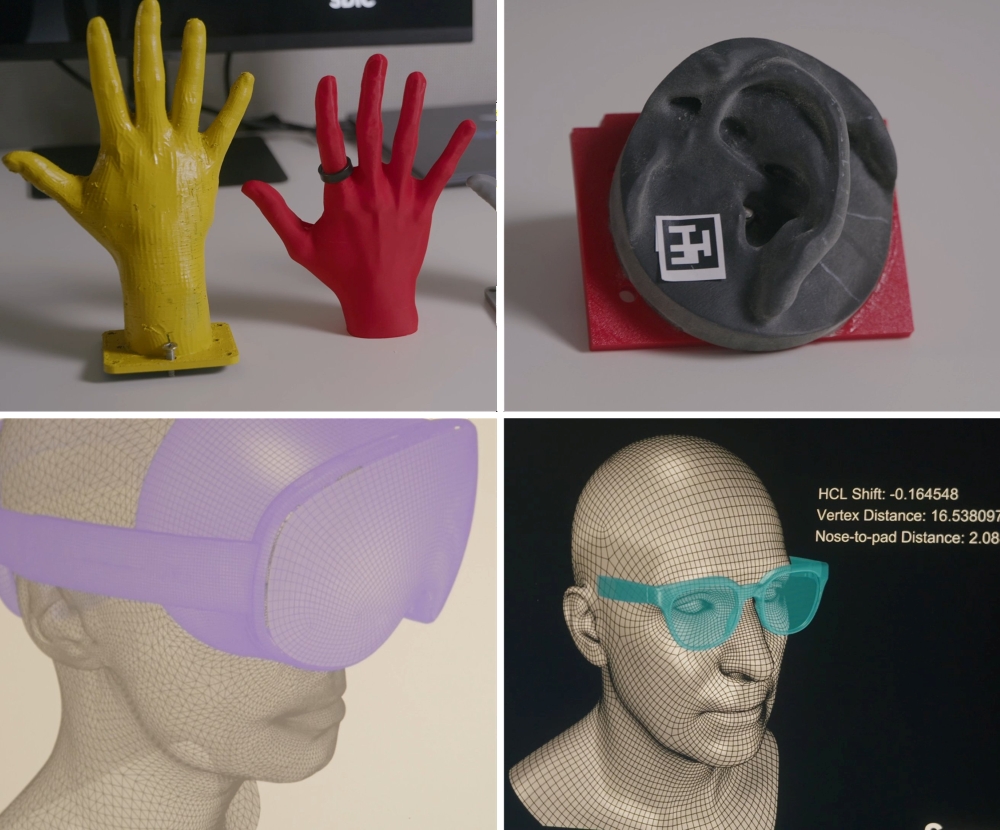
Samsung’s lineup of wearables, such as Galaxy Buds4, Galaxy Watch8 and Galaxy Ring, all incorporate computational design in its development process.
▲ Samsung’s lineup of wearables, such as Galaxy Buds4 series, Galaxy Watch8 series and Galaxy Ring, all incorporate computational design in its development process.

Q. Looking ahead, how do you see Computational Design evolving over the next decade?

Computational design is now a foundational element of Samsung’s development process across all our wearable products. Our goal remains to maximize wearability, fit, comfort and sensor performance to ultimately serve the people using it.

Looking ahead, the true power of this process is its continuous evolution. As our dataset continues to grow, custom AI tools will drive more accurate simulations and deeper insights. These advancements will not only further improve product wearability, but also unlock exponential innovations down the line that lead to an entirely new category of wearables that can redefine the boundaries of user experience. Ultimately, this symbiotic partnership between computational design and AI frees our designers to be more creative, empowering us to deliver measurably superior products and experiences for the people who use them.


  1. Galaxy Buds4 only ↩︎