








Around 2010, Michael Riddle was a broke medical student in his late thirties supporting a wife and four children at the University of Texas Medical Branch (UTMB). One day, Riddle walked into a Galveston pet store and noticed a $20, three-and-a-half-gallon fish tank—not as a home for pets but because the tank looked remarkably like a human thoracic cavity to him. Riddle used it to build what he describes as the world’s first large lung bioreactor, a chamber designed to grow living lungs outside the body.
The device helped researchers grow engineered pig lungs that were transplanted into pigs, as well as what Riddle describes as the first human lung grown in a laboratory. He eventually sold the design to Harvard Apparatus, a laboratory equipment company in Massachusettes whose commercial version helped advance one of regenerative medicine’s biggest ambitions: growing replacement organs from a patient’s own cells. Today, Riddle is an MD and CEO of Mesogen, a Texas biotechnology company developing personalized cell therapies. His story has all the ingredients of a Hollywood underdog movie. At the same time, the technology he helped pioneer evokes eerie echoes of Mary Shelley’s Frankenstein—but with a hopeful twist. Instead of stitching together body parts from different people, scientists are attempting to rebuild the body using its own cells.
The idea behind the technology Riddle helped develop, alongside other lung bioengineering researchers at UTMB, is deceptively simple. First, the team decellularizes a donor lung that can no longer be used clinically, washing away its original cells while leaving behind a ghostly white biological scaffold—a complex framework of proteins and microscopic structures that still retains the organ’s shape. Then they recellularize it by adding cells from the intended recipient, hoping to transform an organ destined for medical waste disposal into a new, personalized replacement.
The concept has already worked in mice. While working in the UTMB laboratory, Riddle watched researchers routinely decellularize and recellularize mouse lungs. But when he asked why they weren’t scaling up the process to humans and large animals, he got two answers: “It takes us five months to decellularize a large pig lung,” and “There’s no bioreactor big enough to grow a lung.”
But then came a breakthrough from an unexpected quirk of anatomy: lungs float in any liquid. “There’s no way to get all the air out of a lung,” Riddle says. At first, he saw that as an impediment and tried squeezing the air out, but without success.
“It’s going to float no matter what I try to do,” he thought. “So I decided to use that to my advantage.”
Instead of fighting buoyancy, Riddle turned the pig lung upside down and attached the trachea, the body’s main airway, to a pipe at the bottom of the tank. This allowed the organ to remain suspended without compressing its delicate blood vessels. He then pumped a detergent solution through the lung’s blood vessels and its airways simultaneously. According to Riddle, the approach reduced the time needed to decellularize a pig lung from roughly five months to just three days.
Researchers at UTMB later transplanted engineered lungs into pigs. The rebuilt lungs integrated with the animals’ bodies and continued to mature for up to two months without signs of rejection or major complications, although they were not yet capable of functioning as the pigs' sole lungs. The team also went on to grow what it described as the first human lung in a laboratory using a biological scaffold and stem cells. Together, the work showed that researchers could strip human-sized lungs of their original cells, repopulate them with new ones, and grow them outside the body.
But why go through all this trouble to grow a lung in the first place?
The answer lies in the dire and chronic shortage of donor organs. In the United States alone, more than 100,000 people are waiting for a transplant at any given time. Meanwhile, only about 20 to 30 percent of donated lungs ever make it into a patient.
“A lot of lungs that are harvested for transplant time out because they couldn’t find a donor quickly enough, or there was something about that lung that made it unsuitable for transplant,” Riddle says. “So there are many, many lungs—and other tissue for that matter—that end up getting thrown away.”
The premise behind lung bioengineering is to rescue some of those discarded organs through decellularization and recellularization. But the approach offers another potential advantage.
Conventional organ recipients receive allogeneic organs, which are from other people. That typically requires lifelong immunosuppressive drugs because the immune system is remarkably good at distinguishing “self” from “not self.” Without those drugs, your body may rapidly recognize the transplanted organ as foreign tissue and attack it. The tradeoff is steep: while immunosuppression protects the transplanted organ, it also leaves patients more vulnerable to infections and weakens one of the body’s natural defenses against emerging cancer cells. Researchers hope that rebuilding organs from a patient’s own cells will sidestep that problem altogether.
“To make a safe treatment for a patient, the cells have to come from the patient,” says Riddle. Whether for lungs or newer projects (including experimental therapies for degenerative eye disease and Type 1 diabetes), the central idea remains the same: use the body’s own cells to rebuild what disease has ravaged.
The implications could extend well beyond organ transplants. If researchers can reliably grow human tissues and organs in the laboratory, they may eventually be able to test new drugs directly on living human organs rather than relying exclusively on animals or simplified laboratory models. A bioengineered lung, for example, could become a testing ground for experimental therapies long before they reach patients, helping researchers better predict which treatments will work, and which might fail.
As scientists pursue that future, they disagree on how best to get there. Some are trying to print or engineer complex organs from scratch. Others, including Riddle, believe the better approach begins with nature’s own designs.
His philosophy is clear: the closer scientists stay to nature’s original design, the better their chances of success. To illustrate his point, he references pioneering work by regenerative medicine researcher Doris Taylor, PhD, who led efforts at the Texas Heart Institute in the late 2000s to create bioengineered replacement hearts. The process stripped donor hearts of their cells and repopulated them with new ones. While the hearts beat in the laboratory, Riddle argues they never generated enough force to pump blood effectively in a body.
Regardless of where the debate over the best approach ultimately leads, researchers broadly agree that Riddle and his colleagues helped move lung bioengineering forward—even if transplant-ready lungs still lie over the horizon.
“The lung bioengineering work showed that human-scale lungs can be turned into cellular scaffolds and then partially repopulated with several human lung cell types in a dedicated lung bioreactor,” says Charlie Ren, PhD, an associate professor of biomedical engineering at Carnegie Mellon University.
However, Ren cautions that turning discarded lungs into transplant-ready replacement organs remains a long-term goal. Researchers still need to generate enough patient-specific cells, repopulate every part of the lung, achieve reliable gas exchange, and develop manufacturing methods that can work at scale, he says.
Even so, he believes the burgeoning technology of organ bioengineering could transform healthcare over the coming decades. It could increasingly emphasize repair and regeneration while enabling specialized manufacturing hubs to quietly grow the tissues and organs patients need, instead of waiting for tragedy to supply them.
Those hurdles are formidable. But Riddle believes they had better be tackled by working with biology rather than trying to outsmart it. He remains skeptical of efforts to build highly complex organs entirely from scratch, even when they come from what he calls “super smart” scientists. Existing biological structures, developmental processes, and a patient’s own cells, he argues, already provide the best starting point.
Who would have thought that more than two centuries after Shelley dreamed up her patchwork creature, the closest approximation to Frankenstein’s creation would begin not in a graveyard, but in an operating room—where organs destined for the trash might one day breathe life anew, provided scientists use only the very cells of the person they are meant to save?

February / March 2026
This issue is optimized for mobile/tablet viewing. It's also available on Apple News+.
Featuring:
➡ Archaeologists Found a Skeleton Wearing a Silver Amulet. The Discovery Is Rewriting the History of Christianity.
➡ The Stray Dogs of Chernobyl Are Rapidly Mutating. Scientists Are Still Trying to Figure Out What It Means.
➡ New Evidence Could Upend What We Know About the Charles Lindbergh Baby Murder
➡ Police Found Mysterious Notes in a Dead Man's Pocket. They Turned Out to Be Codes That Not Even the FBI Can Break.

December 2025 / January 2026
This issue is optimized for mobile/tablet viewing. It's also available on Apple News+.
Featuring:
➡ An Angel of Death Preyed on Hospital Patients for Years.
➡ How America's Most Advanced Lab Brought the Killer to Justice.
➡ A 3,000-Ton Locomotive Was Loose, Unstoppable, and Filled With Toxic Cargo
➡ An Underwater Cave Promised Adventure and Glory. No One Expected It to Become a Tomb.
➡ Your Consciousness Can Predict the Future, Some Scientists Say

October / November 2025
This issue is optimized for mobile/tablet viewing. It's also available on Apple News+.
Featuring:
➡ Inside the Secret Island Where Death Is Optional
➡ A Legendary Ship Sank Without Warning. Fifty Years Later, Science Could Finally Solve the Mystery of the Edmund Fitzgerald.
➡ This Tech Rebel Threw Away $900 Million in a Municipal Dump. Can Robots Find His Lost Fortune?
➡ Sex Workers, LSD, and Mind Control: What Happened in the CIA's Lab of Nightmares at 225 Chestnut Street

August / September 2025
This issue is optimized for mobile/tablet viewing. It's also available on Apple News+.
Featuring:
➡ The Worst Air Disaster in American History Happened in Broad Daylight. Will More Mistakes Keep Happening?
➡ NASA Has a Plan to Save Earth from Planet-Destroying Asteroids. It Sounds Even Wilder than Science Fiction.
➡ A Naval Officer Says Underwater UFOs Are Legitimate Threats. The Evidence Is Hard to Ignore.
➡ When You Die, a Psychedelic Molecule Shapes Your Final Moments of Consciousness, a New Theory Reveals.

June/July 2025
This issue is optimized for mobile/tablet viewing. It's also available on Apple News+.
Featuring:
➡ This Undersea Explorer Found America's Greatest Sunken Treasure. Then Things Got Really Weird.
➡ Is Bigfoot Hiding in the Swamps of Florida? This Group Says It Has Proof.
➡ Scientists May Have Gotten the Global-Warming Timeline Seriously Wrong.
➡ A Third State Now Exists Between Life and Death, Some Scientists Now Believe
April/May 2025
This issue is optimized for mobile/tablet viewing. It's also available on Apple News+.
Featuring:
➡ Scientists Successfully Revive a Dead Brain, Redefining the Boundary Between Life and Death
➡ Fingerprints Keep Leading to Wrongful Convictions. Why Do Courts Still Rely on Them?
➡ For 80 Years, the North Sea Held a Deadly Killer. Now Scientists Are Racing to Defuse the Threat.
➡ They Built the Quietest Room in the World. Why Is Everyone So Afraid to Step Inside It?
February/March 2025
This issue is optimized for mobile/tablet viewing. It's also available on Apple News+.
Featuring:
➡ This Guy Says He Knows the Truth About UFOs. Should We Believe Him?
➡ Scientists Are Now One Step Away From Solving Nuclear Fusion—And Unlocking Unlimited Energy.
➡ A Million-Dollar Heist Rocked the Art World— Then Amateur Sleuths Cracked the Case
➡ A New Era of Missile Warfare Has Begun—and the U.S. Isn’t Ready

December/January 2025
This issue is optimized for mobile/tablet viewing.
It's also available on Apple News+.
Featuring:
➡ A Clue Hidden in a 400-Year-Old Map Might Have Just Solved One of America's Greatest Mysteries
➡ Inside the Deranged Plot to Smuggle Cocaine With an Armed Soviet-Era Submarine
➡ This Brilliant Engineer Helped Build the B2 Bomber—Then He Sold America's Stealth Secrets to China
➡ Your Consciousness Can Connect With the Whole Universe
October/November 2024
This issue is optimized for mobile/tablet viewing.
It's also available on Apple News+.
Featuring:
➡Untold Secrets Reveal How the Castle Bravo Test Became America’s Worst Nuclear Disaster
➡ This Body Was Found Preserved on a Block of Ice in a Colorado Shed. It Had Been There for 30 Years.
➡ It Was Supposed to Be America's Greatest Victory in Space—Then It Became NASA’s Worst Nightmare
➡ The Sidewinder Missile Ruled the Air—Then the Soviets Stole the Design
August/September 2024
This issue is optimized for mobile/tablet viewing. It's also available on Apple News+.
Featuring:
➡This Man Knows the Truth About Amelia Earhart. Why Doesn't Anyone Believe Him?
➡ The Army's Machine Gun Is No Match for Cheap Chinese Body Armor. So It's Making a New One.
➡ Russia Built a Stunning Rival to the Supersonic Concorde—and Then It Fell From the Sky
➡ A Navy Admiral Says Underwater UFOs Are a Threat—and the Pentagon is Withholding Secrets
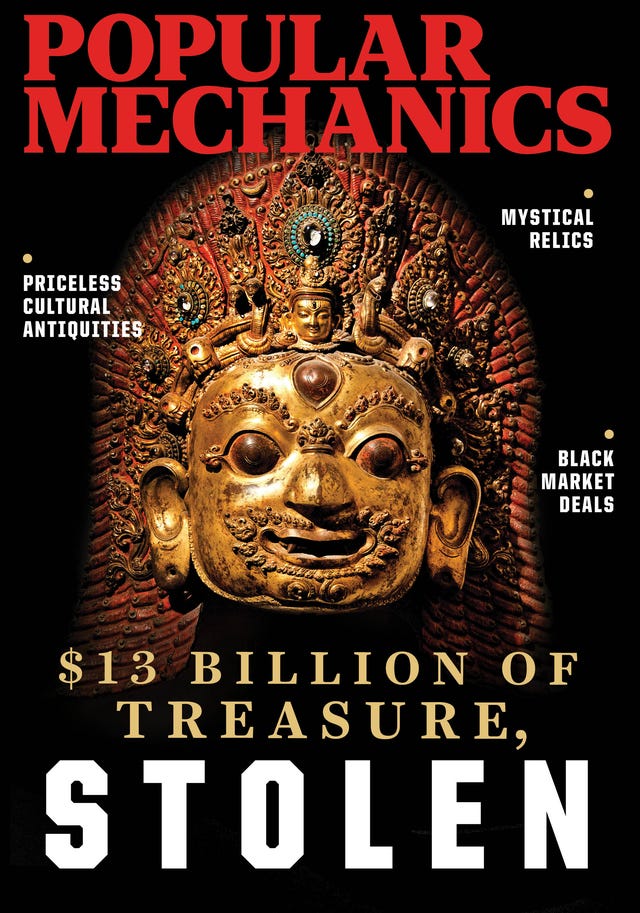
June / July 2024
This issue is optimized for mobile/tablet viewing. It's also available on Apple News+.
Featuring:
➡4 Black Eggs Have Surfaced From the Depths of the Ocean— and the Mysterious Creatures Inside Are Baffling Science
➡ A $2 Million Treasure Appeared in a Kentucky Cornfield. No One Knows Where It Came From.
➡ A Million-Dollar Heist Rocked the Art World— Then Amateur Sleuths Cracked the Case
➡ A New Era of Missile Warfare Has Begun—and the U.S. Isn’t Ready

April May / 2024
This issue is optimized for mobile/tablet viewing. It's also available on Apple News+.
Featuring:
➡The Man Who Knows Too Much About Area 51
➡ How the FBI Took Down the Internet's Most Dangerous Website
➡ A Staggering New Clue Emerges in the D.B. Cooper Hijacking Mystery
➡ The Wildest Prison Break in U.S. History
➡ The Secret to a Perfect Lawn Lies in One of These 10 Electric Lawnmowers

February / March 2024
This issue is optimized for mobile/tablet viewing. It's also available on Apple News+.
Featuring:
➡The Incredible Mystery of NASA’s Missing Moondust
➡ Inside the Final Fiery Minutes of the East Palestine Train Wreck
➡ Scientists Believe They’ve Unlocked Consciousness—and It Connects to the Entire Universe
➡ Why This Unstoppable Stealth Bomber Will Rule the Skies
➡ America Is Developing a New Nuclear Bomb—But Can’t Test Whether It Works
➡ The 8 Best, Expert-Recommended Solar-Powered Generators
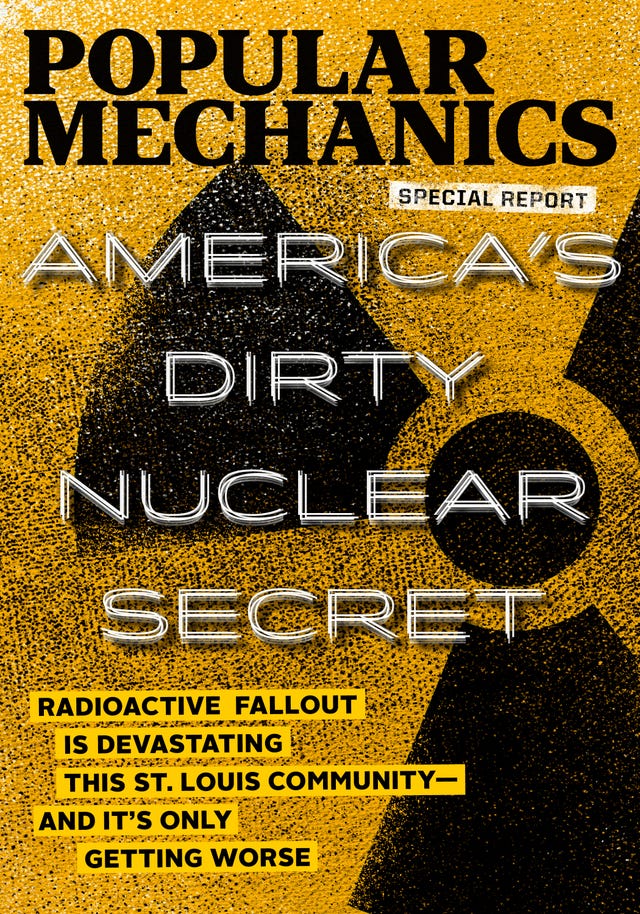
Special Issue: Nukes
➡ How Deadly Nuclear Waste Is Menacing This St. Louis Neighborhood
➡ The Terrifying History of Russia's Nuclear Submarine Graveyard
➡ Strange Mutations in Stray Dogs Near Chernobyl Suggest They Are Rapidly Evolving
➡ America Dumped 56 Million Gallons of Radioactive Material Along the Columbia River—Then It Started to Leak

December 2023 / January 2024
This issue is optimized for mobile/tablet viewing. It's also available on Apple News+.
Featuring:
➡ A New Clue In Amelia Earhart's Disappearance Emerges From the Ocean
➡ How an Alleged Water Bandit Stole $25 Million in Water from Thirsty California Farms
➡ A Coal Mine Exploded and 300 Miners Died. What Went Wrong?
➡ China Just Built a Terrifying New Aircraft Carrier and May Soon Dominate the Seas
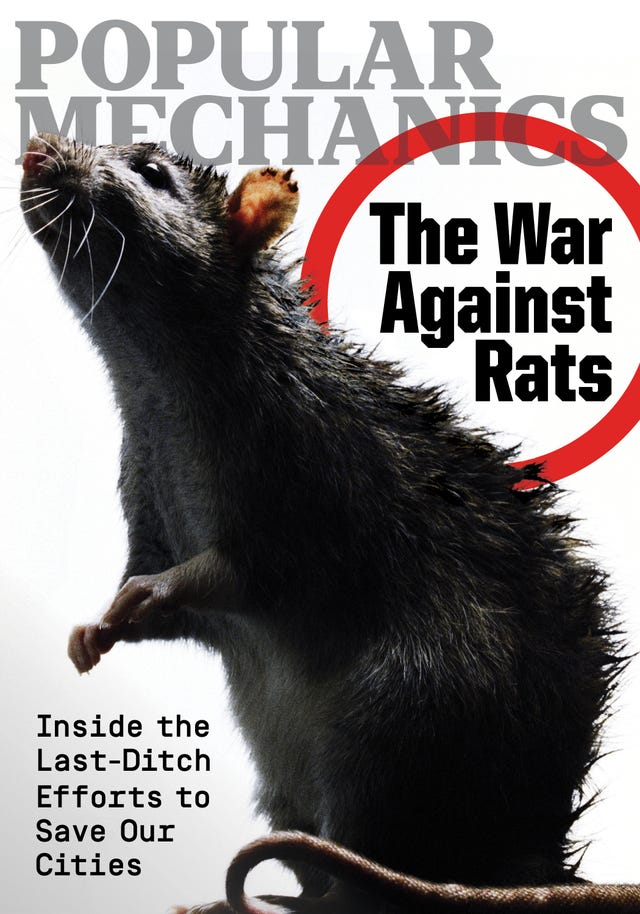
October / November 2023
This issue is optimized for mobile/tablet viewing. It's also available on Apple News+.
Featuring:
➡ How Rats Took Over Our Cities—And Why We Can't Stop Them
➡ This Language Is on the Verge of Extinction. Can It Be Saved?
➡ America's Deadliest Warplane Returns in a New Doomsday Role
➡ This Amateur Diving Group Kept Solving Cold Cases. Then Its Own Skeletons Surfaced.
➡ The Scientific Breakthrough That Could Put an End to Gray Hair.

August/September 2023
This issue is optimized for mobile/tablet viewing. It's also available on Apple News+.
Featuring:
➡ Immortality Is in Reach. But It’s Not What We Imagined.
➡ Your Next iPhone (and Nuclear Subs) Will Be Powered By Space Metal
➡Scientists Now Think We Can Build a Warp Drive
➡ China and Russia Have Cracked the Stealth Code. Can the U.S. Regain Air Dominance?

June/July 2023
This issue is optimized for mobile/tablet viewing. It's also available on Apple News+.
Featuring:
➡ The CIA’s Secret Plan to Build a Laser Beam Powered by the Human Mind
➡ The 747 Ruled the Skies—Then One Slammed Into a Mountain
➡The Race to Contain AI Before Singularity
➡ These Florida Homes Aren’t Just Hurricane-Proof—They’re Blueprints for the Future
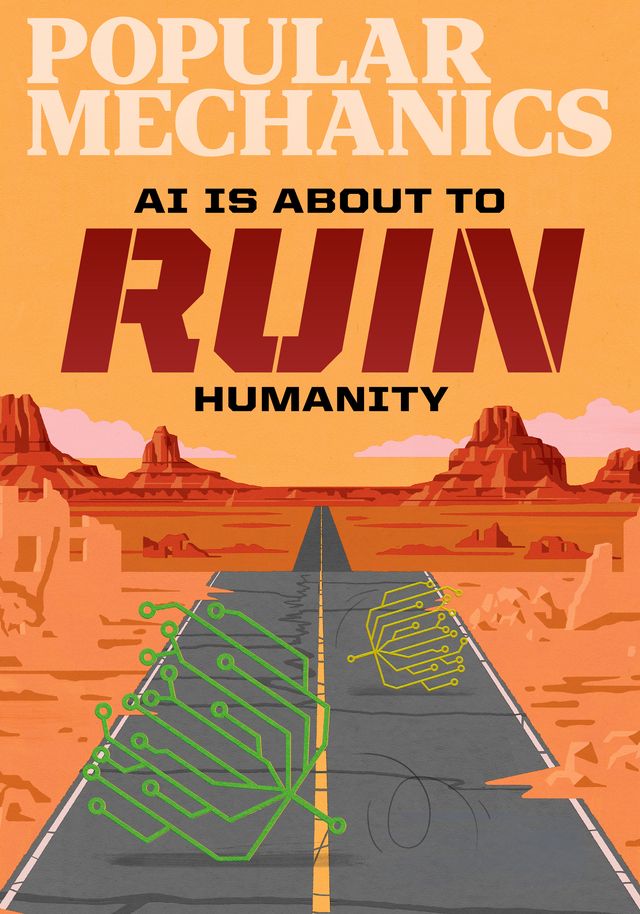
April/May 2023
This issue is optimized for mobile/tablet viewing. It's also available on Apple News+.
Featuring:
➡ AI Is on the Cusp of Taking Control—This Is How It May All Go Wrong
➡ There’s No Weapon Russia Fears More Than the HIMARS Rocket Launcher
➡The Nuclear-Submarine Arms Race Is Getting Intense, and the U.S. Just Took a Massive Leap Forward
➡ Iran Is Becoming a Drone Superpower—By Stealing American Technology
February/March 2023
This issue is optimized for mobile/tablet viewing. It's also available on Apple News+.
Featuring:
➡ The Greatest Treasure Hunt in American History Ended—and Then Things Got Weird
➡ These Are the High-Powered Weapons Ukraine Needs to Send Russia Running
➡ The Secret War to Take Out Iran’s Fleet of F-14 Jets
➡ Russia Is Trying to Intimidate the U.S. with Hypersonic Missiles and Big, Scary Nukes—And It's More Than a Threat

December 2022/January 2023
This issue is optimized for mobile/tablet viewing. It's also available on Apple News+.
Featuring:
➡ Is Death Real?
➡ China and Russia Are Dominating the Hypersonic Arms Race—And It’s Not Even Close
➡ When the South Fork Dam Broke, a Pennsylvania City Washed Away. Which Town Is Next?
➡ The Navy’s New $13 Billion Aircraft Carrier Is Already Obsolete. This Weapon Can Save It.
October/November 2022
This issue is optimized for mobile/tablet viewing. It's also available on Apple News+.
Featuring:
➡ Can America's M1 Abrams Still Compete With China's and Russia's Latest Battle Tanks?
➡ Inside the Final Minutes of the Concorde Disaster—and How It Doomed Supersonic Travel for Decades
➡ How the Massive Cargo Ship Felicity Ace Sank, Taking $400 Million Worth of Exotic Supercars With It
➡ I Turned My Old Gas-Guzzler Into a Zippy EV for $15,000
August/September 2022
This issue is optimized for mobile/tablet viewing. It's also available on Apple News+.
Featuring:
➡ Cosmic Secrets of the 17 Most Powerful Mega-Telescopes on Earth—and Beyond
➡ Can the Air Force's Secret, Hypersonic Jet Reclaim the Skies From Russia and China?
➡ For 50 Years, the Zodiac Killer's 340 Cipher Stumped the FBI—Then Three Amateurs Cracked the Code
➡ America's Most Fearsome Howitzer Has Entered the War in Ukraine

June/July 2022
This issue is optimized for mobile/tablet viewing. It's also available on Apple News+.
Featuring:
➡ Every Single Drone Fighting in the Skies Over Ukraine
➡ How to Buy a New Car in 2022 Without Getting Fleeced
➡ This Megastructure Could Keep Us Alive Forever
➡ The Race to Revolutionize EV Batteries
Stav Dimitropoulos is a Gold and Community Anthem Award–winning journalist, and writes about consciousness, science, and culture for Popular Mechanics, Nature, and the BBC. Her work often explores mind-stretching angles where science meets philosophy. Her debut nonfiction book, Slow, Lazy, Gluttons (Greystone Books, 2026) asks: What if the traits society shames — laziness, darkness, nostalgia, and more — are actually survival superpowers?
此内容由惯性聚合(RSS阅读器)自动聚合整理,仅供阅读参考。 原文来自 — 版权归原作者所有。