






During the 1960s, the United States prepared to fend off nuclear missile attacks from the Soviet Union—unaware that the gravest threat was not looming across the globe, but outside of Earth’s atmosphere. In April 1962, months before the Cuban Missile Crisis began, Soviet scientists had enacted a dangerous plan to send nuclear weapons into space. This Fractional Orbital Bombardment System, or FOBS, could propel nuclear warheads at the U.S. from low partial orbits and unexpected directions, boasting nearly unlimited range and reach. This groundbreaking weapon opened frightening new doors for nuclear warfare.
The Soviets made other technological advancements during the Cold War that ultimately halted their version of FOBS. Decades later, the missile system’s specter is back to haunt the United States. Now, China is actively testing its own FOBS for military use. So just how powerful are these weapons—and should we be concerned about a growing nuclear threat from space?
Military masterminds conceived FOBS as a stealth weapon from its earliest origin. In an age when both major powers in the Cold War hoped to frighten each other by showcasing massive long-range intercontinental ballistic missiles that could devastate cities located entire oceans away, FOBS was less visible—and more ominous. The FOBS space weapon was capable of flying only a fraction of an orbit around Earth before dropping a thermonuclear payload on an unsuspecting target.
Attempts at diplomacy did nothing to halt the development of FOBS. The U.S., Great Britain, and the Soviet Union signed the 1963 Limited Test Ban Treaty—a collective promise not to fire or test nuclear weapons underwater, in space, or within Earth’s atmosphere. The Outer Space Treaty followed in 1967. It stipulates quite plainly that nations “shall not place nuclear weapons or other weapons of mass destruction in orbit or on celestial bodies or station them in outer space in any other manner.”
Soviet citizens, seeing strange lights moving across the sky, became convinced that aliens from outer space were going to land among us.
The Soviets designed FOBS not only to skirt the limits of joint arms control treaties that sought to impose equality with the U.S. but to strike targets in the U.S. without warning. The system could also evade the U.S.’s early warning systems’ detection, then aimed north to shoot down any Soviet missiles coming from Russia.
The Soviets had been testing their FOBS, dubbed R-36Orb, throughout 1967 and had no intention of stopping. They tested with such frequent gusto that Soviet citizens, seeing strange lights moving across the sky, became convinced that aliens from outer space were going to land among us. While Soviet citizens panicked about aliens, American officials became suspicious that the cause of the light was actually terrestrial and coming from inside the Soviet Union itself. The Pentagon decided to formally clear the air by openly pulling back the curtain on FOBS in a press release on November 3, 1967, and discussing the matter on Capitol Hill. The aura of wizardry was over and drama over a new nuclear scare set in.
While the Johnson administration hoped to quell panic by convincing the American public that the Soviets didn’t intend to violate a commitment to no nukes in space, the Soviets flung FOBS into space for an official test in 1968. Carrying a large, menacing missile, the launcher made a brief, terrifying appearance before quietly vanishing with no damage done. Theoretically, this was only a nuclear-capable missile—or a vehicle that could be equipped with a nuclear weapon—rather than a straightforward nuclear warhead. Likewise, the missile wasn’t completely orbiting the planet because FOBS was designed to drop out of orbit quickly.
The Soviet test was the equivalent of going out on a surfboard at a beach marked by a large sign saying, “No Swimming,” a loophole that toed the line of rule-breaking. It was provocative, and the implicit threat to the United States was clear. Nevertheless, the U.S. decided to ignore the provocation—at least on paper.
American engineers spent the next phase of the Cold War learning how to nip the FOBS problem in the bud by developing new defense technology. They expanded the existing U.S. early warning system and learned to detect when FOBS launched, thus snuffing out their signature element of surprise.
But like any notorious superweapon, FOBS is now back from the dead.
China has combined the Soviet FOBS concept with hypersonic glide vehicles, which fly at low altitudes at over five times the speed of sound to dodge defense systems and release powerful missiles. This deadly combination raises the possibility that China could launch nuclear weapons from low-altitude orbit and across relatively short distances at targets worldwide.
China has developed its own FOBS called the Long March, named after the historic 6,000-mile retreat of Chinese Communist forces in 1934 that resulted in Mao Zedong’s ascent to power. This system uses hypersonic technology to orbit and deorbit quickly from space. “This could provide China with a space-based global strike capability and further reduce the amount of target warning time prior to a strike,” according to an August 2025 congressional report.
“China’s threat to do this requires a response,” says Gen. Kevin “Chili” Chilton in an October 2025 podcast from the Mitchell Institute for Aerospace Studies, an independent research organization based in Arlington, Virginia. Chilton is a retired member of the U.S. Air Force and former commander of U.S. Strategic Command.
Speaking about China’s FOBS capabilities in space, Chilton says on the podcast that “our current posture could be an unworn attack” and stressed that Americans “need to be in a position to know when [China puts] one in orbit.” We also must be able to track, warn for, and defend against any FOBS, he warns—a sentiment similar to the American attitude during Cold War FOBS development.
“It’s a very dangerous weapon and very dangerous approach, but there are things that can be done to address it,” Chilton continues.
By contrast, Bleddyn Bowen, PhD, and Cameron Hunter, PhD—scholars at University of Durham and University of Copenhagen, respectively—argue that China’s FOBS is “no game changer.” In a 2024 report, they claim that, “Unlike the Soviet Union in the 1960s, China has little to no chance of launching a complete surprise nuclear attack on the United States,” contending that the U.S. possesses a supreme early warning system that would allow it to detect threats in advance.
While China’s military may hope to gain a strategic edge by adopting the system, this could easily backfire if the U.S. bolsters its own arsenal to counteract the move, the two scholars add. “In the long run, the Chinese officials that made this decision may come to see it as a mistake if American leaders feel compelled to respond,” they write, calling for more openness.
While the U.S. might collectively wish for international openness and deescalation, China may have other plans.
“The main problem with the notion of strategic stability is that it assumes all sides want some type of balance or parity. There is no sign that Beijing is interested in balance—the People’s Republic of China wants economic and military dominance,” according to an October 2025 report by the Center for Strategic and International Studies (CSIS).
The Trump administration devised the Golden Dome for America project to shield the entire continental United States from aerial attacks by weaving all U.S. military air defense systems into a single, powerful network. It aims to create a vast web of sensors and missile interceptors to down any aerial threat flying toward the U.S., including everything from drones to hypersonic missiles. The Golden Dome has sparked much debate, with some critics arguing that it resembles past Cold War efforts while other analysts describe it as direly needed.
If the Golden Dome succeeds in strengthening U.S. missile defenses, it may provide a solid answer, not just a deterrent. While details of the project remain shielded from public view, the Golden Dome “would give the United States an edge and help protect it from increasing missile threats,” according to CSIS. “It might deter China or Russia from taking some hostile act against the United States or its allies, possibly preventing war.”
The Golden Dome seems like a “heartening sign,” according to Maj. Brian D. Green of the U.S. Army—chief of Space and Operations Law at STARCOM, a field command tasked with training military forces in space warfare. “If such a system is fielded and operates as intended, it could potentially interdict a FOBS-type threat in the pre-launch, boost, or terminal phases,” he writes.
What success the project may offer remains to be seen. While it sometimes appears that the Cold War is long in the past, its phantoms are still returning in the form of reimagined versions of stealthy and devastating nuclear weapons. To counteract them, the U.S. will need to develop new solutions to persistent old problems—at a rapid pace to maintain our narrowing strategic edge.

February / March 2026
This issue is optimized for mobile/tablet viewing. It's also available on Apple News+.
Featuring:
➡ Archaeologists Found a Skeleton Wearing a Silver Amulet. The Discovery Is Rewriting the History of Christianity.
➡ The Stray Dogs of Chernobyl Are Rapidly Mutating. Scientists Are Still Trying to Figure Out What It Means.
➡ New Evidence Could Upend What We Know About the Charles Lindbergh Baby Murder
➡ Police Found Mysterious Notes in a Dead Man's Pocket. They Turned Out to Be Codes That Not Even the FBI Can Break.

December 2025 / January 2026
This issue is optimized for mobile/tablet viewing. It's also available on Apple News+.
Featuring:
➡ An Angel of Death Preyed on Hospital Patients for Years.
➡ How America's Most Advanced Lab Brought the Killer to Justice.
➡ A 3,000-Ton Locomotive Was Loose, Unstoppable, and Filled With Toxic Cargo
➡ An Underwater Cave Promised Adventure and Glory. No One Expected It to Become a Tomb.
➡ Your Consciousness Can Predict the Future, Some Scientists Say

October / November 2025
This issue is optimized for mobile/tablet viewing. It's also available on Apple News+.
Featuring:
➡ Inside the Secret Island Where Death Is Optional
➡ A Legendary Ship Sank Without Warning. Fifty Years Later, Science Could Finally Solve the Mystery of the Edmund Fitzgerald.
➡ This Tech Rebel Threw Away $900 Million in a Municipal Dump. Can Robots Find His Lost Fortune?
➡ Sex Workers, LSD, and Mind Control: What Happened in the CIA's Lab of Nightmares at 225 Chestnut Street

August / September 2025
This issue is optimized for mobile/tablet viewing. It's also available on Apple News+.
Featuring:
➡ The Worst Air Disaster in American History Happened in Broad Daylight. Will More Mistakes Keep Happening?
➡ NASA Has a Plan to Save Earth from Planet-Destroying Asteroids. It Sounds Even Wilder than Science Fiction.
➡ A Naval Officer Says Underwater UFOs Are Legitimate Threats. The Evidence Is Hard to Ignore.
➡ When You Die, a Psychedelic Molecule Shapes Your Final Moments of Consciousness, a New Theory Reveals.

June/July 2025
This issue is optimized for mobile/tablet viewing. It's also available on Apple News+.
Featuring:
➡ This Undersea Explorer Found America's Greatest Sunken Treasure. Then Things Got Really Weird.
➡ Is Bigfoot Hiding in the Swamps of Florida? This Group Says It Has Proof.
➡ Scientists May Have Gotten the Global-Warming Timeline Seriously Wrong.
➡ A Third State Now Exists Between Life and Death, Some Scientists Now Believe

April/May 2025
This issue is optimized for mobile/tablet viewing. It's also available on Apple News+.
Featuring:
➡ Scientists Successfully Revive a Dead Brain, Redefining the Boundary Between Life and Death
➡ Fingerprints Keep Leading to Wrongful Convictions. Why Do Courts Still Rely on Them?
➡ For 80 Years, the North Sea Held a Deadly Killer. Now Scientists Are Racing to Defuse the Threat.
➡ They Built the Quietest Room in the World. Why Is Everyone So Afraid to Step Inside It?

February/March 2025
This issue is optimized for mobile/tablet viewing. It's also available on Apple News+.
Featuring:
➡ This Guy Says He Knows the Truth About UFOs. Should We Believe Him?
➡ Scientists Are Now One Step Away From Solving Nuclear Fusion—And Unlocking Unlimited Energy.
➡ A Million-Dollar Heist Rocked the Art World— Then Amateur Sleuths Cracked the Case
➡ A New Era of Missile Warfare Has Begun—and the U.S. Isn’t Ready

December/January 2025
This issue is optimized for mobile/tablet viewing.
It's also available on Apple News+.
Featuring:
➡ A Clue Hidden in a 400-Year-Old Map Might Have Just Solved One of America's Greatest Mysteries
➡ Inside the Deranged Plot to Smuggle Cocaine With an Armed Soviet-Era Submarine
➡ This Brilliant Engineer Helped Build the B2 Bomber—Then He Sold America's Stealth Secrets to China
➡ Your Consciousness Can Connect With the Whole Universe

October/November 2024
This issue is optimized for mobile/tablet viewing.
It's also available on Apple News+.
Featuring:
➡Untold Secrets Reveal How the Castle Bravo Test Became America’s Worst Nuclear Disaster
➡ This Body Was Found Preserved on a Block of Ice in a Colorado Shed. It Had Been There for 30 Years.
➡ It Was Supposed to Be America's Greatest Victory in Space—Then It Became NASA’s Worst Nightmare
➡ The Sidewinder Missile Ruled the Air—Then the Soviets Stole the Design

August/September 2024
This issue is optimized for mobile/tablet viewing. It's also available on Apple News+.
Featuring:
➡This Man Knows the Truth About Amelia Earhart. Why Doesn't Anyone Believe Him?
➡ The Army's Machine Gun Is No Match for Cheap Chinese Body Armor. So It's Making a New One.
➡ Russia Built a Stunning Rival to the Supersonic Concorde—and Then It Fell From the Sky
➡ A Navy Admiral Says Underwater UFOs Are a Threat—and the Pentagon is Withholding Secrets
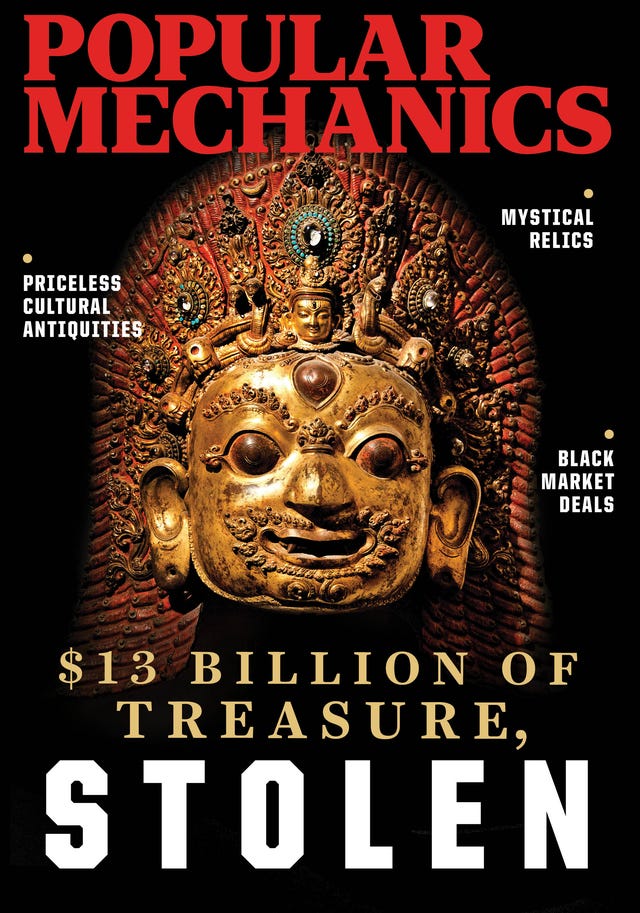
June / July 2024
This issue is optimized for mobile/tablet viewing. It's also available on Apple News+.
Featuring:
➡4 Black Eggs Have Surfaced From the Depths of the Ocean— and the Mysterious Creatures Inside Are Baffling Science
➡ A $2 Million Treasure Appeared in a Kentucky Cornfield. No One Knows Where It Came From.
➡ A Million-Dollar Heist Rocked the Art World— Then Amateur Sleuths Cracked the Case
➡ A New Era of Missile Warfare Has Begun—and the U.S. Isn’t Ready

April May / 2024
This issue is optimized for mobile/tablet viewing. It's also available on Apple News+.
Featuring:
➡The Man Who Knows Too Much About Area 51
➡ How the FBI Took Down the Internet's Most Dangerous Website
➡ A Staggering New Clue Emerges in the D.B. Cooper Hijacking Mystery
➡ The Wildest Prison Break in U.S. History
➡ The Secret to a Perfect Lawn Lies in One of These 10 Electric Lawnmowers

February / March 2024
This issue is optimized for mobile/tablet viewing. It's also available on Apple News+.
Featuring:
➡The Incredible Mystery of NASA’s Missing Moondust
➡ Inside the Final Fiery Minutes of the East Palestine Train Wreck
➡ Scientists Believe They’ve Unlocked Consciousness—and It Connects to the Entire Universe
➡ Why This Unstoppable Stealth Bomber Will Rule the Skies
➡ America Is Developing a New Nuclear Bomb—But Can’t Test Whether It Works
➡ The 8 Best, Expert-Recommended Solar-Powered Generators
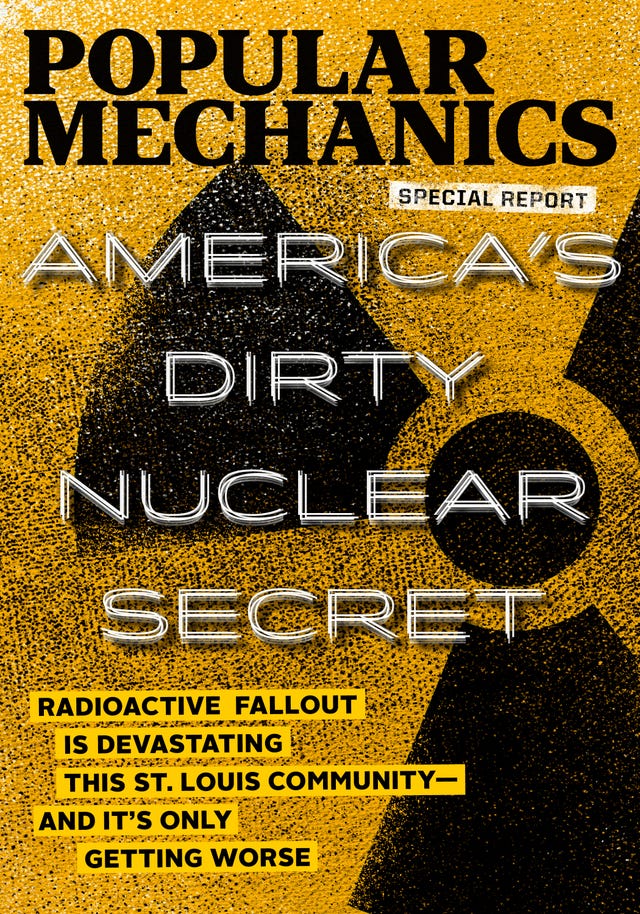
Special Issue: Nukes
➡ How Deadly Nuclear Waste Is Menacing This St. Louis Neighborhood
➡ The Terrifying History of Russia's Nuclear Submarine Graveyard
➡ Strange Mutations in Stray Dogs Near Chernobyl Suggest They Are Rapidly Evolving
➡ America Dumped 56 Million Gallons of Radioactive Material Along the Columbia River—Then It Started to Leak

December 2023 / January 2024
This issue is optimized for mobile/tablet viewing. It's also available on Apple News+.
Featuring:
➡ A New Clue In Amelia Earhart's Disappearance Emerges From the Ocean
➡ How an Alleged Water Bandit Stole $25 Million in Water from Thirsty California Farms
➡ A Coal Mine Exploded and 300 Miners Died. What Went Wrong?
➡ China Just Built a Terrifying New Aircraft Carrier and May Soon Dominate the Seas

October / November 2023
This issue is optimized for mobile/tablet viewing. It's also available on Apple News+.
Featuring:
➡ How Rats Took Over Our Cities—And Why We Can't Stop Them
➡ This Language Is on the Verge of Extinction. Can It Be Saved?
➡ America's Deadliest Warplane Returns in a New Doomsday Role
➡ This Amateur Diving Group Kept Solving Cold Cases. Then Its Own Skeletons Surfaced.
➡ The Scientific Breakthrough That Could Put an End to Gray Hair.

August/September 2023
This issue is optimized for mobile/tablet viewing. It's also available on Apple News+.
Featuring:
➡ Immortality Is in Reach. But It’s Not What We Imagined.
➡ Your Next iPhone (and Nuclear Subs) Will Be Powered By Space Metal
➡Scientists Now Think We Can Build a Warp Drive
➡ China and Russia Have Cracked the Stealth Code. Can the U.S. Regain Air Dominance?

June/July 2023
This issue is optimized for mobile/tablet viewing. It's also available on Apple News+.
Featuring:
➡ The CIA’s Secret Plan to Build a Laser Beam Powered by the Human Mind
➡ The 747 Ruled the Skies—Then One Slammed Into a Mountain
➡The Race to Contain AI Before Singularity
➡ These Florida Homes Aren’t Just Hurricane-Proof—They’re Blueprints for the Future

April/May 2023
This issue is optimized for mobile/tablet viewing. It's also available on Apple News+.
Featuring:
➡ AI Is on the Cusp of Taking Control—This Is How It May All Go Wrong
➡ There’s No Weapon Russia Fears More Than the HIMARS Rocket Launcher
➡The Nuclear-Submarine Arms Race Is Getting Intense, and the U.S. Just Took a Massive Leap Forward
➡ Iran Is Becoming a Drone Superpower—By Stealing American Technology
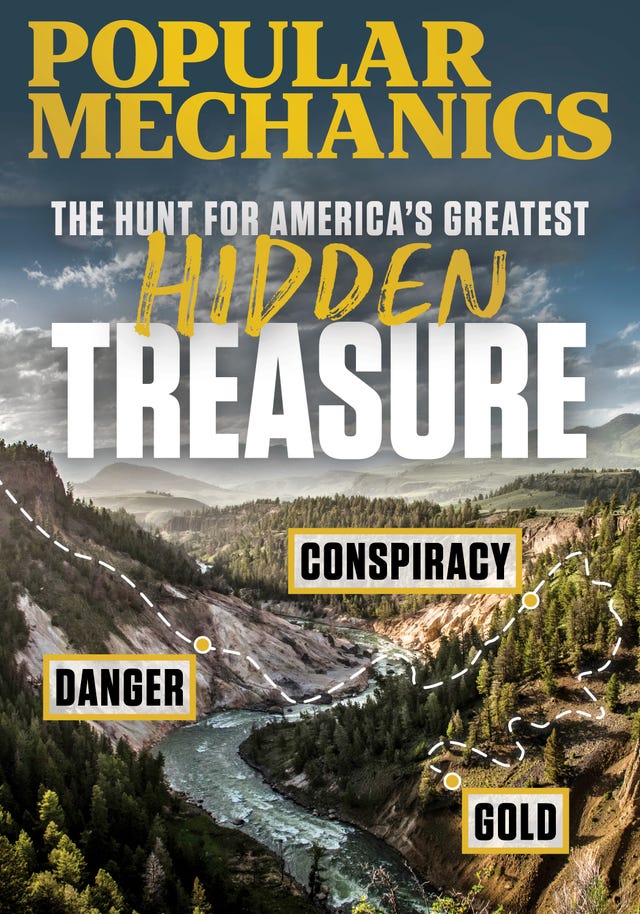
February/March 2023
This issue is optimized for mobile/tablet viewing. It's also available on Apple News+.
Featuring:
➡ The Greatest Treasure Hunt in American History Ended—and Then Things Got Weird
➡ These Are the High-Powered Weapons Ukraine Needs to Send Russia Running
➡ The Secret War to Take Out Iran’s Fleet of F-14 Jets
➡ Russia Is Trying to Intimidate the U.S. with Hypersonic Missiles and Big, Scary Nukes—And It's More Than a Threat

December 2022/January 2023
This issue is optimized for mobile/tablet viewing. It's also available on Apple News+.
Featuring:
➡ Is Death Real?
➡ China and Russia Are Dominating the Hypersonic Arms Race—And It’s Not Even Close
➡ When the South Fork Dam Broke, a Pennsylvania City Washed Away. Which Town Is Next?
➡ The Navy’s New $13 Billion Aircraft Carrier Is Already Obsolete. This Weapon Can Save It.
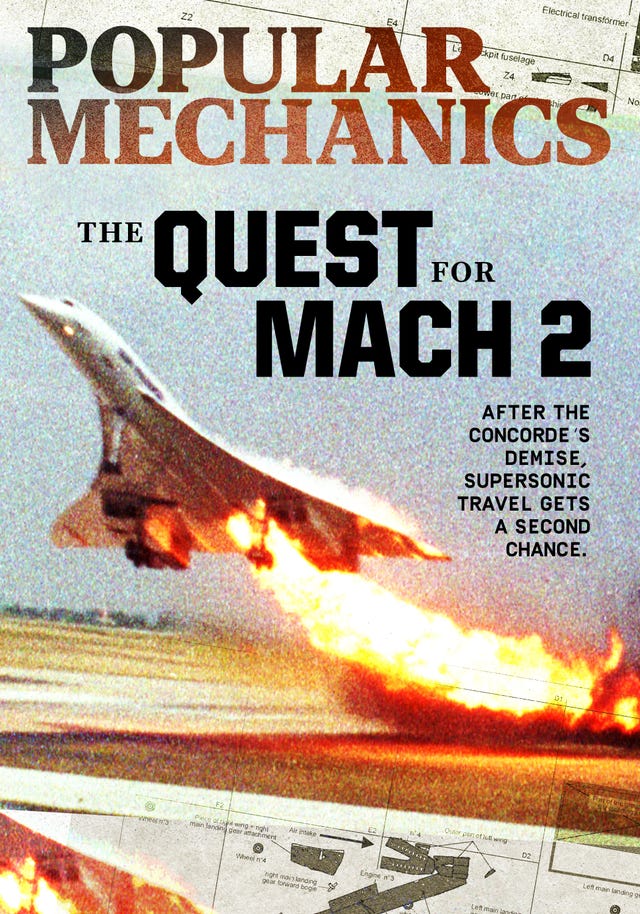
October/November 2022
This issue is optimized for mobile/tablet viewing. It's also available on Apple News+.
Featuring:
➡ Can America's M1 Abrams Still Compete With China's and Russia's Latest Battle Tanks?
➡ Inside the Final Minutes of the Concorde Disaster—and How It Doomed Supersonic Travel for Decades
➡ How the Massive Cargo Ship Felicity Ace Sank, Taking $400 Million Worth of Exotic Supercars With It
➡ I Turned My Old Gas-Guzzler Into a Zippy EV for $15,000

August/September 2022
This issue is optimized for mobile/tablet viewing. It's also available on Apple News+.
Featuring:
➡ Cosmic Secrets of the 17 Most Powerful Mega-Telescopes on Earth—and Beyond
➡ Can the Air Force's Secret, Hypersonic Jet Reclaim the Skies From Russia and China?
➡ For 50 Years, the Zodiac Killer's 340 Cipher Stumped the FBI—Then Three Amateurs Cracked the Code
➡ America's Most Fearsome Howitzer Has Entered the War in Ukraine

June/July 2022
This issue is optimized for mobile/tablet viewing. It's also available on Apple News+.
Featuring:
➡ Every Single Drone Fighting in the Skies Over Ukraine
➡ How to Buy a New Car in 2022 Without Getting Fleeced
➡ This Megastructure Could Keep Us Alive Forever
➡ The Race to Revolutionize EV Batteries
Zita Ballinger Fletcher is an award-winning author, defense journalist, and military historian. She enjoys writing on military leaders, tactics, and autonomous systems technology. Her work can be found in Forbes, Military Times, Defense News, Army Times, and numerous other publications. Follow her articles on LinkedIn.
此内容由惯性聚合(RSS阅读器)自动聚合整理,仅供阅读参考。 原文来自 — 版权归原作者所有。