









- DESCRIPTION
- TABLE OF CONTENTS
- METHODOLOGY
- DOWNLOAD PDF
Next Generation Drug Conjugates Market by Product (Enhertu, Amvuttra), Type (Antibody-Small Molecule), Target Ligand (Antibody, Peptide), Payload Type (Oligonucleotide, Radionuclide), Indication (Breast Cancer, Prostate Cancer) - Global Forecast to 2035

USD 42.55 BN
MARKET SIZE, 2035

CAGR 11.7%
(2026-2035)

270
REPORT PAGES

260
MARKET TABLES
NEXT GENERATION DRUG CONJUGATES MARKET SIZE, SHARE & GROWTH SNAPSHOT
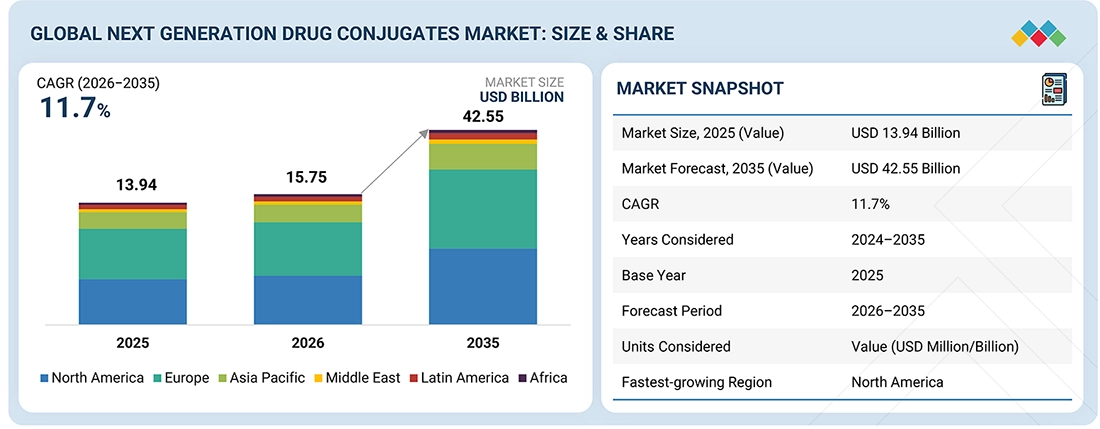
Source: Secondary Research, Interviews with Experts, MarketsandMarkets Analysis
The global next generation drug conjugates market is projected to grow from USD 15.75 billion in 2026 to USD 42.55 billion by 2035, at a CAGR of 11.7% during the forecast period. The market was valued at USD 13.94 billion in 2025. Next generation drug conjugates are delivery systems that are biologically or chemically engineered targeting moieties (e.g., antibody, peptide, small molecules, oligonucleotides), a drug (e.g., cytotoxic, radionuclide, nucleic acid), a linker, and conjugation technologies that distinguish next generation conjugates from earlier generations.
KEY TAKEAWAYS
-
BY REGION
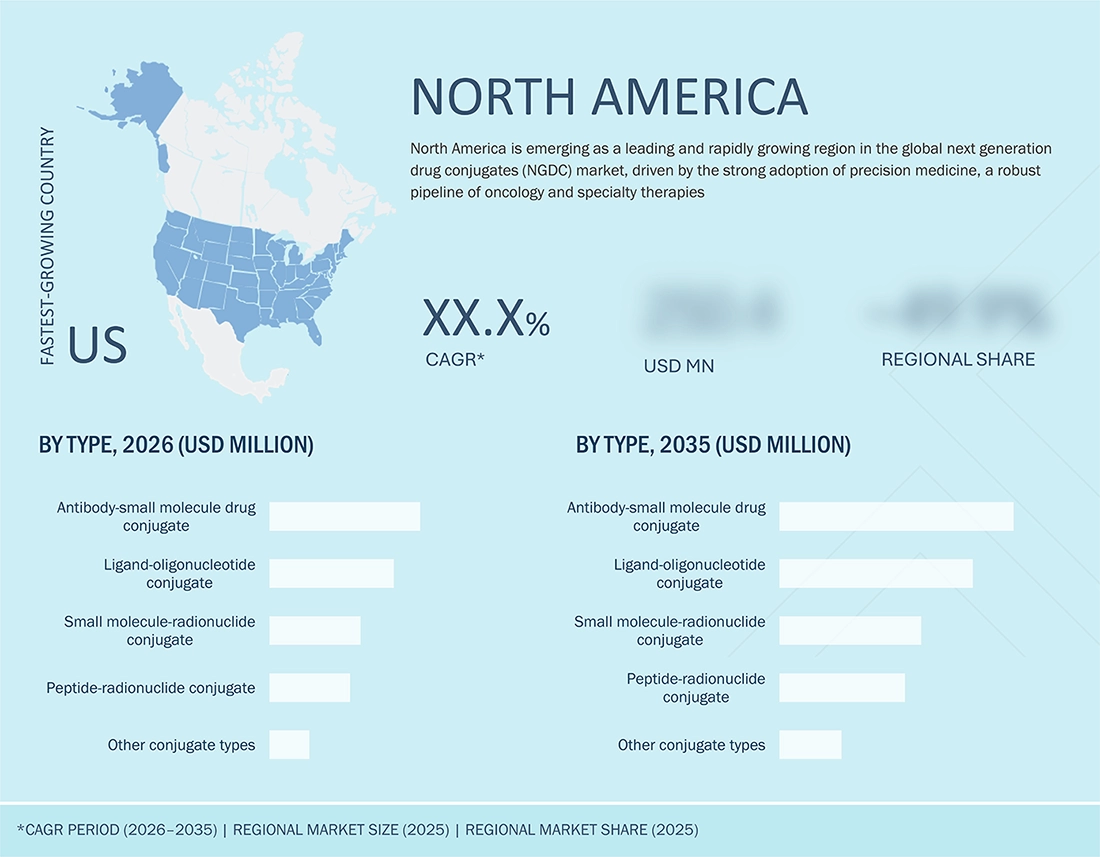
North America is projected to be the fastest-growing regional segment at a CAGR of 13.2% during the forecast period.
-
BY TYPE
By type, the peptide-radionuclide conjugate is projected to witness the highest CAGR of 14.6% between 2026 and 2035.
-
BY Indication
By indication, breast cancer is expected to dominate the global next generation drug conjugates market in 2025 with a share of 45.9%.
-
COMPETITIVE LANDSCAPE - Key Players
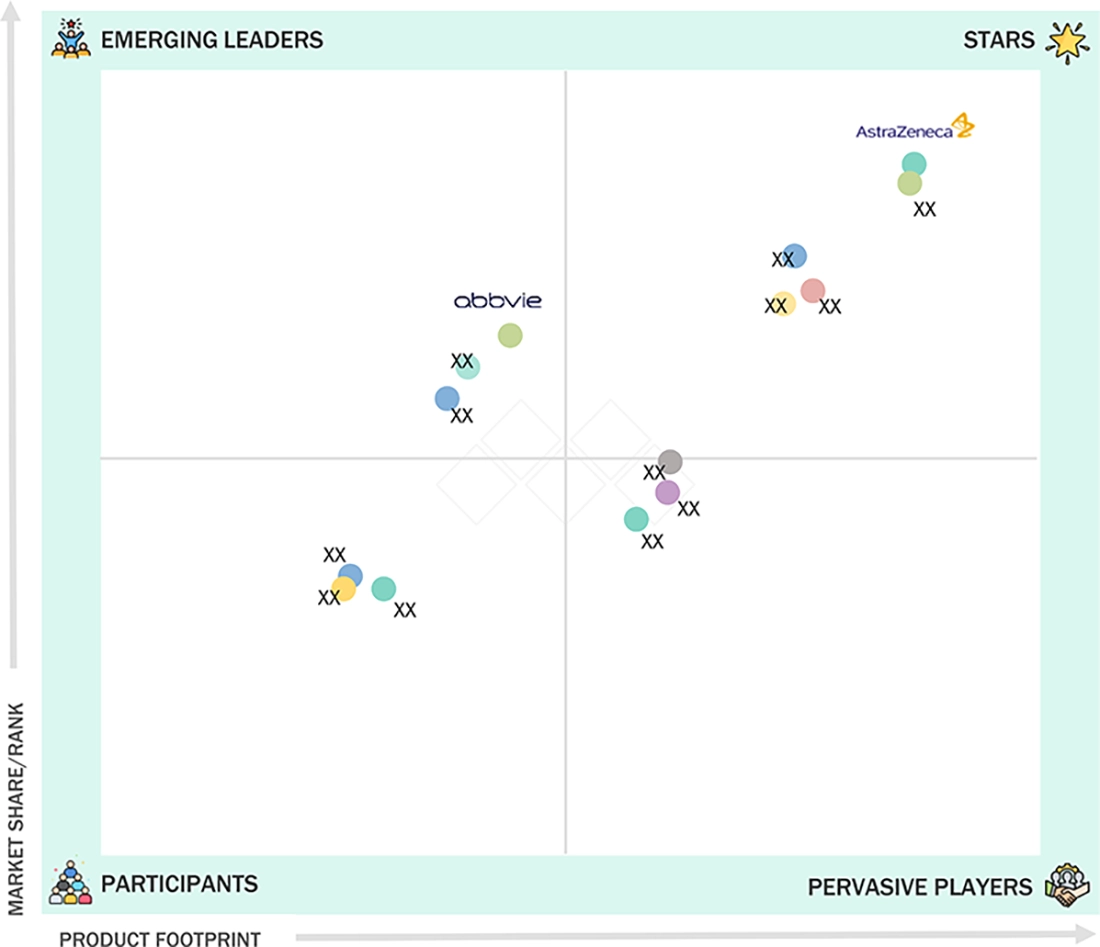
AstraZeneca, Daiichi Sankyo, and Novartis were identified as some of the star players in the global next generation drug conjugates market, given their strong market share and product footprint.
-
COMPETITIVE LANDSCAPE - Startups
Avidity Biosciences and Bicycle Therapeutics have distinguished themselves among startups and SMEs by securing strong footholds in specialized niche areas, underscoring their potential as emerging market leaders.
The global next generation drug conjugates (NGDC) market is expanding rapidly, driven by the rising adoption of precision medicine frameworks and the increasing use of biomarker-guided diagnostics across oncology and other complex disease indications.
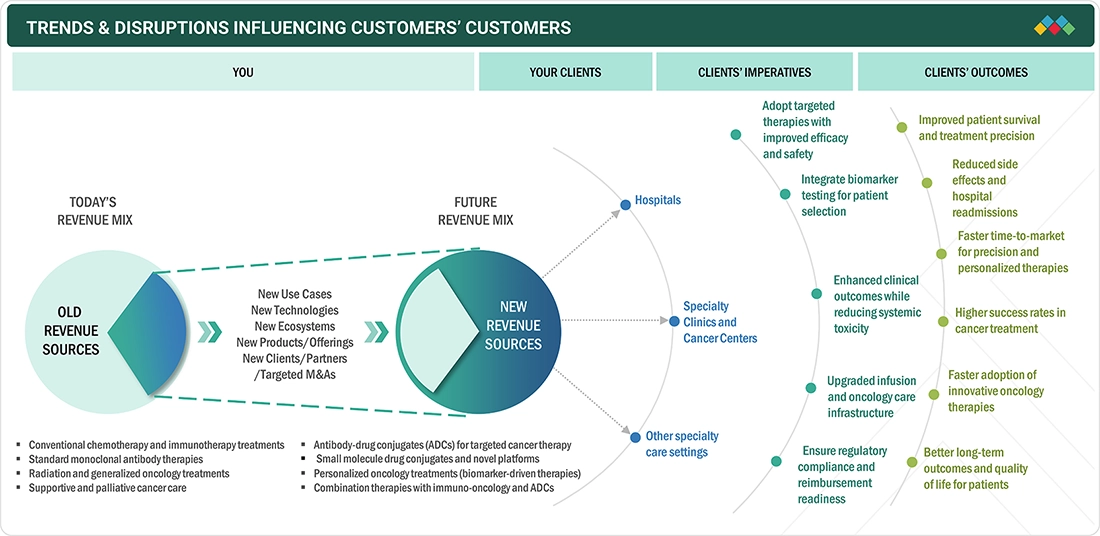
TRENDS & DISRUPTIONS IMPACTING CUSTOMERS' CUSTOMERS
The next generation drug conjugates (NGDC) market is advancing rapidly, driven by innovations in targeting ligands, linker technologies, and payload engineering aligned with precision medicine and targeted biologic therapies. The rising global prevalence of cancer and complex chronic diseases is accelerating demand for highly selective, low-toxicity treatments. Expanding pipelines of antibody-drug conjugates (ADCs), peptide-drug conjugates (PDCs), and other ligand-based platforms are enabling precise delivery of potent therapeutics. Clinically validated, scalable technologies such as site-specific conjugation and advanced linkers are gaining traction, supporting improved outcomes, personalized treatment approaches, and alignment with evolving regulatory and payer expectations across major healthcare markets.
Source: Secondary Research, Interviews with Experts, MarketsandMarkets Analysis
MARKET DYNAMICS

Drivers
Impact
Level
-
Increasing clinical success and regulatory approvals of antibody-drug conjugates

-
Technological advancements in linker chemistry and payload development


RESTRAINTS
Impact
Level
-
High development and manufacturing costs associated with complex biologics


OPPORTUNITIES
Impact
Level
-
Expansion of drug conjugates into non-oncology therapeutic areas

-
Increasing developments of novel conjugate platforms


CHALLENGES
Impact
Level
-
Complex clinical trial design and patient selection requirements

Source: Secondary Research, Interviews with Experts, MarketsandMarkets Analysis
Increasing clinical success and regulatory approvals of antibody-drug conjugates are key drivers for the NGDC market, validating targeted delivery approaches, improving therapeutic outcomes, and encouraging investment in advanced conjugation technologies, thereby accelerating pipeline expansion and broader adoption across oncology and other disease indications.
High development and manufacturing costs associated with complex biologics act as a restraint, limiting accessibility and scalability, increasing pricing pressures, and posing challenges for smaller players in advancing and commercializing next generation conjugate therapies.
Expansion of drug conjugates into non-oncology therapeutic areas presents a significant opportunity for the NGDC market, enabling broader clinical applications in cardiovascular, neurological, and autoimmune diseases, while driving innovation in targeted delivery platforms and diversifying revenue streams beyond oncology-focused treatments.
Complex clinical trial design and stringent patient selection requirements pose a challenge, as biomarker-driven stratification, smaller target populations, and intricate protocols increase development timelines, operational costs, and regulatory complexity, potentially slowing overall product commercialization.
NEXT GENERATION DRUG CONJUGATES (NDCS) MARKET: COMMERCIAL USE CASES ACROSS INDUSTRIES
| COMPANY | USE CASE DESCRIPTION | BENEFITS |
|---|---|---|
|
|
Utilizes its DXd (deruxtecan-based) payload platform in next generation ADCs such as HER2-targeting therapies for breast and gastric cancers | Provides enhanced potency and tumor penetration with improved response rates, addressing resistant and heterogeneous tumor profiles |
|
|
Develops pyrrolobenzodiazepine (PBD)-based ADCs targeting hematologic malignancies and expanding into solid tumor indications | Delivers ultra-potent payloads that enable effective treatment of aggressive and refractory cancers, improving patient outcomes in niche oncology segments |


Logos and trademarks shown above are the property of their respective owners. Their use here is for informational and illustrative purposes only.
MARKET ECOSYSTEM
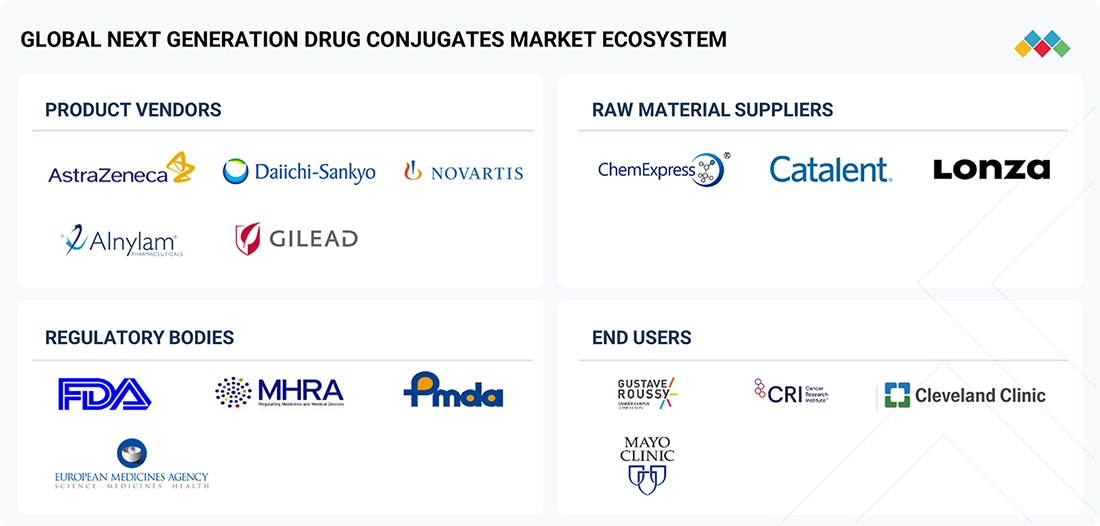
The global next generation drug conjugates (NGDC) market is a highly interconnected ecosystem where biopharmaceutical companies, biotechnology firms and research institutions collaborate to develop targeted therapeutic solutions. Drug developers, along with specialized technology providers, enable advanced conjugation platforms integrating antibodies, peptides, and other targeting ligands with potent payloads. Contract research organizations (CROs) and contract development and manufacturing organizations (CDMOs) support preclinical development, clinical trials, and commercialization of NGDCs. Regulatory bodies, healthcare systems, and reimbursement frameworks across regions such as North America and Europe facilitate the translation of clinical advancements into precision medicine, enabling broader adoption of targeted conjugate therapies.
Logos and trademarks shown above are the property of their respective owners. Their use here is for informational and illustrative purposes only.
MARKET SEGMENTS
Source: Secondary Research, Interviews with Experts, MarketsandMarkets Analysis
In 2025, Enhertu dominated the next generation drug conjugates market due to its strong clinical efficacy, expanding global approvals, and rapid adoption across HER2-targeted cancers. Its widespread use in breast cancer and growing indications in lung and gastric cancers have significantly contributed to its leadership.
In 2025, antibody–small molecule drug conjugates accounted for the largest share of the market, driven by their ability to combine monoclonal antibody specificity with highly potent cytotoxic payloads. This structure enables precise tumor targeting while minimizing systemic toxicity, making them the most commercially successful and clinically advanced class within next generation drug conjugates.
In 2025, antibody-based targeting ligands held the dominant share in the next generation drug conjugates market due to their high specificity toward tumor-associated antigens such as HER2. Their ability to selectively bind cancer cells and deliver payloads efficiently has positioned antibodies as the preferred targeting mechanism in most approved and pipeline ADCs
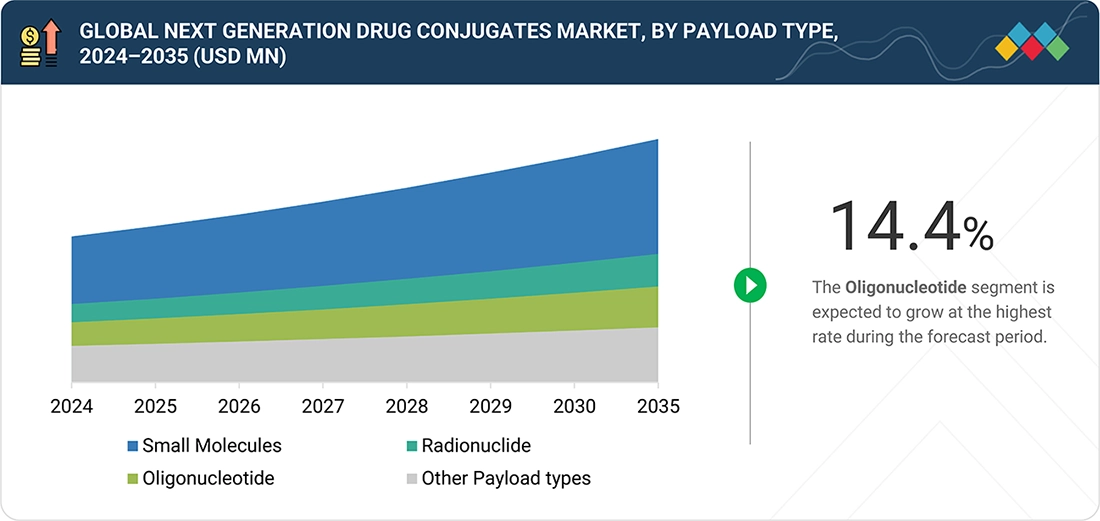
In 2025, small molecule payloads dominated the market, owing to their high cytotoxic potency and effectiveness in killing cancer cells upon internalization. Payloads such as topoisomerase inhibitors and microtubule inhibitors are widely used in ADCs, enabling strong anti-tumor activity even at low doses while maintaining controlled toxicity profiles
In 2025, breast cancer accounted for the largest share of the next generation drug conjugates market, primarily due to the high prevalence of the disease and the strong clinical success of HER2-targeted ADCs such as Enhertu. Continuous advancements in targeted therapies and expanding treatment eligibility for HER2-low populations have further reinforced breast cancer as the leading indication segment.
REGION
North America to be fastest-growing region in market during forecast period
During the forecast period, North America is expected to emerge as a leading and fast-growing region in the global NGDC market, driven by its strong ecosystem of biopharmaceutical companies, advanced research institutions, and specialized oncology centers. A robust pipeline of antibody-drug conjugates and other targeted conjugates, coupled with significant investments in precision medicine, biomarker-driven trials, and regulatory support, continues to accelerate market growth across oncology and expanding therapeutic areas.
NEXT GENERATION DRUG CONJUGATES (NDCS) MARKET: COMPANY EVALUATION MATRIX
In the global next generation drug conjugates (NGDC) market, AstraZeneca is the star player, driven by its strong portfolio of approved antibody-drug conjugates and a robust pipeline leveraging advanced linker and payload technologies. The company continues to lead innovation in targeted oncology therapies through strategic collaborations and sustained R&D investments. AbbVie is an emerging leader, gaining momentum through its expanding conjugate-based pipeline and partnerships, particularly in oncology and immunology. Its focus on next generation conjugation platforms and targeted delivery systems positions it strongly to capture future growth opportunities in the evolving NGDC landscape.
Source: Secondary Research, Interviews with Experts, MarketsandMarkets Analysis
KEY MARKET PLAYERS
- AstraZeneca (UK)
- Daiichi Sankyo, Company Limited (Japan)
- Novartis AG (Switzerland)
- Alnylam Pharmaceuticals, Inc (US)
- Gilead Sciences, Inc (US)
- AbbVie, Inc. (US)
- Ionis Pharmaceuticals, Inc. (US)
- Sanofi (France)
MARKET SCOPE
| REPORT METRIC | DETAILS |
|---|---|
| Market Size, 2025 (Value) | USD 13.94 Billion |
| Market Forecast, 2035 (Value) | USD 42.55 Billion |
| Growth Rate | CAGR of 11.7 % from 2026–2035 |
| Years Considered | 2024–2035 |
| Base Year | 2025 |
| Forecast Period | 2026–2035 |
| Units Considered | Value (USD Million/Billion) |
| Report Coverage | Revenue forecast, company ranking, competitive landscape, growth factors, and trends |
| Segments Covered |
|
| Regions Covered | North America, Europe, Asia Pacific, Latin America, Middle East & Africa |
WHAT IS IN IT FOR YOU: NEXT GENERATION DRUG CONJUGATES (NDCS) MARKET REPORT CONTENT GUIDE
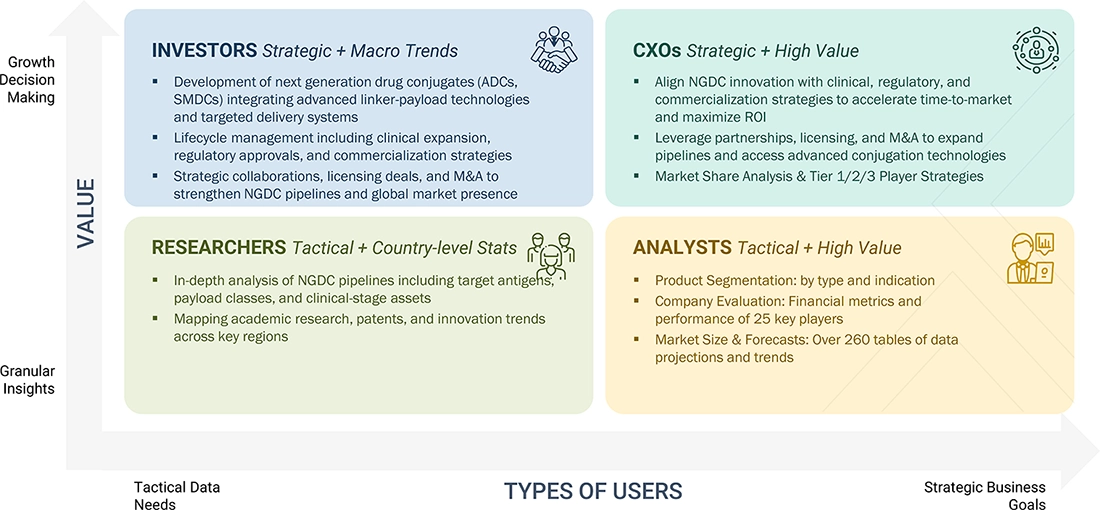
DELIVERED CUSTOMIZATIONS
We have successfully delivered the following deep-dive customizations:
| CLIENT REQUEST | CUSTOMIZATION DELIVERED | VALUE ADDS |
|---|---|---|
| Evaluating competitive positioning of NGDC pipelines | Analyzed pipelines of leading ADC and SMDC developers across clinical stages, target antigens, and payload innovations, benchmarking differentiation in efficacy, safety, and innovation focus | Support strategic decision-making by identifying whitespace opportunities, competitive gaps, and areas for pipeline expansion or licensing |
| Assessing high growth potential NGDC payloads | Supports strategic decision-making by identifying whitespace opportunities, competitive gaps, and areas for contract development and manufacturing service providers | Help evaluate key areas of entry in NGDC market for contract development and manufacturing service providers |
RECENT DEVELOPMENTS
- February 2025 : Alnylam collaborated with Regeneron to advance its RNAi therapeutic pipeline, including programs such as ALN-HTT02, targeting neurological and autoimmune diseases through RNA interference technologies.
- June 2025 : Gilead announced the acquisition of Interius BioTherapeutics to advance in-vivo cell therapy technologies aimed at improving targeted cancer treatment approaches and expanding its oncology innovation platforms.
Table of Contents
 Exclusive indicates content/data unique to MarketsandMarkets and not available with any competitors.
TITLE
PAGE NO
1
INTRODUCTION
15
2
EXECUTIVE SUMMARY
3
PREMIUM INSIGHTS
4
MARKET OVERVIEW
4.1
INTRODUCTION
4.2
MARKET DYNAMICS
4.2.1
DRIVERS
4.2.2
RESTRAINTS
4.2.3
OPPORTUNITIES
4.2.4
CHALLENGES
4.3
UNMET NEEDS AND WHITE SPACES
4.4
INTERCONNECTED MARKETS AND CROSS-SECTOR OPPORTUNITIES
4.5
STRATEGIC MOVES BY TIER-1/2/3 PLAYERS
5
INDUSTRY TRENDS
5.1
PORTER’S FIVE FORCES ANALYSIS
5.2
MACROECONOMIC OUTLOOK
5.2.1
INTRODUCTION
5.2.2
GDP TRENDS AND FORECAST
5.2.3
TRENDS IN GLOBAL NEXT GENERATION DRUG CONJUGATES MARKET
5.3
VALUE CHAIN ANALYSIS
5.4
ECOSYSTEM ANALYSIS
5.5
PRICING ANALYSIS
5.5.1
AVERAGE SELLING PRICE TREND OF KEY PLAYERS, BY PRODUCT, 2023–2025
5.5.2
AVERAGE SELLING PRICE TREND, BY REGION,
5.6
KEY CONFERENCES AND EVENTS, 2026–2027
5.7
TRENDS/DISRUPTIONS IMPACTING CUSTOMER BUSINESS
5.8
INVESTMENT AND FUNDING SCENARIO
5.8.1
VC/PRIVATE EQUITY INVESTMENT TRENDS & STARTUP LANDSCAPE
5.9
IMPACT OF 2025 US TARIFFS – GLOBAL NEXT GENERATION DRUG CONJUGATES MARKET
5.10.2
INTRODUCTION
5.10.2
KEY TARIFF RATES
5.10.3
PRICE IMPACT ANALYSIS
5.10.4
IMPACT ON REGIONS
5.12.4.1
NORTH AMERICA
5.12.4.2
EUROPE
5.12.4.3
ASIA PACIFIC
5.11.5
IMPACT ON END-USE INDUSTRIES
6
TECHNOLOGICAL ADVANCEMENTS, AI-DRIVEN IMPACT, INNOVATIONS, AND FUTURE APPLICATIONS
6.1
KEY EMERGING TECHNOLOGIES
6.1.1
NEW-GENERATION PAYLOAD CHEMISTRIES
6.1.2
RADIOLIGAND/THERANOSTIC CONJUGATE ENGINEERING
6.2
ADJACENT TECHNOLOGIES
6.2.1
PROTEIN ENGINEERING/ANTIBODY ENGINEERING
6.3
COMPLEMENTARY TECHNOLOGIES
6.3.1
DIAGNOSTIC IMAGING/THERANOSTICS WORKFLOWS
6.4
TECHNOLOGY/PRODUCT ROADMAP
6.5
FUTURE APPLICATIONS
6.6
PIPELINE ANALYSIS
6.7
IMPACT OF AI/GEN AI ON GLOBAL NEXT GENERATION DRUG CONJUGATES MARKET
6.7.1
TOP USE CASES AND MARKET POTENTIAL
6.7.2
CASE STUDIES OF AI IMPLEMENTATION IN GLOBAL NEXT GENERATION DRUG CONJUGATES MARKET
6.7.3
INTERCONNECTED ADJACENT ECOSYSTEM AND IMPACT ON MARKET PLAYERS
6.7.4
CLIENTS’ READINESS TO ADOPT GENERATIVE AI IN GLOBAL NEXT GENERATION DRUG CONJUGATES MARKET
7
SUSTAINABILITY AND REGULATORY LANDSCAPE
7.1
REGIONAL REGULATIONS AND COMPLIANCE
7.1.1
REGULATORY BODIES, GOVERNMENT AGENCIES, AND OTHER ORGANIZATIONS
7.1.2
INDUSTRY STANDARDS
7.2
SUSTAINABILITY IMPACT AND REGULATORY POLICY INITIATIVES
7.3
CERTIFICATIONS, LABELING, ECO-STANDARDS
8
CUSTOMER LANDSCAPE & BUYER BEHAVIOR
8.1
DECISION-MAKING PROCESS
8.2
BUYER STAKEHOLDERS AND BUYING EVALUATION CRITERIA
8.3
ADOPTION BARRIERS & INTERNAL CHALLENGES
8.4
UNMET NEEDS FROM VARIOUS END-USE INDUSTRIES
8.5
MARKET PROFITABILITY
9
GLOBAL NEXT GENERATION DRUG CONJUGATES MARKET, BY PRODUCT
9.1
INTRODUCTION
9.2
ENHERTU
9.3
AMVUTTRA
9.4
PLUVICTO
9.5
TRODELVY
9.6
SACITUZUMAB TIRUMOTECAN (SAC-TMT)
9.7
ZILEBESIRAN
9.8
225AC-PSMA-617
9.9
OTHER COMMERCIALIZED PRODUCTS
9.10
OTHER PIPELINE PRODUCTS
NOTE: THE SEGMENTATION IS SUBJECT TO SLIGHT REVISION AS THE RESEARCH PROGRESSES.
10
GLOBAL NEXT GENERATION DRUG CONJUGATES MARKET, BY TYPE
10.1
INTRODUCTION
10.2
ANTIBODY–SMALL MOLECULE DRUG CONJUGATE
10.3
PEPTIDE–RADIONUCLIDE CONJUGATE
10.4
LIGAND–OLIGONUCLEOTIDE CONJUGATE
10.5
OTHER DRUG CONJUGATE TYPES
11
GLOBAL NEXT GENERATION DRUG CONJUGATES MARKET, BY TARGET LIGAND
11.1
INTRODUCTION
11.2
ANTIBODY
11.3
AMINO SUGAR
11.4
PEPTIDE
11.5
OTHER TARGETING LIGANDS
12
GLOBAL NEXT GENERATION DRUG CONJUGATES MARKET, BY PAYLOAD TYPE
12.1
INTRODUCTION
12.2
SMALL MOLECULE
12.3
RADIONUCLIDE
12.4
OLIGONUCLEOTIDE
12.5
OTHER PAYLOAD TYPES
13
GLOBAL NEXT GENERATION DRUG CONJUGATES MARKET, BY INDICATION
13.1
INTRODUCTION
13.2
BREAST CANCER
13.3
HATTR WITH POLYNEUROPATHY
13.4
PROSTATE CANCER
13.5
PRIMARY HYPERLIPIDEMIA
13.6
OTHER INDICATIONS
NOTE: THE SEGMENTATION IS SUBJECT TO SLIGHT REVISION AS THE RESEARCH PROGRESSES.
14
GLOBAL NEXT GENERATION DRUG CONJUGATES MARKET, BY REGION
14.1
INTRODUCTION
14.2
NORTH AMERICA
14.2.1
US
14.2.2
CANADA
14.3
EUROPE
14.3.1
GERMANY
14.3.2
FRANCE
14.3.3
UK
14.3.4
ITALY
14.3.5
SPAIN
14.3.6
REST OF EUROPE
14.4
ASIA PACIFIC
14.4.1
CHINA
14.4.2
JAPAN
14.4.3
INDIA
14.4.4
SOUTH KOREA
14.4.5
AUSTRALIA
14.4.6
REST OF ASIA PACIFIC
14.5
LATIN AMERICA
14.5.1
BRAZIL
14.5.2
MEXICO
14.5.3
REST OF LATIN AMERICA
14.6
MIDDLE EAST
14.6.1
GCC
14.6.2
REST OF MIDDLE EAST
14.7
AFRICA
NOTE: THE SEGMENTATION IS SUBJECT TO SLIGHT REVISION AS THE RESEARCH PROGRESSES.
15
COMPETITIVE LANDSCAPE
15.1
INTRODUCTION
15.2
KEY PLAYERS STRATEGY/RIGHT TO WIN
15.3
REVENUE ANALYSIS, 2023–2025
15.4
MARKET SHARE ANALYSIS,
15.5
COMPANY EVALUATION MATRIX: KEY PLAYERS
15.5.1
STARS
15.5.2
EMERGING LEADERS
15.5.3
PERVASIVE PLAYERS
15.5.4
PARTICIPANTS
15.5.5
COMPANY FOOTPRINT: KEY PLAYERS,
15.5.5.1
COMPANY FOOTPRINT
15.5.5.2
REGIONAL FOOTPRINT
15.5.5.3
TYPE FOOTPRINT
15.5.5.4
PAYLOAD TYPE FOOTPRINT
15.5.5.5
TARGETING LIGAND FOOTPRINT
15.6
COMPANY EVALUATION MATRIX: STARTUPS/SMES,
15.6.1
PROGRESSIVE COMPANIES
15.6.2
RESPONSIVE COMPANIES
15.6.3
DYNAMIC COMPANIES
15.6.4
STARTING BLOCKS
15.6.5
COMPETITIVE BENCHMARKING: STARTUPS/SMES,
15.6.5.1
DETAILED LIST OF KEY STARTUPS/SMES
15.6.5.2
COMPETITIVE BENCHMARKING OF KEY EMERGING PLAYERS/STARTUPS
15.7
COMPETITIVE SCENARIO
15.7.1
PRODUCT APPROVALS/LAUNCHES
15.7.2
DEALS
15.7.3
OTHER DEVELOPMENTS
15.8
BRAND/PRODUCT COMPARATIVE ANALYSIS
15.9
VALUATION AND FINANCIAL METRICS
16
COMPANY PROFILES
16.1
KEY COMPANIES
16.1.1
ALNYLAM PHARMACEUTICALS
16.1.2
GILEAD (IMMUNOMEDICS)
16.1.3
NOVARTIS
16.1.4
ASTRAZENECA
16.1.5
DAIICHI SANKYO, INC.
16.1.6
IONIS PHARMACEUTICALS, INC.
16.1.7
RAKUTEN MEDICAL
16.1.8
NOVO NORDISK (DICERNA PHARMACEUTICALS)
16.1.9
ADC THERAPEUTICS
16.1.10
SANOFI
16.1.11
ARROWHEAD PHARMACEUTICALS
16.1.12
ABBVIE
16.1.13
REGENERON PHARMACEUTICALS INC.
16.2
OTHER PLAYERS
16.2.1
BICYCLE THERAPEUTICS
16.2.2
AVIDITY BIOSCIENCES
16.2.3
SILENCE THERAPEUTICS
16.2.4
MEDILINK THERAPEUTICS
16.2.5
SYSTIMMUNE INC.
16.2.6
ACTINIUM PHARMACEUTICALS
16.2.7
ALPHAMAB ONCOLOGY
16.2.8
FUSION PHARMA
16.2.9
ORANO GROUP
16.2.10
PEPGEN INC
16.2.11
TUBULIS GMBH
16.2.12
CLARITY PHARMACEUTICALS
NOTE: ABOVE IS AN INDICATIVE LIST OF COMPANIES, AND A TOTAL OF 20–25 COMPANIES WOULD BE PROFILED IN THIS SECTION. THIS SECTION WOULD INCLUDE A MIX OF COMPANIES WITH COMMERCIALIZED PRODUCTS AND COMPANIES WITH PRODUCTS IN THE CLINICAL PIPELINE.
17
RESEARCH METHODOLOGY
17.1
RESEARCH DATA
17.1.1
SECONDARY DATA
17.1.1.1
KEY SOURCES OF SECONDARY DATA
17.1.1.2
KEY OBJECTIVES OF SECONDARY DATA
17.1.2
PRIMARY DATA
17.1.2.1
BREAKDOWN OF PRIMARY INTERVIEWS
17.1.2.2
KEY OBJECTIVES OF PRIMARY RESEARCH
17.2
MARKET SIZE ESTIMATION
17.2.1
GLOBAL NEXT GENERATION DRUG CONJUGATES MARKET SIZE ESTIMATION
17.2.1.1
COMPANY REVENUE ANALYSIS (BOTTOM-UP APPROACH)
17.2.1.2
MNM REPOSITORY ANALYSIS
17.2.1.3
SECONDARY ANALYSIS
17.2.1.4
PRIMARY RESEARCH
17.2.1.4.1
INSIGHTS FROM PRIMARY EXPERTS
17.3
MARKET GROWTH RATE PROJECTIONS
17.4
DATA TRIANGULATION
17.5
RESEARCH ASSUMPTIONS
17.6
RESEARCH LIMITATIONS AND RISK ASSESSMENT
18
APPENDIX
18.1
DISCUSSION GUIDE
18.2
KNOWLEDGE STORE: MARKETSANDMARKETS’ SUBSCRIPTION PORTAL
18.3
AVAILABLE CUSTOMIZATIONS
18.4
RELATED REPORTS
18.5
AUTHOR DETAILS
Methodology
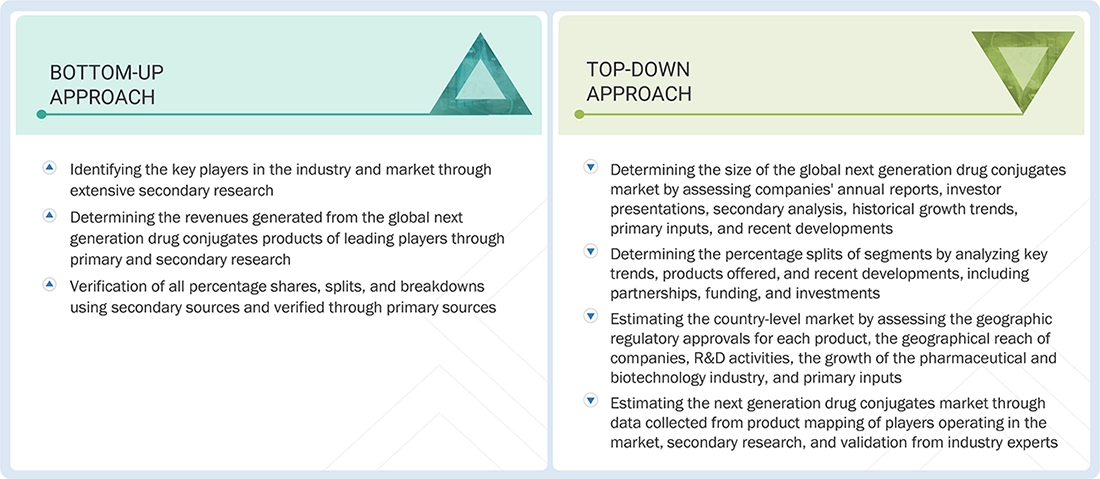
This study involved four major activities in estimating the current size of the next generation drug conjugates market. Exhaustive secondary research was carried out to collect information on the market, its peer markets, and its parent market. These findings, assumptions, and sizing were then validated with industry experts across the value chain through primary research. Both top-down and bottom-up approaches were employed to estimate the complete market size. Following this, the data triangulation procedure was used to estimate the market size of segments and subsegments.
Secondary Research
Secondary research was used mainly to identify and collect information for the extensive, technical, market-oriented, and commercial study. The secondary sources referred for this research study include publications from government sources, such as the National Center for Biotechnology Information (NCBI), National Institutes of Health (NIH), United States Food and Drug Administration (US FDA), European Medicines Agency (EMA), CT.gov, EudraCT, other clinical trial registries, News Articles, Press Releases, Paid Databases, Expert Interviews, and MarketsandMarkets Analysis, among others. Secondary sources also included corporate and regulatory filings (such as annual reports, SEC filings, investor presentations, and financial statements); business magazines and research journals; press releases; and trade, business, and professional associations. These sources were also used to obtain key information about major players, global product revenues, market classification, and segmentation according to industry trends, regional/country-level markets, market developments, and technology perspectives. Secondary data was collected and analyzed to arrive at the overall size of the global next generation drug conjugates market, which was validated through primary research.
Primary Research
In-depth interviews were conducted with various primary respondents, including key industry participants, subject-matter experts (SMEs), C-level executives of key market players, and industry consultants, among other experts, to obtain and verify the critical qualitative and quantitative information as well as assess future prospects of the market. Various primary sources from both the supply and demand sides of the market were interviewed to obtain qualitative and quantitative information. The following is a breakdown of the primary respondents:
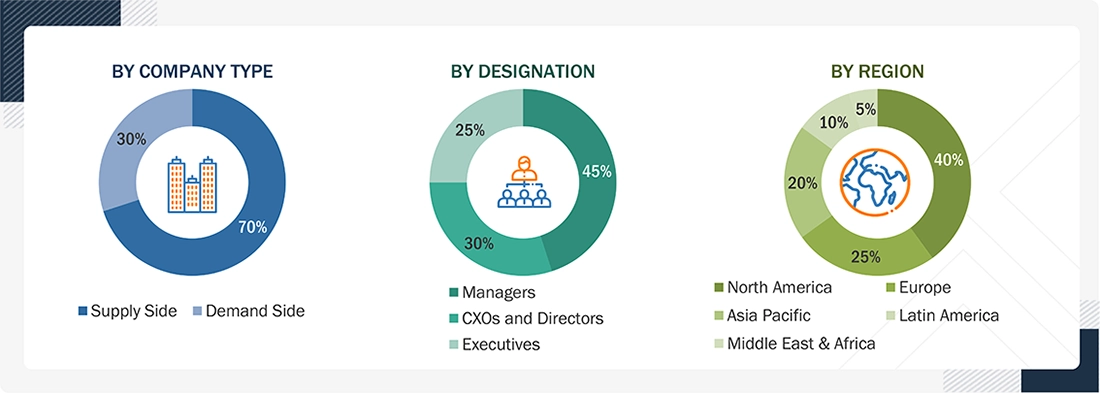
To know about the assumptions considered for the study, download the pdf brochure
Market Size Estimation
The global size of the next generation drug conjugates market was estimated through multiple approaches. A detailed market estimation approach was followed to estimate and validate the value of the market and other dependent submarkets. These methods were also used extensively to estimate the size of various subsegments in the market. The research methodology used to estimate the market size includes the following:
Data Triangulation
After estimating the overall market size from the market size estimation process, the total market was split into several segments. To complete the overall market engineering process and arrive at the exact statistics for all segments, the data triangulation procedure was employed; the data was triangulated by studying various factors and trends from both the demand and supply sides.
Market Definition
Drug conjugates are targeted therapeutic systems in which a biologically or chemically engineered targeting moiety (e.g., antibody, peptide, small-molecule ligand, or oligonucleotide delivery ligand) is conjugated to a therapeutic payload (e.g., cytotoxic drug, radionuclide, or nucleic acid) using linker or conjugation technologies. Next generation drug conjugates are defined by the use of advanced targeting platforms and/or novel payload technologies—particularly small molecules (e.g., topoisomerases, others), radionuclides, and oligonucleotides, enabled by improved linker and conjugation strategies, distinguishing them from earlier auristatin, maytansinoid, and calicheamicin-based conjugates. These enable improved precision, efficacy, and safety compared to earlier-generation conjugates.
Key Stakeholders
- Next generation drug conjugate manufacturing companies
- Distributors and suppliers of next generation drug conjugates
- Healthcare service providers (including hospitals & specialty clinics)
- National and regional research boards and organizations
- Research & development companies
- Clinical research organizations (CROs)
- Biotechnology companies
- Research laboratories & academic institutes
- Market research & consulting firms
- Regulatory bodies
Report Objectives
- To define, describe, and forecast the next generation drug conjugates market by product type, target ligand, payload type, indication, and region
- To provide detailed information regarding the major factors influencing the market growth (such as drivers, restraints, opportunities, and challenges)
- To analyze the micromarkets with respect to individual growth trends, prospects, and contributions to the overall next generation drug conjugates market
- To analyze the opportunities for stakeholders and provide details of the competitive landscape for market leaders
- To forecast the size of the market segments with respect to six regions: North America (US and Canada), Europe (Germany, France, the UK, Italy, Spain, and the Rest of Europe), Asia Pacific (China, Japan, India, South Korea, Australia, and the Rest of Asia Pacific), Latin America (Brazil, Mexico, Argentina, and the Rest of Latin America), the Middle East [GCC (Saudi Arabia (KSA), United Arab Emirates (UAE), and the Rest of GCC) and the Rest of Middle East], and Africa
- To profile the key players and analyze their market shares and core competencies
- To track and analyze competitive developments, such as product launches, partnerships, agreements, collaborations, and expansions
- To benchmark players within the market using the proprietary “Company Evaluation Matrix” framework, which analyzes market players on various parameters within the broad categories of business and product excellence strategy
Available customizations:
With the given market data, MarketsandMarkets offers customizations as per the company’s specific needs. The following customization options are available for the report:
Geographical Analysis
- Further breakdown of the Rest of Europe next generation drug conjugates market, by country
- Further breakdown of the Rest of Asia Pacific next generation drug conjugates market, by country
Company Information
- Detailed analysis and profiling of additional market players (up to five)
Segment Analysis
- Cross-segment analysis
⚡ Growth Signals
Personalize This Research
- Triangulate with your Own Data
- Get Data as per your Format and Definition
- Gain a Deeper Dive on a Specific Application, Geography, Customer or Competitor
- Any level of Personalization
Let Us Help You
- What are the Known and Unknown Adjacencies Impacting the Next Generation Drug Conjugates Market
- What will your New Revenue Sources be?
- Who will be your Top Customer; what will make them switch?
- Defend your Market Share or Win Competitors
- Get a Scorecard for Target Partners


JAYANT RAJPUROHIT
Director of Market Insights, Data and Analytics
SFI Health,
Leading Pharmaceutical Company

We at SFI Health approached MarketsandMarkets for an Opportunity Assessment on "Incidence and Prevalence of Focus Indications" as we wanted to know the most attractive HCPs like Physician, Functional MD, Naturopath and Pharmacist. The project was critical for us to ensure our focus on the right target which would enable sustainable growth and profitability for SFI Health. The business insights provided exceeded our expectations and we were extremely impressed. The team at MarketsandMarkets is highly professional and detail oriented and very well understood our business needs. MarketsandMarkets offers a unique combination of expertise and dedicated engagement model. We identified 2 new products to be launched in coming months, based on the research findings provided by MarketsandMarkets. We are happy with the services and would strongly recommend MarketsandMarkets to my peers in the industry.

BEATRIZ DE LA CALLE
Head of Commercial Analytics
Qualicaps,
Leading Pharmaceutical Company

We partnered with MarketsandMarkets for an assessment study on hard empty capsules. The team was extremely professional in understanding our business requirements and we received timely responses to all our queries. The market intelligence and the recommendations has met our business requirements. We were extremely impressed to see the final study results; it really exceeded our expectations. The market intelligence offered by MarketsandMarkets, and clarity on next steps will help us achieve our business objective for the Year 2021. We are happy with the services and would strongly recommend MarketsandMarkets to my peers in the industry.

Bob Williams,
Senior Director Business Development & Innovation
Bracco Diagnostics Inc.,
Italian Multinational in life sciences sector and a World Leader in imaging diagnostics
We were pleased with targeted insights that MarketsandMarkets identified from a custom study on the 'Radiation Dose Management Solutions Market'. Your team identified and characterized the market participants as well as underlying trends accurately. This study was useful to Bracco in formulating business strategies for our dose monitoring product lines and we thank MarketsandMarkets for the job well done.
Cody Coonradt,
Market Development and Strategy Manager
3M Health Information Systems,
Leader in Health care Coding, Payment & Analytics Solutions.
The value for our organization comes from three things: depth of research, specificity of segments and being easy to work with. As important as the first two are, the third can't be underestimated. MarketsandMarkets, maybe more than any other research vendor, wants to know what is top of mind for our team and what big questions we are grappling to answer.
Their customer first approach and high value engagement model, have given us great analysis and excellent value for money

Still Researching the
Next Generation Drug Conjugates Ecosystem?
See the competitors, opportunities, and growth signals shaping it - instantly.
Generate 15+ consulting-grade strategic insights tailored to your growth question.
Explore Next Generation Drug Conjugates Intelligence
Powered by 17 years of MarketsandMarkets intelligence
