







If your view of Iran is informed solely by the news stories that plague your feed, you’d be forgiven for thinking it is a nation of bad vibes. The Middle Eastern country is always making headlines, usually about it bombing someone, it being bombed, it building/not-building bigger bombs, it wilting under economic sanctions, or it waging a violent wave of oppression against women and political prisoners. It’s not exactly sunshine, lollipops, and rainbows.
Yet while many of these stories result in very real hardship for those living in Iran, there is also a stark difference between the media-portrayed Iran—state machine and political entity—and the geographically fascinating and historically rich stretch of land currently called Iran that is populated by a diverse and culturally complex population of 90 million human beings. And it’s nice to be reminded of that sometimes, via more than just crispy rice recipes on TikTok.
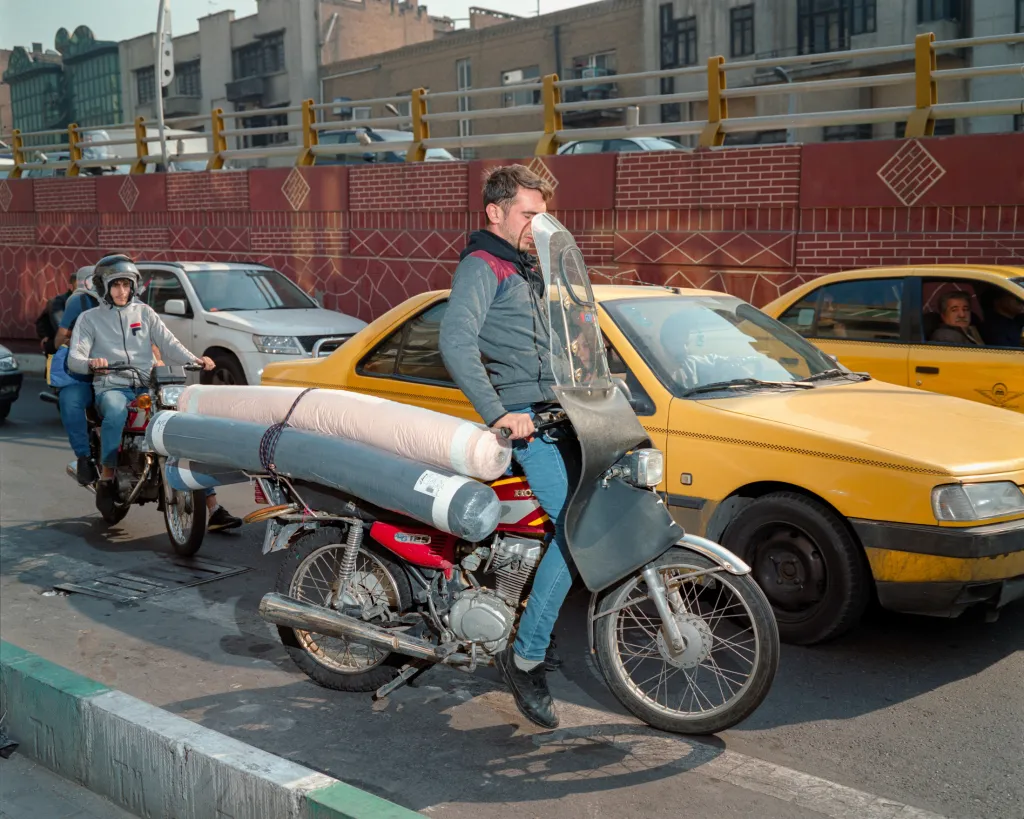
For this reason, we recommend a strong dose of Sina Shiri’s startling photography. Born, raised, and still living in Iran, his off-kilter documentation of the streets of its cities provide a wonderful glimpse into the minor moments of everyday life. His vivid and surreal approach to image-making follows a long Iranian cultural tradition of dancing in the hinterland between truth and reality—deeply mined by filmmakers like Abbas Kiarostami and Jafar Panahi. His photos often seem too strange not to have been staged, yet they are spontaneous works of chance, timing, and persistence.
We caught up with Shiri over email to discuss his life as a photographer in Iran, his relationship with surrealism and humor, and why he’s fascinated by bus stations.
VICE: How did you become a photographer?
Shiri: At 16, I became fascinated with cameras, intrigued by the idea of capturing the world around me in high quality. I took a basic photography class and, at 17, began my career as a photojournalist in the Iranian press. I worked in news agencies for several years, but eventually, other facets of photography caught my interest, and I gradually moved away from photojournalism.
How would you describe your style?
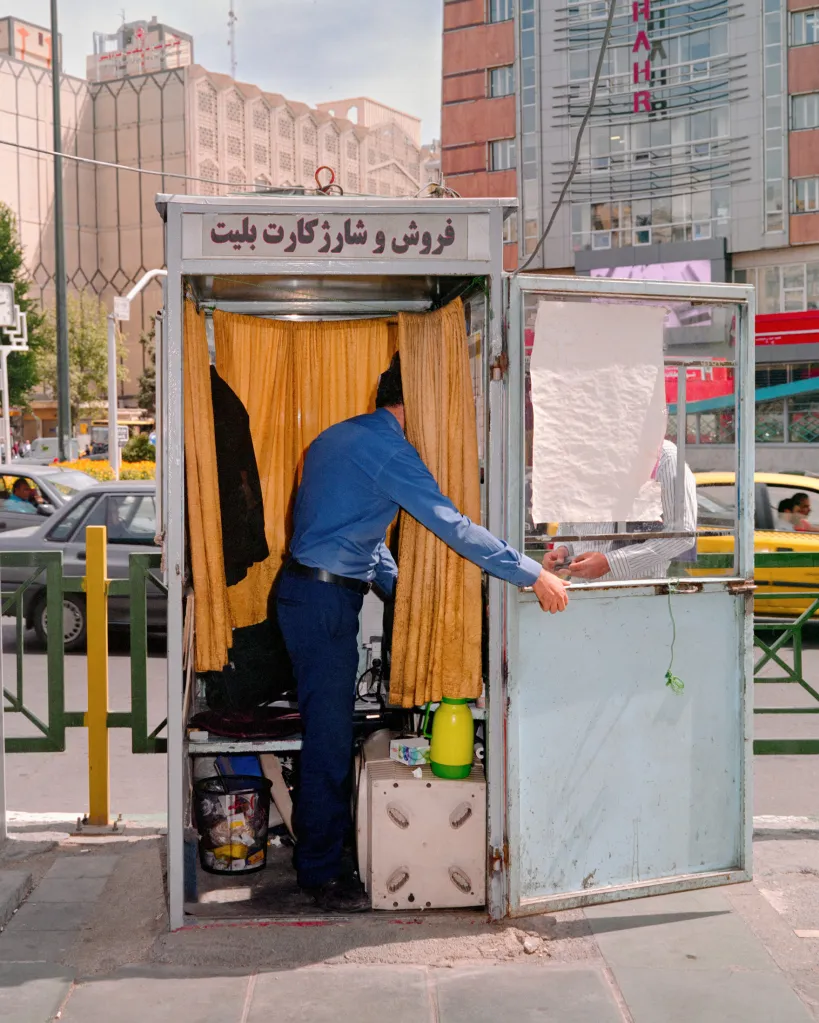
Considering my background in photojournalism, my style was initially shaped by that. However, over time, I have gradually shifted toward exploring the boundary between documentary and staged photography—or, in other words, between realism and imagination. I believe that by navigating these borders, and leaving the viewer uncertain about the nature and approach of the photograph, you can open up new and innovative paths in photography.
What is life like as a photographer in Iran?
It is undeniably challenging. Photography is a difficult profession worldwide, but in Iran, it comes with its own unique set of obstacles. These include numerous restrictions and barriers, many of which stem from societal transformations. Photographers face a restrictive environment shaped by both government pressure and shifting social dynamics.
Street photographers, in particular, encounter significant difficulties. The authorities often do not tolerate their work, and due to the political and social tensions prevalent in Iran, the public has grown less accepting of photographers in recent years. As a result, pursuing street photography here requires a heightened level of personal motivation to overcome these challenges and persist in the craft.
How do you approach photographing strangers on the street?
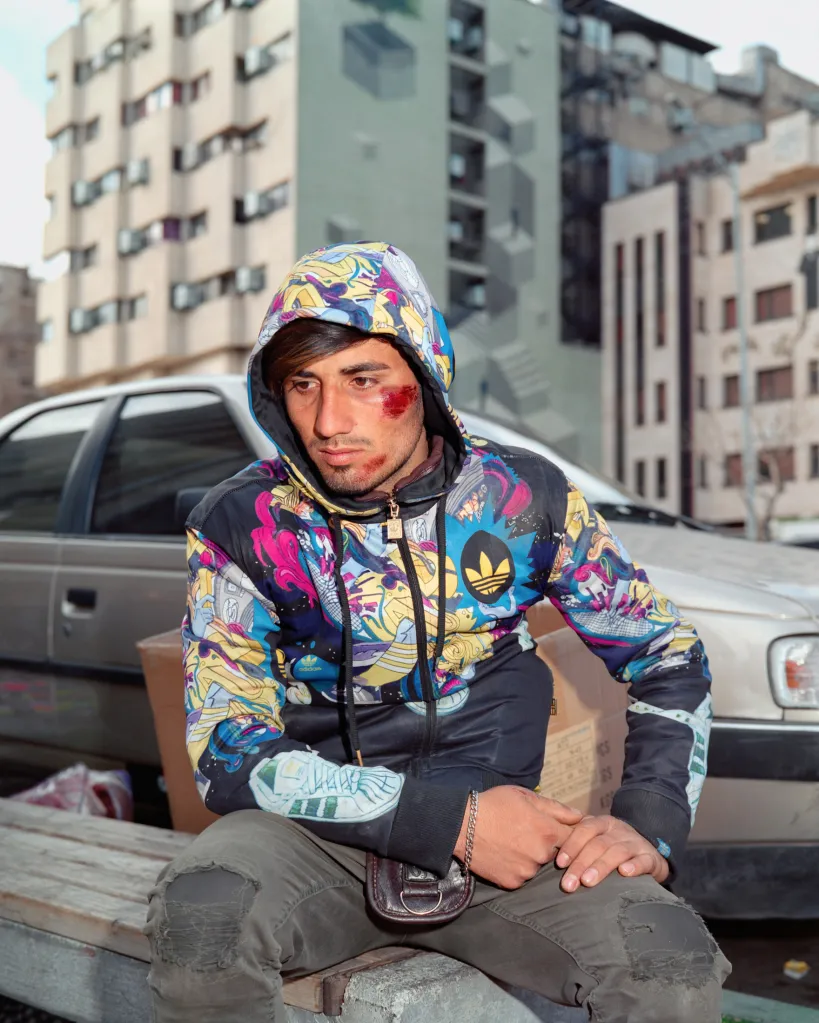
I make an effort to keep a balanced distance from the people I photograph—not too close, not too far. This helps me stay unobtrusive while still getting the shot I want. I also prefer not to know more about them than what my photo reveals. I like keeping that sense of mystery intact. The ambiguity that the viewer feels when they look at my images is something I experience, too. It’s not just for them—it’s part of my process. By doing this, I create a shared mystery that connects me, the viewer, and the subject in a subtle, meaningful way.
Do you prefer to plan your shots or capture spontaneous moments?
My street photography is often part of a larger project, or, at the very least, guided by a general concept. That said, I consider chance, timing, and spontaneous moments to be integral parts of the process as well.
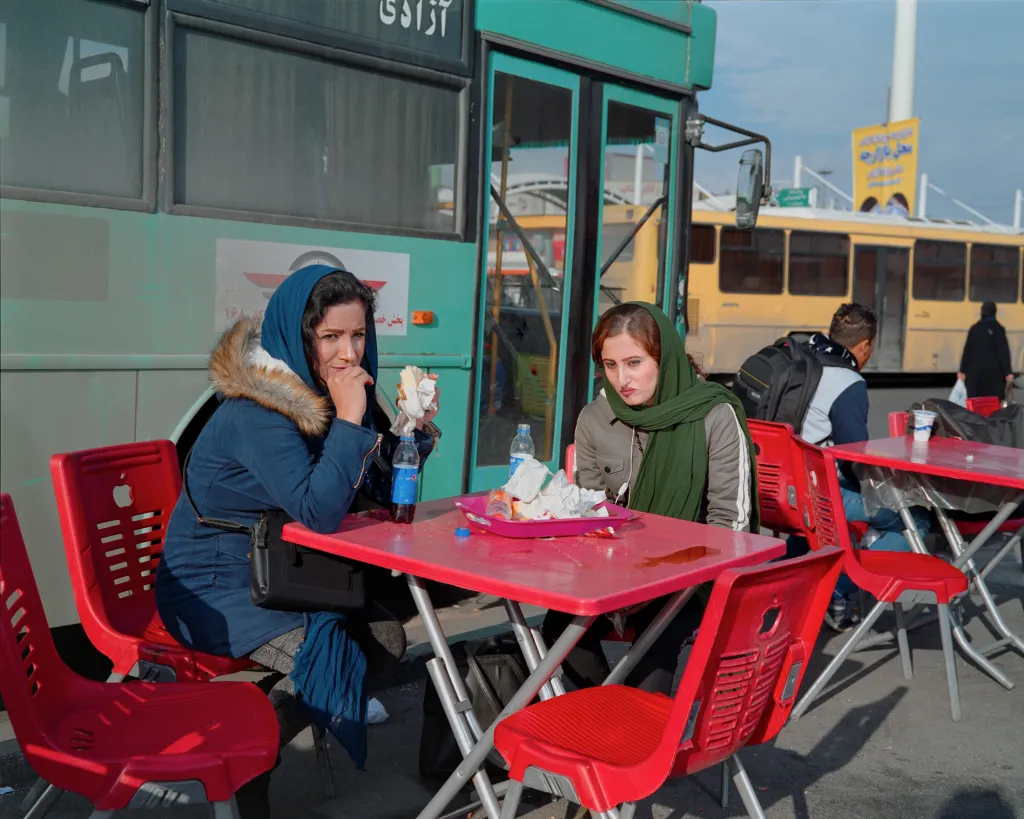
Tell me about your photo series, The Remains of the Day, from which many of the images featured in this article are taken.
The feelings of alienation and fear of facing a new environment have accompanied me since childhood, as my family and I migrated from a small town to a new place. The transport terminal holds a special significance because it is the first point of encounter with a new city, and it revived those emotions in me once again.
In the faces of the people at the terminal, strangers to me, I saw a mixture of fear and hope. The terminal represents the intersection of anxiety about entering an unfamiliar environment, and the dreams and aspirations for progress in a bigger city. The title is borrowed from Kazuo Ishiguro’s novel of the same name. I chose it because it reflects the complex and conflicting emotions of fear and hope that the series aims to capture.
How would you describe everyday life in Tehran?
It’s a complex and contradictory tapestry: on one hand, it wrestles with considerable political, social, and economic challenges; on the other, it is a society in flux, imbued with its own distinctive energy and vibrancy.
Are there particular cities, towns or neighborhoods that you find yourself consistently drawn to?
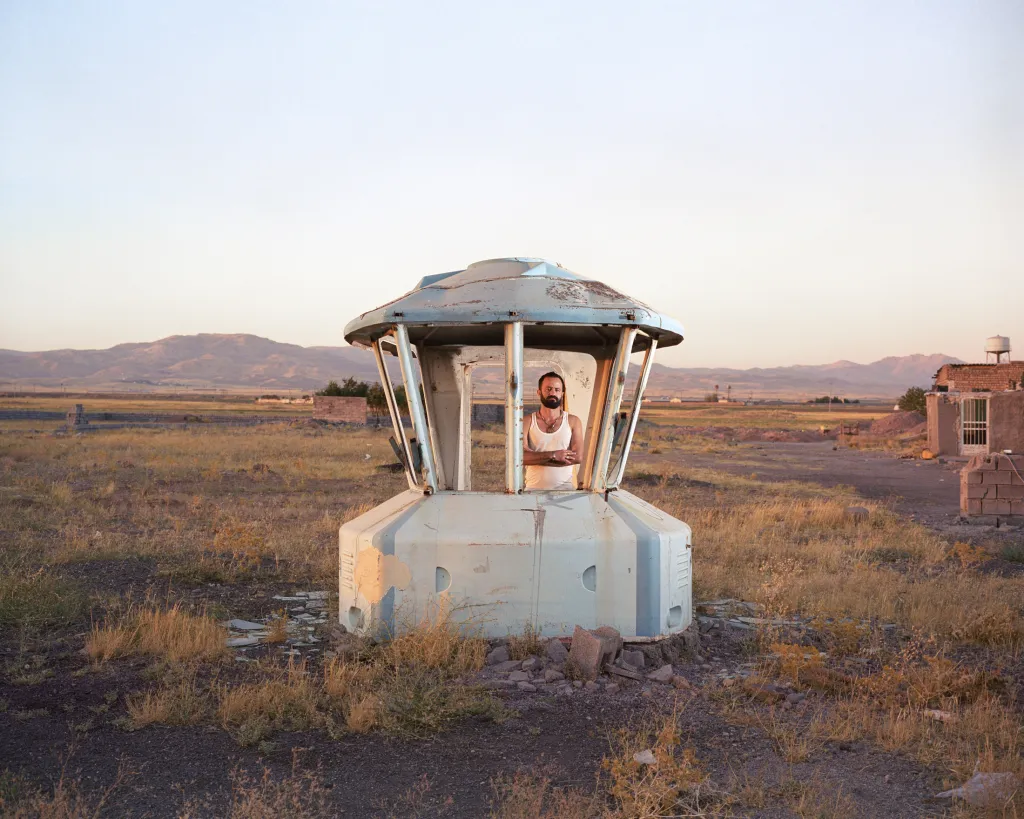
I am particularly drawn to my hometown of Manjil in northern Iran. It has always been a place of return for me. A devastating earthquake once struck this small town, claiming many lives—including members of my mother’s family—and I’ve felt a strong connection to the area ever since. Manjil embodies the intersection of life and death, the wild embrace of nature, and the ruins left in the quake’s aftermath. For several years, I’ve been working on a long-term project titled 60 Seconds, which explores both the landscape and the people of this region. I intend to continue documenting Manjil and its stories for many years to come.
What do you think the outside world tends to misunderstand about contemporary Iran?
Many outsiders tend to see contemporary Iran as a one-dimensional place defined only by suffering. While it’s true that we face serious political, economic, and cultural challenges, that’s not the full story. People here also live full lives—we love, laugh, dream, resist, and find joy in everyday moments. Yes, there is hardship, but Iranians are not just victims or symbols of struggle. We are complex individuals with rich, diverse experiences that go far beyond what is often portrayed from the outside.
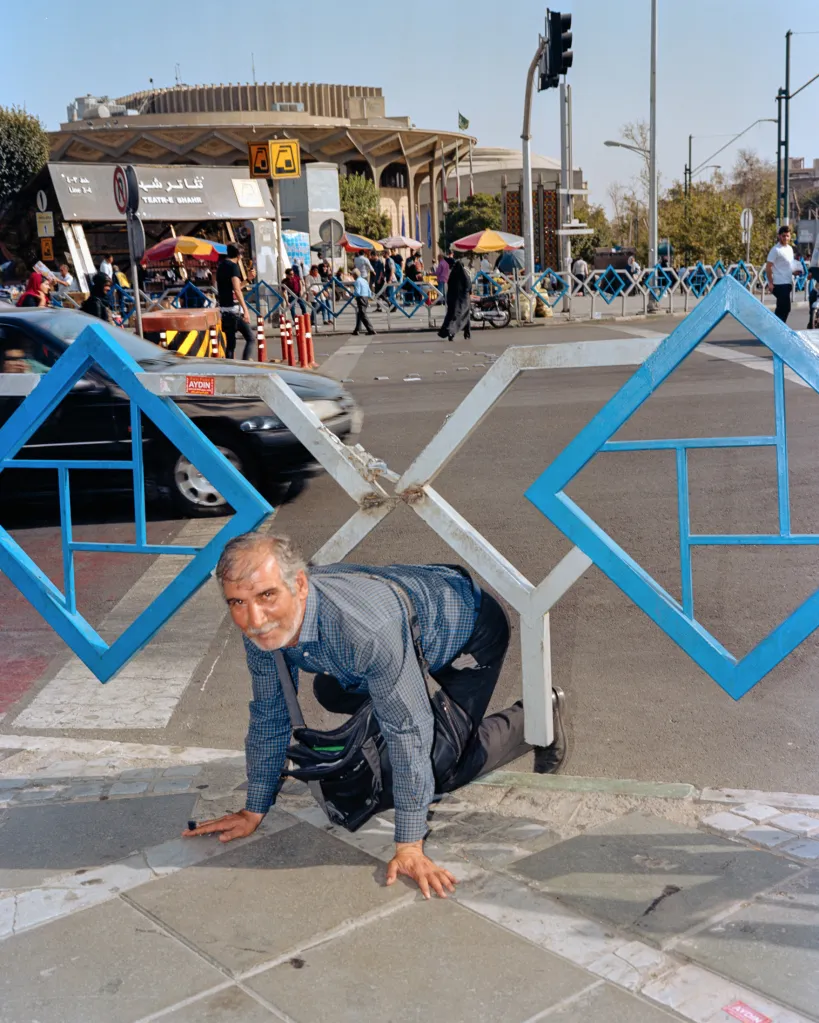
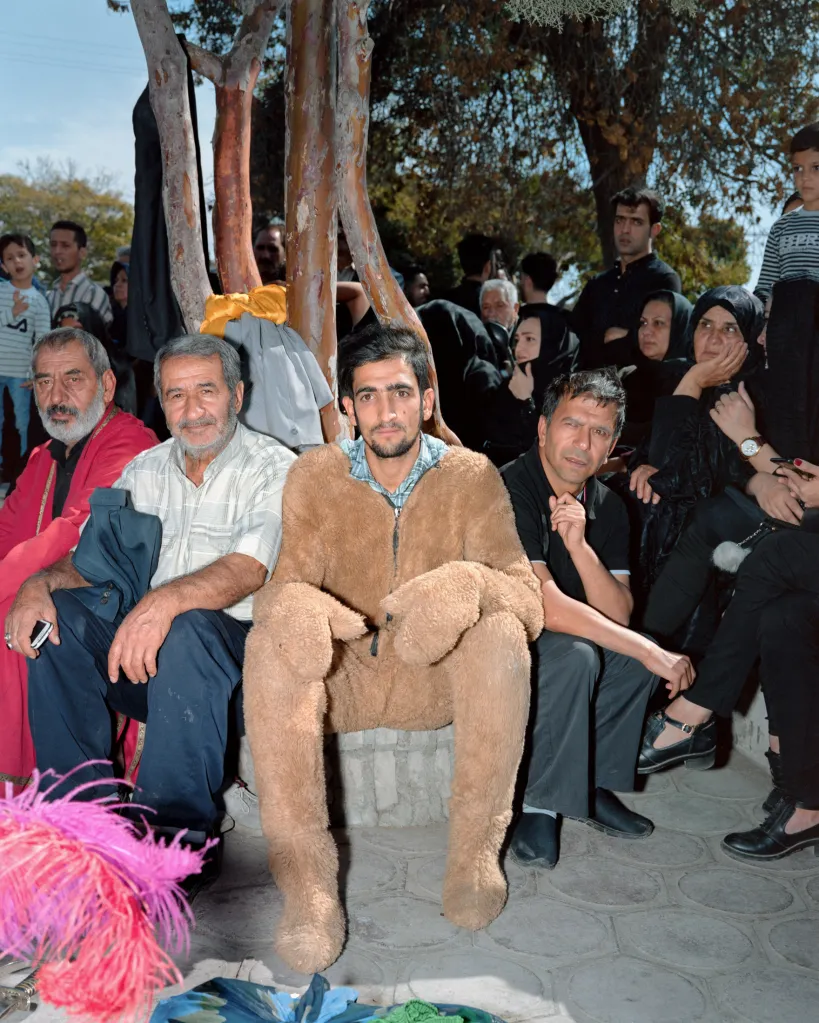
Some of your photos have a surreal edge, whether it is a man crawling through a traffic barrier or another man sitting in a lion costume with a straight face. Do you aim for humor and surrealism in your work?
I don’t set out to create surreal or humorous images, but I encounter them everywhere in life. The surreal is woven into our daily reality. As one writer asked, “Isn’t the artist’s mind part of reality?” Often, it’s the absurd moments that capture the truest essence of our experience.
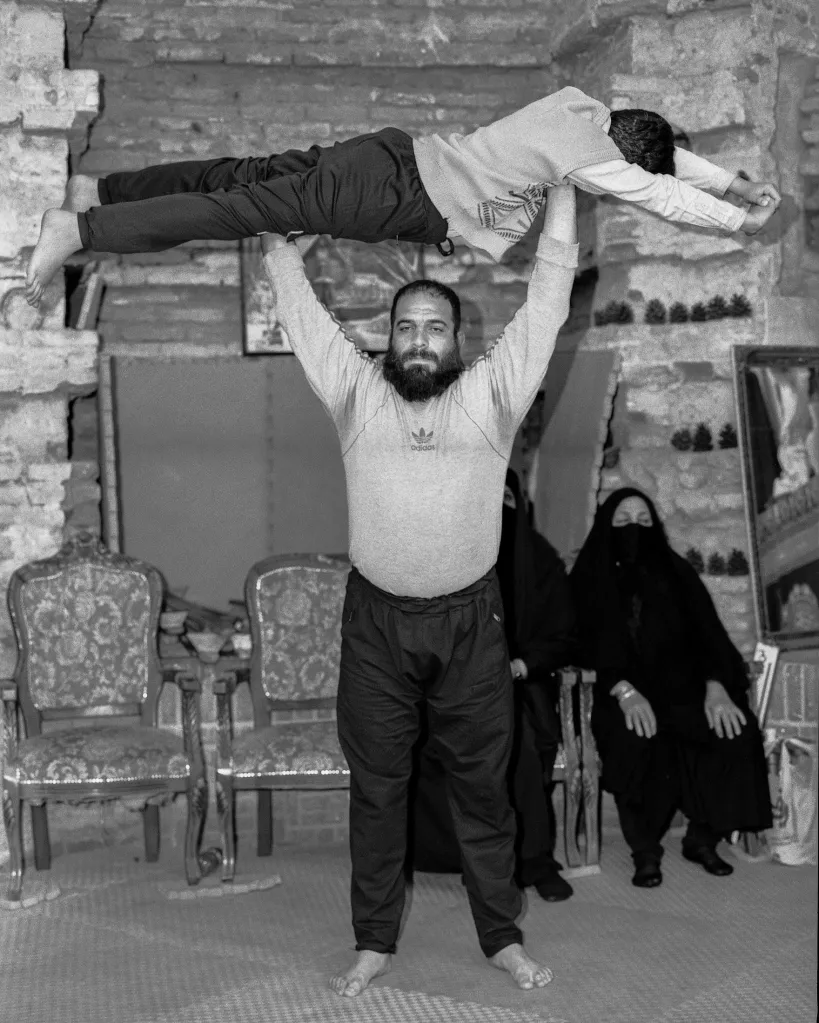
What is happening in this photo?
I took this photo during a Nowruz celebration held at a historic building. The man in the image is a Pahlevan—a traditional Iranian strongman who practices Zurkhaneh, an ancient form of physical and spiritual training. Instead of lifting weights, he playfully raised a young boy and held him above his head—both as a display of strength and as a symbolic gesture rooted in pride and tradition.
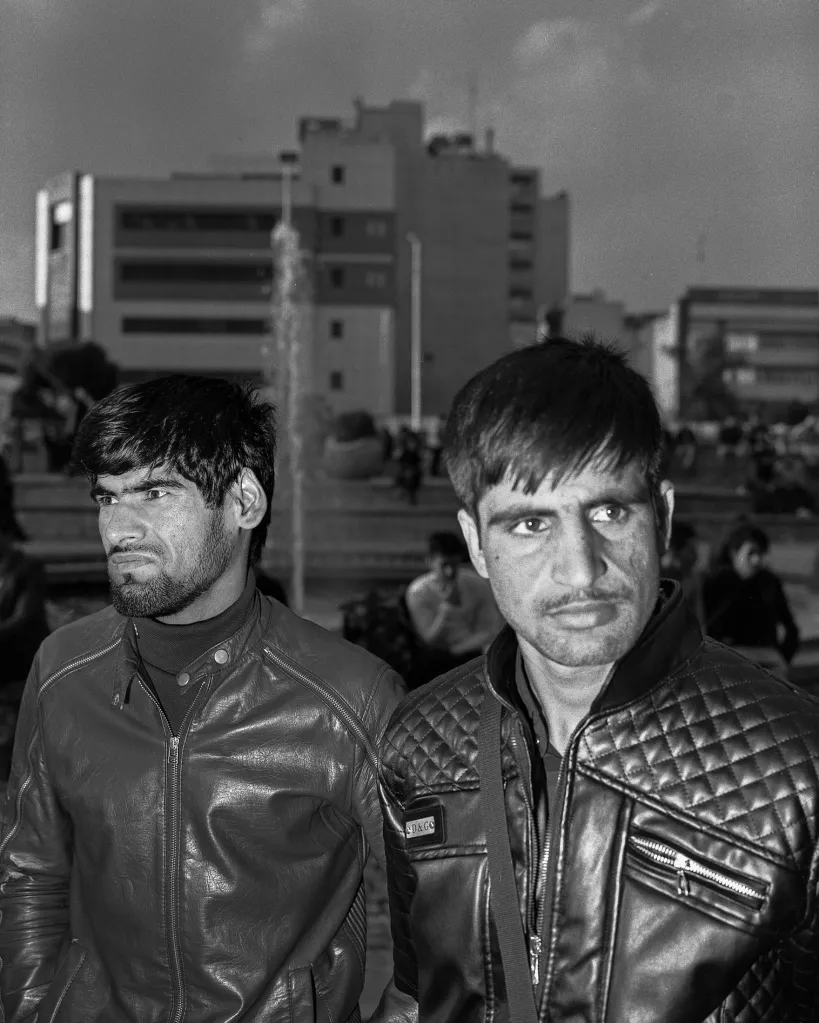
And what about the image above?
I took this photo in front of Tehran’s City Theater. Two men were deeply absorbed in watching a street performance. I was struck by the focus and intensity in their gaze, and I felt compelled to capture that moment.
I’ve always been curious about how people relate to the spaces they find themselves in—whether they seem to belong, either physically or mentally. The contrast between individuals and their surroundings often fascinates me, and this moment raised quiet questions for me about presence, connection, and how we inhabit public space.
You can find more of Shiri’s work on his website.
此内容由惯性聚合(RSS阅读器)自动聚合整理,仅供阅读参考。 原文来自 — 版权归原作者所有。