


| November 7, 2022
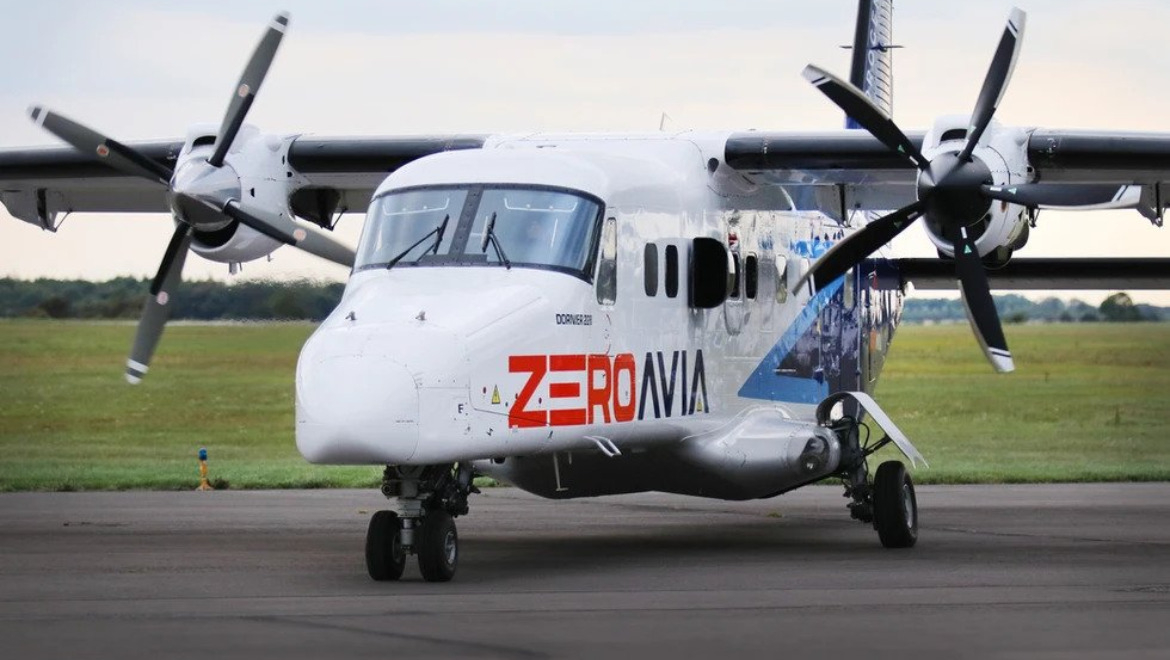
Hydrogen-electric aircraft developer ZeroAvia has partnered with AGS Airports to bring zero-emissions flights to Scotland.
An agreement has been announced between AGS Airports and ZeroAvia, which have agreed to work together to develop hydrogen fuel infrastructure for delivering zero-emission flights from Aberdeen and Glasgow airports.
The pair will also work on the regulatory framework requirements needed to facilitate the new technology, as well as determining the extent of the resources required for the project.
The AGS team owns and operates Aberdeen (ABZ), Glasgow (GLA) and Southampton (SOU) airports and will work in conjunction with ZeroAvia’s specialist airport infrastructure team to assess the capacity for hydrogen production onsite, as well as potential commercial routes.
Arnab Chatterjee, VP of Infrastructure at ZeroAvia, said that the company have looked at working more closely with airports in recent months to gain a better understanding of the operational needs and requirements for hydrogen-powered flight.
“Working with the team at AGS allows us to plan for some of the commercial routes that we will be able to support in a little over two years’ time, and do so in the setting of a major international airport.”
As part of the agreement, AGS Airports will switch from using traditional fuel to aircraft powered by ZeroAvia’s hydrogen-electric powertrain on some routes in order to significantly reduce Scope 3 carbon emissions, reduce noise, and improve the air quality of those local to the area.
AGS will also explore how they can use hydrogen to reduce emissions across ground operations.
ZeroAvia will share and use this experience at AGS Airports to further develop its Hydrogen Airport Refuelling Ecosystem (HARE) at Cotswold Airport in Gloucestershire, UK.
AGS Airports and ZeroAvia will work towards flight demonstrations of ZeroAvia’s ZA600 600kW hydrogen-electric engine. These hydrogen engines are on their way towards certification by 2025, with commercial flights from Scotland to follow after certification.
The ZA600 engine has been designed to power a 9-19 seat aircraft for up to 300 nautical miles and is soon to be tested for the first time on a 19-seat Dornier 228.
Chief executive of AGS Airports, Derek Provan, spoke about the project.
“The development of hydrogen-powered aircraft has the potential to completely revolutionise aviation and it is becoming an increasingly viable option for regional and short-haul aircraft.
“As a regional airport group serving the Highlands and Islands of Scotland as well as the Channel Islands from Southampton, AGS will be the perfect testbed for hydrogen flight. Through our partnership with ZeroAvia, we’ll address some of the challenges associated with the generation, delivery and storage of hydrogen on-site and how we can prepare our infrastructure to support zero-emission flights.”
