





If you loved movies as a child, then there’s a good chance you owe a debt of gratitude to Steven Spielberg. He’s directed some of the best, most entertaining, and most influential films of all time. Honestly, he has about 10 films you could put as #1 on a list of his best movies, and no one would be mad.
He’s been a producer, writer, and even an actor over the years, but for this list, we’re only looking at the 31 feature-length, theatrically-released films in his filmography. Get ready to be inspired because we’re counting down the best Steven Spielberg films ever made.

During the climax of Ready Player One, the Iron Giant becomes a badass who helps the heroes in their fight against the villains. Now, if you’ve watched The Iron Giant, you know that violence for violence’s sake isn’t really the Iron Giant’s M.O. And that’s kind of the overarching problem with this movie. It’s empty nostalgia designed to make you go, “Hey, I recognize that!” and nothing more. For a director known for creating so many memorable moments, it’s disheartening to see him just recycle what’s been done before.
Ready Player One is the epitome of the Memberberries joke from South Park. It can be entertaining at times, but we’d all rather see Spielberg create new pop culture staples rather than reuse ones of the past.

Spielberg resisted the idea of aliens in an Indiana Jones movie for decades. Eventually, he relented, but maybe he should’ve stuck with his guns. The film could’ve been an interesting homage to 1950s B-movies about the Cold War, but instead, we get something that feels so disjointed. It really seems like no one wanted to make this movie, and you can feel that with every nuked fridge. But hey, at least the John Williams score is still strong!
More than anything else, Indiana Jones and the Kingdom of the Crystal Skull is just disappointing. Especially when considering Spielberg’s at the helm and George Lucas coming up with the story.

If you’re going to make a sequel to Jurassic Park, it seems like you’d incorporate the lost canister of dinosaur DNA Nedry lost in the first movie. I mean, it’s just kind of there. Instead, the filmmakers opted to create a second dinosaur island and came up with a ham-fisted reason to send the characters there. It lacks the whimsy and magic of the first one and mostly serves as a parable about why big-game hunting is bad.
The Lost World could’ve been so much more. Instead, it feels like Spielberg was doing a friend a favor and directing this mish-mash of cliches.
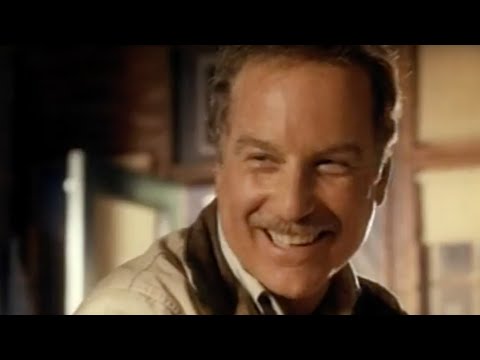
While making Jaws, Spielberg and Richard Dreyfuss admitted to both loving the 1943 film A Guy Named Joe. In fact, that movie partially inspired Spielberg to become a filmmaker. And the pair basically got their wish with 1989’s Always. It’s a whimsical film, but Spielberg really piles on the schmaltz. This movie has more sap than a maple tree, and while it might be nice for a certain demographic, there’s a reason why it’s been largely forgotten except for being Audrey Hepburn’s last film role.
Always feels like a movie specifically designed to make you cry. While that can be affecting in moments, the overall result is something that just doesn’t sit right.

The Terminal is another film where the story’s overly saccharine nature works to its detriment. There’s also just something about seeing Tom Hanks, one of the most recognizable actors in the world, play a foreigner in a fish-out-of-water story. It’s one film that just doesn’t take off.
The Terminal is outright forgettable. It takes an interesting premise but ultimately does nothing interesting with it.

John Wayne urged Spielberg not to make 1941 because he felt it was “un-American.” In actuality, he should’ve encouraged him not to make it because it wasn’t funny. Humor has a place in many of the top Steven Spielberg movies, but he never really tried to make a flat-out comedy before this one. It just goes to show how hard it is to do comedy right, and unfortunately, Spielberg just doesn’t have the right touch for a zany comedic romp.
Spielberg is better off incorporating humor in smaller doses in his films. As evidenced by 1941, a little can go a long way.

Many of Spielberg’s movies center around war. With something like Saving Private Ryan, you see how he’s not afraid to show the horror of warfare and the true cost of battle. But with War Horse, and it’s PG-13 rating, it feels like he’s holding back. He goes for overly sentimental rather than brutal when he needs to, and it results in a fine, but kind of forgettable, war movie that could have been so much more.
There are far better Steven Spielberg films about war. However, if you like horses and old-fashioned war movies, then War Horse could hit the spot.

The cops may not be the central characters of The Sugarland Express, but they do get the bulk of the sympathy. The two leads (including a young Goldie Hawn!) always seem to get a healthy dose of skepticism in their actions even though they’re just trying to get their son back. For its time, it’s not as countercultural as what some of Spielberg’s contemporaries were doing, which is why it’s fallen by the wayside despite this being Spielberg’s feature-length debut.
The Sugarland Express would’ve been forgotten had it not been Spielberg’s first feature-length, theatrically-released film. For what it is, it’s interesting to see where Spielberg began and how far he’s come.

The Post has a timely message about the importance of journalism and why it’s worth investing in sources that report the facts. The pentagon papers reported on in this movie will surely hold your attention. It’s just a shame the film feels too dry for anyone to become too invested in, and it can be a bit on the nose with its subtext. It’s great seeing Spielberg with something to say, but in the context of his other historical dramas, it just leaves a little something to be desired.
The Post is an important film to watch in today’s world. It’s just a shame it’s not more enjoyable to watch.

Steven Spielberg’s dysfunctional relationship with his father influenced many of his films, including Hook. That inspiration along with a wonderfully imaginative story helped elevate Hook to a favorite among 90s kids. The pacing and story suffer in parts, but Spielberg’s charms help make the film work far better than it has any right to.
Hook probably isn’t as good as most people remember. However, it has its charms and a fantastic performance from Robin Williams.
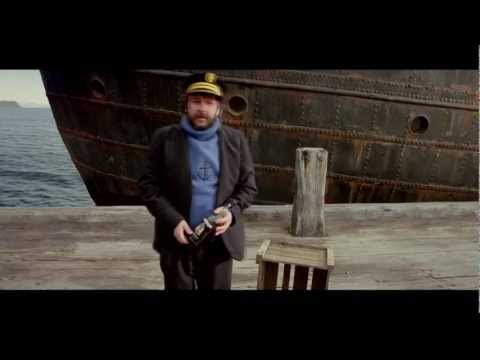
Peter Jackson insisted that The Adventures of Tintin just couldn’t work as a live-action film. He had a point, as there are fantastic set pieces and sequences in this film that just wouldn’t have the same charm and whimsy if they were real people and places. It’s a true CGI triumph with the main folly being the characters are too thin to become fully immersed in the world.
The Adventures of Tintin is a fun movie for kids who aren’t quite ready for the Indiana Jones series. However, adults can still appreciate the wonderful stop motion animation on display.

There’s a scene toward the end of The BFG where everyone just starts farting. Coupled together with visually wondrous scenes, it causes a bit of whiplash and feels like something Spielberg wouldn’t include in a film outside of committee notes. The result is a kids’ movie that doesn’t quite know what it wants to do or say but is pretty good for the most part.
The BFG is harmless enough. Kids may enjoy it, but it probably won’t be fondly remembered by anyone like many of Spielberg’s films have been for a generation of audiences.
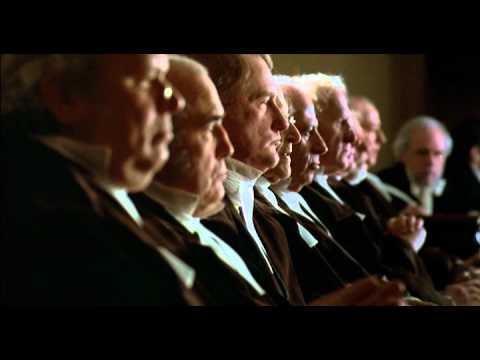
Spielberg rarely holds back in historical dramas. In Amistad, the slave ship passage sequence is just as chilling as the Omaha Beach scene in Saving Private Ryan. The rest of the film features great performances, but it loses its stride it had earlier in the movie. It becomes a stiff courtroom drama, and while it’s a fine film, you can’t help but wonder what the film would've looked like with an African-American filmmaker at the helm.
Amistad is a great, important film for anyone to watch. It just lacks a sense of urgency a movie of this nature really needs.

The reason Temple of Doom is darker than Raiders of the Lost Ark is that Spielberg and George Lucas were both going through breakups at the time. That darkness makes it an interesting film, even if it doesn’t live up to the first one. Additionally, the decision to make it a prequel set before Raiders will never not be fascinating and forever create wrinkles in the Indiana Jones mythos.
Kudos to the filmmakers for making something entirely different in an Indiana Jones prequel than just rehashing plot beats from Raiders. It may not reach the same heights or lend itself so easily to rewatches, but it’s entertaining nonetheless.

Bridge of Spies was co-written by the Coen Brothers, and it shows. There are several scenes you’d expect to see in a Coen Bros. joint, but with Spielberg at the helm, there are rays of hope that likely wouldn’t have been present had the brothers had more control. It makes for a fascinating portrayal of Cold War sensibilities, and the themes of doubles throughout the film add extra depth that make it worthy of several rewatches.
Bridge of Spies does a lot with a little. Spielberg trusts in the script and in a pair of fantastic performances to carry the movie.

As a director, you have to know when to let your actors act. Spielberg does this wisely with The Color Purple, where he lets Whoopi Goldberg and a fantastic cast of actors take the reigns and control the camera when they need to. It’s a tough film to watch but a necessary one.
The Color Purple is hard to watch. But it’s a masterfully well put together film with incredible acting on display.

Steven Spielberg films aren’t exactly known for their ambiguity. In many instances, he lets you know one way or the other how to feel about a subject. The fact that Munich ends ambiguously, letting you set in the mess it’s created, makes it all the more powerful. The central question is, “How do we address terrorism?” making it one of the most relevant thrillers in a post-9/11 age.
Munich is one of Spielberg’s most interesting films. It’s a tense thriller that operates in shades of grey.

Stanley Kubrick tried to get A.I. Artificial Intelligence made for decades. However, production never really gained momentum until his death. The result is a fascinating piece of art that combines Kubrick’s bleakness with Spielberg’s optimism. The result is something that’s at times adventurous and other times horrific. There’s no other Spielberg film like it, but it’s an essential film in 21st century science fiction.
A.I. Artificial Intelligence is one of Spielberg’s most misunderstood films. It has its flaws to be sure, but it’s one of his most rewarding watches, offering something more complex than what you may expect.

War of the Worlds is a chilling 9/11 allegory. While there are mentions of a resistance building against the aliens, most of what’s presented is a family just trying to run away and survive. In the face of such destruction, that’s pretty much all one would be able to do in such a scenario. While it has the requisite Spielberg happy ending, this is one of his darkest films and proof he’s not hesitant to go completely unrestrained when he needs to.
War of the Worlds is another Spielberg sci-fi film that tends to be slept on. But it’s a tense blockbuster that will leave you holding your breath.

For Close Encounters of the Third Kind, Spielberg reused many shots he took for his short film Firelight. When looking at his filmography, it’s easy to see a fascination with extraterrestrials and what human contact would mean. It’s clear Spielberg wants to believe something greater than ourselves is out there.
You never feel too emotionally invested in the characters. However, this is still a splendid film and a sign of how mature of a filmmaker Spielberg was early in his career.
After the mixed response to Temple of Doom, Spielberg decided to go back to the basics with The Last Crusade. The result is a much more enjoyable film with fantastic chemistry between Harrison Ford and Sean Connery. It’s a good old-fashioned adventure film and the kind of movie you want to see more of out of this series.
The Last Crusade shows you don’t have to break the mold to make an entertaining movie. Make us laugh and fill us with thrills, and you have a solid addition to your filmography.

The divorce of Steven Spielberg’s parents influenced the concept of the loss of childhood innocence in Empire of the Sun. It goes to show how events in your life can influence art that’s radically different from what you went through. The final product is a movie that works as a reverse Peter Pan tale. It’s about a boy who had to grow up too fast, and even though there’s a happy ending, there’s not much to get joy out of once the credits roll.
It may take you some time to warm up to Empire of the Sun. But it’s one of Spielberg’s most mature films and painfully relatable to many.

Spielberg consulted with futurists to determine what a realistic America would look like in 2054. You can already start to see many of the things predicted in the film, like targeted ads, start to appear in real life. But all that is window dressing for a fantastic sci-fi noir that has a compelling narrative and lofty themes. It’s just a shame the ending is a bit of a letdown considering everything that precedes it. Not even the delightful Tom Cruise performance could redeem the pitfalls of this one.
Minority Report is an excellent 21st century sci-fi film. As long as you can look past the ending, you have a thrilling noir that has a lot to say about humanity and justice.
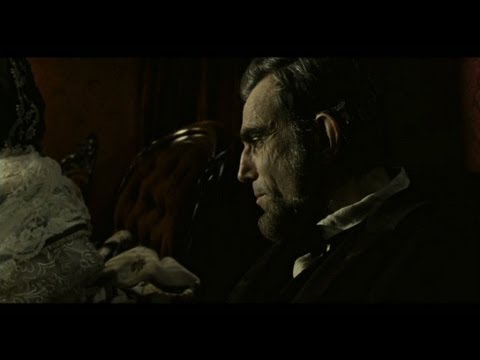
It would be easy to make Abraham Lincoln look like a saint. But Spielbeg manages to capture the nuances of Lincoln’s character by focusing on a singular event in his presidency. With a commanding performance from Daniel Day-Lewis, Lincoln transcends other historical dramas by giving audiences everything they want out of this honest portrayal.
Lincoln may fit tightly within the biopic formula. However, a standout performance and Spielberg’s assured hand helps elevate the film into necessary watching.

There’s a piece of film theory that states there’s no such thing as an anti-war film because the medium of filmmaking inherently makes war look cool. Well, if there ever was a movie that made war look like the horrifying spectacle it is, it’s Saving Private Ryan. Spielberg doesn’t pull any punches, and the Omaha Beach sequence is one of the most devastating things put to film. It’s a heart wrenching film and the ultimate WWII movie.
Saving Private Ryan is arguably the best war film ever made. It demands your attention and forces you to reckon with what so many have lost.

Catch Me If You Can is a masterclass on character. Throughout the film, through the various cons, Spielberg never loses sight of Frank Abagnale’s motivation: to make his father proud. His decisions are all grounded in this, and it makes for one of the most emotional, and most fun, films of Spielberg’s filmography.
Catch Me If You Can is insanely likable. Even when you know the twists and turns, you still love seeing Leonardo DiCaprio and Tom Hanks at the top of their games.

Spielberg decided it was time to make Schindler’s List when he saw Holocaust denier growing more popular within the mainstream media. He was naturally hesitant to take on the material, but as the film speaks for itself, no one else could have expertly blended the horrors of the Holocaust with Spielberg’s trademark tender humanism. To date, it’s his most mature film and showed critics and audiences alike he could do more than blockbusters.
Schindler’s List is movie making at its finest. It shows you can make a movie that appeals to the general public while still giving them a powerful message in humanity.

As far as I’m concerned, Steven Spielberg has made four perfect movies, so let’s start with the one that started it all: Jaws. When making Jaws, they began production without a finished script, a full cast, and even a shark. Any aspiring filmmakers have plenty of stories about running into issues during production, but Spielberg turned lemons into lemonade and invented the modern blockbuster. Jaws remains an outstanding technical achievement to this day for what it managed to accomplish.
Jaws simultaneously horrifies and entertains. It’s a popcorn movie in the best way.

To help keep costs down, Raiders of the Lost Ark was Spielberg’s most storyboarded film. They kept the production schedule tight and lean by focusing on miniature models, puppets, and advanced camera techniques. The result is one of the most entertaining and thrilling films ever made, harkening back to old serials while creating something entirely new.
Steven Spielberg and George Lucas may have borrowed heavily from other sources, but Raiders of the Lost Ark is wholly its own thing. It’s inspired so much in pop culture and entertains whether you’re viewing it for the first or 100th time.

Spielberg planned an E.T. sequel called Night Skies, which would feature evil aliens terrorizing a family. Let’s all be glad he didn’t go down that route or else it might’ve tarnished the reputation of one of the best sci-fi films ever made. It’s a timeless tale of friendship and a movie no one can truly hate.
Kids and adults will have their hearts melt watching E.T. They just don’t make kids’ movies like this anymore.

Cards on the table: Jurassic Park is my favorite movie of all time, and I genuinely believe it’s the best film ever created. From the visual effects complementing the animatronics to the performances to the themes on human ego to the sheer horror of the dinosaurs themselves, the movie does everything to perfection. It’s the most masterful work of art in film history, and I love this film so very, very much.
Jurassic Park contains everything a great film should. It’s entertaining as heck but also leaves you with plenty to chew thematically, mentally, and visually.
Want more insight into how Steven Spielberg has crafted one masterpiece after the next? (Yes, even with his earliest TV movies) Check out our blog diving into his unique and effective filmmaking style, including how he sets up scenes and keeps the momentum going from one moment to the next.
此内容由惯性聚合(RSS阅读器)自动聚合整理,仅供阅读参考。 原文来自 — 版权归原作者所有。