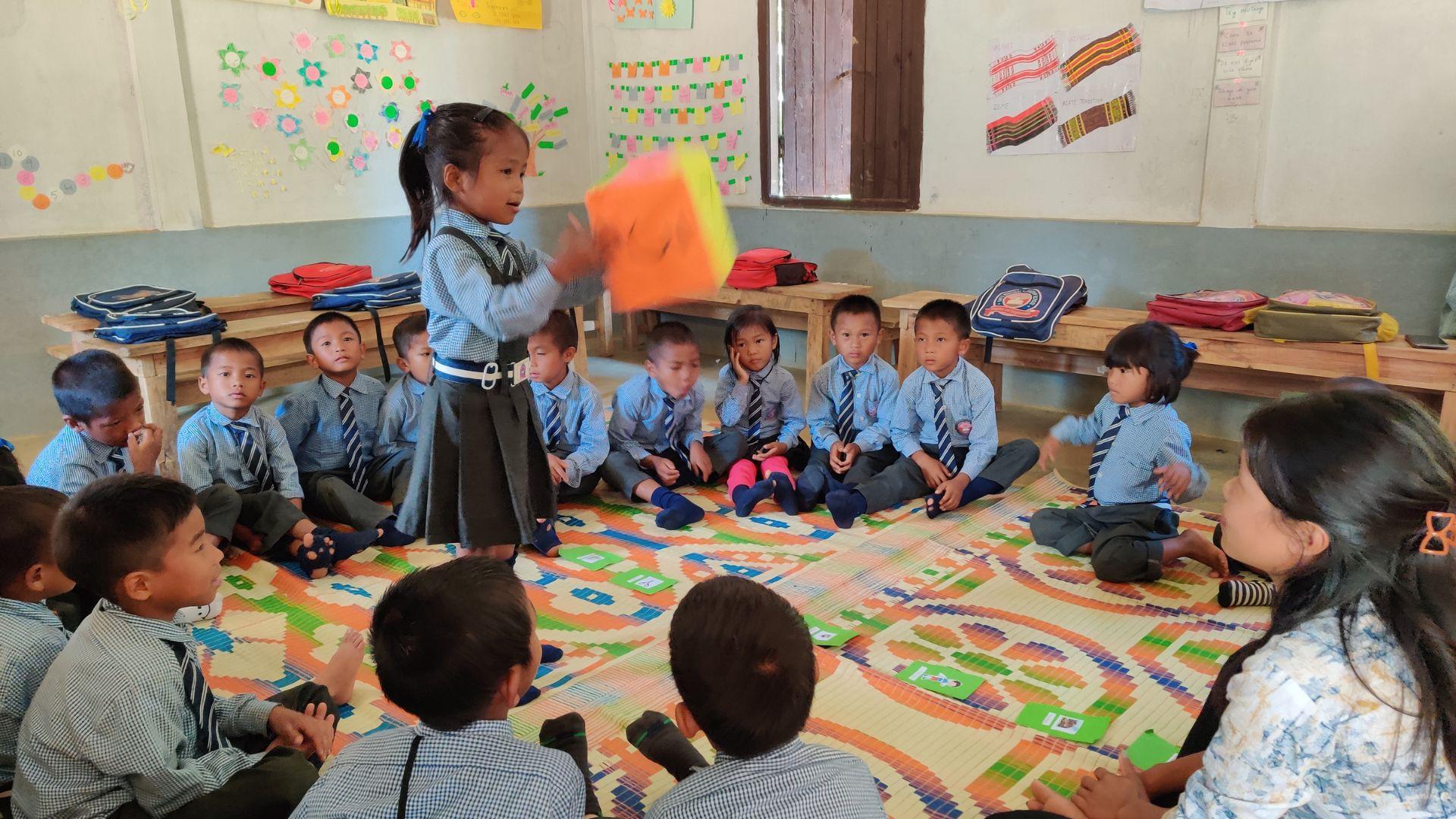









Amidst the verdant rolling hills and dense forests of a remote and underdeveloped corner of Assam’s Dima Hasao district lies the tiny village of Mualdam. The hamlet was so isolated that it earned a reputation as a “hidden village,” only recently appearing on Google Maps. Mualdam is located just 48 kilometres from Haflong, the district headquarters, yet, because of treacherous mud tracks and near-impassable terrain, the journey can take up to seven hours in fair weather and sometimes an entire day during the monsoon season.
Mualdam is home to barely 50 households of the small Biate tribe. The Biate language, belonging to the Kuki Chin branch of the Tibeto-Burman language family, is closely related to Mizo and is now considered severely endangered. In the past, the peaceful Mualdam community was often caught between rival militant groups of neighbouring tribes. Life in this isolated settlement remains fraught with hardship. Electricity is limited, water scarcity is common during the dry months, and until recently, there was no mobile network connectivity. The nearest medical facility lies over five hours away, and this remoteness has, at times, led to tragic and preventable deaths, including among women in labour.
With few livelihood opportunities in and around the village, many young people have been compelled to migrate to towns and cities in search of work or education. Those who remain behind survive largely as subsistence farmers, hunter-gatherers, or daily wage labourers, enduring difficult conditions with remarkable resilience.
It was against this backdrop of hardship, isolation, and resilience that a young villager named William Ngamlai began to reflect deeply on his community's future. For decades, children in Mualdam had virtually no opportunity to continue their education beyond the primary level within the village itself. Those who wished to study further had little choice but to leave for towns such as Haflong or even Guwahati. Such a transition demanded far more than money. Families needed social connections, emotional preparedness, and the confidence to navigate unfamiliar environments — resources that most simply lacked.
Even for those who managed to leave, the transition was often overwhelming. Many struggled to cope with the demands of structured schooling systems after years of weak foundational learning. Language barriers, unfamiliar surroundings, academic gaps, and the emotional strain of living away from home compounded the difficulties. A significant number eventually returned to the village without completing their education. Dropping out was not an isolated occurrence but a recurring pattern that spanned generations.
Because he had lived them himself, William understood the hardships his people faced. Having struggled through an education system for which he was poorly prepared, having faced financial hardship, illness, and the pain of dropping out, William could easily have accepted the limitations imposed by geography and circumstance. Instead, he chose to return to his remote village and confront the very problem that had held back generations before him. Having witnessed firsthand the limitations imposed by poverty and the lack of educational opportunities, he became convinced that education was the missing ingredient holding back his people's progress and decided to build a school for the village.
Without institutional backing, formal training, or financial security, William began with little more than conviction. He gathered old textbooks, persuaded hesitant parents, converted his own home into a classroom, and convinced a community long accustomed to disappointment that education could become a pathway to a different future.
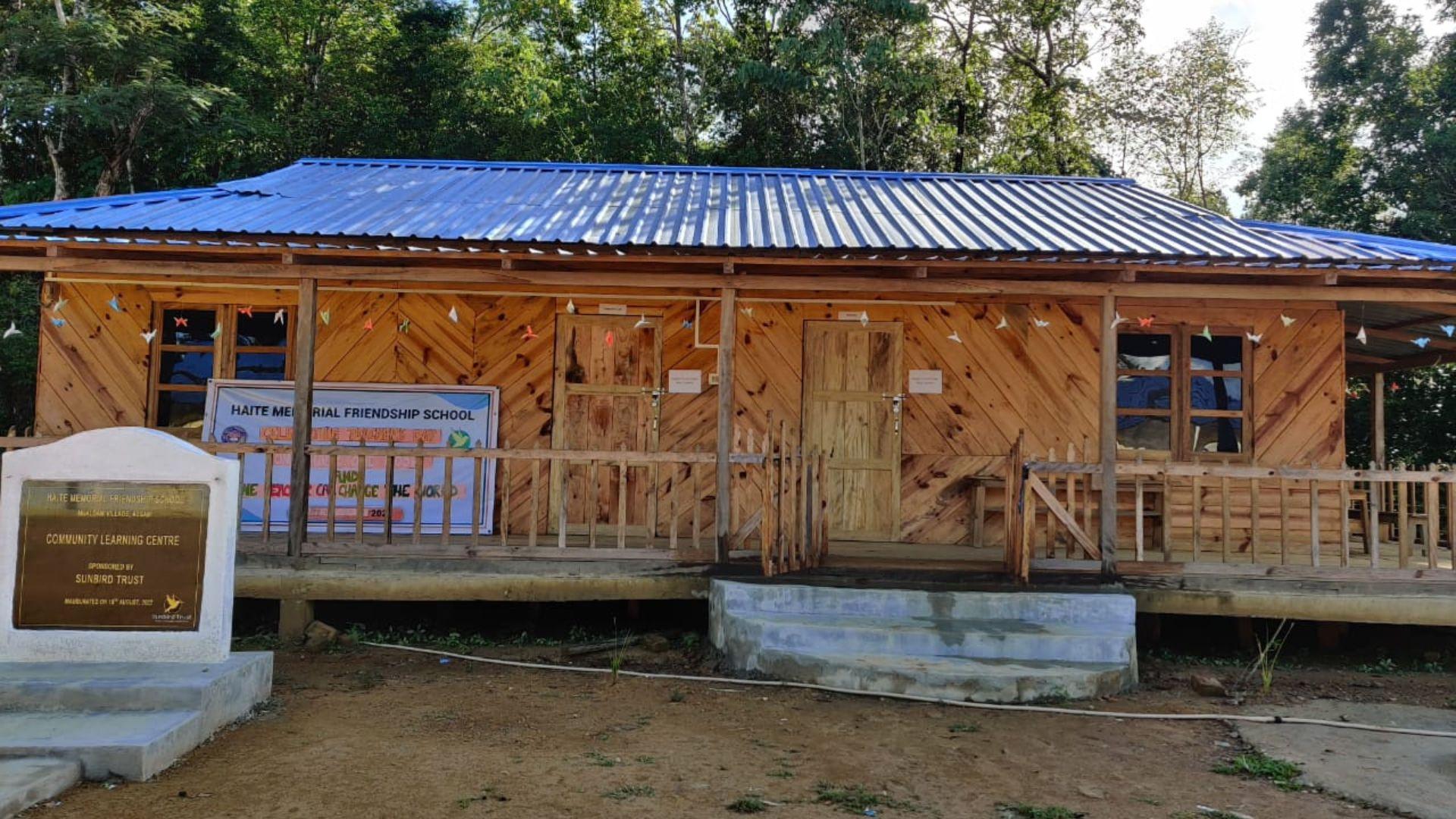
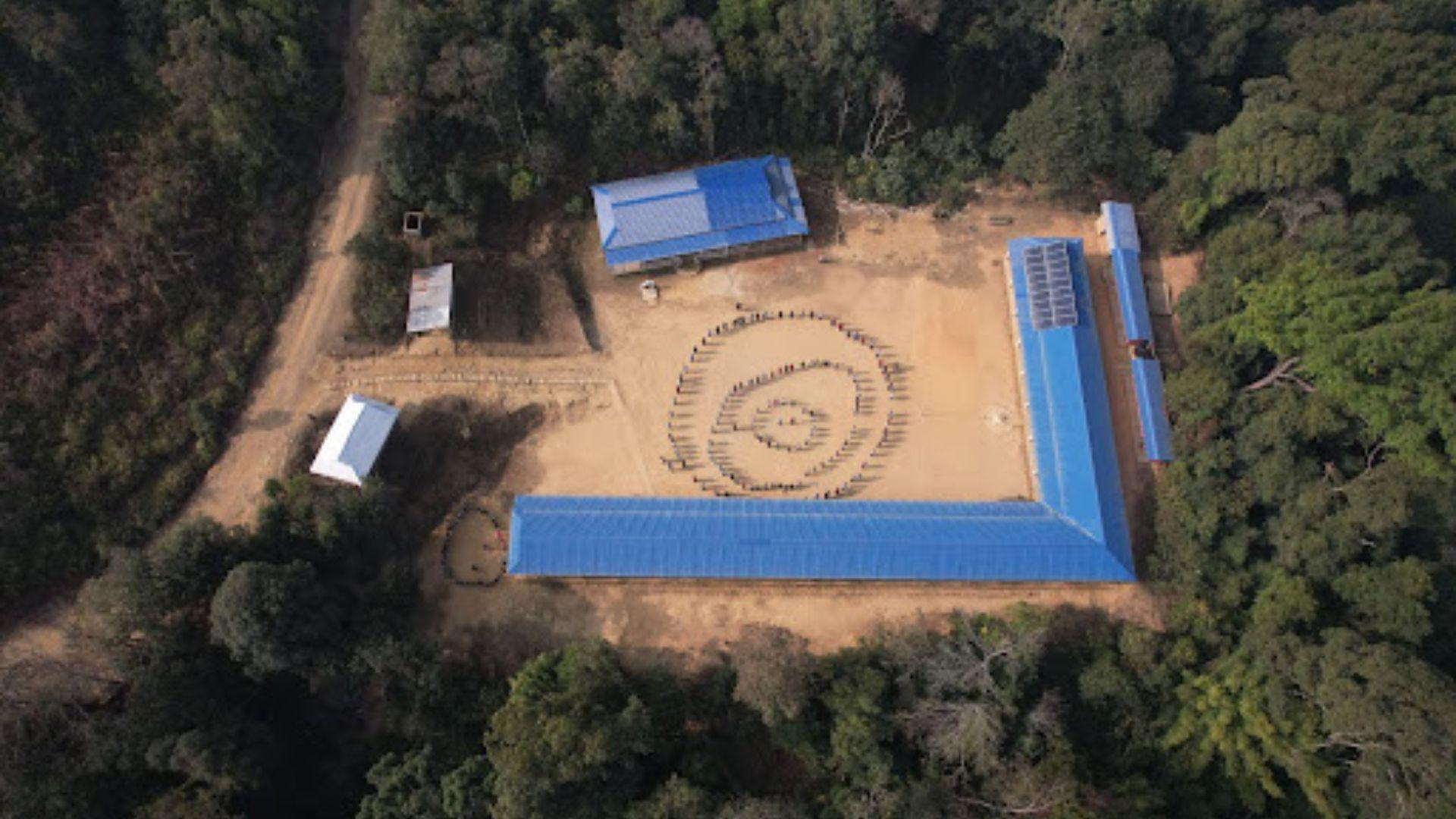
The immense challenges faced by Mualdam and William’s extraordinary commitment and leadership drew the support of Sunbird Trust, an NGO working across northeast India, whose philosophy of Peace through Education aligned deeply with his own vision. With the help of its own generous donors and significant logistical help from the Assam Rifles, Sunbird Trust began supporting the school through sponsorships, teacher support, infrastructure development, and educational mentorship. Yet again, William’s family rose to the occasion and contributed land for a permanent school. A watershed moment was the inauguration of a brand-new school building on 15th August 2021. In the next four years, a computer laboratory, science laboratory, hostel and additional classrooms were added.
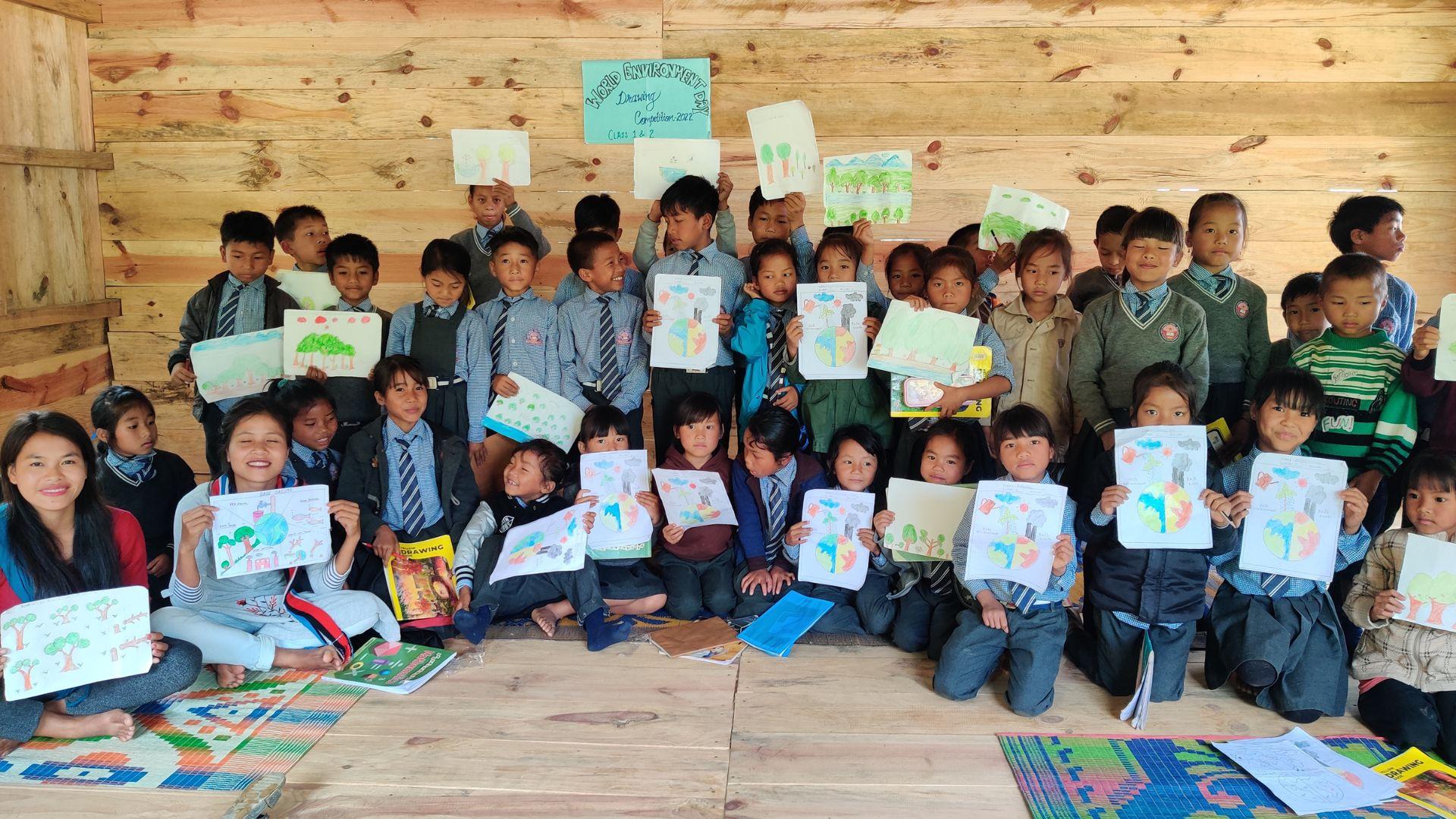
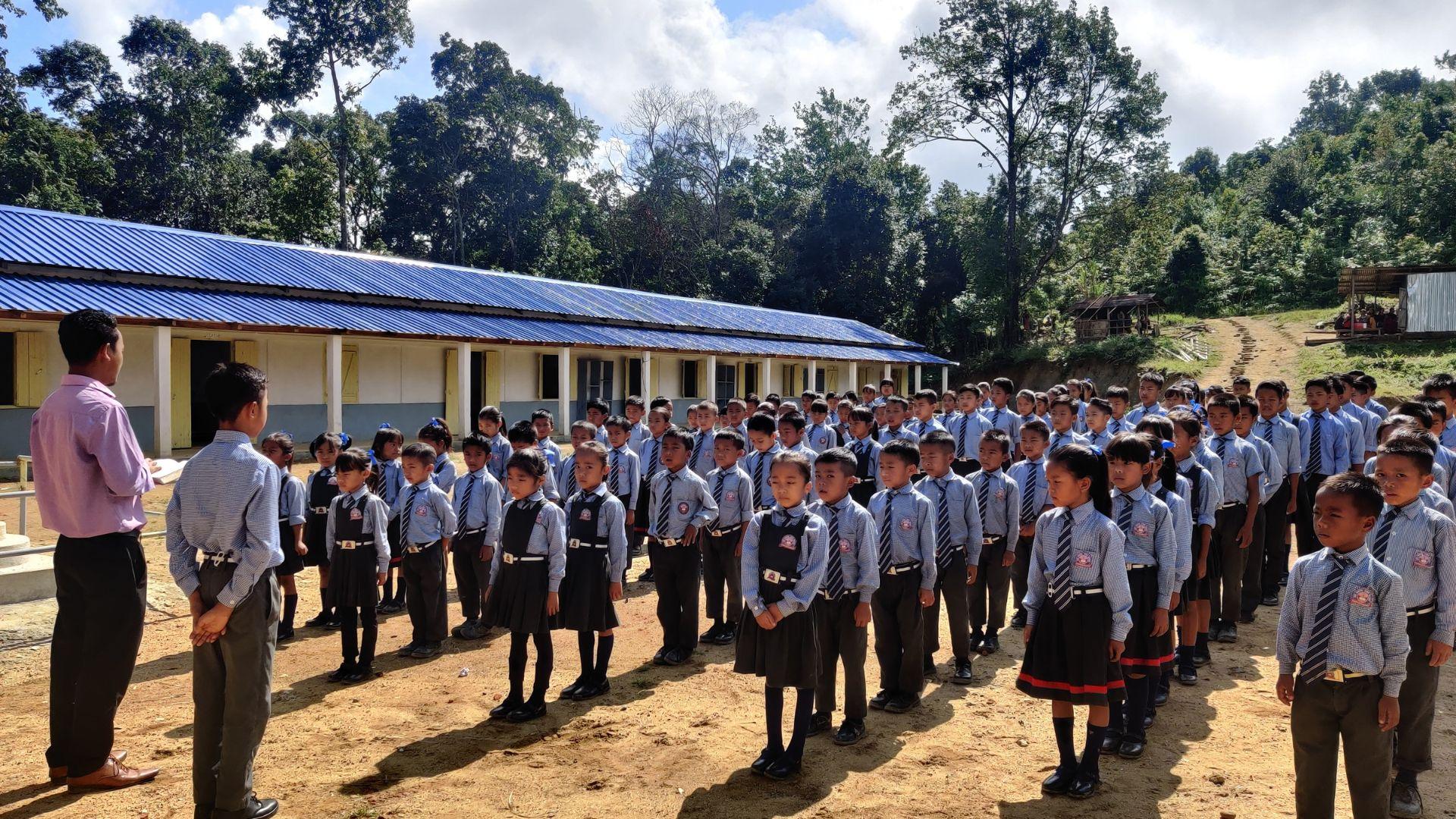
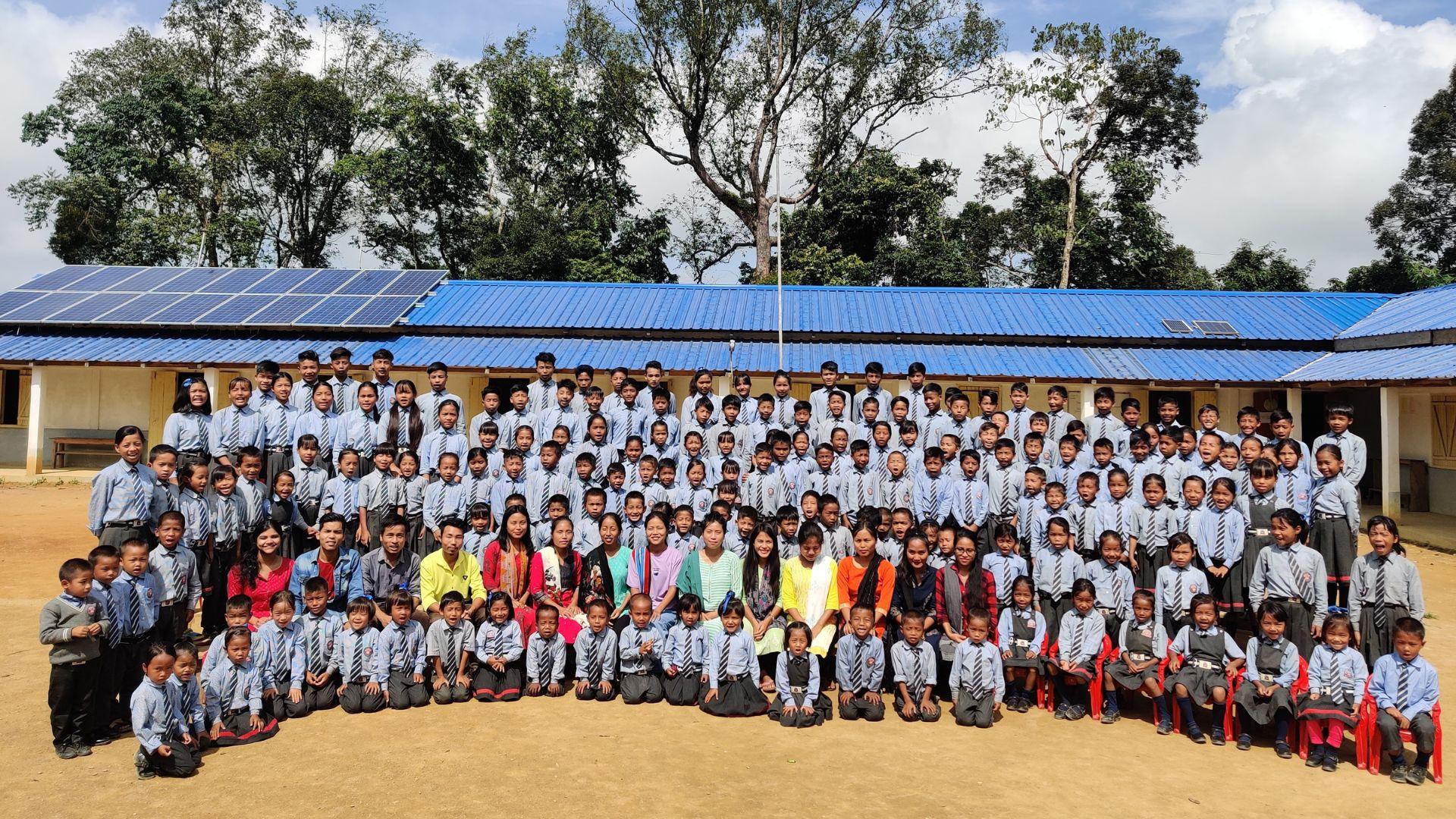
Today, the fledgling institution that began in 2017 in a modest dwelling in a remote forest hamlet with just 29 children is a matriculation school that is shaping the futures of over 240 youngsters, with enrolment continuing to rise each year. The school now functions as a matriculation school with classes up to Class X. In a proud milestone for the community, its first batch of Class X students successfully cleared the Assam State Board examinations in April 2026, several securing first division marks. Sunbird Trust CEO Aliasgar Janjali reflects, “Building an entire school in such a remote and challenging region is always a significant undertaking. However, thanks to William’s vision, resilience, and astute leadership, the initiative has flourished into a truly transformative institution that will positively impact hundreds of children and their communities for decades to come.”
Yet, the impact of William’s work extends far beyond academics. In a region historically affected by insurgency, alienation, and underdevelopment, the school has emerged as a quiet but powerful instrument of peace and national integration. Children from different tribes now learn and grow together in an atmosphere of shared identity and mutual respect. Education here is not simply about literacy or employment; it is about creating informed, confident young citizens with hope, purpose, and a sense of belonging within the Indian nation.
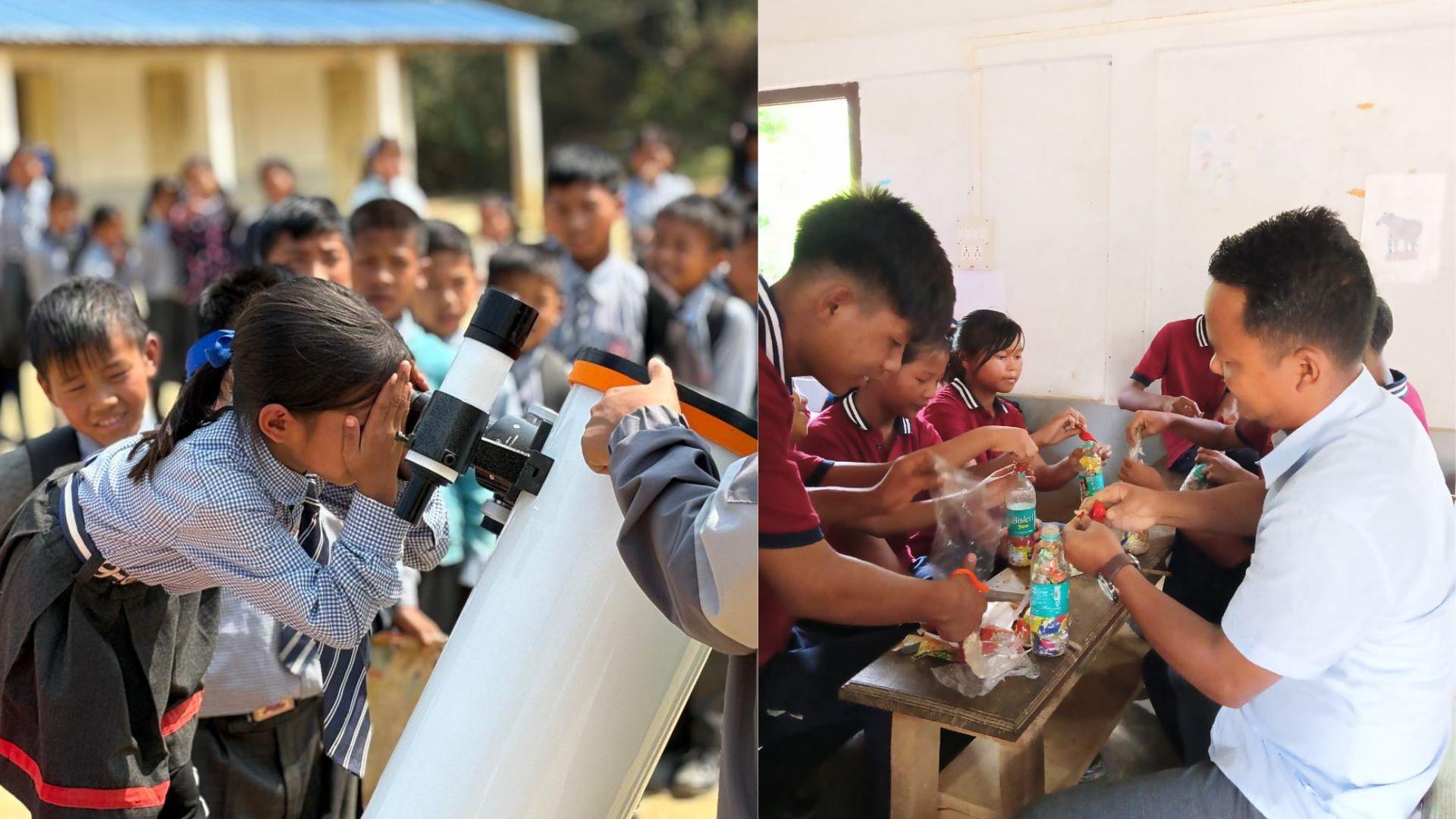
The transformation in Mualdam has touched every aspect of community life. Hunting has reduced, birdlife has returned, village cooperation has strengthened, and renewed pride has emerged around preserving the endangered Biate language and culture. Solar lanterns and street lights now illuminate several neighbouring villages that once disappeared into darkness each evening. What began with borrowed books and almost no resources has evolved into the developmental nucleus of an entire group of villages.
For William, however, the journey is still only beginning. The children who once sat on the floors of his small home are today preparing for board examinations, higher studies, and careers that earlier generations could scarcely imagine. In the years ahead, many of them will become teachers, nurses, entrepreneurs, civil servants, and professionals — the first graduates from their families and perhaps from their villages. Their success will not only uplift their own households but also gradually reshape the destiny of their entire community.
The story of Mualdam is ultimately the story of what becomes possible when courage, resilience, and vision come together in service of others. In one of the country’s most remote corners, a young man refused to accept that poverty, isolation, and conflict would define his people forever. Instead, William Ngamlai chose to build a school.
And in doing so, he helped build hope, dignity, peace, and a future.
此内容由惯性聚合(RSS阅读器)自动聚合整理,仅供阅读参考。 原文来自 — 版权归原作者所有。