





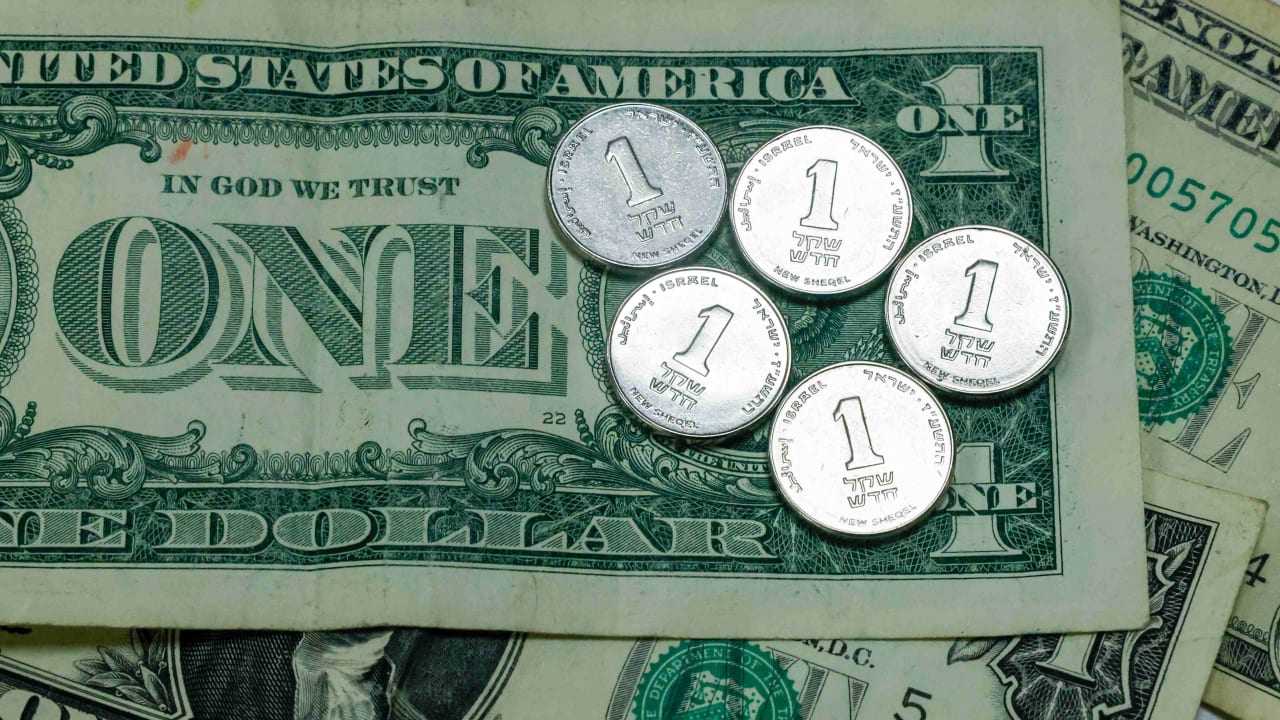
The shekel’s surge is turning export growth into a margin squeeze. The dollar-shekel exchange rate has fallen below NIS 3 for the first time in more than 30 years. Over the past year, the dollar has lost roughly one-fifth of its value against the shekel. For Israeli exporters, the meaning is immediate: revenues are still booked in dollars, while wages, energy, financing, and most operating expenses remain in shekels. Each dollar earned buys less at home.
According to Export Institute figures, 2025 was a record year for Israeli exports. Total exports reached $164 billion, up 10%. Services exports crossed $90 billion for the first time, while goods exports stood at about $72 billion. Those are impressive headline numbers. Yet a dollar-denominated record means less when the dollar itself is weakening. As recent Jerusalem Post reporting on Israeli exports and coverage of Israel’s deep tech and AI economy showed, resilience on paper does not erase the pressure building underneath. The shekel’s appreciation is eroding those gains in real terms, and beneath the topline figures, the gaps between sectors are widening.

The US is, and will remain, Israel’s most important strategic partner. Precisely for that reason, the concentration of export exposure there matters. An analysis by the Israel Export Institute found that roughly 40% of Israel’s high-tech exports, about $38 billion, go to the US market. Since 2020, high-tech exports to the US have jumped by about 180%, and that growth accounts for roughly half of the total increase in Israel’s high-tech exports over that period.
Profit follows the customer
When profitability weakens and the customer base sits in the United States, companies eventually move closer to both. That process is already underway. The pace of new startup formation has slowed. Recent Innovation Authority data showed a 6.5% decline in R&D roles. More entrepreneurs are choosing to incorporate in Delaware. If Israel stops giving companies strong reasons to stay, today’s export figures will become tomorrow’s relocation statistics.
Israeli industry has spent six consecutive years in an unusually harsh operating environment: the COVID pandemic, inflation, high interest rates, the constitutional crisis, the Iron Swords War, the confrontation with Iran, a surging shekel, and new US tariffs. There has been no true return to normal. Industrial high-tech exports reached about $25 billion in 2025, still below their 2022 level. Logistics constraints, airspace disruptions, reserve duty, and shortages of foreign workers have hit industrial exporters especially hard. These are the companies that manufacture, hire, and anchor Israel’s periphery.
This pressure is personal
Behind the charts and exchange-rate tables stand a factory in the Galilee, an export manager in the south, and a worker called up for yet another round of reserve duty while his company struggles to fill orders and keep production moving. This scenario is the human face of currency appreciation and policy delay.
The Bank of Israel has shown that it can act when necessary. In October 2023 it launched emergency programs worth billions of dollars. The Bank of Israel also agreed to receive tax proceeds from the Wiz deal in dollars to help moderate pressure on the exchange rate. That kind of intervention matters. It is not enough on its own.
A government response has to match the scale of the problem
Israel needs tax policy that takes currency appreciation into account, real support for exporters hedging foreign-exchange risk, faster removal of wartime regulatory and logistics barriers, incentives that keep R&D centers in Israel, and relief for reserve soldiers employed in critical industrial sectors. The Finance Ministry, Economy Ministry, Israel Innovation Authority, and Bank of Israel all need to be at the same table, and soon.
There is also reason for confidence. Israel continues to produce major exits, attract billions in startup funding, rank among the world’s strongest concentrations of AI talent, and join leading international technology frameworks, including the Pax Silica initiative. The country’s challenge is clear: turn technological excellence into broad-based national growth. Success in cyber, software, and exits has to strengthen the wider economy, including industry, manufacturing, and the regions beyond the center.
In February, I used these pages to call for an emergency roundtable on exports. Two months later, the exchange rate has fallen further, and that table is still empty. Israeli exporters are not asking for favors. They are asking not to be left alone on the battlefield. At NIS 3 to the dollar, time matters.
Israeli exporters do not need concessions. They need the conditions that keep them fighting, producing, and winning.
The writer is chairman of the Israel Export Institute.