
The State Comptroller's report reveals that in the second half of 2025, the stock of cooking gas was about to run out due to damage to ORL (Bazan) and infrastructure delays.





About six months ago, Israel was just a few days away from an unprecedented crisis. Not because of a war, not because of a cyberattack, and not because of a strike on a strategic facility. The stock of cooking gas was about to run out.
The public continued with its daily routine and had no idea that behind the scenes, pressure was mounting in the LPG industry, as we first published back then on Walla. The strike on ORL reduced domestic production, stocks depleted rapidly, and all hope hung on a single ship that was on its way to Israel. A delay of only a few days could have led to an acute shortage of cooking gas across the entire country.
The ship arrived on time and prevented the crisis. But this event exposed just how fragile the supply system is for one of the most important basic commodities in the economy. An entire country was essentially dependent on a single shipment from abroad to ensure that millions of citizens could continue to cook, heat water, and operate businesses.
A report by State Comptroller Matanyahu Engelman states that this event was a warning sign. According to the report, Israel is not properly prepared to ensure a continuous supply of cooking gas, neither in routine times nor during emergencies, and it is exposed to a shortage of a basic product found in almost every home in Israel.
If there is one conclusion that emerges from the entire report, it is that one day Israel might simply be left without cooking gas. Not as a theoretical scenario on paper, but as a tangible possibility resulting from a long series of failures, delays, and uncompleted decisions.
The problem begins with the stock. Unlike other fuels, which the state knows how to store for extended periods, Israel's storage capacity for cooking gas is extremely limited. In the summer, the state holds a stock that is sufficient for only about 6 days of consumption, and in the winter, when gas consumption surges, the existing stock is sufficient for only about 3 days. The meaning is that if the supply chain is damaged for more than 72 hours, Israel could find itself in a real shortage of gas.
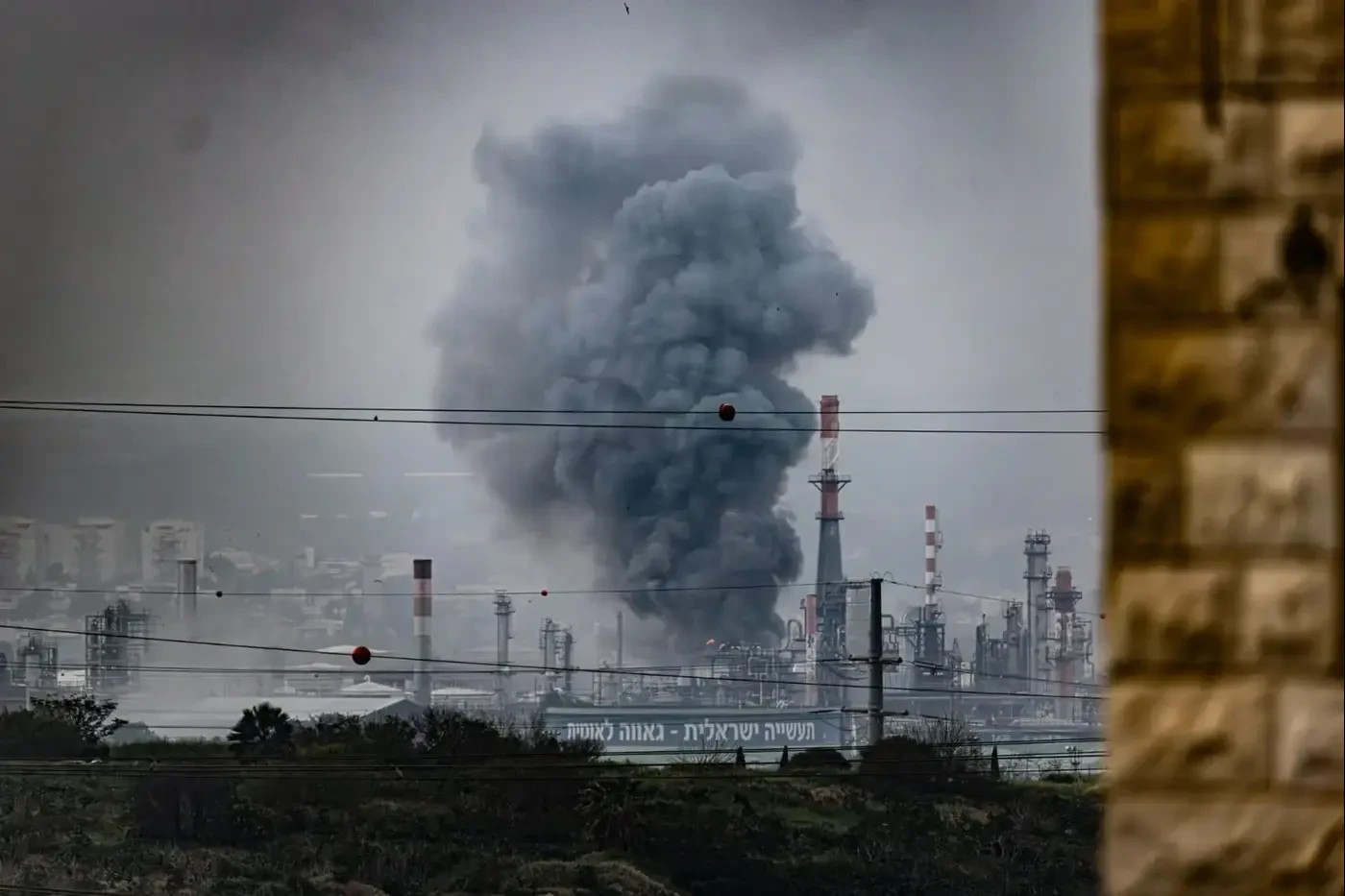
Added to this risk is the government's decision to close the Haifa refineries in the coming years. Currently, ORL supplies about 44% of cooking gas consumption in Israel and constitutes a central source of supply for the north of the country. However, the infrastructures that are supposed to replace domestic production are not yet ready. Alternative storage and import facilities in the north are delayed due to disputes, regulatory procedures, and foot-dragging by government ministries.
The option to rely on imports through the south is also far from providing a solution. The development of unloading and transmission infrastructures in Ashdod has been stuck for years. Disputes surrounding the operation of the facilities, a lack of regulated tariffs, and delays in advancing the project prevent the state from preparing to absorb the quantities of gas that will be required on the day after the closure of ORL. That is to say, even if ships loaded with gas arrive in Israel, it is not certain that it will be possible to unload them and flow the gas into the economy at the required pace.
This danger almost materialized in the second half of 2025. During the fighting, domestic production was damaged following a combination of technical malfunctions, defensive shutdowns due to missile threats, and maintenance work. Some of the shutdowns were not reported at all in advance to the Fuel Administration at the Ministry of Energy, which made it difficult to manage the event in real time. According to the report, the main reason that an actual shortage did not occur was that the events took place during a period when the demand for gas was relatively low. Had those same events occurred in the winter, the result could have been entirely different.
And there is another problem: As domestic production shrinks, Israel becomes increasingly dependent on imports and on a limited number of international suppliers. The meaning is that in the event of a security crisis, a business decision, or difficulties in insuring ships arriving in Israel, a situation could arise where the gas simply will not arrive. The state will not have an alternative source of supply to step in immediately.
此内容由惯性聚合(RSS阅读器)自动聚合整理,仅供阅读参考。 原文来自 — 版权归原作者所有。