
The Leviathan and Karish reservoirs were shut down to reduce the risk of being hit when Operation Roaring Lion began on February 28th
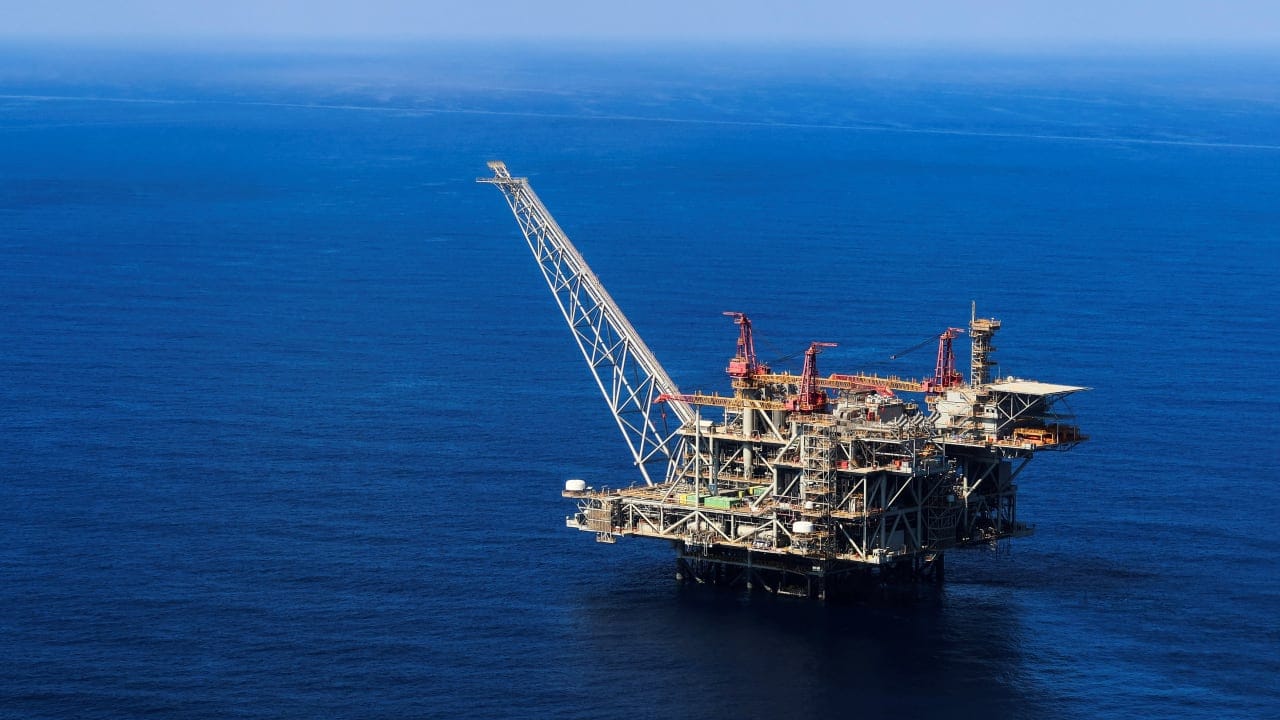


Israel’s Leviathan offshore natural gas field has resumed operations after over 30 days of inactivity since the outbreak of Operation Roaring Lion. The country’s largest field is again producing gas for the benefit of the domestic economy and exports to Egypt and Jordan.
The Tamar gas field is the only offshore rig that has been operating so far during the war, and as in the previous war with Iran, there has been a dramatic increase in the use of coal and diesel for electricity production, compared with routine times. Energean’s Karish reservoir has not yet resumed operations.
The Energy and Infrastructure Ministry said, “Following assessments of the situation and examination of all relevant considerations, it has been decided at this stage to resume operations for the Leviathan rig. The supply of natural gas to the domestic economy continues and will now be increased following the integration of another platform into the production system.”
On Saturday, February 28, when the current campaign against Iran broke out, the Leviathan and Karish reservoirs were shut down to reduce the risk of being hit. On the other hand, of course, relying on only one gas reservoir also slightly increases risks.
During Operation Rising Lion against Iran in June, the Tamar reservoir served Leviathan’s customers as much as possible, and the coal-based power plants increased activity beyond normal. During peak demand times, Israel’s emergency fuel (diesel) was also activated to provide the power plants with the ability to continue operating. Back then, the war was only 12 days long. Currently, it has lasted double that, thus increasing pressure from the economy to reopen the reservoir.

Another consideration in favor of reopening the Leviathan field is the energy shortage in Egypt and Jordan, as they rely significantly on Israeli gas, especially because of the blockade of the Strait of Hormuz, which prevents gas exports from Qatar.
Significant blackouts have occurred in Jordan and Egypt in recent weeks to save energy, following disruption in gas supplies from Israel. A combination of pressure from those countries, and the need to be a relatively reliable supplier even in troubled security times may have tipped the scales in favor of reopening Leviathan at this stage.
This pressure has not been placed on Energean, which operates the Karish and Tanin offshore reservoirs in the north of the country. But another consideration, apparently, is the fact that the Karish platform is not very far from the Lebanese coast, in a region where Hezbollah is active. An attack on the gas reservoirs is a scenario that probably worries the Defense Ministry and the Israeli navy, responsible for protecting Israel’s gas fields.
BDO Consulting Israel’s chief economist, Chen Herzog, advisor to the Natural Gas Association, estimates that the closure has cost Israel NIS 1.5 billion in the last month in electricity production costs, lower gas royalties, and a decrease in natural gas company assets – NIS 1b. from the Leviathan field and NIS 500 million from the Karish field.
Energean, the operator of the Karish platform, which remains closed, said it “welcomes the resumption of operations at the Leviathan platform, and the indication that risk assessments now support increased offshore production. The company remains in close engagement with the Ministry of Energy and security authorities regarding the status of Karish.
“While operational decisions are shaped by asset-specific security considerations, Karish remains a critical component of Israel’s energy system, supplying a significant share of domestic demand. Energean expects that, as conditions permit, actions will be taken soon to enable the prompt and safe return of Karish to production,” Energean stated.
此内容由惯性聚合(RSS阅读器)自动聚合整理,仅供阅读参考。 原文来自 — 版权归原作者所有。