


On paper, owning a sports team is a bottomless pit: The pitch bleeds cash, the fans are ungrateful, and losses are almost guaranteed. So why are businesspeople, entrepreneurs, and senior executives lining up to buy them?
According to a State Comptroller report from May 2024, the revenues of Premier League football teams stood at NIS 671 million in the 22/23 season, and despite this, seven out of the 14 teams ended that season with an accumulated loss of NIS 49 million.
The accumulated deficit in equity of the top league teams also jumped from approximately NIS 237 million at the end of the 99/2000 season to an accumulated deficit totaling NIS 281 million in 22/23, with 19 out of the 28 teams in the top leagues presenting negative equity.
The figures in the report paint a bleak economic picture, in which most Israeli football teams lose money on an ongoing basis, while revenues from broadcasting rights are minuscule compared to Europe or the US, the local sponsorship market is limited, and many infrastructures remain outdated. All this further sharpens the question mark surrounding the choice of local businesspeople to acquire ownership of teams.
The latest example of an acquisition of a sports brand is that of Arik Shtilman, CEO and co–founder of the Israeli fintech unicorn Rapyd, who moved to the next stage in his relationship with the Maccabi Tel Aviv basketball team – from main sponsor to a shareholder holding about 14.5% of the team.
It should be noted that Maccabi Tel Aviv operates as a non–profit association run around a balanced budget, and in 2024 it reported a budget surplus of approximately NIS 383 thousand. However, it was ranked 14th in the team wage bill of its players with up to approximately 9.5 million euros per season.
For comparison, the expenditures of Turkish Fenerbahçe, for example, on its players stand at up to approximately 16.5 million euros, of Hapoel Tel Aviv at up to 20 million euros, and of Greek Panathinaikos with up to approximately 27 million euros (according to the basketnews website).
As a main sponsor, it was reported that Rapyd committed to three million dollars a year for seven years, which are offset as a marketing expense for the company. As one of the owners, it was reported that Shtilman had to part with about 21 million dollars – the value of all the years of sponsorship combined.
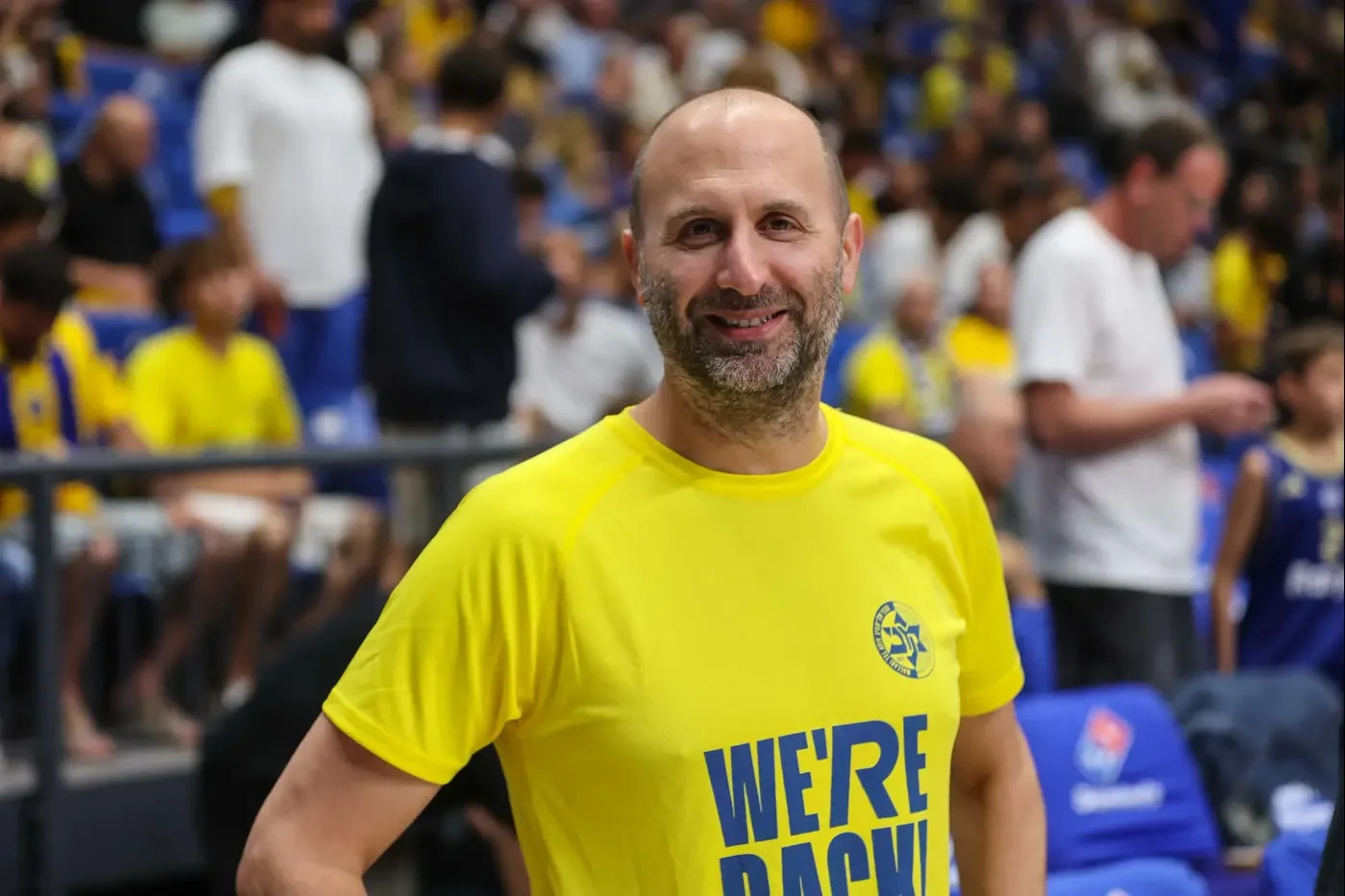
In the local high–tech industry, they were not surprised by the acquisition, but various figures in the economy began to wonder whether it stemmed from the entrepreneur's desire for a "new toy, more expensive than a private jet and less profitable than real estate," as they put it, or whether it was a cold economic decision.
It is possible that the soul of business owners cries out for ownership of a sports team or seeks to fulfill a childhood dream, but the question their peers are asking is what is that same X–factor that those entrepreneurs and businesspeople managed to see beyond the Excel, which their accountants' calculator missed.
More than the S&P
A J.P. Morgan survey among 111 investment houses of families with a combined wealth of 500 billion dollars found that between the months of March to August 2025, about a fifth of the investment houses invested in and held sports assets, compared to about 6% at the beginning of 2022.
It was also found that their investments bypassed investments in luxury assets, and thus 34% of the investments made by the families were channeled to sports teams and stadiums, compared to 23% for art and 10% for cars. Sports, according to the survey, turned from a luxury into an economic strategy.
And it works – but abroad. The average annual return of the four major sports leagues in North America – the NFL (football), the NBA (basketball), the MLB (baseball), and the NHL (ice hockey) – bypassed almost any other asset class in the last two decades, with an average annual return of 13.2%, according to the Ross–Arctos Sports Franchise Index, developed by the University of Michigan Ross School of Business.
The average franchise value in the NFL league, for example, stood in 2024 at 6.5 billion dollars according to CNBC, with the increase in team values stemming mainly from growing broadcasting contracts.
The latest broadcasting contract of the NBA, for example, was reported to stand at 76 billion dollars, 2.6 times the previous broadcasting agreement, and it yields about 200 million dollars on average to each team per year.
According to Forbes, NBA teams presented a jump of about 596% in their value over the last decade, with the average franchise value standing at the end of 2024 at about 4 billion dollars. The Golden State Warriors alone were valued at about 11 billion dollars, followed by the Los Angeles Lakers, with an estimated value of about 10 billion dollars.
In 2024, the 30 teams in the league were valued at approximately 133 billion dollars aggregately, compared to 86 billion in 2022 – a jump of 55% in three years.
NFL league teams also enjoy high broadcasting contracts, which alongside commercials brought in an amount of about 25 billion dollars a year, with about 750 million dollars of them, according to estimation, originating from the Super Bowl event alone – the most watched sports event in the US, with about 130 million American viewers alongside about 60 million more from around the world.
The value of American football teams in this league soared by about 600% on average in the two decades leading up to 2022, and an example of the rise in team values is provided by the sale of the Washington Commanders in 2023 for 6.05 billion dollars, which represented a return of 656.25% on the original investment price held in May 1999. For comparison, the S&P500 index rose during the holding period until the sale by about 245%.
The central spotlight
Alongside revenues from growing broadcasting contracts, sports clubs are known for commercializing the team brand for the benefit of merchandise sales, which brings in an estimated amount of about 20 to 40 million dollars a year, depending on the team, sports discipline, etc. But not all teams that business owners and entrepreneurs acquire are in the top leagues, and most acquisitions are actually in the lower leagues.
Paul Marino, Chief Revenue Officer at the American ETF company Themes ETFs, explains that: "Unlike the top leagues, and especially those in the US, where teams enjoy massive revenues from broadcasting rights, sponsorships, and global commercialization, acquiring a sports team in lower or mid–level leagues relies on a different kind of economic logic. These are usually teams dealing with financial difficulties, and therefore an investor with management capabilities and available capital can enter at a significantly lower price than the cost required to build a public brand with similar influence. In addition, a sports team is an asset with image value, where the acquired club is usually one of the strongest and most identified brands in the local community.
"A businessperson who enters as the owner of that team is immediately perceived as the central figure in the city or region where that sports club is active, and gains public, media, and community exposure that would have cost him millions of dollars had it been acquired through traditional marketing campaigns.
"On the other hand, a club is not just broadcasting contracts and advertising in the local community – it is also a commercial business avenue that includes corporate hospitality, community activity, youth departments, and use of the team's facilities outside of match days, which constitute sources of income that in many cases are not managed optimally. An owner with a business vision can improve efficiency and significantly increase the economic value of the club over time.
"However, the central reason for which many businesspeople enter the field is the potential for value enhancement such as promotion to a higher league, upgrading a stadium, an increase in revenues from broadcasting rights, or the strengthening of the club's brand, which may lead to a significant jump in its value. In this sense, acquiring a sports team is similar to investing in an asset with high growth potential, where a large part of the value is derived from the audience's emotional connection to the club and not just from the financial statements."
Alongside this, sports teams drain millions of NIS a year from the owners' pockets for holding and maintaining real estate and stadiums, operational and manpower costs, compliance with regulatory and safety rules – and mainly the massive sums paid to managers and players.
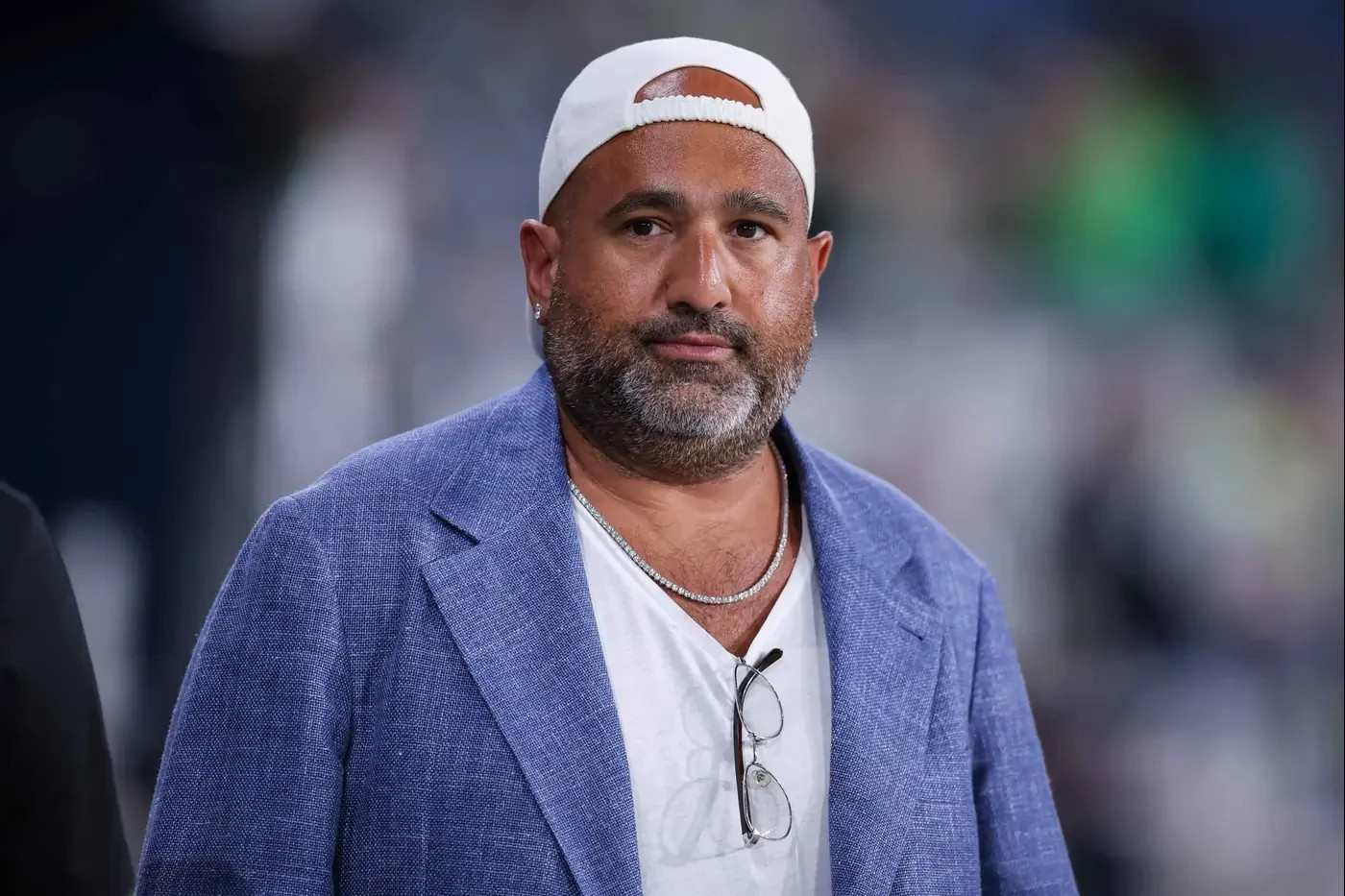
Mally Bitzur Parnes, CEO of the consulting firm Tefen, illuminates this aspect from the local point of view and explains that: "The conduct of sports in Israel is not close to the numbers of well–known teams abroad, which have tens of millions of local fans alongside tens and even hundreds of millions of additional fans around the globe, who dream of attending their games and are eager for their merchandise. And despite this, acquiring a sports team has economic advantages and not just emotional value – in Israel as well. One of the advantages is in rubbing shoulders with senior figures from the worlds of local government, government ministries, regulators, politicians, and celebs, who frequent the stands.
"Given that these figures are fans in the full sense of the word, then they identify themselves as part of the same 'milieu' of the owner and therefore conduct themselves towards him in a manner reminiscent of conducting oneself towards 'one of the family'. Given that these figures are not 'die–hard fans', they will be happy to ride on the advantages of the sports club's values and its fans or alternatively on the publicity that accompanies them.
"It is important to remember in this aspect that sports news is among the most read news in the local media, and that those senior figures even sometimes compete among themselves over who will manage to get the coveted photo from the stands of the teams with which they are identified or want to be identified. Ownership of a sports team therefore becomes a gateway allowing the contact of those officials with the sports club, its fans, and the image that accompanies this, an image such as a political–social–value direction that is identified with certain sports brands, where among the values one can also find nationalism, philanthropy, and health. In the end, an owner of a football team steers a crowd of fans that from a business perspective can be defined as a captive customer base. For a mayor, for example, this is very significant and can help or sabotage election, and in certain sports clubs this even spills over to the national level.
"It is possible that this also assists the owner in opening doors at the municipality and government ministries or in a more 'flexible' decision–making regarding his projects, a positive outlook regarding offsetting his contribution to the city or the region through the team against these or other costs, and more. And to all these are also added the holding of the club's real estate which is sometimes significant, alongside regulation and taxation benefits."

CPA Guy Meller, Partner and Head of Sports and Leisure at the consulting and accounting firm BDO, sharpens and adds that: "A team owner enjoys holding one of the ideal networking and proximity arenas to decision–makers – the VIP box in football stadiums or basketball arenas, which are the place where emotions come out and a 'connection' takes place between the fans. This is the strongest business 'hub' in Israel.
"And if to give this a slightly more practical tone, then in B2B transactions the connection of real estate people or infrastructure contractors and their like..." with the local authority is critical, and not for nothing part of the owners of local sports teams in Israel's cities are businesspeople of this type. Thus, the period of time to schedule a meeting, which sometimes also requires the involvement of lobbyists etc., shortens and becomes available than ever and allows the promotion of options with a handshake at the half–time break."
But besides accessibility to regulators and fan politicians, Meller adds that team owners also enjoy tax benefits, a tailwind for large transactions in the economy, and the expansion of business reputation: "Instead of a team owner injecting support estimated at millions of NIS out of his personal profits, which is money on which tax has already been paid which is usually high, his profitable company sponsors the team and offsets it as a legitimate marketing expense for the business, which admittedly reduces the profit on one hand, but also generates for him a kind of legal tax shield, and constitutes an efficient channel for using surplus cash flow and cash of the parent company on the other."
In other words, the team owner funds the team with pre–tax money, not after–tax, and for every NIS he injects into the team, the state, through the offset against income tax, also injects into the team the relative part that was supposed to enter its coffers.
Meller adds that: "Under certain legal structures it is possible to classify the team's activity as business–oriented with profit potential. For example through the development of players, or offsetting business losses from the club's business activity against profits of other companies in the owner's business group. However, it is important to remember that this works both ways and the Tax Authority examines meticulously every player sale transaction or offset.
"If we examine this through the eyes of the high–tech companies' interest in sports, for example, then the entry of technology and fintech companies into sports is aimed in my view at a double purpose: Employer branding among other things by broadcasting a facade of financial strength and raising a public profile, which is usually done ahead of an IPO or capital raising.
"Thus for example the company Playtika served as the main sponsor for Maccabi Tel Aviv in basketball during the peak competition period for Israeli high–tech workers, and in my view did so among other things to brand itself during this period as a fun company competing in the top league. It is worth noting further that the company also served as a main sponsor when its IPO on NASDAQ was executed, I will remind, according to a value of about 11 billion dollars. Now Rapyd has replaced it, and we must wait and see what the day will bring.
"Also the transition of the restaurant entrepreneur Barak Abramov from ownership of the Bnei Yehuda team to Beitar Jerusalem constitutes a classic example in my eyes of upgrading the business and image platform, and not necessarily a story of team fandom. Bnei Yehuda served in my opinion as an entry ticket for Abramov into the world of sports, and when he felt that he had reached with the club the glass ceiling that the team could grant to the food empire he built, he began to examine a transition to ownership of another team, and indeed moved to Beitar Jerusalem, one of the largest, most covered clubs and one that is also considered one of the most influential in Israel, which bounced Abramov to the front of the media and public stage.
"The move intensified his media exposure alongside that of his food brands, which in my view contributed to the ripening of the giant transaction signed during May, in the framework of which he sold about a fifth of his holdings in his food group (which includes the Japanika chain) according to a value of about NIS 1 billion.
"If all this were not enough, then team owners, and football in particular, also enjoy in most cases the use of the team's real estate, and sometimes also its replacement or enhancement. The examples of evacuating old sports pitches from city centers for the benefit of luxury residential neighborhoods, as we saw for example in the Hamakhtesh Stadium in Givatayim or HaKufsa in Netanya, yielded the developers and owners massive profits and in fact turned the old football pitch into the club's strongest real estate engine."

Profit outside the report
It is possible that Shtilman's transaction was more calculated than meets the eye. Shtilman previously called Maccabi Tel Aviv basketball a "perfect platform" for Rapyd, and recently referred to the future growth of the EuroLeague league into new markets in the Middle East and Asia – markets where Rapyd itself is active.
In this sense, Maccabi Tel Aviv can become a kind of international bridge for Rapyd, with Shtilman now being in a position allowing him to steer the team's policy, including the choice of commercial partners, sponsors, and expansion targets.
The paradox of sports teams therefore is the possibility of the owners to lose money every year – and still make a good deal. According to S&P Global, sports deals reached in 2024 a peak of 31.64 billion dollars, which are four times their volume in the year 2023, and still many teams continue to publish annual operating losses.
But what is apparently not recorded in the report is the brand value, which upgrades the owners' investment portfolio, allows tax savings stemming from the ownership structure, allows status and access to power networks, and constitutes a potential for capital gains in the event of enhancement.
These hidden premiums are apparently those driving the businesspeople and entrepreneurs, who know how to calculate risks, to acquire an asset that they see as strategic, a tax shield, and even an international springboard, wrapped in a branded and sweaty sports shirt.