
惯性聚合 高效追踪和阅读你感兴趣的博客、新闻、科技资讯
阅读原文 在惯性聚合中打开

推荐订阅源

T
Tenable Blog
MyScale Blog
MyScale Blog
罗磊的独立博客
Hugging Face - Blog
Hugging Face - Blog
Threat Intelligence Blog | Flashpoint
爱范儿
爱范儿
博客园 - 司徒正美
D
Darknet – Hacking Tools, Hacker News & Cyber Security
量子位
N
News | PayPal Newsroom
S
Secure Thoughts
酷 壳 – CoolShell
酷 壳 – CoolShell
L
LINUX DO - 热门话题
有赞技术团队
有赞技术团队
V
Visual Studio Blog
T
Tailwind CSS Blog
奇客Solidot–传递最新科技情报
奇客Solidot–传递最新科技情报
Project Zero
Project Zero
B
Blog RSS Feed
J
Java Code Geeks
Google Online Security Blog
Last Week in AI
Last Week in AI
Cyberwarzone
Cyberwarzone
Exploit-DB.com RSS Feed
小众软件
小众软件
博客园 - 【当耐特】
Latest news
Latest news
T
Threat Research - Cisco Blogs
aimingoo的专栏
aimingoo的专栏
博客园_首页
博客园 - 三生石上(FineUI控件)
Engineering at Meta
Engineering at Meta
D
Docker
Forbes - Security
Forbes - Security
Help Net Security
Help Net Security
Apple Machine Learning Research
P
Proofpoint News Feed
cs.CV updates on arXiv.org
Simon Willison's Weblog
CTFtime.org: upcoming CTF events
V2EX - 技术
V2EX - 技术
N
Netflix TechBlog - Medium
The Last Watchdog
The Last Watchdog
让小产品的独立变现更简单 - ezindie.com
T
Threatpost
Cloudbric
Cloudbric
T
The Exploit Database - CXSecurity.com
钛媒体:引领未来商业与生活新知
钛媒体:引领未来商业与生活新知
博客园 - 叶小钗
Webroot Blog
Webroot Blog

JPost.com - Archaeology Around the World

Second century CE Roman military fort found north of Hadrian's Wall in Scotland | The Jerusalem Post Ancient mosaic with Greek inscription discovered in Turkey | The Jerusalem Post Collection of pre-revolution coins found under house in Russia | The Jerusalem Post Handgun fragments found in Germany may be oldest in Europe | The Jerusalem Post Archaeologists find evidence to legendary African king in Sudan | The Jerusalem Post Archaeologists find gold, ceramic in pre-Hispanic tomb in Panama | The Jerusalem Post Ancient Egyptians used 'Wite-Out' to fix mistakes in sacred texts | The Jerusalem Post Cambridge students find 9th century burial pit on dig | The Jerusalem Post Mexico discovers Zapotec tomb from 600 CE | The Jerusalem Post Medieval tunnel system discovered in Germany | The Jerusalem Post Roman carriage ornament found in Essex deemed 'Treasure' | The Jerusalem Post Humans, not glaciers, brought stones to Stonehenge | The Jerusalem Post Indonesia human hand outline may be world's oldest rock art | The Jerusalem Post New human species found, challenges story of 'Lucy' fossil | The Jerusalem Post Ancient Scottish burial site reveals Bronze Age devastation | The Jerusalem Post Louvre shuts fragile wing with Greek masterpieces | The Jerusalem Post Israeli team finds 12,000-year myths in clay figurine | The Jerusalem Post 800-year-old gilded Christ found near lost church | The Jerusalem Post Study shows dogs diversified before modern breeding | The Jerusalem Post Medieval Muslim sunken city discovered in Kyrgyzstan | The Jerusalem Post Archaeologists uncover finds at birthplace of Menander | The Jerusalem Post Ancient tools uncovered in China shed new light on early human diet | The Jerusalem Post ‘This is from Moses’: Newly imaged Sinai inscriptions revive Exodus-era | The Jerusalem Post Ancient inscriptions reveal identity of Great Pyramid builders | The Jerusalem Post Atlantis ruins near Cadiz found, archaeologist blames giant tsunami | The Jerusalem Post 5,000-year-old manuscript with eerie message found in Saqqara tomb | The Jerusalem Post Study: Leprosy existed in the Americas long before Europeans arrived | The Jerusalem Post Original architecture of ancient Roman fountain revealed in Perre Ancien | The Jerusalem Post Museum: Artifact shows playful, serious sides of 19th-century sexuality | The Jerusalem Post
Archaeologists uncover long-lost Temple of Zeus at Limyra | The Jerusalem Post
JERUSALEM POST STAFF · 2025-11-17 · via JPost.com - Archaeology Around the World

Ceramic finds within the precinct indicated habitation dating back 5,000 years and urban development about 2,400 years ago.
Follow us on Google
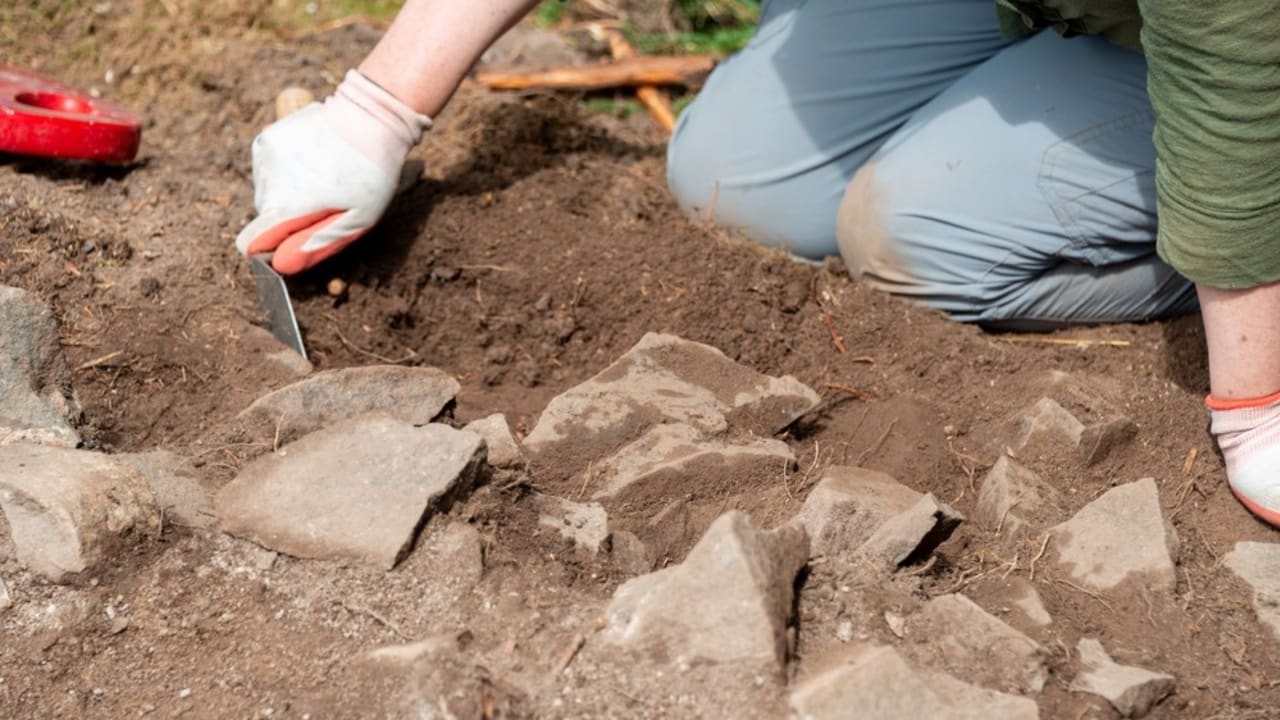
archaeological findings.
(photo credit: SHUTTERSTOCK)
ByJERUSALEM POST STAFF

Archaeologists in southern Turkey uncovered the Temple of Zeus in the ancient Lycian city of Limyra, ending decades of speculation about its location, reported Anadolu Agency.

“The front facade of the temple is 15 meters wide,” said Associate Professor Kudret Sezgin, who directs the excavation in cooperation with the Austrian Archaeological Institute.

“We also know from written sources that during the Hellenistic and Roman Empire, the main god of the city was Zeus. It is known that there was a temple, but the location was still unknown,” he added.

Archaeological evidence led the team to identify the exposed structure as the classical-period temple. A wall once thought to be a Hellenistic fortification is now viewed as the sanctuary’s perimeter. “We concluded that the wall structure, known as the Hellenistic city wall, served as the protective perimeter wall of the temple,” Sezgin explained.

Monumental gates earlier found beneath the Roman street were reinterpreted as the propylon that marked entry to the sacred precinct, and the dig revealed the main entrance and portico walls on the eastern side.

Ceramic finds within the precinct indicated habitation dating back 5,000 years and urban development about 2,400 years ago.

Part of the cella lies under an orange grove outside the current trench. “The sacred room has remained under a private property orange grove, outside the wall. When we complete the expropriation works, we will continue the excavations there,” Sezgin said.

The temple had been known only from inscriptions recorded in 1982, and its discovery requires scholars to rethink Limyra’s urban layout, Sezgin noted.

Limyra, nine kilometers northeast of Finike at the foothills of Mount Toçak, preserves rock-cut tombs, a 6,000-seat theater, Roman baths, a colonnaded street, a mausoleum for Gaius Caesar, and the Ptolemaeion monument.

In the Byzantine era the city became an episcopal center, and later walls were built over the temple when the sanctuary was absorbed into fortifications.

The excavation, part of the Heritage for the Future Project since 2023, has cataloged ceramics from the temple. Sezgin said that once expropriation is finished, work will continue on the cella and associated structures.

Written with the help of a news-analysis system.

Follow us on Google
