

惯性聚合 高效追踪和阅读你感兴趣的博客、新闻、科技资讯
阅读原文 在惯性聚合中打开

推荐订阅源

月光博客
月光博客
Stack Overflow Blog
Stack Overflow Blog
L
LangChain Blog
Jina AI
Jina AI
freeCodeCamp Programming Tutorials: Python, JavaScript, Git & More
雷峰网
雷峰网
T
Tailwind CSS Blog
MongoDB | Blog
MongoDB | Blog
博客园 - 【当耐特】
博客园 - 聂微东
V
Visual Studio Blog
博客园_首页
Engineering at Meta
Engineering at Meta
让小产品的独立变现更简单 - ezindie.com
The Cloudflare Blog
人人都是产品经理
人人都是产品经理
Apple Machine Learning Research
阮一峰的网络日志
阮一峰的网络日志
Microsoft Security Blog
GbyAI
GbyAI
F
Fortinet All Blogs
C
Check Point Blog
罗磊的独立博客
H
Hackread – Cybersecurity News, Data Breaches, AI and More

JPost.com - Archaeology | The Jerusalem Post

What was the Qumran sect's mysterious calender used for? | The Jerusalem Post Ancient structure near Stonehenge may have inspired its solstice alignment | The Jerusalem Post Ancient tablet found at Roman fort bears Greek curse against enemies | The Jerusalem Post Archaeologists unearth ancient Byzantine-era city in Egypt’s Dakhla Oasis | The Jerusalem Post Ancient mosaics, coins to go on display in new exhibit in northern Israel | The Jerusalem Post Archaeologists find inscriptions of pharaohs, ancient deities in Egyptian temple | The Jerusalem Post Italy buys famed Etruscan tomb, displays it in Rome museum | The Jerusalem Post New AI project aims to uncover origins of the Dead Sea Scrolls | The Jerusalem Post Site of Alexander the Great’s battle with Persians under historic protection | The Jerusalem Post Previously unknown Iron Age grave found ahead of construction in Germany | The Jerusalem Post Collector finds rare Hebrew-inscribed Moroccan mortar in Jerusalem's Old City | The Jerusalem Post Stone from Tel Eton may hold evidence of ancient religious reforms, study claims | The Jerusalem Post Complete text of carbonized Herculaneum scroll unlocked for first time | The Jerusalem Post Study: New identification technique pushes back timeline of human fire use | The Jerusalem Post Over 3,000 artifacts from Stone Age to WWII found in Netherlands valley | The Jerusalem Post American family repatriates four ancient artifacts to Egypt | The Jerusalem Post Remains of Queen Elisenda, 24 others unearthed in Barcelona for study | The Jerusalem Post Two ancient statues uncovered during Israel Railways excavations near Haifa | The Jerusalem Post Marble bust believed to depict Roman goddess of love found during excavations at Alicante beach Ancient Greco-Roman cemetery unearthed at archaeological site in Egypt's Nile Delta Ancient jars unearthed at biblical Shiloh days before annual wine festival WATCH: A Paleolithic time capsule: Rare prehistoric cave discovered near highway outside of Haifa Ancient water reservoirs discovered at Red Sea's Port of Aydhab site near Egypt-Sudan border Collection of ancient Egyptian, Greek, Roman-era artifacts discovered at Egypt’s Heracleopolis First near-complete ancient Egyptian funerary set discovered at Heliopolis necropolis site WATCH: Norway recovers Chinese porcelain, European-made goods from 18th-century shipwreck Neanderthals' ancient toolkit included hammers, blades made from rhino teeth, study finds Evidence of ancient Native American life uncovered near Cape Canaveral Space Force Station Rare, intact ancient Roman burial unearthed during excavations in eastern Croatia - report Plaster-making technique attributed to Romans used at Motza some 8,000 years earlier, study shows
Researchers rethink how humans populated the Americas aft...
2026-03-23 · via JPost.com - Archaeology | The Jerusalem Post

Archaeologists say the new finding at Monte Verde points to an earlier human presence than prevailing models allow.

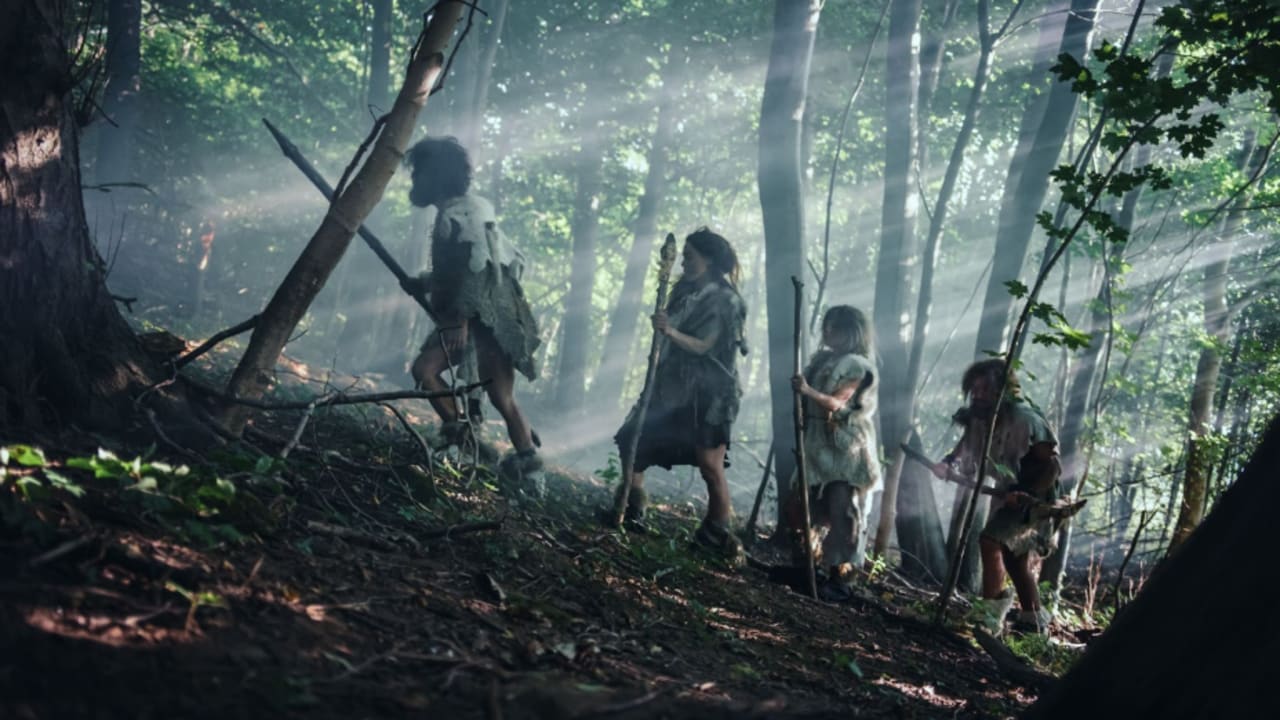
Migration to South America.
(photo credit: Gorodenkoff. Via Shutterstock)
ByJERUSALEM POST STAFF

A new independent study led by archaeologist Todd Surovell argues that Chile’s Monte Verde site is far younger than long believed, proposing an age between roughly 4,200 and 8,600 years instead of about 14,500 years, according to The Guardian. The team says this could reshape debates over when and how the first people entered the Americas. They suggest it could bolster the plausibility of an interior ice-free corridor over a coastal route. The researchers conclude that earlier dates were skewed by Ice Age wood and other materials redeposited by erosional and depositional processes along the Chinchihuapi Creek, rather than originating from human occupation layers. By reinterpreting the site’s geology, they argue the landscape on which notable finds rest did not exist 14,500 years ago and formed after about 8,600 years ago.

The study reports identifying a region-wide volcanic ash fall dated to about 11,000 years ago. It places that ash beneath the cultural deposits at the site. Because the ash predates signs of human activity, the team infers that occupation could only have occurred afterward, with the most likely window estimated between about 6,000 and 8,000 years ago.

If this re-evaluation prevails, it would markedly diminish Monte Verde’s role in establishing an early human timeline for the continent. It would remove a major pillar for the coastal migration hypothesis and would lend weight to an interior migration through an ice-free corridor.

Clovis-first?

Monte Verde, discovered in the 1970s in southern Chile, helped unsettle the once-dominant “Clovis-first” model. That model placed the earliest well-documented humans in the Americas around 13,100 to 12,700 years ago and tied their spread to a migration from Asia across the Bering land bridge roughly 13,400 to 12,800 years ago. The previously accepted 14,500-year age at Monte Verde implied people were in South America before or around the time Clovis technology spread in North America.

The site became emblematic because of unusual preservation. Finds included edible plant remains, natural ropes, animal meat, and the skins of extinct animals. They were found alongside stone tools, wooden implements, hearths, animal bones, footprints, and building features.

Hard pushback

Pushback to the reassessment has been swift. Original researchers and the Monte Verde Foundation argue the new dates are ambiguous and do not match what has been excavated. They say the study team sampled around the site rather than the core archaeological layers, overlooked key artifacts, and lacked experience in humid environments. Other critics question whether the ash layer truly blankets the landscape as proposed and whether samples from surrounding areas are comparable to the site’s cultural deposits.

The authors of the new paper counter that the highest terraces formed up to about 11,000 years ago with a volcanic ash layer from the Lepué eruption and that subsequent erosion produced the lower terraces where the main occupation sits, narrowing the plausible age range for human activity, according to La Tercera. They describe a multi-pronged analysis of wood fragments, alluvial sediments, and volcanic ash. They place an approximately 11,000-year-old ash layer beneath the cultural deposits.