


Apps — once more commonly called “applications,” “executables,” or “programs” — have defined how we’ve gotten things done on computers since before the dawn of the PC. Indeed, some early home computers like the Commodore 64 booted up into a BASIC interpreter to allow users to write their own programs.
Since those days, we’ve seen many software transitions: single-tasking to multitasking, text interfaces to graphical interfaces, disks to downloads, desktop to mobile.
But the paradigm hasn’t really changed at its core. Want something done? Enter an app, do it, and either exit it or switch out of it. The app model took over the web, which evolved from a content-sharing system to an interactive platform, and has defined the "smart" part of smart TVs and watches.
Curiously, Apple — which drove the iPhone to become a premier smart platform with the slogan, “There’s an app for that” — tried twice to minimize them. In the ‘90s, as Microsoft was forming tighter links between Windows programs through an OS-level linking technology called Object Linking and Embedding, Apple sought to tear down the value of big, monolithic apps (like those in Microsoft Office) with OpenDoc. The framework reduced apps to lightweight “editors” that operated on sections of a compound document.
Despite support from a consortium, it saw limited support and was killed when Steve Jobs returned. Jobs also initially opposed adding native apps to the iPhone, which was originally supposed to support only web apps in part to avoid security risks.
However, he was persuaded to support a native SDK and the rest was history. Smartphones became packed with screens full of grids of colored squares tied to awkward switching mechanisms, and Apple eventually added a "Library" screen that addresses the clutter by offering categorically defined smart folders: bigger squares filled with the same squares.
There's a Chat for that
ChatGPT and similar AI chatbots, though, have raised the question of whether the age of the app is finally over. After all, why begin work by selecting a container of functionality when an agent can fluidly deliver the resources needed to meet the task at hand as casually as someone sitting next to you might pass the butter?
On the desktop, this helps explain why Copilot feels like such a bolt-on to Windows and perhaps why Apple has struggled to find the right way to integrate Siri.
AI has also driven Google, which opened the Android app floodgates to Chrome OS after starting that platform as an app-free platform, to start combining its operating systems The distinctions between mobile vs. desktop fade when you compare both to what an AI-first operating system should be. That said, there will be plenty of GUI in “Aluminium” for the foreseeable future.
On the other hand, while chat interfaces have made great progress in managing iteration and revision, more complex creation demands more interface infrastructure. We first saw evidence of this when apps like Photoshop, daVinci Resolve, Notion, and Visual Studio Code embedded generative AI within their feature sets.
Now, though, we are seeing “native” AI apps that often have dramatically different approaches to workflow than incumbents, but still benefit from an app approach.
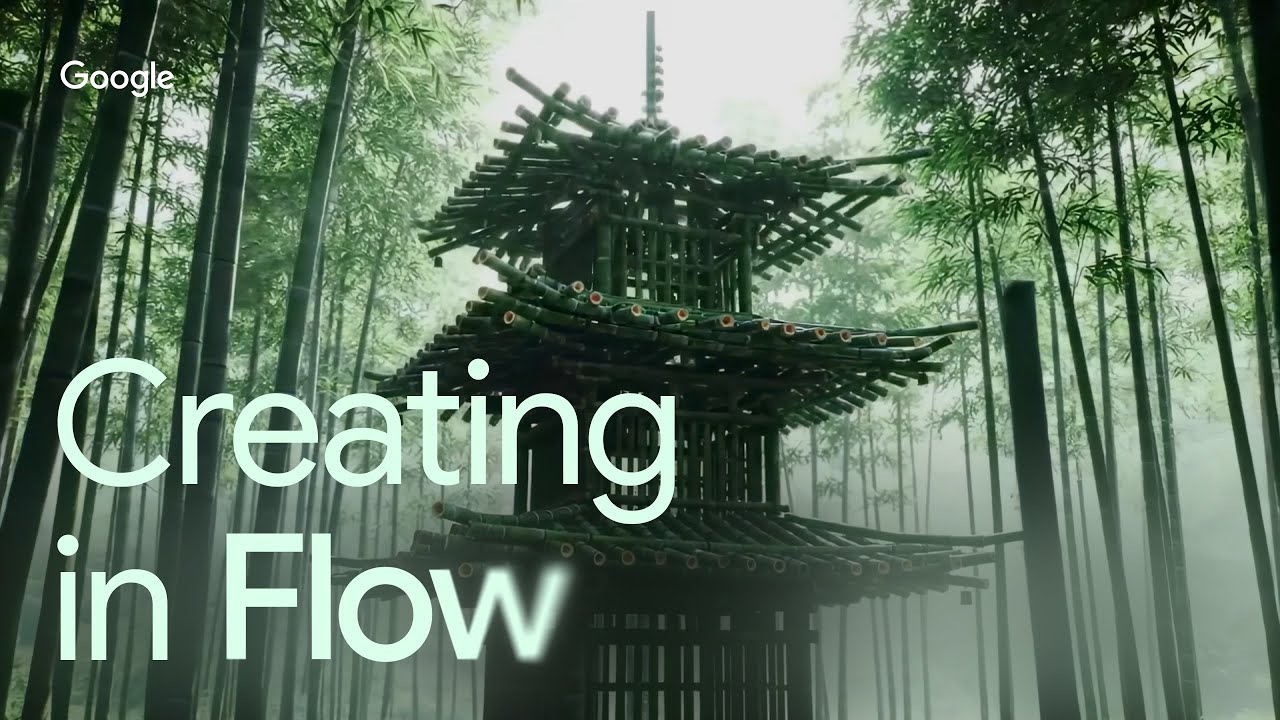
AI song generator Suno, for example, has launched its own take on a DAW (digital audio workstation, like GarageBand or Ableton Live). Google has released Flow, a web app that facilitates developing longer videos with its Veo video generation model.
And leading frontier model vendors have released apps that serve as homes for their coding agents, Claude Code, OpenAI’s Codex, and Google Antigravity.
We’ve also seen more broadly focused agentic apps like Zo Computer, Kimi, and Manus AI (acquired by Meta) appify (or perhaps seek to “OSify”) the OpenClaw experience. As the most popular chatbots take on more agentic capabilities, their apps are following similar models, adding workspaces.
Creating in Flow | How to use Google’s new AI Filmmaking Tool - YouTube
A vibe-culled quest
Beyond these creation environments, AI is poised to radically change the nature of apps. Via vibe coding, we have only begun to see how it can craft highly personalized digital work frameworks on the fly to meet requirements and workstyles in ways that today’s one-size-fits-all apps can’t hope to match.
For example, for years I sought out a modern version of an organizational app I loved using on classic macOS, but the only options I could find had limited platform support or were overkill.
Little by little, though, I’m developing it myself, mostly using Claude Code, which I have also used to create customized information displays to gauge, for example, the optimal time to leave my office to catch a train.
Today’s chatbots may be “superapps” that can handle tasks that once demanded separate apps, and tomorrow’s platforms may flip the app paradigm on its head, bringing in environments as needed as opposed to them being grand entranceways to getting something done.
Screens of grids can and should fade from prominence. Apps, however, are poised to remain, even if they are unrecognizable from the experiences that live within our devices’ bright squares.
In The Matrix, for example, where people can acquire new skillsets by loading programs into their brains, the drama of Neo declaring, “I know kung fu.” comes from the audience’s unfamiliarity with that method of skill acquisition.
Even if AI is constructing an experience on the fly for such enrichment, it will essentially be creating “an app for that.”
We put over 70 of the best AI tools to the test