


Pollinators (like bees and butterflies) around the world are under increasing threat, putting three quarters of the world’s food supply at risk.
A new UN-backed report – added to many, many before – has highlighted the growing threat to the globe’s bees, birds, butterflies, bats and beyond.
At a summit in Kuala Lumpur, delegates from almost 100 countries met to discuss the issues surrounding animal pollinators, thrashing out ways to solve an ecological crisis.
The report produced is two years in the making, with 77 scientists highlighting the implications of these species’ declines for the world’s food supply and economy.
It also suggests ways to harness the potential of pollinators, which can help more than just localised ecosystems, but entire food supply chains, too.
The volume of food that is reliant on pollinators doing their job has risen 300pc in the past 50 years, with fruit, coffee and nuts particularly dependent.
“Without pollinators, many of us would not be able to enjoy chocolate, coffee and vanilla ice cream, or healthy foods like blueberries and brazil nuts,” said Dr Lynn Dicks, who worked on the report.
“The value of pollinators goes way beyond this. People’s livelihoods and culture are intimately linked with pollinators around the world. All the major world religions have sacred passages that mention bees.”
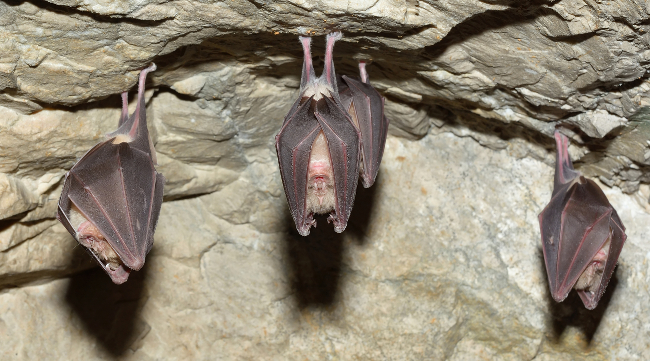
Two out of five species of invertebrate pollinators (bees, wasps, butterflies etc) are headed for extinction. A little better off are larger pollinators like birds and bats, yet, still, one-in-six species face extinction. But something has to change to ensure a better future.
Areas of real concern are Africa, Asia and Latin America, where the data doesn’t yet exist to make decent estimates.
Why are bees important? This video should explain all.
Last September, dozens of organisations in Ireland united to save bees, in particular, signing off on a five-year plan to halt the decline of pollinators across the country.
It means the whole island will have a targeted approach, creating pollinator highways along transport routes, making public parks pollinator friendly and encouraging the public to accept bees into their gardens.
It’s both a tangible and intangible project, with the raising of awareness seemingly key, aiming to ensure everyone knows what bees need, and why they need it, to do their work.
Internationally speaking, other strategies include novel man-made aids for bees, like Norway’s ingenious bee “highway”, dedicated solely to the striped little guys.
It’s basically a network of nectar-hosting flowers planted by enthusiasts along cemeteries, rooftop gardens and balconies throughout Oslo.
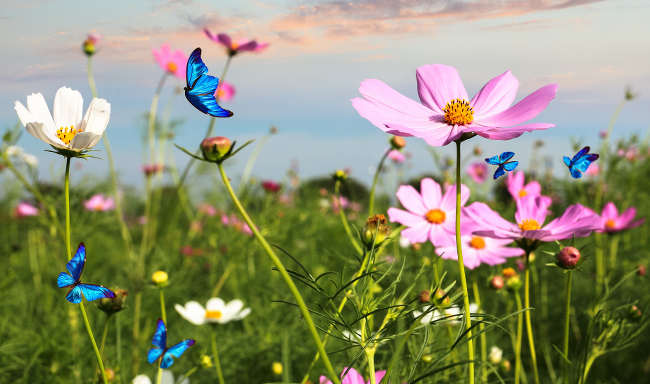
There’s actually a similar “butterfly highway” project in the US, with plans to establish a 1,500-mile corridor of vegetation between Mexico and Minnesota for the creatures.
This current report, despite its worrying tone, offers some relatively easy fixes. Basically, change how we farm land.
“There are relatively simple, relatively inexpensive mechanisms for turning the trend around for native pollinators,” said David Inouye, who worked on the report.
Encouraging more diverse crops – most US farms yield one crop, while 97pc of European grasslands have disappeared since WWII – and addressing key pesticide issues is key.
Bees, butterflies and bats images via Shutterstock
此内容由惯性聚合(RSS阅读器)自动聚合整理,仅供阅读参考。 原文来自 — 版权归原作者所有。