






Back to Networking Knowledge Hub
A practical comparison of WireGuard alternatives for secure, zero-trust networking - from basic VPN setups to advanced mesh networks.
Published on
Small and medium-sized businesses (SMBs) often find it hard to secure their networks without breaking the bank or dealing with complex VPN configurations. WireGuard addresses these challenges by offering an affordable and straightforward VPN solution that enhances remote access, streamlines network configuration, and boosts overall network performance.
Still, WireGuard might not fit every business need perfectly. That's why looking at other options is important—they might have extra features, better scalability, or specific benefits that suit different needs.
This article explores the top 5 alternatives to WireGuard: NetBird, CloudConnexa, Tailscale, ZeroTier, and Nebula. You will learn the strengths and weaknesses of each, their key features, and their pricing model. This detailed comparison aims to help you find the best fit for strong, secure networking and robust remote access.
What is WireGuard?
WireGuard is an innovative VPN technology that has garnered significant attention for its simplicity and robust security features. Developed by Jason A. Donenfeld and released in 2016, WireGuard is designed to be faster and more efficient than traditional VPN protocols. Its lightweight architecture and minimalistic design make it a popular choice for secure networking.
How does WireGuard work?
WireGuard works by using advanced cryptographic algorithms to establish secure connections between devices. Unlike traditional VPN platforms like IPsec and OpenVPN, which require complex configurations and substantial management, WireGuard uses a simplified protocol to encapsulate data packets, emphasizing both speed and security.
Additionally, WireGuard adopts a peer-to-peer (P2P) networking model. Each peer is assigned a unique cryptographic key, facilitating direct and secure communications without reliance on a central server. This P2P approach bolsters privacy, minimizes potential bottlenecks, reduces latency, and provides a swifter and more robust network connection.
Why should SMBs use WireGuard?
For small and medium-sized businesses seeking an effective VPN solution, WireGuard offers several compelling advantages:
- Speed and Efficiency: WireGuard's lean protocol design leads to faster connections, which is crucial for SMBs managing bandwidth-intensive tasks or needing quick, reliable remote access.
- Strong Security: With cutting-edge cryptographic algorithms, WireGuard provides robust protection against threats, which is essential for safeguarding sensitive business data.
- Simplicity and Accessibility: The straightforward setup and configuration process makes WireGuard accessible even to businesses without a dedicated IT department, reducing the need for specialized technical expertise.
- Cross-Platform Compatibility: WireGuard is supported on a range of platforms—Linux, Windows, macOS, iOS, and Android—ensuring seamless integration across various devices used within a business.
What are the pros and cons of WireGuard?
Pros:
- Performance: SMBs benefit from reduced latency and bandwidth usage, making it ideal for enhancing productivity without straining resources.
- Security: Its use of modern cryptographic techniques ensures data integrity and confidentiality, a priority for maintaining business trust and compliance.
- User-Friendly: The simplicity in installation and configuration decreases the overhead typically associated with deploying VPNs, allowing SMBs to focus on their core operations.
Cons:
- Limited Features: WireGuard lacks some advanced features found in other VPN solutions, such as built-in user management, role-based access control, and logging, which could be crucial for comprehensive network oversight.
- Static IP Challenges: The default requirement for static IP addresses necessitates manual configuration for dynamic IP setups, potentially complicating network management for businesses with frequently changing IP assignments.
For SMBs, WireGuard's balance of speed, security, and simplicity makes it a compelling choice, though considerations regarding advanced feature requirements and network dynamics should guide the decision-making process.
Top Alternatives for WireGuard
While WireGuard offers great speed and simplicity, it's not the only option available for businesses seeking robust VPN solutions. For organizations exploring alternatives that offer unique features or cater to specific needs, there are several noteworthy contenders.
1. NetBird
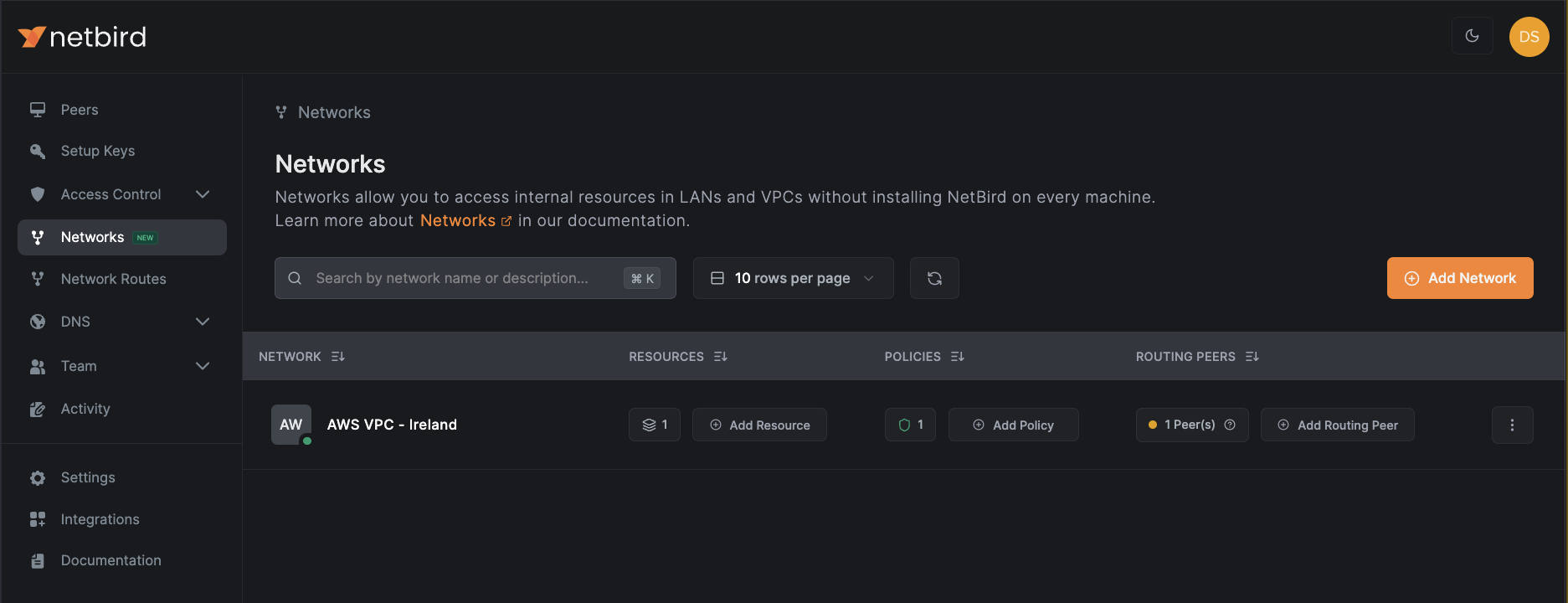
NetBird takes WireGuard technology to a new level by integrating zero-trust architecture with advanced networking and access control features tailored to the evolving needs of dynamic business environments. By doing so, NetBird positions itself as a superior choice for small to medium-sized businesses seeking robust and efficient VPN solutions
Features
- Group-Based Access Control: Using a group-based approach, NetBird simplifies network permissions management, allowing administrators to define access rules based on user roles and group memberships. This feature ensures streamlined, scalable remote access management.
- Network Segmentation: NetBird offers precise network segmentation, allowing businesses to isolate individual machines and control traffic between them. This capability enhances security by minimizing the attack surface.
- Open Source Flexibility: As an open source platform, NetBird allows for self-hosting and transparency. This flexibility makes it an attractive choice for DevOps engineers and network administrators for a tailor-made networking solution.
- Peer-to-Peer Model: NetBird's use of a peer-to-peer model facilitates direct connections between devices, enhancing network resilience and reducing latency by eliminating the need for a central server.
- Ease of Installation and Use: Known for its straightforward setup process, NetBird offers a user-friendly experience that minimizes configuration hassle, making it accessible to users with varying technical expertise.
- Zero Trust Architecture: NetBird's identity-first approach requires authentication for every device and user, eliminating implicit trust. The platform provides granular RBAC, micro-segmentation for environment isolation, and seamless integration with existing identity providers.
Unique Selling Points
- Zero-Configuration Networking: NetBird sets itself apart by providing robust group-based access control coupled with a configuration-free networking setup. This dual approach simplifies deployment and allows for granular access management, making it an efficient and secure solution for organizations of any size.
Pricing Model
NetBird provides flexible pricing options to accommodate various needs:
- Free Tier: Perfect for individual users or small teams, offering essential functionalities at no cost for up to 5 users and 100 machines.
- Team Tier: Designed for broader teams, offering unlimited users and advanced features like MFA, access logging, and IdP integration at $5 per user/month.
- Business Tier: Tailored for organizations embracing Zero Trust security, enhancing Team Tier offerings with device approvals, MDM and EDR integrations, and posture checks at $12 per user/month.
- Enterprise Tier: Customized plans for extensive enterprise needs, providing unique integrations, invoicing options, and priority support. Pricing is available upon request.
- MSP Tier: Designed for Managed Service Providers, offering multi-tenancy support, advanced reporting and billing features. Pricing is available upon request.
2. CloudConnexa
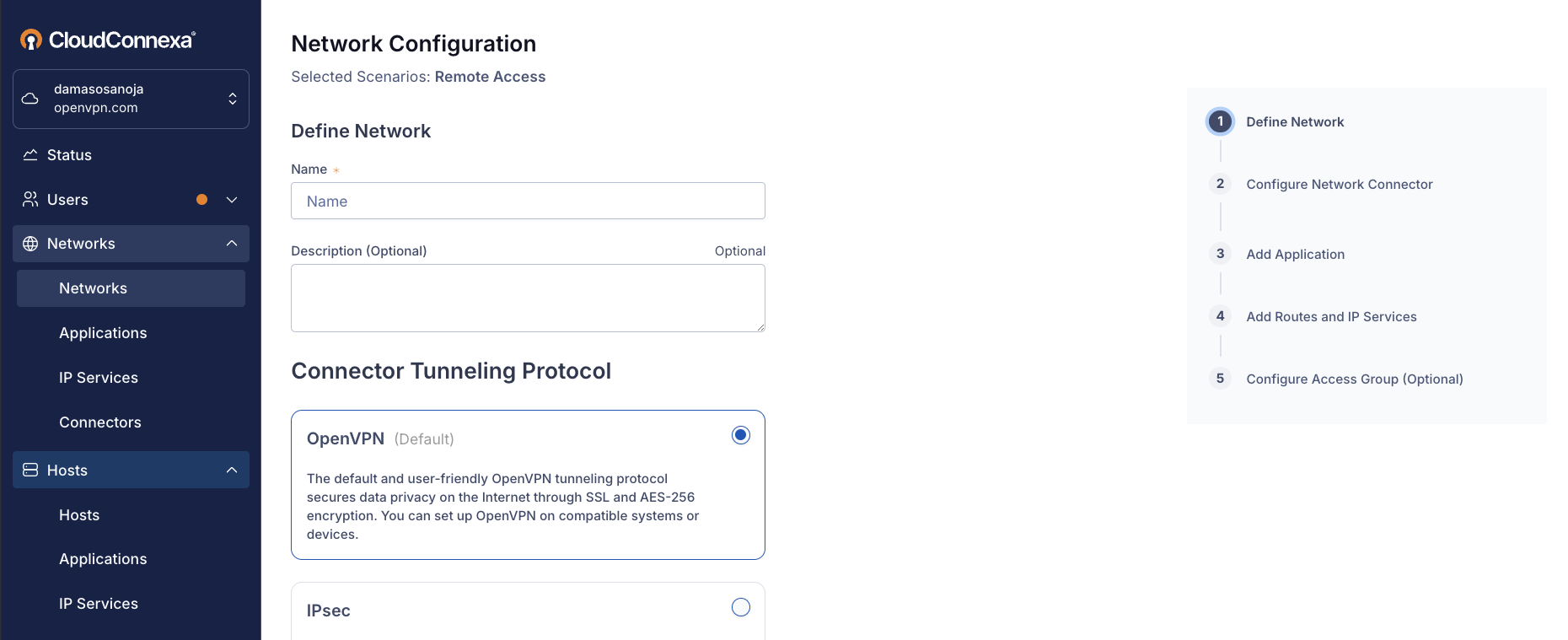
CloudConnexa, formerly OpenVPN Cloud, is a cloud-delivered networking and remote access solution that implements zero-trust security. It offers secure connectivity across worldwide Points of Presence (PoPs), integrating features like content filtering and IDS/IPS for comprehensive protection.
Features
- Zero-Trust Network Access (ZTNA): CloudConnexa offers a robust zero-trust framework, facilitating secure access irrespective of location, which is crucial for SMBs transitioning away from traditional perimeter-based security models.
- Global Connectivity: Using full-mesh connectivity across multiple PoPs ensures reduced latency and redundancy, providing SMBs with reliable and efficient network performance.
- Built-In Security Features: The platform includes Cyber Shield, an integrated IDS/IPS and content filtering system, enhancing the security posture without the need for additional hardware or software.
Unique Selling Point
- Wide-Area Private Cloud (WPC): CloudConnexa's feature of creating a Wide-area Private Cloud (WPC) delivers a unique virtual overlay network for each client, ensuring both security and privacy, and differentiating it from other cloud VPN providers.
Pricing Model
CloudConnexa offers flexible pricing tailored to the number of active connections rather than users, allowing businesses to optimize costs based on actual usage.
- Free: Provides up to 3 connections with access to all features, suitable for small teams or trial purposes.
- Growth: Priced at $14 per connection per month, this tier supports scaling and includes all standard features, ideal for growing businesses.
- Enterprise: Designed for 500+ connections, offering customization, network management, and 24/7 support, suitable for large organizations needing extensive network solutions.
3. Tailscale
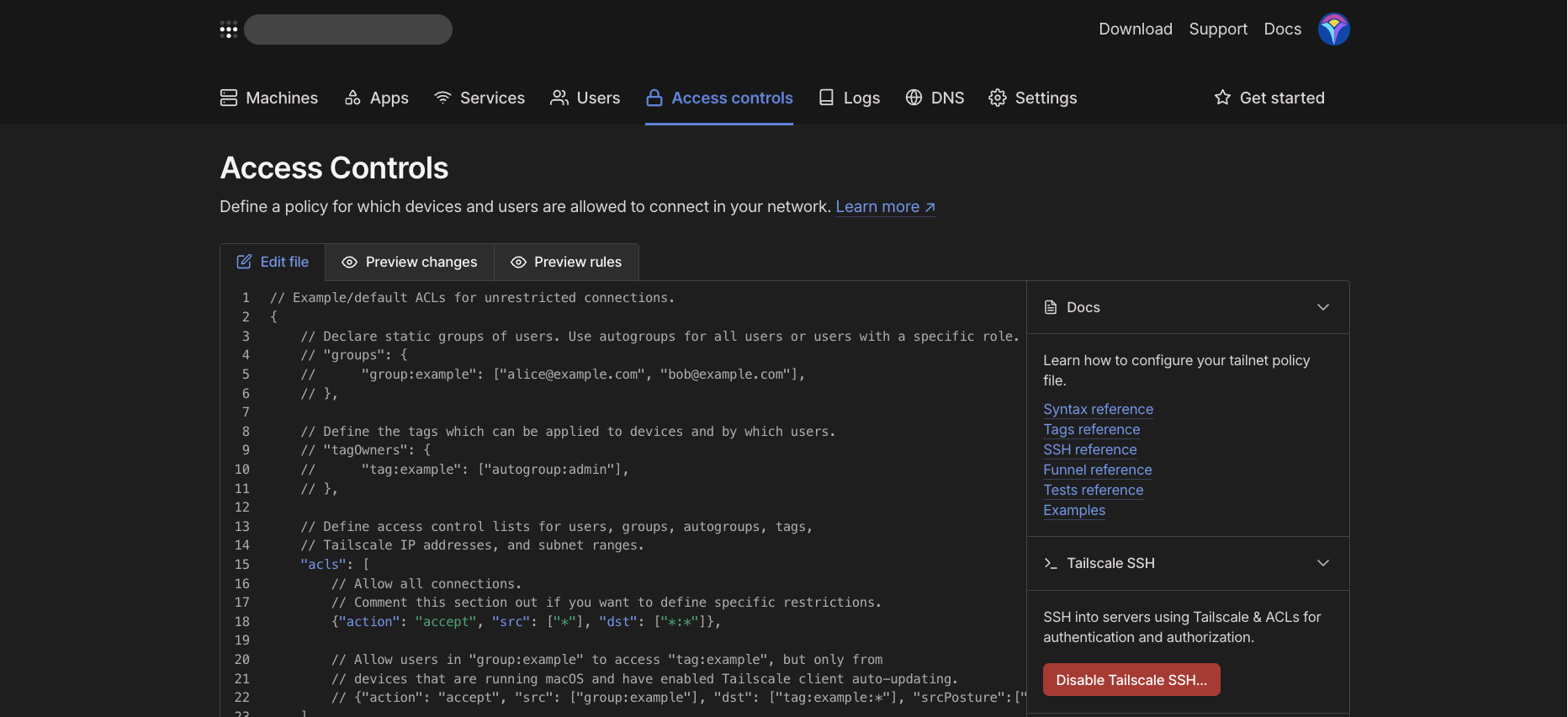
Tailscale is a modern mesh VPN solution that simplifies secure connectivity across devices and services using the WireGuard protocol. By creating a direct, encrypted point-to-point network, Tailscale eliminates the need for traditional centralized VPN gateways, reducing latency and enhancing performance.
Features
- Ease of Use and Installation: Tailscale is renowned for its user-friendly setup, allowing seamless installation across devices with minimal configuration. This ease of use appeals to businesses seeking quick deployment without extensive technical expertise.
- Zero Trust Security Model: Implementing a robust zero trust model, Tailscale ensures secure peer-to-peer connections, enhancing overall network security by not assuming trust for any network traffic by default.
- Scalability with Mesh Networking: Like NetBird, Tailscale uses a mesh VPN model, supporting dynamic scaling and connection without central servers, making it ideal for distributed teams and remote work environments.
Unique Selling Point
- Seamless Integration Capabilities: Tailscale stands out for its extensive integration options with third-party tools and platforms, facilitating smooth incorporation into existing IT ecosystems.
Pricing Model
Tailscale’s pricing model suits varied needs:
- Personal Plan: Free forever, perfect for individuals connecting personal devices. It supports up to 3 users and 100 devices, providing core features at no cost.
- Personal Plus Plan: At $5/month, it extends to 6 users and retains access to all core features, ideal for families and personal networks.
- Starter Plan: Priced at $6 per active user/month, designed for teams needing an intuitive, secure VPN. It offers unlimited users, supporting 100 devices plus additional per-user allocations.
- Premium Plan: At $18 per user/month, this plan suits businesses requiring advanced authentication and access controls, including Tailscale SSH and enhanced network features.
- Enterprise Plan: Custom pricing based on extensive needs, offering unlimited users and devices, SCIM support, log streaming, and tailored support.
4. ZeroTier
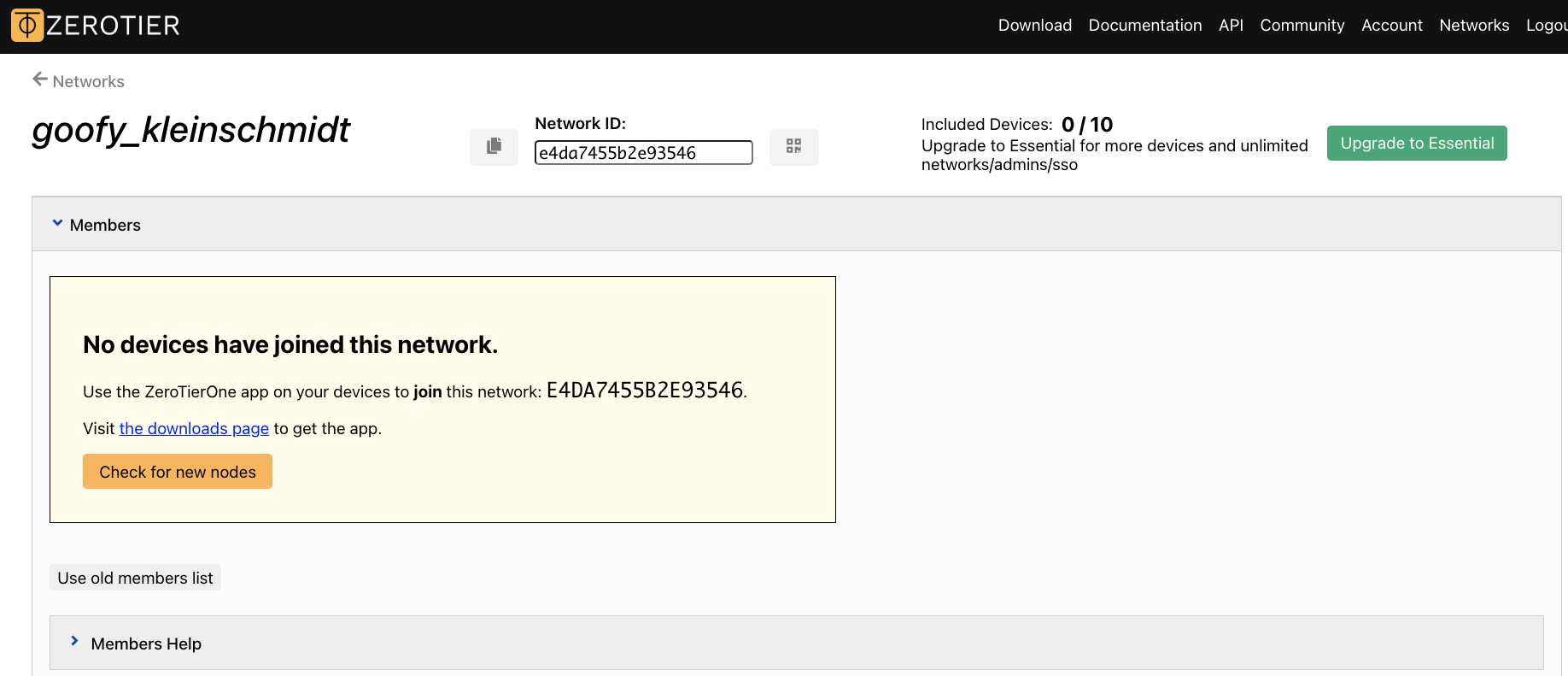
ZeroTier is a network virtualization platform that connects devices using its own cryptographically secure peer-to-peer protocol . Tailored for small-to-medium-sized businesses, ZeroTier enables seamless and direct connectivity across diverse devices and locations, providing a scalable and secure networking solution perfect for modern SMBs' needs.
Features
- Open Source: ZeroTier has an open-source project available on GitHub , providing transparency and community-driven development. This approach allows users to explore the source code, contribute, and customize solutions to fit their unique needs.
- Versatile Integration Capabilities: ZeroTier supports integration with physical networks and provides APIs for deeper system integration, offering flexibility for complex IT environments.
- Proprietary Protocol - ZeroTier uses a proprietary protocol that offers tailored functionality to companies which may limit flexibility for businesses seeking interoperability with standard VPN protocols.
Unique Selling Point
- Instant Virtual Networking: ZeroTier's ability to create instant, global virtual networks sets it apart from many competitors. This feature allows seamless global connectivity across devices as if they were on a local network, providing a solution for remote teams and IoT applications.
Pricing Model
ZeroTier offers a flexible and usage-based pricing model designed to meet varying needs:
- Basic Plan: Free, suitable for hobbyists and small projects, supporting 10 devices and 3 networks.
- Essential Plan: At $5/month plus $2 per additional device, this plan includes 10 devices, SSO, and advanced business features.
- Premium Plan: Priced at $250/month, ideal for larger deployments with 125 included devices, unlimited networks, and priority support.
- Enterprise Plan: Custom pricing for organizations with extensive requirements, featuring self-hosted options and comprehensive support.
5. Nebula
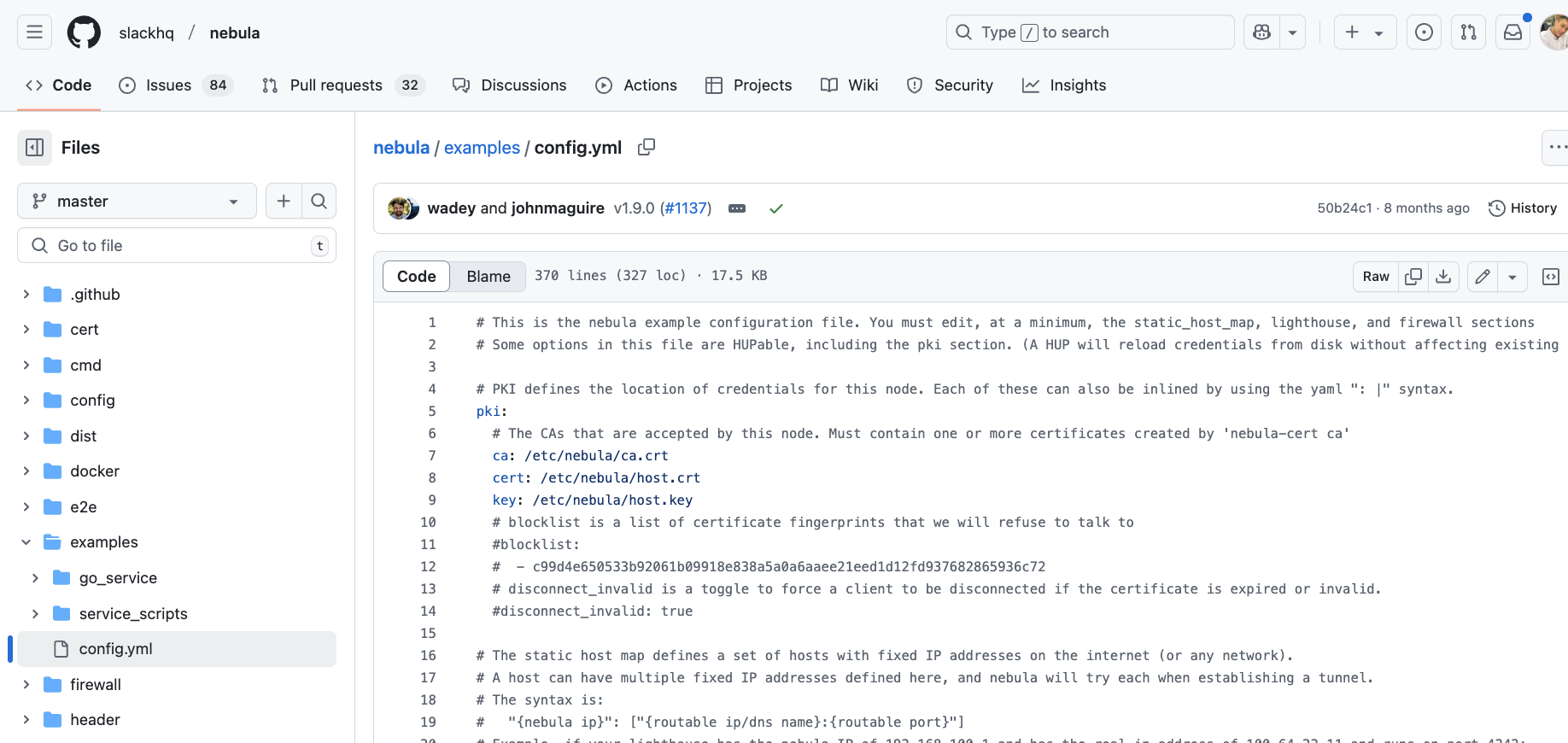
Nebula is a scalable overlay networking tool designed to cater to the needs of SMBs by providing a secure peer-to-peer network across diverse environments. By using the Noise Protocol Framework , Nebula ensures robust security for diverse needs.
Features
- Open Source and Free to Use: Nebula VPN is open source, offering transparency and zero cost for its core functionalities. This approach is ideal for developers and organizations looking for a customizable networking solution.
- Performance and Security Focus: Nebula prioritizes performance and security, ensuring efficient device connectivity with robust security standards. The architecture supports seamless operation across diverse environments.
- Decentralized Peer-to-Peer Model: Nebula's peer-to-peer model enhances resilience by minimizing reliance on central servers, making it ideal for distributed networks. This mode ensures high availability and fault tolerance.
Unique Selling Points
- Noise Protocol Framework: Unlike traditional VPN protocols like IPsec or OpenVPN, Nebula uses the Noise Protocol Framework. This framework is open source and provides a flexible foundation for building secure cryptographic protocols.
Pricing Model
As mentioned, Nebula is open source and free to use. However, their developers offer commercial support and managed services through Defined Networks :
- Free Plan: Ideal for small projects, this plan supports up to 100 hosts with essential features, all without requiring a credit card.
- Pro Plan: At $1 per host/month, this plan includes unlimited hosts, priority support, and enhanced routing capabilities.
- Enterprise Plan: Customizable pricing with dedicated support and tailored network design services, suitable for extensive deployments and complex networking demands.
Final thoughts
Exploring the top alternatives to WireGuard can open up a range of possibilities for enhancing secure networking experiences. While each solution offers unique benefits, NetBird stands out with its combination of zero-trust architecture, ease of use, and flexible pricing.