Social platforms have long influenced what consumers browse and buy, but the next step is to determine whether they can also hold the money that enables those decisions.
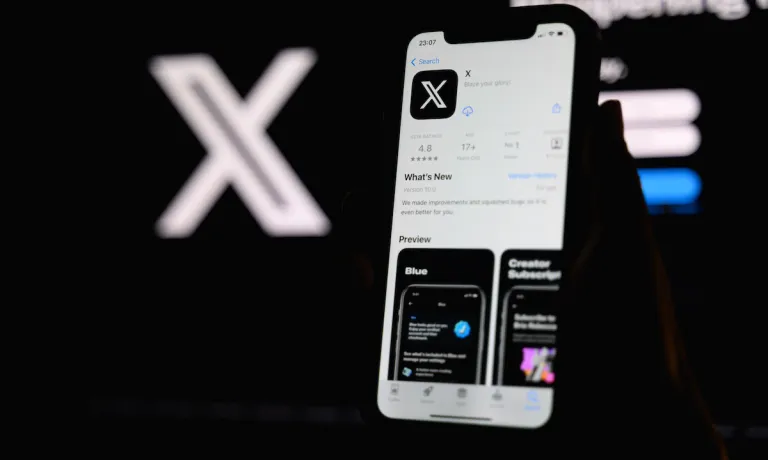
That question comes into sharper focus as X prepares to introduce X Money, a payments and financial services layer that is expected to begin early public access this month. As reported by PYMNTS last month, Elon Musk said the offering would launch in April, marking the latest step in a broader plan to turn the platform into a financial hub rather than a messaging and media venue.
X Money is designed to connect to debit cards, support instant funding through Visa Direct and allow users to move money between accounts and wallets without leaving the platform. The ambition, as described by Musk in prior remarks, is to encompass a user’s “entire financial life,” including payments, balances and potentially investment activity.
That scope implies X will be a category-blurring construct that blends elements of wallets, neobanks and brokerage interfaces. It also shifts the role of social platforms from influencing transactions to intermediating them.
From Influence to Transaction
PYMNTS Intelligence data suggests that social commerce remains a discovery engine rather than a closed loop. More than half of U.S. consumers make at least occasional purchases based on influencer recommendations, and 12% do so frequently. At the same time, 95% of those consumers conduct additional research before completing a purchase, often consulting reviews, price comparisons or other sources.
The read across is that social platforms can initiate purchasing journeys, but they rarely conclude them without validation elsewhere. Even among frequent buyers, external verification remains a standard step.
Advertisement: Scroll to Continue
As for X Money’s ambitions, moving payments into the platform addresses one layer of friction. Moving deposits and balances requires a different level of confidence. Users must be willing to leave funds inside a social ecosystem that has historically been used for content and communication.
Regulatory and Political Scrutiny
The question of trust has already surfaced in policy discussions. In a Tuesday (April 14) letter to Musk, Sen. Elizabeth Warren raised concerns about how X would manage financial products, citing issues that range from data privacy to the operational risks of offering yields on deposits. The letter also referenced prior regulatory actions tied to potential partners and questions how those relationships would be structured within a consumer finance context.
We note that X’s licensing progress offers one counterpoint. X has secured money transmitter licenses across most U.S. jurisdictions, laying the groundwork for nationwide functionality.
Balances, Not Just Payments
The strategic question for X Money concerns whether the platform can retain funds. That introduces competition for yield, convenience and liquidity.
Traditional banks offer insured deposits and established customer protections. Neobanks provide integrated digital experiences with savings features and rewards. Wallet providers focus on transaction speed and acceptance. Each category competes for a share of the consumer’s financial footprint.
X Money’s model attempts to combine these elements. By embedding payments into a social feed, it seeks to shorten the path from discovery to transaction. By enabling stored balances, it attempts to capture a portion of the funds that would otherwise sit in bank accounts or digital wallets.
The economics depend on both flows. Payments generate transaction-based revenue. Deposits create opportunities tied to float, lending or yield structures.
A Broader Shift Across Platforms
X is not alone in linking commerce and financial services. Social platforms have been integrating shopping features, creator tools and payment options for several years. Partnerships with payment networks and financial institutions have accelerated that process, bringing embedded finance into environments that were once limited to content sharing.
In one example this month, PayPal now allows Canva users to embed payment links directly into digital or printed designs, enabling transactions to occur without sending customers to external storefronts. In practical terms, that means a creator can move from content to checkout within the same workflow.
For X, the challenge is to demonstrate that a platform built for conversation can also operate as a reliable financial intermediary. That distinction requires clarity around how funds are handled and how users can access their money under all conditions.