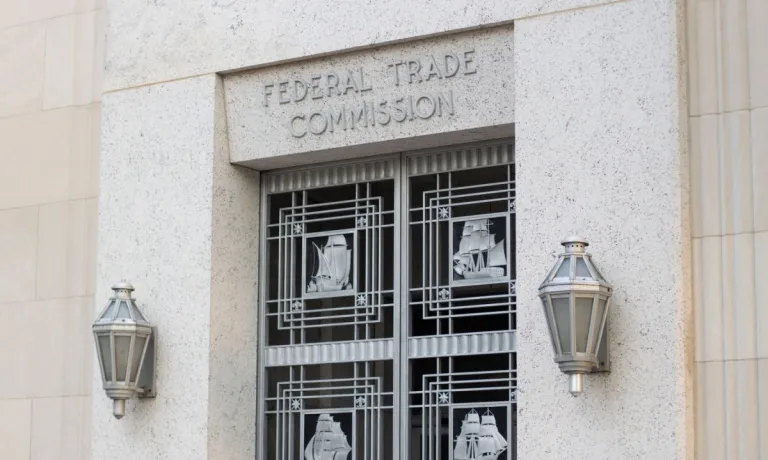
Federal regulators say they’ve temporarily halted an operation that allegedly tricks consumers seeking health insurance.
The Federal Trade Commission (FTC) announced Wednesday (April 22) that a federal court in Florida had halted this operation, which the watchdog accused of impersonating the government and large insurance carriers.
The goal of the scam, the FTC said, is to dupe consumers into purchasing “supposedly comprehensive” PPO plans that do not provide the coverage they need.
According to the FTC’s complaint, the scheme — which operates under a variety of names, such as “Innovative Partners” and “American Collective” — also targets consumers who have insurance, telling them they need to pay to keep or renew their coverage.
“The FTC alleges that consumers paid the defendants millions in ‘premiums’ for products they did not want or need, and which exposed them to potentially significant and unexpected medical costs,” the release added.
PYMNTS has contacted American Collective for comment but has not yet gotten a reply.
Advertisement: Scroll to Continue
Since 2023, the FTC says, the defendants have operated a telemarketing scheme targeting consumers searching for health insurance coverage. The defendants allegedly claim consumers are buying “state issued” PPO insurance policies with no deductible and which provide full coverage with low or no co-payments.
The commission alleges that the defendants do not actually sell PPO plans or comprehensive health insurance policies. The plans they do sell cannot be sold on any state or federal government health insurance marketplace, the complaint added.
“Instead, the defendants’ plans typically include an assortment of medical discounts, ancillary products, and capped payouts for certain medical events such as emergency room visits—while some plans exclude hospital care entirely,” the FTC said.
The FTC warned last year that it had seen a massive jump between 2020 and 2024 in the number of people 60 and older who had lost at least $10,000 to scams in which a fraudster impersonated a government representative.
It’s part of a larger problem, with PYMNTS Intelligence research showing that nearly 20% of consumers had been scammed at least once in the last five years. Close to two-thirds of victims made payments within 24 hours, demonstrating scammers’ dependence on urgency.
“Scam losses can feel so hard to prevent because many consumers are not making a bad choice after days of deliberation,” PYMNTS wrote earlier this year. “They are reacting to pressure in real time.”