





Artificial Intelligence & Machine Learning , Next-Generation Technologies & Secure Development , Regulation
Restrictions Highlight Growing U.S.-China AI Security Tensions • June 18, 2026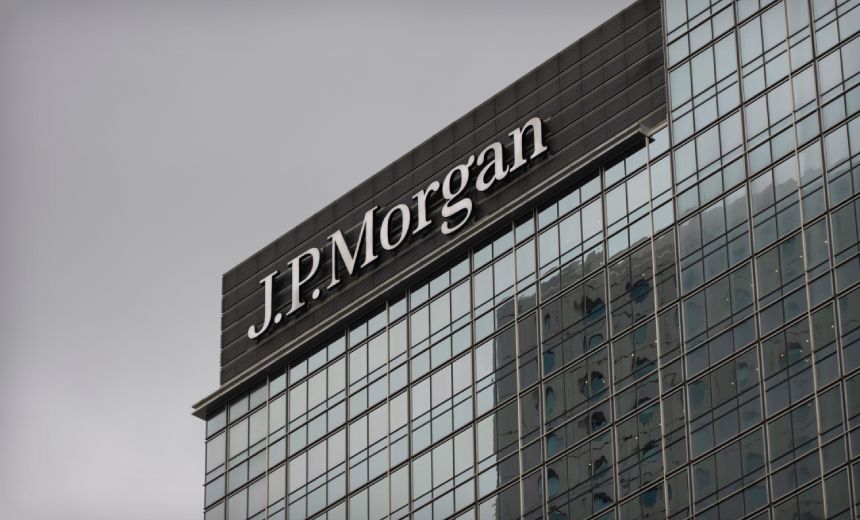
Financial giant JPMorgan Chase took Anthropic's artificial intelligence models off its internal "allow list" for staff in Hong Kong, citing the AI company's usage terms that prohibit access to Claude in China.
See Also: Securing AI Workloads With Ubuntu Pro
The move, reported by Reuters and the Financial Times, came after rival Goldman Sachs cut off Claude access to Chinese employees, also citing terms of service - making bankers from two Wall Street giants unable to access U.S.-made frontier models in Asia's major financial hub.
Claude models were never officially supported in Hong Kong but the special administrative region still enjoys more Internet freedom than the mainland, and international organizations there have been able to circumvent censorship in China by negotiating global contracts.
The tightening regulations come as Anthropic negotiates with the White House to overturn its designation as a national security risk and lift restrictions that bar international users from accessing its most advanced AI models.
The company was forced to withdraw its newly released Mythos-class model, Fable 5, from global markets just days after launch to comply with U.S. export controls. China, being a leading AI rival and having a reputation for distilling U.S. models to develop its own, is at the center of growing scrutiny over data security and cyber risks (see: US Pulls the Plug on Anthropic's Top AI Models).
Wall Street employees in Hong Kong were able to interact with Claude through an internal AI platform with a "drop-down" list of approved large language models.
Other models such as Gemini and ChatGPT were still available, an anonymous source familiar with Goldman Sachs' internal platform told Reuters in April.
In Hong Kong, 83% of large financial institutions have implemented or are piloting at least one generative AI use case and the adoption rate is expected to grow, according to a recent survey by Hong Kong Institute for Monetary and Financial Research.
With Claude out of the way, banks are likely to turn to other models, including those domestically made.
"The recent emergence of less resource-intensive models, such as DeepSeek-R1, is challenging the prevalent view that scaling gen AI requires vast computing power and investment. New approaches to language modelling are also improving model accuracy and general performance. The trajectory of these developments should support a broadening of gen AI use over time," the financial research institute said in April.