


- 8 min read
- UX, Accessibility, Smashing Books
Good UX research is at the root of great products. It takes the guesswork out of our designs and helps us solve problems before they grow. One of the best ways to make our research effective is to keep it inclusive — testing with users with different needs and abilities, and using their feedback to build products that work for more people.
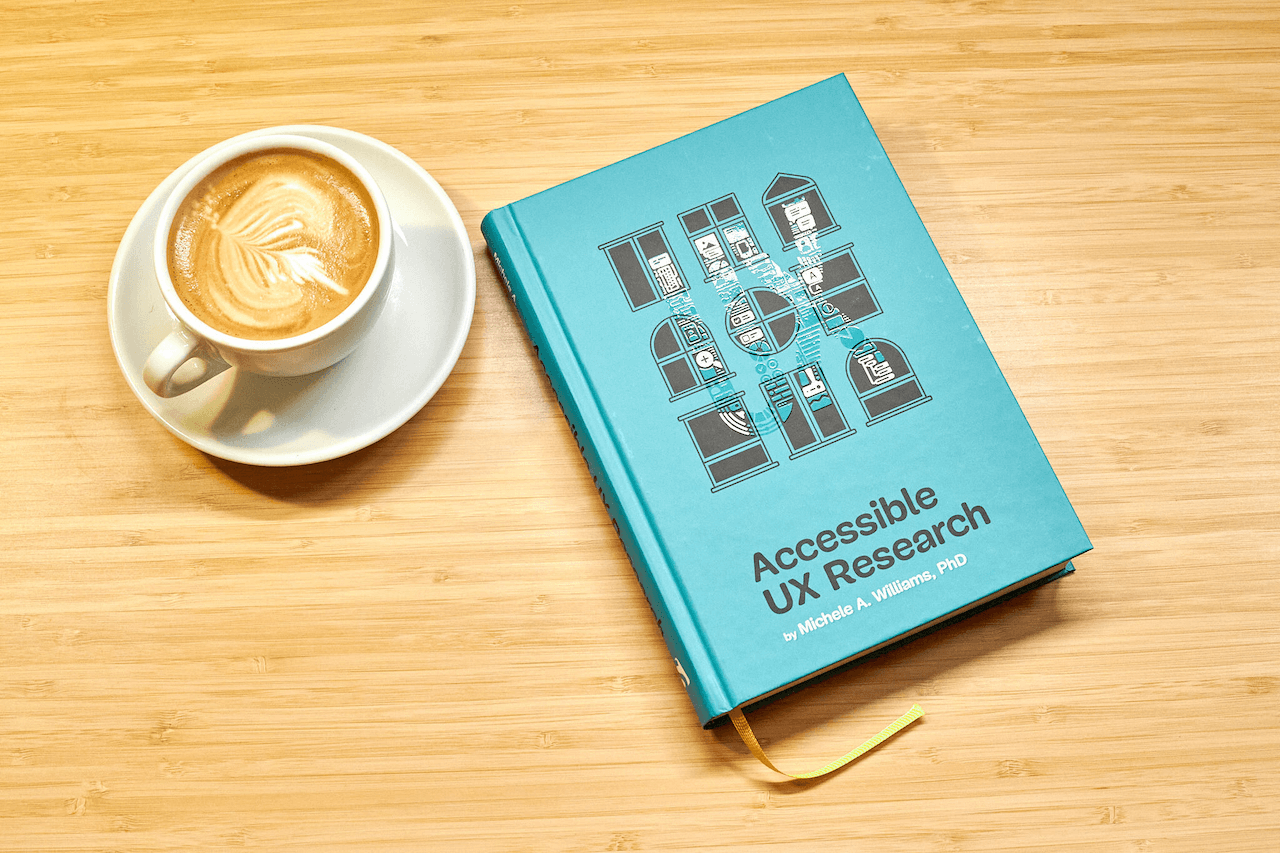
Our newest book, Accessible UX Research, can help you plan and execute great user research. Dr. Michele Williams draws from years of experience to build a clear, easy-to-follow roadmap. This book has something for everyone who wants to build digital products well:
- If you are just getting started with research, you will find helpful tips for making your research more inclusive. You will also get a primer on how to ask better questions, understand your own biases, and how to use your limited time and budget effectively.
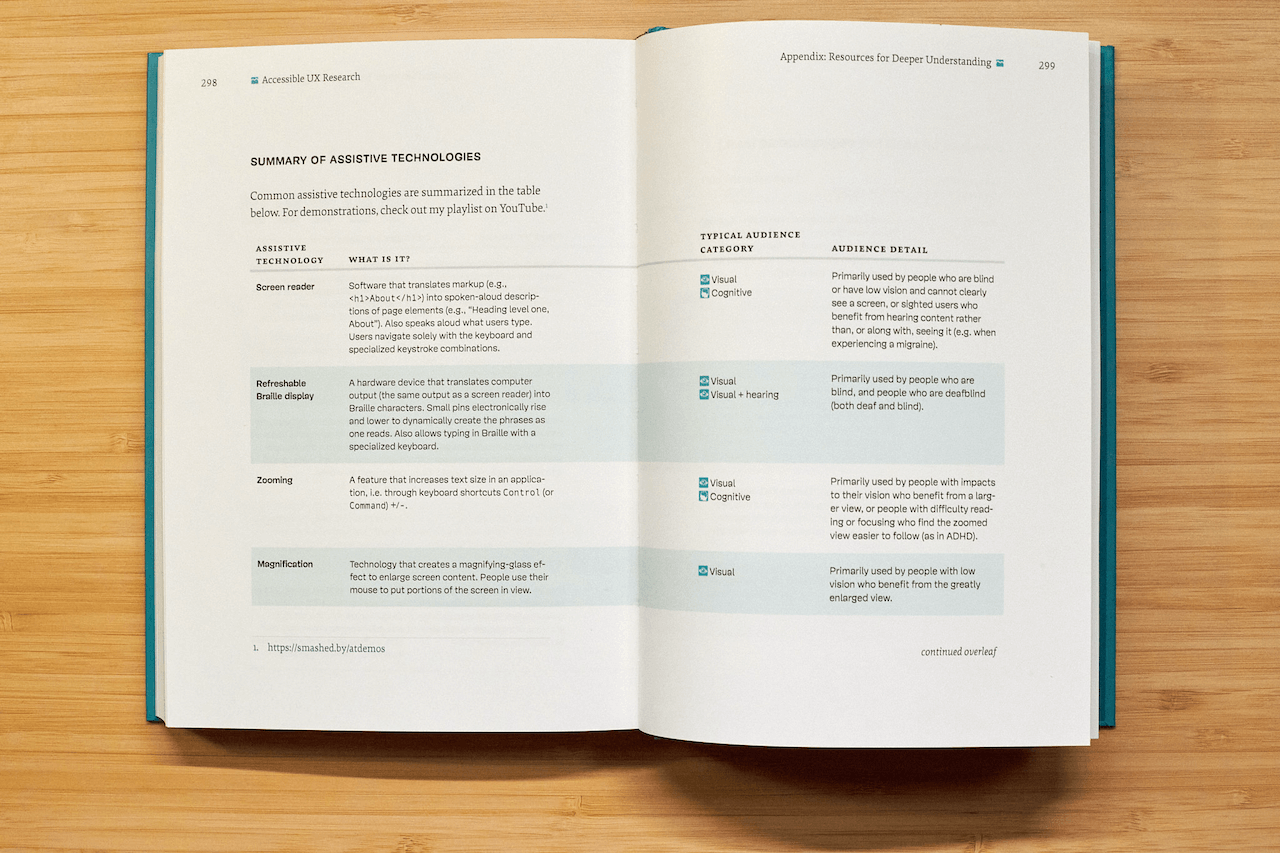
- If you are an accessibility-minded professional, you will find a deep well of details on different assistive technologies, how to include them in your testing environment, and ways to record and share your results to create a real impact on the products you make.
- If you are a developer, a manager, or just someone who wants to understand how different abilities impact each user’s experience, you will find the history, clear descriptions, and cultural touchpoints you need in order to make sense of all the accessibility and inclusion recommendations you encounter.
About The Book
The book isn’t a checklist for you to complete as a part of your accessibility work. It’s a practical guide to inclusive UX research, from start to finish. If you’ve ever felt unsure how to include disabled participants, or worried about “getting it wrong,” this book is for you. You’ll get clear, practical strategies to make your research more inclusive, effective, and reliable.
Inside, you’ll learn how to:
- Plan research that includes disabled participants from the start,
- Recruit participants with disabilities,
- Facilitate sessions that work for a range of access needs,
- Ask better questions and avoid unintentionally biased research methods,
- Build trust and confidence in your team around accessibility and inclusion.
The book also challenges common assumptions about disability and urges readers to rethink what inclusion really means in UX research and beyond. Let’s move beyond compliance and start doing research that reflects the full diversity of your users. Whether you’re in industry or academia, this book gives you the tools — and the mindset — to make it happen.
324 pages. Written by Dr. Michele A. Williams. Cover art by Espen Brunborg. Download a free sample (PDF, 2.3MB) or get the book right away.
Please note: We’ve found a way to get printed books to our US customers! After several months of dealing with customs and tariff issues, we are happy to announce that all of our books — including this brand-new one — are once again shipping worldwide.
Contents
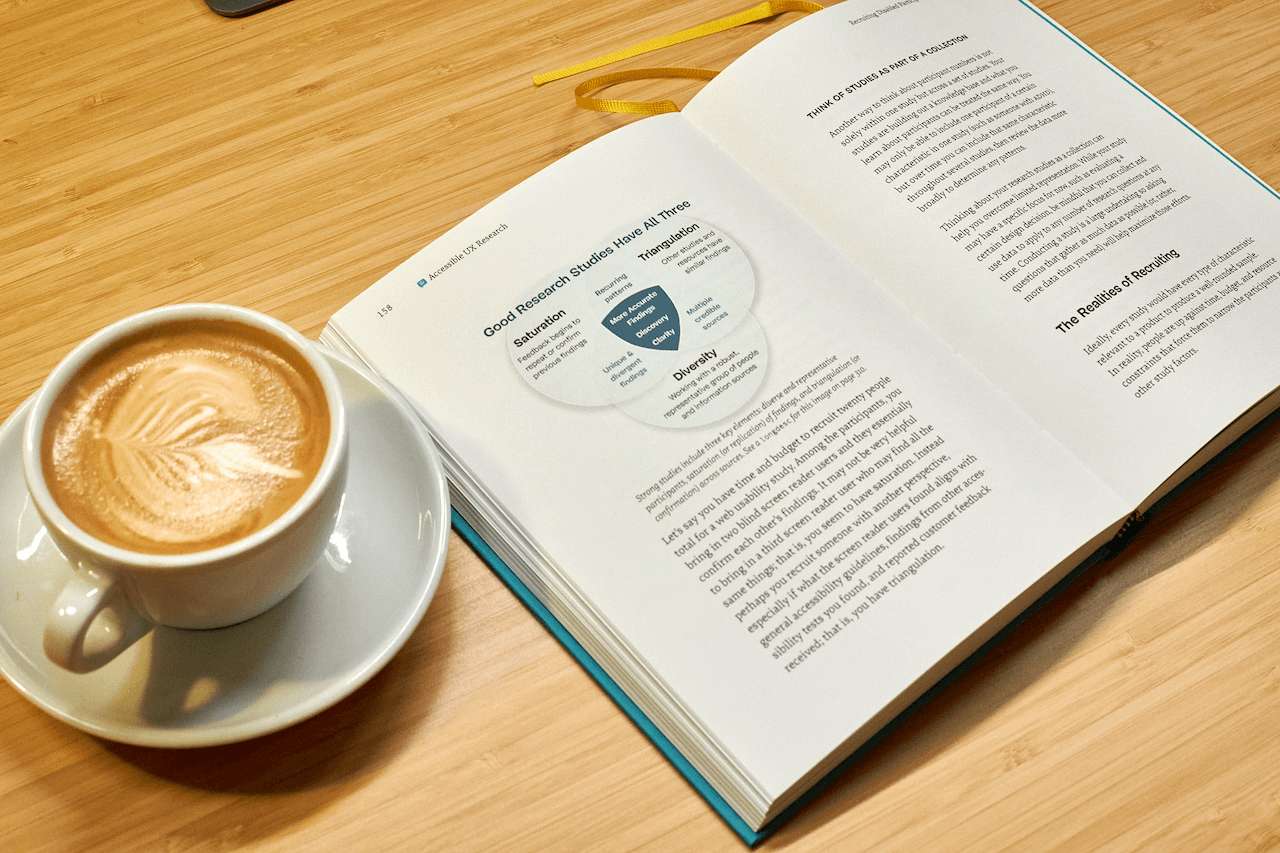
In Accessible UX Research, Michele Williams takes you on a deep dive into the real world of UX research, with a roadmap for including users with different abilities and needs.
+
2. Diversity of Disability
+
3. Disability in the Stages of UX Research
+
4. Recruiting Disabled Participants
+
5. Designing Your Research
+
6. Facilitating An Accessible Study
+
7. Analyzing and Reporting with Accuracy and Impact
+
8. Disability in the UX Research Field
+
+
About the Author
 Dr. Michele A. Williams is owner of M.A.W. Consulting, LLC - Making Accessibility Work. Her 20+ years of experience include influencing top tech companies as a Senior User Experience (UX) Researcher and Accessibility Specialist and obtaining a PhD in Human-Centered Computing focused on accessibility. An international speaker, published academic author, and patented inventor, she is passionate about educating and advising on technology that does not exclude disabled users.
Testimonials
“Accessible UX Research stands as a vital and necessary resource. In addressing disability at the User Experience Research layer, it helps to set an equal and equitable tone for products and features that resonates through the rest of the creation process. The book provides a solid framework for all aspects of conducting research efforts, including not only process considerations, but also importantly the mindset required to approach the work.
This is the book I wish I had when I was first getting started with my accessibility journey. It is a gift, and I feel so fortunate that Michele has chosen to share it with us all.”
Eric Bailey, Accessibility Advocate
“User research in accessibility is non-negotiable for actually meeting users’ needs, and this book is a critical piece in the puzzle of actually doing and integrating that research into accessibility work day to day.”
Devon Pershing, Author of The Accessibility Operations Guidebook
“Our decisions as developers and designers are often based on recommendations, assumptions, and biases. Usually, this doesn’t work, because checking off lists or working solely from our own perspective can never truly represent the depth of human experience. Michele’s book provides you with the strategies you need to conduct UX research with diverse groups of people, challenge your assumptions, and create truly great products.”
Manuel Matuzović, Author of the Web Accessibility Cookbook
“This book is a vital resource on inclusive research. Michele Williams expertly breaks down key concepts, guiding readers through disability models, language, and etiquette. A strong focus on real-world application equips readers to conduct impactful, inclusive research sessions. By emphasizing diverse perspectives and proactive inclusion, the book makes a compelling case for accessibility as a core principle rather than an afterthought. It is a must-read for researchers, product-makers, and advocates!”
Anna E. Cook, Accessibility and Inclusive Design Specialist
Technical Details
- ISBN: 978-3-910835-03-0 (print)
- Quality hardcover, stitched binding, ribbon page marker.
- Free worldwide airmail shipping from Germany.
- eBook available for download as PDF, ePUB, and Amazon Kindle.
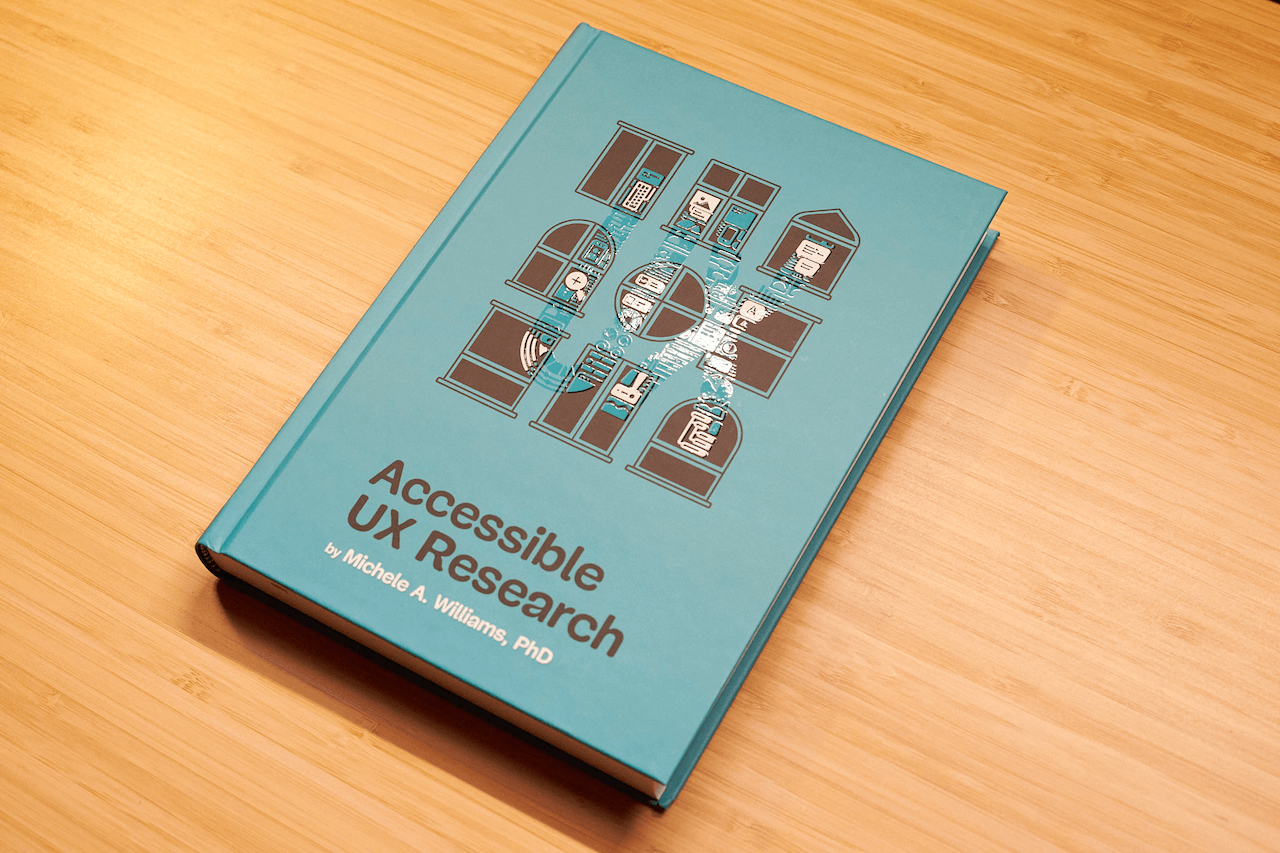
Producing a book takes quite a bit of time, and we couldn’t pull it off without the support of our wonderful community. A huge shout-out to Smashing Members for the kind, ongoing support. The eBook is and always will be free for Smashing Members. Plus, Members get a friendly discount when purchasing their printed copy. Just sayin’! ;-)
More Smashing Books & Goodies
Promoting best practices and providing you with practical tips to master your daily coding and design challenges has always been (and will be) at the core of everything we do at Smashing.
In the past few years, we were very lucky to have worked together with some talented, caring people from the web community to publish their wealth of experience as printed books that stand the test of time. Trine, Heather, and Steven are three of these people. Have you checked out their books already?
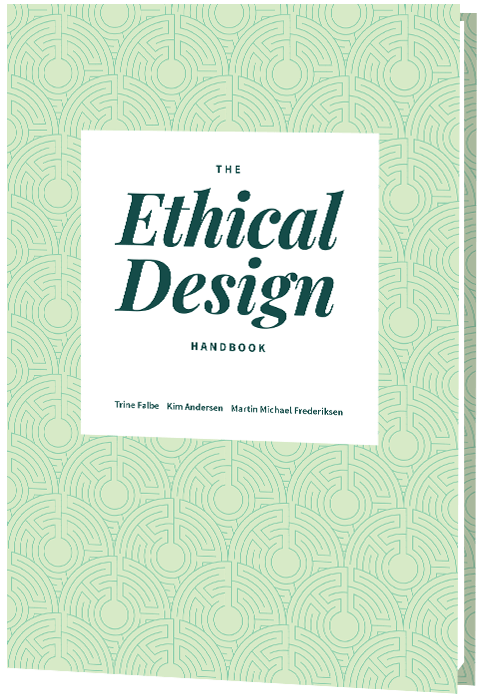
The Ethical Design Handbook
A practical guide on ethical design for digital products.
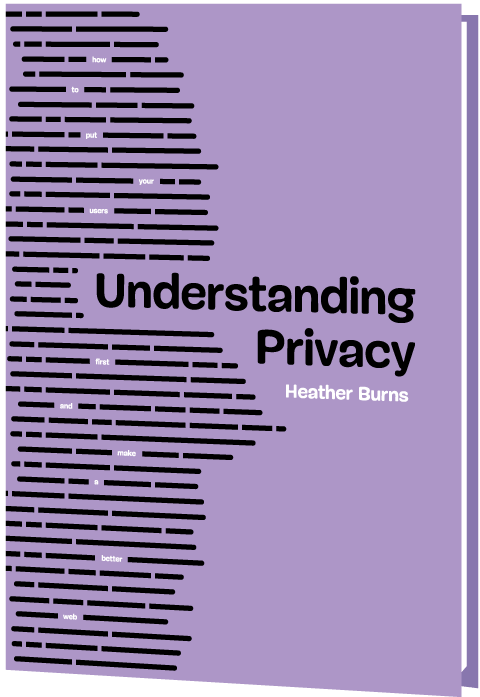
Understanding Privacy
Everything you need to know to put your users first and make a better web.
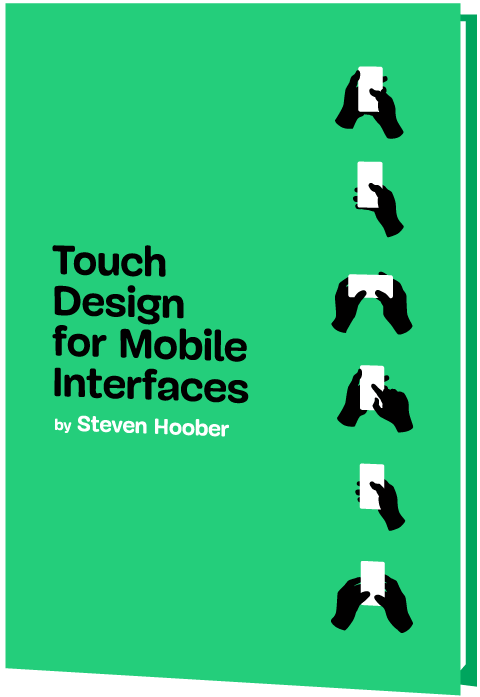
Touch Design for Mobile Interfaces
Learn how touchscreen devices really work — and how people really use them.
 (cm, il)