

惯性聚合 高效追踪和阅读你感兴趣的博客、新闻、科技资讯
阅读原文 在惯性聚合中打开

推荐订阅源

Blog — PlanetScale
Blog — PlanetScale
爱范儿
爱范儿
MongoDB | Blog
MongoDB | Blog
腾讯CDC
aimingoo的专栏
aimingoo的专栏
月光博客
月光博客
Engineering at Meta
Engineering at Meta
C
Check Point Blog
N
Netflix TechBlog - Medium
钛媒体:引领未来商业与生活新知
钛媒体:引领未来商业与生活新知
L
LangChain Blog
大猫的无限游戏
大猫的无限游戏
IT之家
IT之家
Microsoft Security Blog
GbyAI
GbyAI
奇客Solidot–传递最新科技情报
奇客Solidot–传递最新科技情报
T
The Blog of Author Tim Ferriss
Last Week in AI
Last Week in AI
B
Blog
让小产品的独立变现更简单 - ezindie.com
人人都是产品经理
人人都是产品经理
博客园 - 叶小钗
WordPress大学
WordPress大学
博客园 - 司徒正美

Latest from TechRadar in Security

Robots are fighting wars and helping to quash riots — China is arming riot police with squads of AI controlled drones and Ukraine wants to man the frontlines with 25,000 robots US security agency still using Mythos despite ban – government using new security tool despite Pentagon's… Struggling to launch Teams? Microsoft recalls update causing failed startup and infinite loading loops –… How to meaningfully measure the effectiveness of cyber resilience 'We've identified a security incident': Vercel breach confirmed after hackers claim stolen data for sale… How EU organizations can turn sovereign cloud theory into action 'Update immediately': 60,000 WordPress websites at risk after experts discover flaw that allows hackers to… 'They mopped the floor with me and pulled every childish game they could': Disgruntled researcher releases second major Windows zero-day — claims Microsoft 'would ruin my life, and they did' 'As threats evolve, Gemini keeps our defenses one step ahead': Google claims its AI helped it block over 8.3… Cisco tells Webex users to patch critical security flaws immediately, as experts find its Wi-Fi boxes may be filling their disks with undeletable data every day Microsoft experts warn North Korean attackers target macOS users with 'a highly reliable infection chain' to steal passwords, financial data and more — here's how to stay safe Solving the shadow IT crisis in travel Agentic swarms will change how everyone uses AI – but how can organizations deploy them securely? Europol launches Operation PowerOFF — warns 75,000 DDoS users and takes down 53 domains China completes testing on ‘deep-sea electro-hydrostatic actuator’ capable of slicing undersea cables as deep as 3.5 kilometers – new compact subsea vessel testing bridges the ‘last mile’ and could deploy in 2026 Many are still leaving the door open': Security experts warn FIFA World Cup partners could be putting customers at… 'Anyone with $10 could have walked straight through': Report warns this legit-looking software is actually… An ancient Microsoft Excel security flaw could let hackers hijack your entire system, so patch now 'This is not a traditional coding error': Experts flag potentially critical security issues at the heart of Anthropic's MCP, exposes 150 million downloads and thousands of servers to complete takeover Your OpenClaw agents can empty your inbox and leak your data. Here's how to secure them Russia hits European thermal power plant in attempted ‘destructive’ cyberattack – Pro-Kremlin hackers are engaging in ‘riskier and more reckless behavior’ in latest attempt to cripple Western critical infrastructure The war in Iran is reaching cyberspace - here’s how to prepare Millions of hotel goers may have been exposed after hackers steal data and leak it on Telegram 'Every Apple user needs to know about this nasty scam': Fake warnings tell users their iCloud data will be… Dozens of WordPress plugins hijacked to target thousands of sites 'We are currently being extorted' — crypto giant Kraken says it is facing extortion attack, here's… McGraw Hill becomes latest to see its Salesforce data hacked Over 100 Chrome Web Store extensions found stealing user data from thousands of accounts OpenAI reveals its Mythos rival designed for cybersecurity pros When cyberattacks are inevitable, recovery becomes the strategy
'The attacker completed in under five minutes': Experts w...
Sead Fadilpa · 2026-04-29 · via Latest from TechRadar in Security
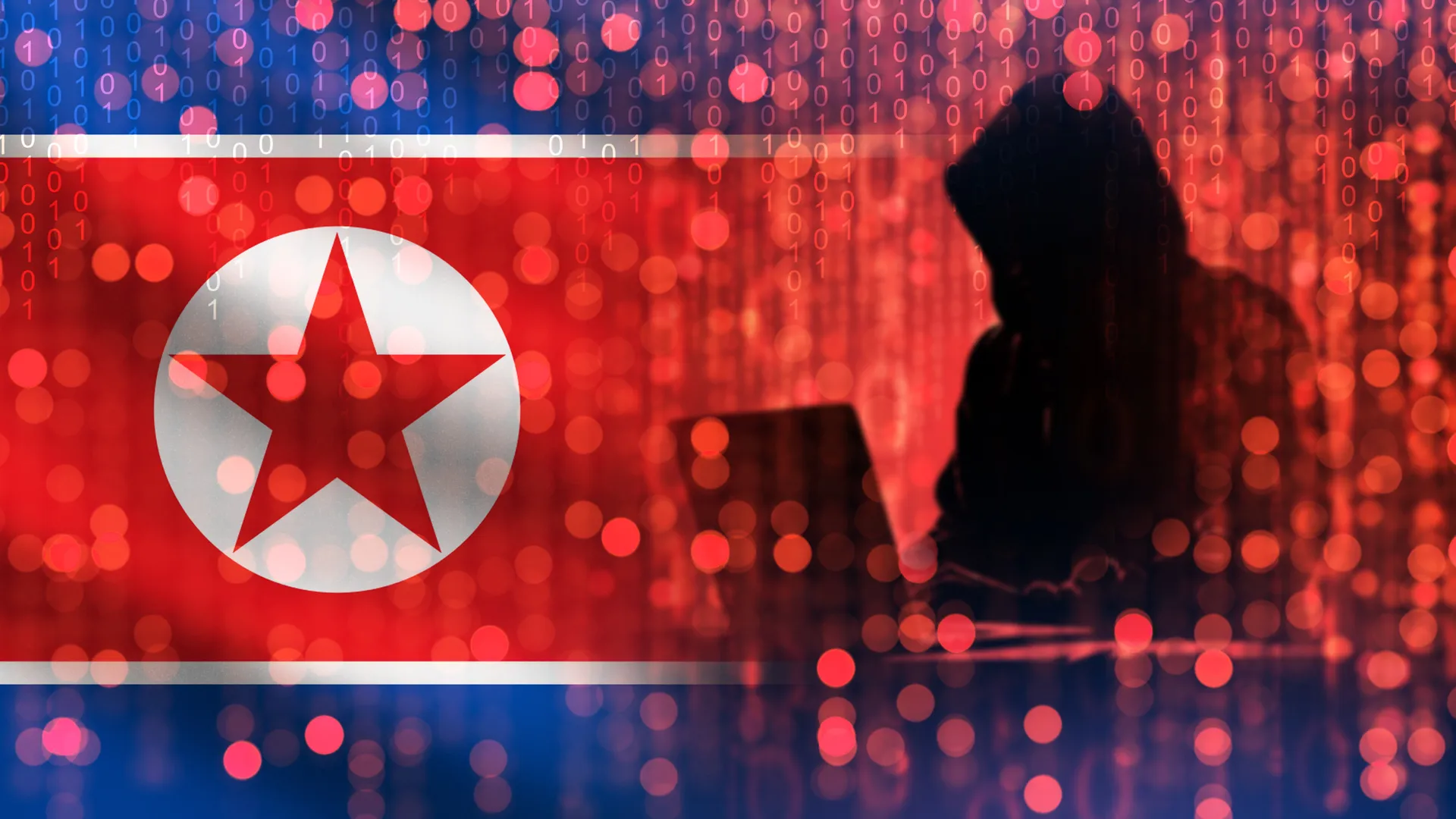
North Korean flag with a hooded hacker
(Image credit: Shutterstock)

  • State-sponsored attackers crafted convincing fake video calls to target cryptocurrency firms
  • A clipboard hijack trick replaced benign commands with malware‑deploying code
  • The operation enabled rapid credential theft, persistence, and full system compromise

Security researchers Arctic Wolf have revealed details of a highly sophisticated campaign targeting North American Web3 and cryptocurrency companies.

It is conducted by state-sponsored threat actors called BlueNoroff, a financially motivated subgroup of the dreaded North Korean Lazarus Group, with a goal of establishing persistent access on their target’s devices.

They do so by tricking the victim into installing malware on the computers themselves, but the way they do it is quite advanced.

Article continues below

ClicFix has entered the chat

While preparing for the attack, the threat actors would use real, high-value people from the Web3 world, generate convincing headshots using ChatGPT, and create semi-animated videos using Adobe Premiere Pro 2021.

They would then create a fake Zoom video call website identical to the actual Zoom call page, and would display the video to make it look even more convincing.

BlueNoroff would then invite the actual victim through Calendly, almost half a year into the future (most likely to make it look more convincing - important people are, after all, super busy).

When the victim clicks on the Zoom link, they see what they’re used to seeing - a video call page with the person on the other side moving and acting as if they were real. However, eight seconds into the call, a message would pop up across the screen, saying their “SDK is deprecated” and presenting them with an “Update Now” button.

Sign up to the TechRadar Pro newsletter to get all the top news, opinion, features and guidance your business needs to succeed!

The button leads to a typical ClickFix technique - to “fix” the problem, the victim needs to copy and paste a command. But since many are now aware of these attacks, BlueNoroff takes it a step further - the code being copied is actually legitimate and benign.

However, the fake Zoom website has a malicious JavaScript application embedded which handles the “copy” action, intercepts the clipboard event in the browser, and replaces what the user thinks they copied with different code.

That code, if executed, deploys malware on the device which establishes remote access to the system, allows BlueNoroff to exfiltrate credentials, session tokens, and other sensitive business data, and grants them the ability to move laterally throughout the network.

“The technical execution chain in this campaign is both efficient and operationally disciplined,” Arctic Wolf said. “From initial URL click to full system compromise, including C2 establishment, Telegram session theft, browser credential harvesting, and persistence, the attacker completed in under five minutes.”


Best antivirus software header

Google logo on a black background next to text reading 'Click to follow TechRadar'

Follow TechRadar on Google News and add us as a preferred source to get our expert news, reviews, and opinion in your feeds.


Sead is a seasoned freelance journalist based in Sarajevo, Bosnia and Herzegovina. He writes about IT (cloud, IoT, 5G, VPN) and cybersecurity (ransomware, data breaches, laws and regulations). In his career, spanning more than a decade, he’s written for numerous media outlets, including Al Jazeera Balkans. He’s also held several modules on content writing for Represent Communications.