惯性聚合 高效追踪和阅读你感兴趣的博客、新闻、科技资讯
阅读原文 在惯性聚合中打开

推荐订阅源

K
Kaspersky official blog
奇客Solidot–传递最新科技情报
奇客Solidot–传递最新科技情报
CTFtime.org: upcoming CTF events
V
Visual Studio Blog
F
Full Disclosure
B
Blog
C
CXSECURITY Database RSS Feed - CXSecurity.com
L
Lohrmann on Cybersecurity
月光博客
月光博客
I
Intezer
博客园 - 三生石上(FineUI控件)
Hacker News - Newest:
Hacker News - Newest: "LLM"
D
Darknet – Hacking Tools, Hacker News & Cyber Security
博客园_首页
P
Proofpoint News Feed
C
Check Point Blog
N
News | PayPal Newsroom
H
Heimdal Security Blog
Recent Commits to openclaw:main
Exploit-DB.com RSS Feed
G
GRAHAM CLULEY
WordPress大学
WordPress大学
C
CERT Recently Published Vulnerability Notes
Y
Y Combinator Blog
Recorded Future
Recorded Future
Application and Cybersecurity Blog
T
Tailwind CSS Blog
W
WeLiveSecurity
L
LINUX DO - 热门话题
Microsoft Azure Blog
freeCodeCamp Programming Tutorials: Python, JavaScript, Git & More
Schneier on Security
爱范儿
爱范儿
Martin Fowler
Martin Fowler
U
Unit 42
T
Troy Hunt's Blog
S
Securelist
V
V2EX
V2EX - 技术
V2EX - 技术
MongoDB | Blog
MongoDB | Blog
K
KPMG report finds enterprise disconnect between AI and its ROI | CIO
博客园 - 聂微东
人人都是产品经理
人人都是产品经理
M
MIT News - Artificial intelligence
T
Tor Project blog
Cisco Talos Blog
Cisco Talos Blog
罗磊的独立博客
小众软件
小众软件
阮一峰的网络日志
阮一峰的网络日志
Vercel News
Vercel News

Yanko Design

What If Your Earbuds Could Help You Sleep After They Played Music And Podcasts All Day? - Yanko Design Son transforms a Unitree robot dog into an all-terrain mobility chair for his disabled father - Yanko Design This 24-Foot Tiny Home From Australia Proves Small Space Design Is All About Intention - Yanko Design Korean Studio JAYUJAJE Just Made the Strangest Clock - Yanko Design A 28m² Bamboo Tower in China Makes You Bow to Get In - Yanko Design DJI built a parachute into their drones to protect the hardware… and people’s heads - Yanko Design If Le Creuset and Instant Pot Had a Baby, It Would Look Exactly Like This $199 Pressure Cooker - Yanko Design ASUS Zenbook A16 (UX3607OA ) Review: Big screen, Surprisingly Light - Yanko Design New Aboard T4 self-propelled electric travel trailer is built for extended off-grid living - Yanko Design Sealed in 10 Seconds: LifePods Changes Disaster Survival - Yanko Design 5 Best Home Gadgets & Accessories Worth Every Penny in July 2026 - Yanko Design A 300kg Caravan That Slides Open Into a Full Camp Kitchen - Yanko Design The $185 Modern Palm Pilot That Keeps You Off Your Smartphone - Yanko Design Bug Saber Turned Lightsaber Fantasy Into a 4,000V Bug Zapper HS 640 is the most lightweight and accessible Alaskan Campers ever built Craft House’s Latest Model Fits Two Bedrooms Into a Tiny Home You Can Actually Tow A Toy-Inspired Lamp Collection That Makes the Candelabra Feel New MacBook Ultra 2026: Samsung ships OLED panels for Apple’s first touchscreen MacBook LEGO’s Boba Fett Is Finally the 16-Inch Monument Fans Deserve These $69 ANC Headphones for kids are so good, I might use them myself: iClever Q950 Hands-on Birkenstock Just Went to Ballet Class With Repetto The Corner 99.5% of Wardrobes Ignore Finally Has a Rack for It BYD Seal 08 is a $29K flagship EV with 905 km range that already secured 65,000 orders
This Pixel 11 Pro Concept Makes the Camera Bump Its Best Feature - Yanko Design
JC Torres · 2026-07-09 · via Yanko Design

The back of a smartphone has historically been the least interesting real estate on the device. A logo, some camera lenses, and a flat slab of glass or metal. Nothing phones started to change that conversation a few years ago by threading LED strips through their transparent backs to indicate calls, charges, and timers with light patterns. The question since then has been whether anyone else would take the idea further.

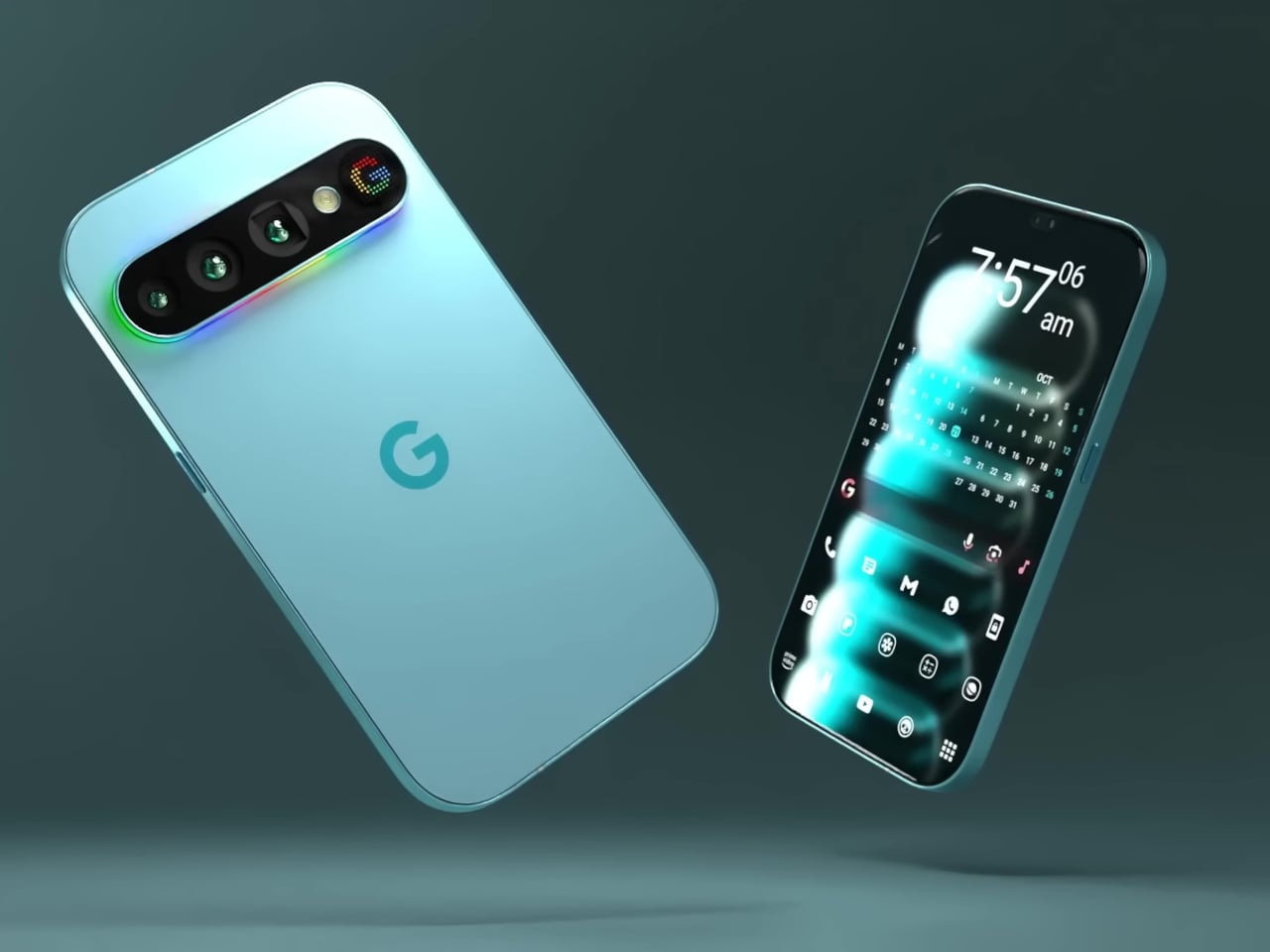
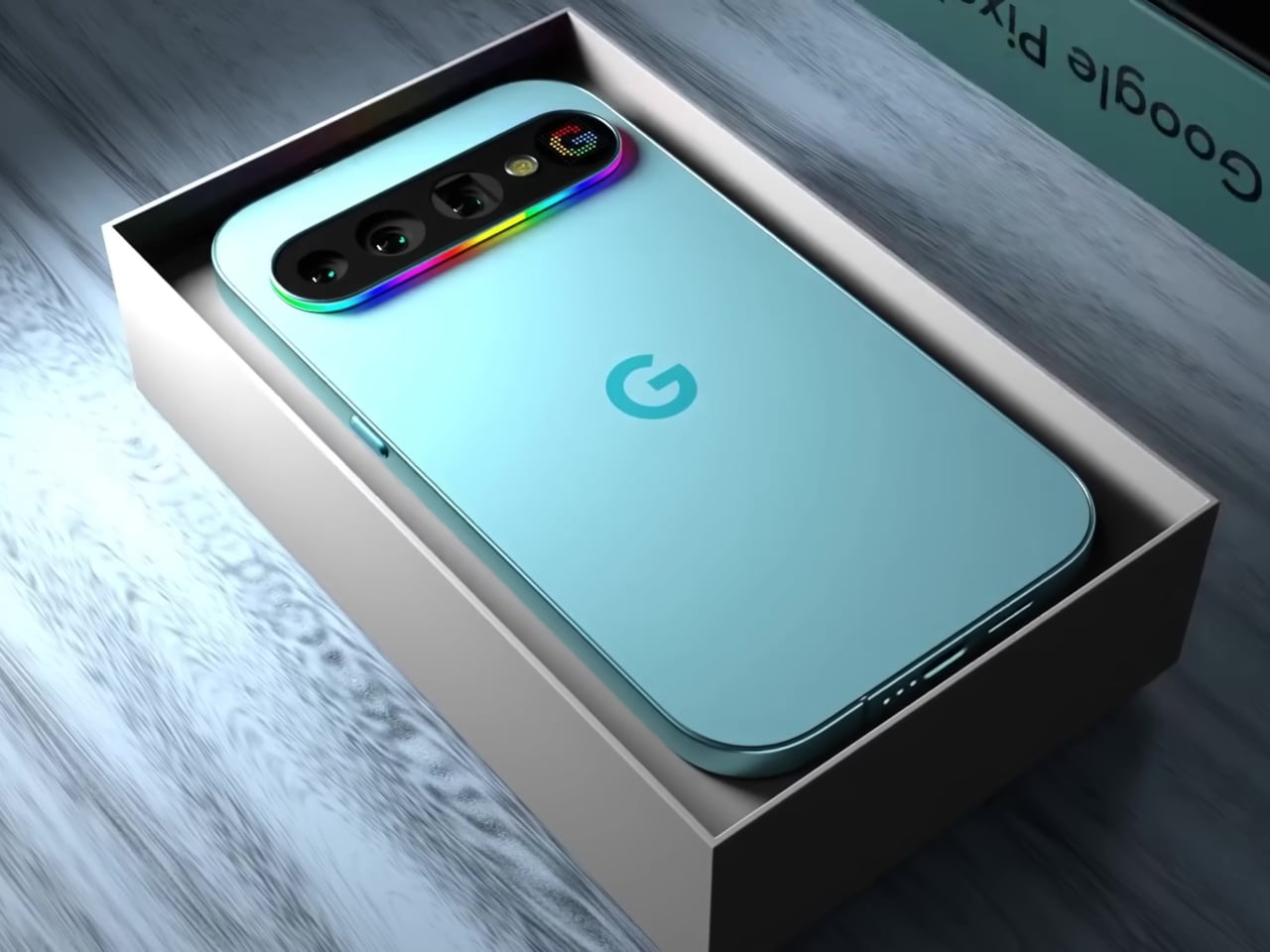
This concept for the Google Pixel 11 Pro imagines exactly that. Built around the Pixel’s signature horizontal pill-shaped camera module, it proposes two distinct types of back-panel feedback: a full-spectrum RGB light strip running around the entire perimeter of the camera bump, and a small dot-matrix display embedded at its right end that can render icons and text in pixel-art style.

Designer: AndroidLeo
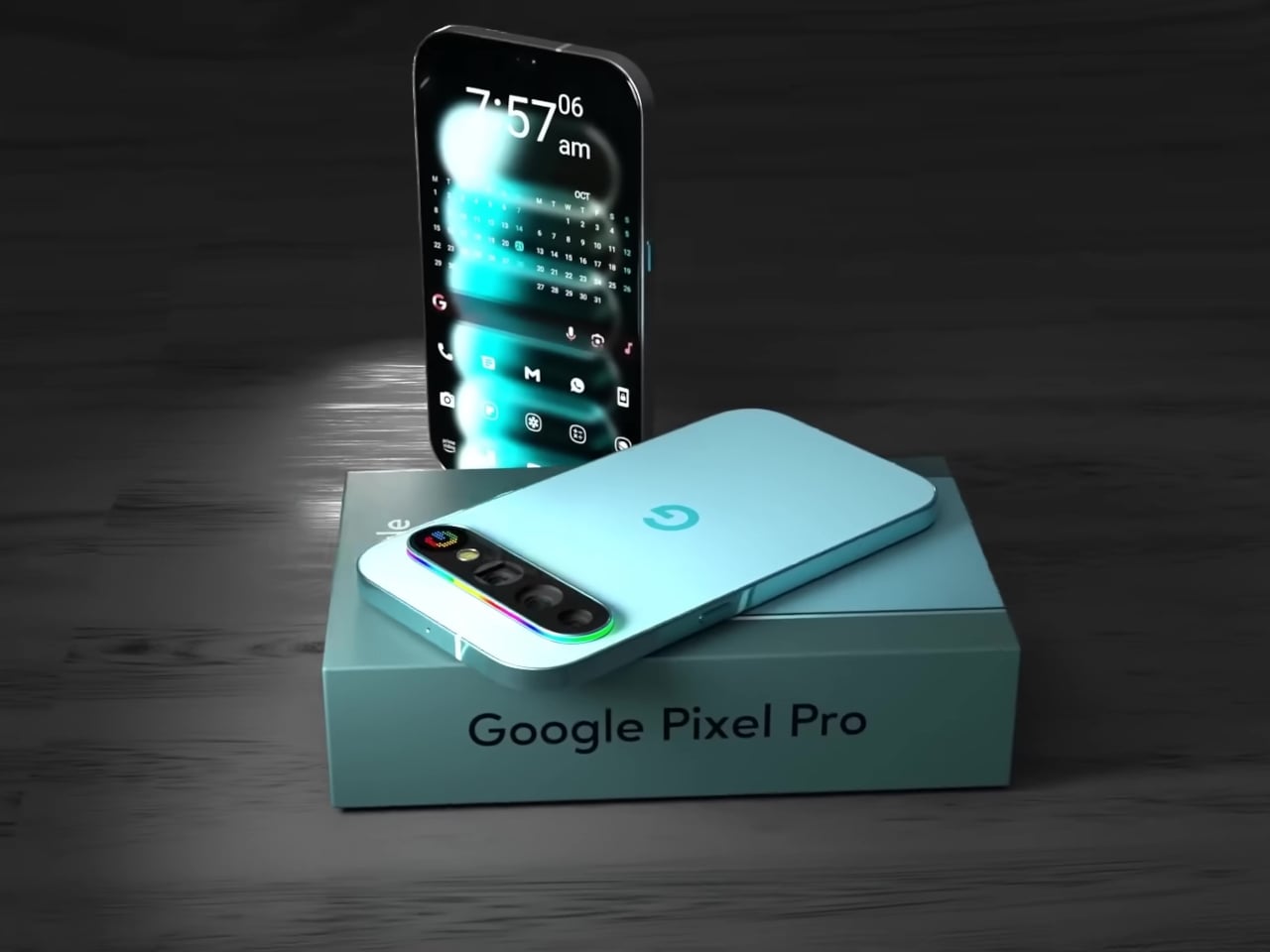
The light strip is the more immediately readable of the two. A continuous loop of addressable LEDs traces the full outline of the pill module, capable of cycling through any color and pattern the software dictates. A missed call could glow one color, a new message another, and a timer nearing its end could pulse differently again, all communicable from across the room without touching the phone.
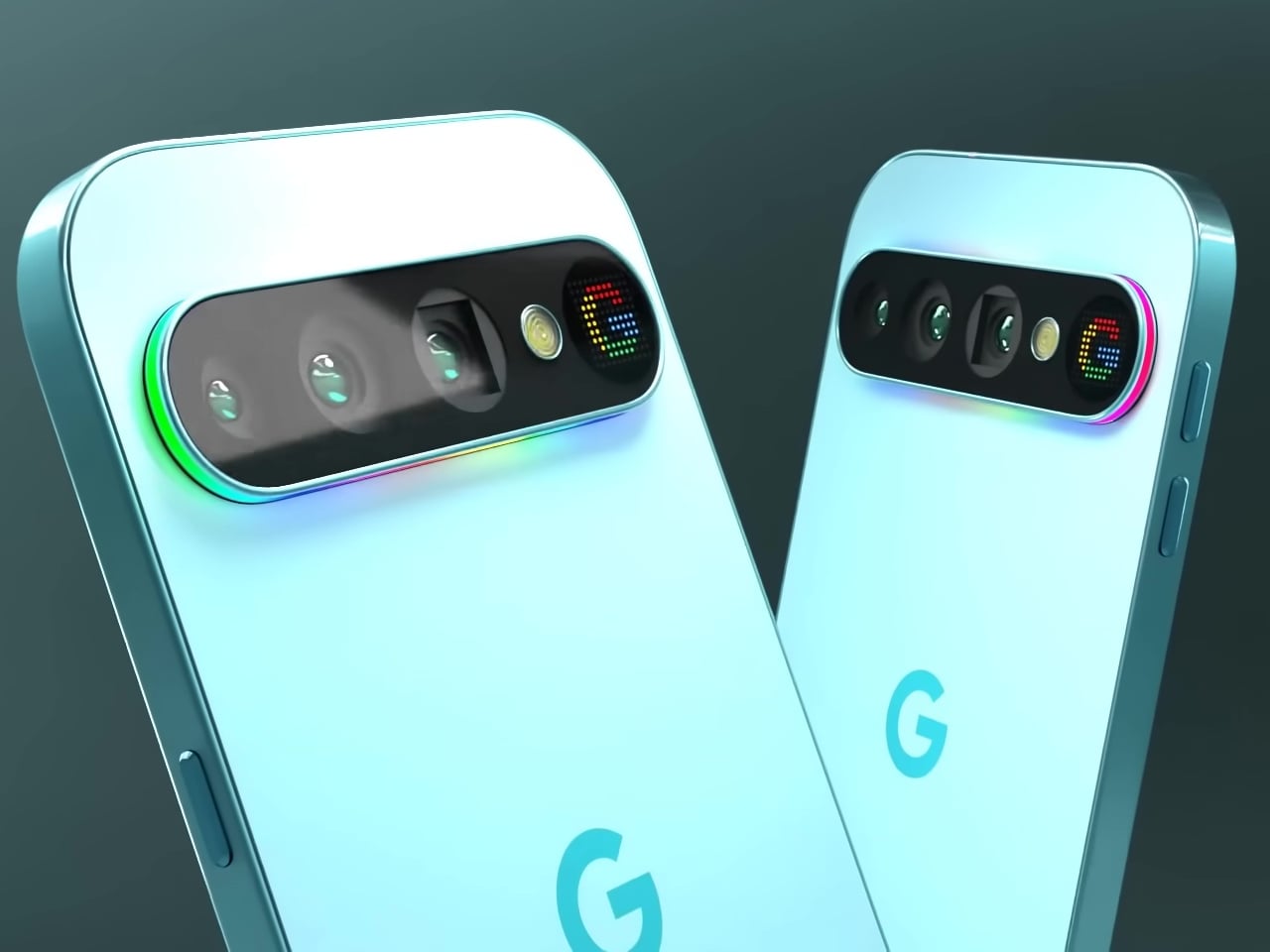
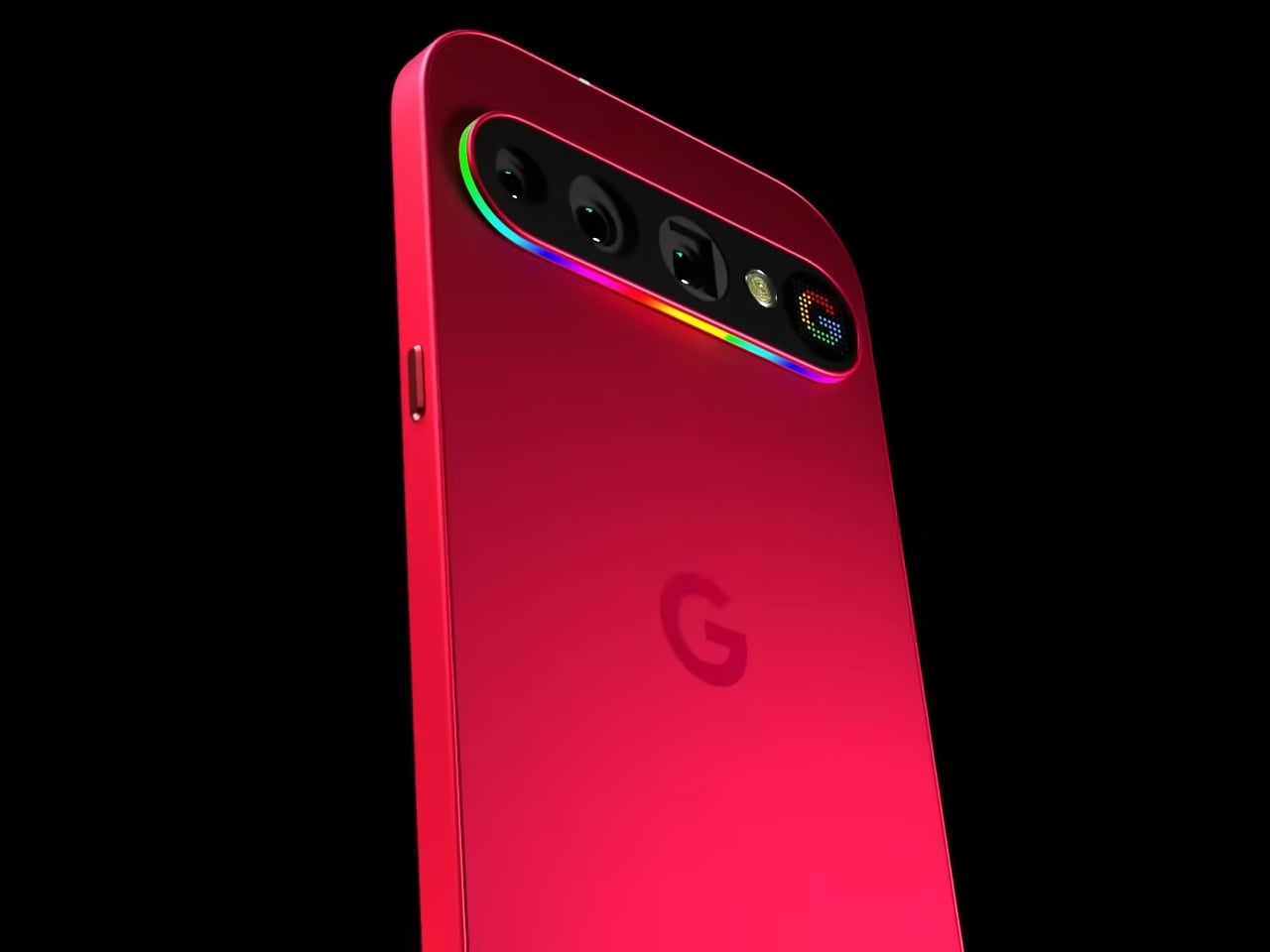
The dot-matrix panel, which the concept labels the “Pixel Display,” takes things a step further. Rather than a single color conveying a signal type, this small grid of colored LEDs can render simple graphics, caller ID icons, app logos, or even short scrolling text. It’s the difference between a traffic light and a small sign, and for a platform with as much software integration as Google’s, the implications are hard to ignore.
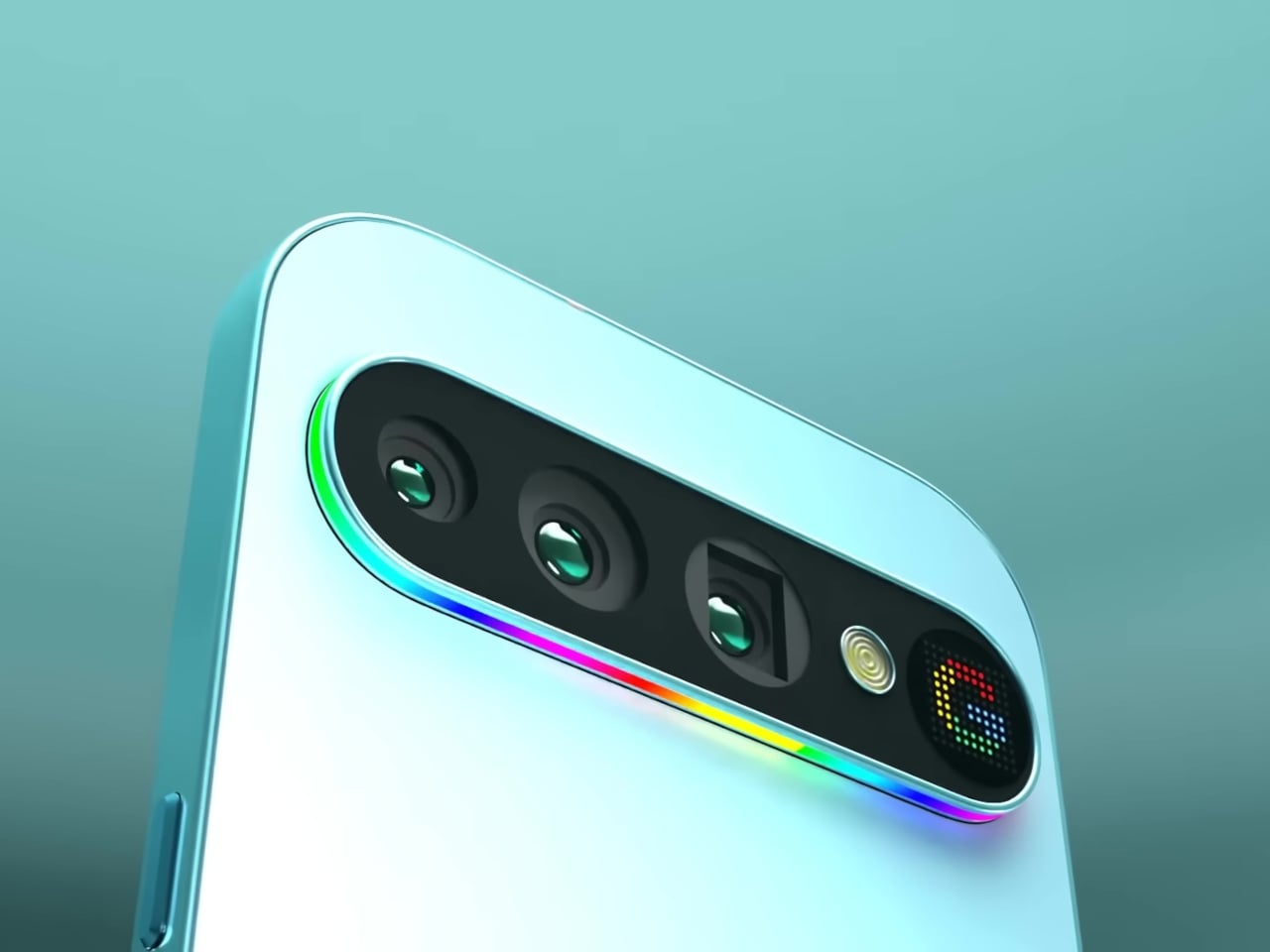
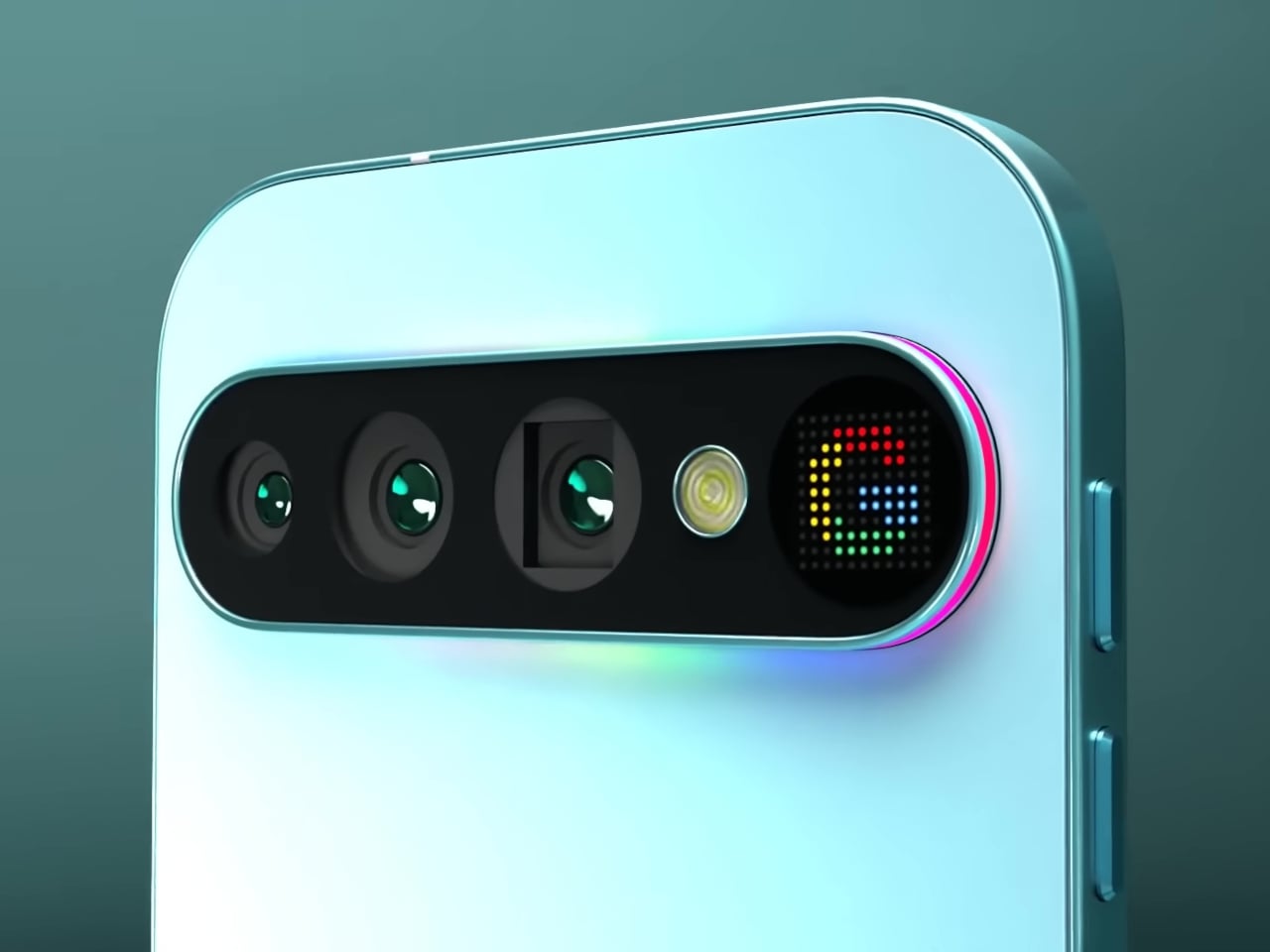
There’s an obvious precedent in Nothing’s Glyph Matrix, which brought a similar dot-matrix concept to Phone (3). That system already lets users assign custom animations to specific contacts and apps, turning the back of the phone into a secondary notification surface. What this Pixel concept adds is the light strip as a companion layer, the two systems working together rather than choosing between ambient mood and readable icon.
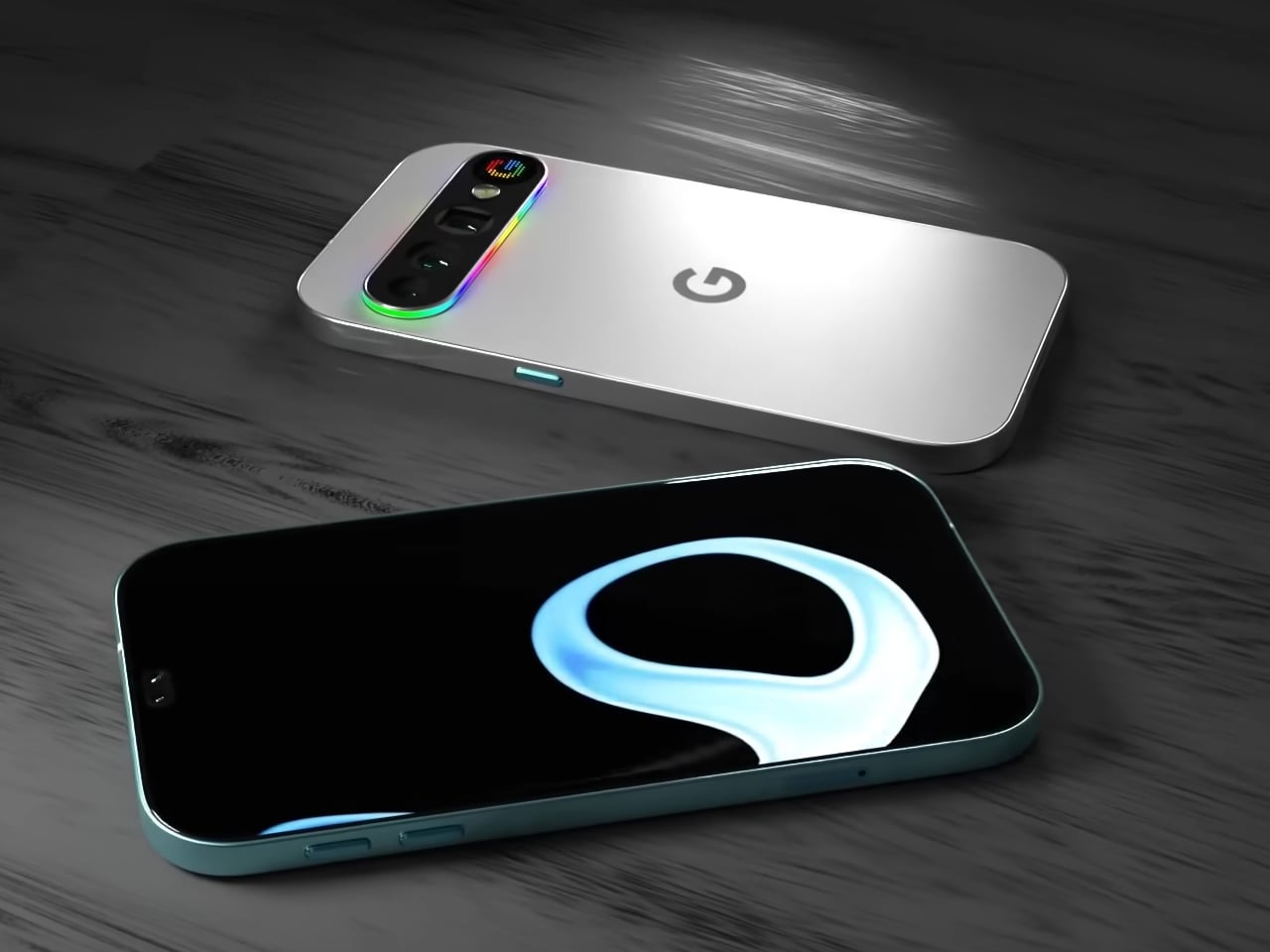
The practical case for this kind of design doesn’t require much imagination. Leave your phone face down on a table, and you will lose all notification awareness. Flip it over, and you get the full attention-grabbing brightness of the main display. A customizable light strip and a small icon panel would let the phone communicate at a much lower intensity, at a glance, rather than a full distraction.
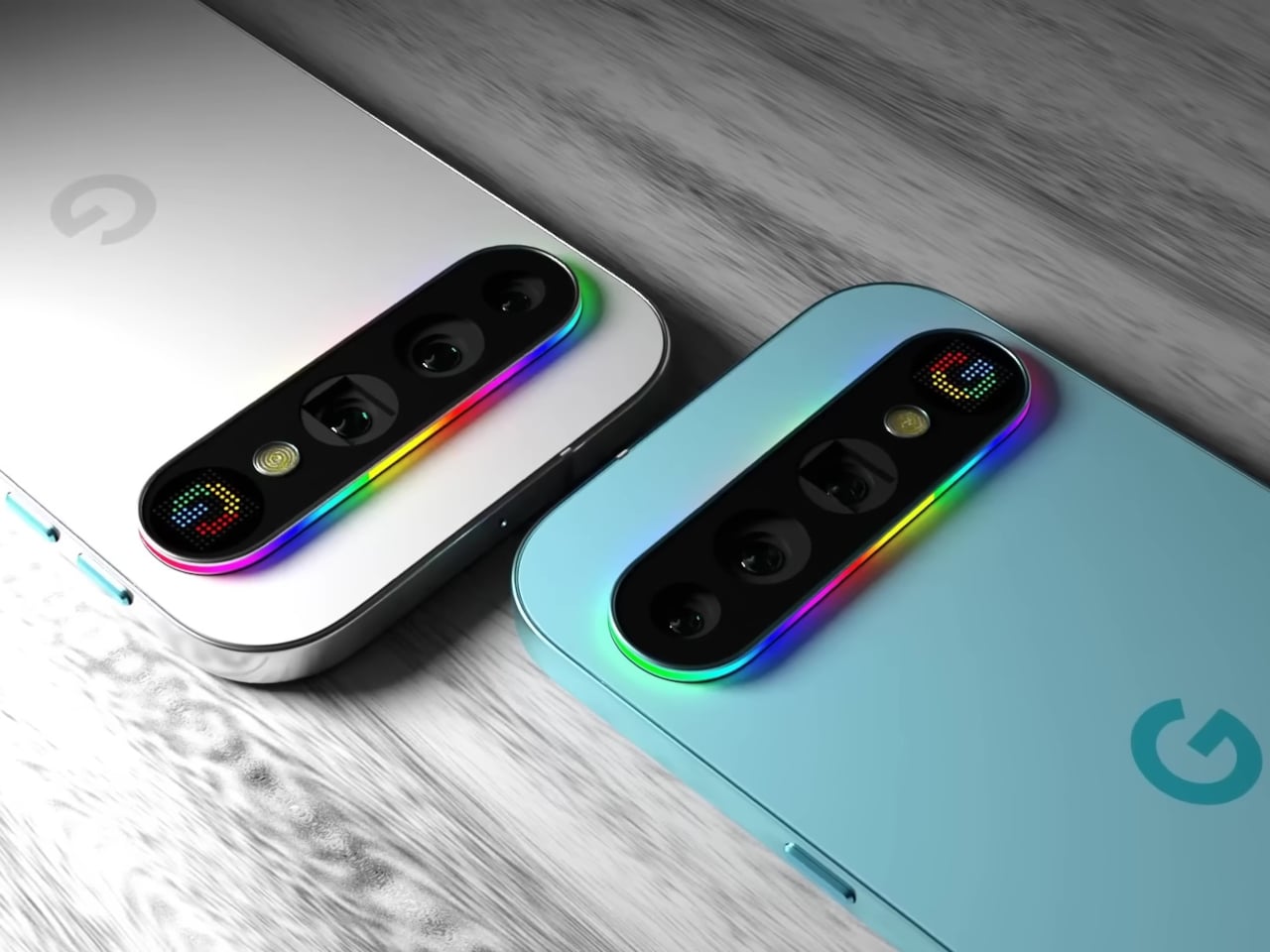
The concept renders the phone in both a pale aqua colorway and Parchment white, giving the full-spectrum strip a different quality in each: cool and vivid against the teal, soft and almost art deco against the white. Either way, the camera bump, typically the most criticized part of Pixel’s evolving design language, becomes something that actually earns its presence.
This is, of course, a fan concept rather than a leaked render or confirmed direction. The real Pixel 11 Pro hasn’t arrived yet, and nothing official confirms either the Pixel Display or the RGB strip. But the appetite for this kind of back-panel intelligence is clearly there, and if Nothing can build a devoted following around light strips alone, the version with two complementary systems and Google’s ecosystem behind it would be something worth watching for.
Add as a preferred source on Google