


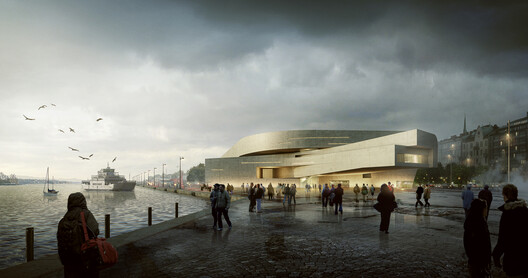
The concept of the museum has historically prompted reflections on identity, representation, and institutional frameworks. At present, museums are conceived as increasingly complex spaces, combining exhibition areas with other cultural and educational functions, prompting civic engagement, artistic experimentation, and archival responsibility. Throughout this year, numerous museum projects have been announced and advanced across multiple regions, with completion timelines largely extending from 2026 to 2030. Added to this variety is the wide range of concepts developed within the realm of ideas, proposals, and speculations. It is within this realm that this selection of projects submitted by ArchDaily readers finds its place: projects whose designs can expand the boundaries of our imagination.
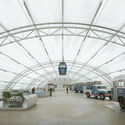
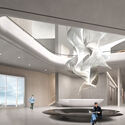
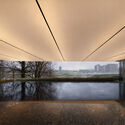
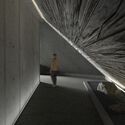
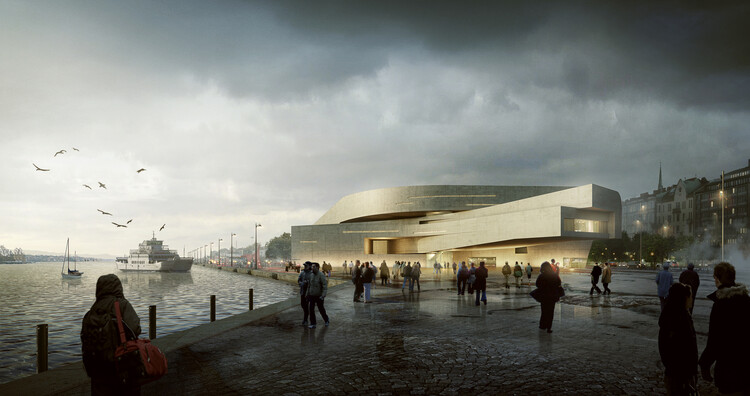
The five unbuilt projects compiled in this article are located in Spain, Finland, the United Kingdom, Brazil, and South Korea. As a diverse selection within the same typology, featured projects include a bioclimatic exhibition space, a cultural centre and public park complex, a waterfront landmark, a nature-oriented exhibition space, and a monumental, volcanic-like natural history museum. Design strategies are shaped by their own cultures and locations, by the civic functions they aim to fulfil, and by the surrounding landscape and its concept of nature. The selection spans competition entries, conceptual designs, and student proposals, adopting organic forms and working with geometry and with reflective, translucent, or textured materials, to make the museum building a distinctive creative work in its own right.


