
惯性聚合 高效追踪和阅读你感兴趣的博客、新闻、科技资讯
阅读原文 在惯性聚合中打开

推荐订阅源

Cloudbric
Cloudbric
T
Threat Research - Cisco Blogs
Simon Willison's Weblog
AWS News Blog
AWS News Blog
P
Privacy & Cybersecurity Law Blog
H
Help Net Security
云风的 BLOG
云风的 BLOG
G
GRAHAM CLULEY
Spread Privacy
Spread Privacy
Cyber Security Advisories - MS-ISAC
A
Arctic Wolf
Project Zero
Project Zero
Engineering at Meta
Engineering at Meta
P
Privacy International News Feed
Blog — PlanetScale
Blog — PlanetScale
Stack Overflow Blog
Stack Overflow Blog
M
MIT News - Artificial intelligence
The Register - Security
Recorded Future
Recorded Future
cs.AI updates on arXiv.org
C
Cisco Blogs
PCI Perspectives
PCI Perspectives
Recent Announcements
Martin Fowler
Martin Fowler
A
About on SuperTechFans
W
WeLiveSecurity
GbyAI
GbyAI
V
Vulnerabilities – Threatpost
The GitHub Blog
The GitHub Blog
D
Darknet – Hacking Tools, Hacker News & Cyber Security
C
Check Point Blog
Y
Y Combinator Blog
月光博客
月光博客
Scott Helme
Scott Helme
奇客Solidot–传递最新科技情报
奇客Solidot–传递最新科技情报
Google DeepMind News
F
Fortinet All Blogs
U
Unit 42
G
Google Developers Blog
钛媒体:引领未来商业与生活新知
钛媒体:引领未来商业与生活新知
T
Threatpost
Application and Cybersecurity Blog
Google Online Security Blog
Recent Commits to openclaw:main
OSCHINA 社区最新新闻
OSCHINA 社区最新新闻
Cisco Talos Blog
Cisco Talos Blog
博客园 - 三生石上(FineUI控件)
Hugging Face - Blog
Hugging Face - Blog
MongoDB | Blog
MongoDB | Blog
博客园 - 司徒正美

Gastropod

America's Forbidden Fruit and Forgotten First Soda: Ask Gastropod Bringing Home the Bacon: From Shakespeare to the Baconator What the Shell? Cracking the Lobster's Mysteries A Dog's Dinner: What Should We Really Be Feeding Our Pets? Feel the Beet: The Most Fascinating Woman You've Never Heard Of White vs. Wheat: The Food Fight of the Centuries Protein, Pyramids, and Politics: The Forgotten Stories and Controversial Science Behind Government Dietary Advice Sushi's Extraordinary Evolution: From Pickle to Primetime SNAP To It! Why Food Stamps Matter To All of Us—And Why They're Under Threat When is a Pancake Not a Pancake? OXO, Cuisinart, and Julia Child: The Secret (Accessible) History Behind Your Kitchen Ripe for Global Domination: The Story of the Avocado Canned Tomatoes and the Myth of the San Marzano Is Your Cinnamon Fake? Where Does Kefir Come From? Plus: Why Is Citric Acid In Everything? Ask Gastropod! Forget Plain Vanilla: You'll Never See The World's Favorite Flavor the Same Way Again From Fountain of Youth to Fruit on the Bottom: How Yoghurt Finally Made it Big in America Yes, You Really Can Make Food From Thin Air—And We Tried It Pizza Pizza! Everything You Know About Metabolism Is Wrong Durian Delight and Feijoa Fun: Adventures in Banned, Forgotten, and Unusual Fruit Talking Taco Tomatoes: A Love Story The Most Dangerous Fruit in America The Colorful Tale of Mexico's A-maize-ing Grain Should You Be Eating Poison Oak? Ask Gastropod: Bubblegum, Meal Kits, and the Real Truth About Rooibos Feasting With Montezuma: Food and Farming in a Floating City Bananageddon! Say Goodbye to *the* Banana, and Hello to the Weird and Wonderful World of Bananas, Plural Going Bananas: How a Tropical Treat Became the World's Favorite Fruit Do We Really Have Beer to Thank for the First Writing and Cities? Seed Oil Scare: The Curious Case of Canola Nutrition Advice Decoded: What Foods Are Actually Good For Us, What Should We Avoid, and Why Is It All SO Confusing? The Rise and Fall of Quinoa: From Incan "Superfood" to Buddha Bowl Basic The Shocking True Story of the World's First Seed Bank—And The Scientists Who Sacrificed Their Lives to Save It No Buzz Booze: The History and Science of Going Low- or No-Alcohol Moon Rocks Wanted (guest episode) Is My Dentist Scamming Me? (guest episode) Why Are Kids Dipping Cookies in Ranch, Are Food Comas Real, and What's Inside the Mummy's Stomach? Hacking Taste (encore) The Curiously Strong Story of Mint Dishwashing Debates: The Soapy Science Behind Everyone's Favorite Chore V is for Vitamin (encore) Bringing Salmon Home: The Story of the World's Largest Dam Removal Project Potatoes in Space! (encore) Absinthe: The World's Most Dangerous Drink? From Trash to Treasure: Why's It So Hard to Save Restaurant Leftovers From the Dumpster? Smashing Pumpkin Myths: What's Big, Orange, and Having an Identity Crisis? Meet the Queen of Kiwi: The 96-Year-Old Woman Who Transformed America's Produce Aisle (ENCORE) Deli is Short For Delicious—But Are Your Pastrami and Bologna Sandwiches Giving You Cancer? What's the Buzz on Eating Bugs? Can Insects Really Save the World? The Billion Dollar War Behind U.S. Rum (Planet Money) The Interstitium (Radiolab) Are Hush Puppies Racist? Is A2 Milk Really Healthier? And What's Up With Wedding Cake? Ask Gastropod! Why Does Everyone Have Food Allergies These Days? The Bagelization of America (encore) The Birth of Cool: How Refrigeration Changed Everything Omega 1-2-3 (encore) Sugar's Dark Shadow (Guest) Are Fast Food Jingles Pop Music? Why Are Restaurants So Loud? Plus the Science Behind the Perfect Playlist The Food Explorer (encore) Meet the Most Famous American You’ve Never Heard Of: His Legacy is Excellent French Fries and Monsanto All You Can Eat: The True Story Behind America's Most Popular Seafood The World Is Your Oyster: How Our Favorite Shellfish Could Save Coastlines Worldwide Eat This, Not That: The Surprising Science of Personalized Nutrition (encore) Bam! How Did Cajun Flavor Take Over the World? Anything's Pastable (Guest Episode) Can You Patent a Pizza? Super Fry: The Fight for the Golden Frite (encore) Dining at the (Other) Top of the World: Hunger, Fruitcake, and the Race to Reach the South Pole Dining at the Top of the World: Arctic Adaptation, Abundance, and...Ice Cream Cork Dork: Inside the Weird World of Wine Appreciation (encore) It's Tea Time: Pirates, Polyphenols, and a Proper Cuppa (encore) The Case of the Confusing Bitter Beverages: Vermouth, Amaro, Aperitivos, and Other Botanical Schnapps Rice, Rice Baby Ask Gastropod: White Chocolate, Jimmies, Chile vs. Mustard Burns, and Asparagus Pee Pumpkin Spice Hero: The Thrilling But Tragic True Story of Nutmeg Beans, Beans, the Magical Fruit Raised and Glazed: Don’t Doubt the Doughnut We'd Like to Teach The World to Slurp: The Weird and Wonderful Story of Ramen's Rise to Glory First Foods: Learning to Eat (encore) All Aboard the Tuna Rollercoaster! Join the King of Fish for a Wild Ride that Involves Ernest Hemingway and (of course) Jane Fonda The Keto Paradox: Fad Diet *and* Life-Saving Medical Treatment Secrets of Sourdough (encore) Watch It Wiggle: The Jell-O Story (encore) Where's the Beef? Lab-Grown Meat is Finally on the Menu The Incredible Egg (encore) Good Shit: How Humanure Could Save Agriculture—and the Planet Gettin' Fizzy With It (Encore) Who's Eating Who: Pineapples and You You've Lost That Hungry Feeling Fish & Chips: Uncovering the Forgotten Jewish and Belgian Origins of the Iconic British Dish What Connects Bones, Bird Poop, and Toxic Green Slime? Hint: Without It, Half of Us Wouldn't Be Alive Today All the Feels: How Texture Makes Taste The Fruit that Could Save the World Meet Taro, the Poke Bowl's Missing Secret Ingredient Always Coca-Cola: Coca, Kola, and the *Real* Secret Formula Here Comes Truffle Museums and the Mafia: The Secret History of Citrus (encore) The End of the Calorie (encore)
Feed the World: How the U.S. Became the World's Biggest Food Aid Donor—And Why That Might Not be Such a Great Thing - Gastropod
Nicola Twilley · 2018-05-22 · via Gastropod

The United States is, by far, the world's largest international food aid donor. Almost every year since the 1950s, it has been responsible for more than 50 percent of the billions of tons of food shipped from the parts of the world with a surplus to the parts of the world that are hungry. This episode, we ask: how did this situation come about, given that America spent its first 150 years of nationhood arguing against feeding people overseas? And, more importantly, is shipping sacks of corn from American ports really the best way to help people in need around the world? Listen in as we explore the curious story of how the U.S. started giving food—and why it's so hard to stop.

Every December, Band Aid's "Do They Know It's Christmas?" rings out at malls and holiday parties across the U.S. and U.K. But that earworm of a song was actually originally written in response to the devastating famine in Ethiopia in the early 1980s—and it's far from the famine's only legacy. Both the hunger and the relief effort were so enormous that they defined a generation, and forced a major reevaluation of how food aid works. After Ethiopia, many countries decided that handing out cash or vouchers was a cheaper, quicker, and more effective way to feed the hungry, as opposed to literally giving food. Experts began to focus on whether the food itself was the right kind—whether it contained the right mix of nutrients to help malnourished kids recover. And an increasing number of governments refocused their aid efforts exclusively on emergency relief, rather than development.

The U.S., however, remained committed to giving food as aid. This episode, we talk to Barry Riley, author of The Political History of American Food Aid: An Uneasy Benevolence, in order to understand why the U.S. overcame its initial reluctance to feeding the hungry overseas, and explore the impact of its more recent career as the world's largest food aid donor. From surplus grain stored in retired battleships to Cold War maneuvers, America's history has set up its enduring role as the largest provider of food, rather than money. Meanwhile, we check in with seasoned food aid professionals Bea Rogers and Patrick Webb at the Friedman School of Nutrition Science and Policy at Tufts University to investigate what the latest science can tell us about the best way to feed hungry people.
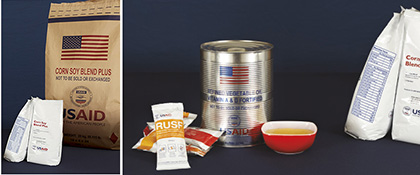

Photo by Vito Aluia for Tufts.

The answers are complex and often counter-intuitive, but they matter more than ever: the world is suffering from both a vast surplus of food, with grains stockpiled in hangars and silos amid a global glut, as well as widespread hunger, with more than a million people at risk of famine. Of course, food aid is just a part of the problem—or the solution—but shouldn't we make sure we're doing it right?

Episode Notes

Barry Riley and The Political History of Food Aid

Barry Riley is a visiting scholar at Stanford University's Center on Food Security and the Environment. After decades working in food aid, his new book, The Political History of Food Aid: An Uneasy Benevolence, is a fascinating, if wonky, look at the untold stories and Congressional horse-trading behind America's history as a food aid donor.

Bea Rogers, Patrick Webb, and the Food Aid Quality Review

Bea Rogers is professor of economics and food policy and director of the Food Policy and Applied Nutrition Program, part of the Tufts University Friedman School of Nutrition Science and Policy.

Patrick Webb is professor of nutrition at the Tufts University Friedman School of Nutrition Science and Policy, and the director of the USAID Feed the Future Nutrition Innovation Lab.

You can read more about the Food Aid Quality Review and its ongoing research lead by the Tufts team here.

Michael Buerk's harrowing report on the Ethiopian famine for the BBC

More on the cash vs. food debate

For more insight into the body of research examining whether it is more effective to give cash or food to hungry people, and in which circumstances, these studies are a good place to start: the International Food Policy Research Institute's discussion paper, "Costing Alternative Transfer Modalities,"; "Is Cash Better Than Food Aid for Refugees?," an article summarizing research conducted at Tufts University's Fletcher School; and this Oxfam special report on food aid reform.

"Do They Know It's Christmas?" Listen at your own peril!

Transcript

Click here for a transcript of the show. Please note that the transcript is provided as a courtesy and may contain errors