
惯性聚合 高效追踪和阅读你感兴趣的博客、新闻、科技资讯
阅读原文 在惯性聚合中打开

推荐订阅源

K
Kaspersky official blog
小众软件
小众软件
Engineering at Meta
Engineering at Meta
博客园 - 三生石上(FineUI控件)
WordPress大学
WordPress大学
G
Google Developers Blog
Cyber Security Advisories - MS-ISAC
V
V2EX
freeCodeCamp Programming Tutorials: Python, JavaScript, Git & More
Google DeepMind News
Security Archives - TechRepublic
CTFtime.org: upcoming CTF events
C
Check Point Blog
aimingoo的专栏
aimingoo的专栏
罗磊的独立博客
钛媒体:引领未来商业与生活新知
钛媒体:引领未来商业与生活新知
MongoDB | Blog
MongoDB | Blog
L
LINUX DO - 热门话题
酷 壳 – CoolShell
酷 壳 – CoolShell
奇客Solidot–传递最新科技情报
奇客Solidot–传递最新科技情报
H
Help Net Security
Martin Fowler
Martin Fowler
G
GRAHAM CLULEY
Simon Willison's Weblog
OSCHINA 社区最新新闻
OSCHINA 社区最新新闻
博客园 - Franky
V
Vulnerabilities – Threatpost
云风的 BLOG
云风的 BLOG
博客园_首页
C
Cybersecurity and Infrastructure Security Agency CISA
量子位
Stack Overflow Blog
Stack Overflow Blog
Recent Announcements
让小产品的独立变现更简单 - ezindie.com
I
Intezer
Scott Helme
Scott Helme
A
About on SuperTechFans
博客园 - 司徒正美
Hacker News: Ask HN
Hacker News: Ask HN
The GitHub Blog
The GitHub Blog
Forbes - Security
Forbes - Security
Threat Intelligence Blog | Flashpoint
博客园 - 聂微东
人人都是产品经理
人人都是产品经理
The Cloudflare Blog
cs.CV updates on arXiv.org
Spread Privacy
Spread Privacy
T
Tailwind CSS Blog
S
Security Affairs
宝玉的分享
宝玉的分享

Gastropod

America's Forbidden Fruit and Forgotten First Soda: Ask Gastropod Bringing Home the Bacon: From Shakespeare to the Baconator What the Shell? Cracking the Lobster's Mysteries A Dog's Dinner: What Should We Really Be Feeding Our Pets? Feel the Beet: The Most Fascinating Woman You've Never Heard Of White vs. Wheat: The Food Fight of the Centuries Protein, Pyramids, and Politics: The Forgotten Stories and Controversial Science Behind Government Dietary Advice Sushi's Extraordinary Evolution: From Pickle to Primetime SNAP To It! Why Food Stamps Matter To All of Us—And Why They're Under Threat When is a Pancake Not a Pancake? OXO, Cuisinart, and Julia Child: The Secret (Accessible) History Behind Your Kitchen Ripe for Global Domination: The Story of the Avocado Canned Tomatoes and the Myth of the San Marzano Is Your Cinnamon Fake? Where Does Kefir Come From? Plus: Why Is Citric Acid In Everything? Ask Gastropod! Forget Plain Vanilla: You'll Never See The World's Favorite Flavor the Same Way Again From Fountain of Youth to Fruit on the Bottom: How Yoghurt Finally Made it Big in America Yes, You Really Can Make Food From Thin Air—And We Tried It Pizza Pizza! Everything You Know About Metabolism Is Wrong Durian Delight and Feijoa Fun: Adventures in Banned, Forgotten, and Unusual Fruit Talking Taco Tomatoes: A Love Story The Most Dangerous Fruit in America The Colorful Tale of Mexico's A-maize-ing Grain Should You Be Eating Poison Oak? Ask Gastropod: Bubblegum, Meal Kits, and the Real Truth About Rooibos Feasting With Montezuma: Food and Farming in a Floating City Bananageddon! Say Goodbye to *the* Banana, and Hello to the Weird and Wonderful World of Bananas, Plural Going Bananas: How a Tropical Treat Became the World's Favorite Fruit Do We Really Have Beer to Thank for the First Writing and Cities? Seed Oil Scare: The Curious Case of Canola Nutrition Advice Decoded: What Foods Are Actually Good For Us, What Should We Avoid, and Why Is It All SO Confusing? The Rise and Fall of Quinoa: From Incan "Superfood" to Buddha Bowl Basic The Shocking True Story of the World's First Seed Bank—And The Scientists Who Sacrificed Their Lives to Save It No Buzz Booze: The History and Science of Going Low- or No-Alcohol Moon Rocks Wanted (guest episode) Is My Dentist Scamming Me? (guest episode) Why Are Kids Dipping Cookies in Ranch, Are Food Comas Real, and What's Inside the Mummy's Stomach? Hacking Taste (encore) The Curiously Strong Story of Mint Dishwashing Debates: The Soapy Science Behind Everyone's Favorite Chore V is for Vitamin (encore) Bringing Salmon Home: The Story of the World's Largest Dam Removal Project Potatoes in Space! (encore) Absinthe: The World's Most Dangerous Drink? From Trash to Treasure: Why's It So Hard to Save Restaurant Leftovers From the Dumpster? Smashing Pumpkin Myths: What's Big, Orange, and Having an Identity Crisis? Meet the Queen of Kiwi: The 96-Year-Old Woman Who Transformed America's Produce Aisle (ENCORE) Deli is Short For Delicious—But Are Your Pastrami and Bologna Sandwiches Giving You Cancer? What's the Buzz on Eating Bugs? Can Insects Really Save the World? The Billion Dollar War Behind U.S. Rum (Planet Money) The Interstitium (Radiolab) Are Hush Puppies Racist? Is A2 Milk Really Healthier? And What's Up With Wedding Cake? Ask Gastropod! Why Does Everyone Have Food Allergies These Days? The Bagelization of America (encore) The Birth of Cool: How Refrigeration Changed Everything Omega 1-2-3 (encore) Sugar's Dark Shadow (Guest) Are Fast Food Jingles Pop Music? Why Are Restaurants So Loud? Plus the Science Behind the Perfect Playlist The Food Explorer (encore) Meet the Most Famous American You’ve Never Heard Of: His Legacy is Excellent French Fries and Monsanto All You Can Eat: The True Story Behind America's Most Popular Seafood The World Is Your Oyster: How Our Favorite Shellfish Could Save Coastlines Worldwide Eat This, Not That: The Surprising Science of Personalized Nutrition (encore) Bam! How Did Cajun Flavor Take Over the World? Anything's Pastable (Guest Episode) Can You Patent a Pizza? Super Fry: The Fight for the Golden Frite (encore) Dining at the (Other) Top of the World: Hunger, Fruitcake, and the Race to Reach the South Pole Dining at the Top of the World: Arctic Adaptation, Abundance, and...Ice Cream Cork Dork: Inside the Weird World of Wine Appreciation (encore) It's Tea Time: Pirates, Polyphenols, and a Proper Cuppa (encore) The Case of the Confusing Bitter Beverages: Vermouth, Amaro, Aperitivos, and Other Botanical Schnapps Rice, Rice Baby Ask Gastropod: White Chocolate, Jimmies, Chile vs. Mustard Burns, and Asparagus Pee Pumpkin Spice Hero: The Thrilling But Tragic True Story of Nutmeg Beans, Beans, the Magical Fruit Raised and Glazed: Don’t Doubt the Doughnut We'd Like to Teach The World to Slurp: The Weird and Wonderful Story of Ramen's Rise to Glory First Foods: Learning to Eat (encore) All Aboard the Tuna Rollercoaster! Join the King of Fish for a Wild Ride that Involves Ernest Hemingway and (of course) Jane Fonda The Keto Paradox: Fad Diet *and* Life-Saving Medical Treatment Secrets of Sourdough (encore) Watch It Wiggle: The Jell-O Story (encore) Where's the Beef? Lab-Grown Meat is Finally on the Menu The Incredible Egg (encore) Good Shit: How Humanure Could Save Agriculture—and the Planet Gettin' Fizzy With It (Encore) Who's Eating Who: Pineapples and You You've Lost That Hungry Feeling Fish & Chips: Uncovering the Forgotten Jewish and Belgian Origins of the Iconic British Dish What Connects Bones, Bird Poop, and Toxic Green Slime? Hint: Without It, Half of Us Wouldn't Be Alive Today All the Feels: How Texture Makes Taste The Fruit that Could Save the World Meet Taro, the Poke Bowl's Missing Secret Ingredient Always Coca-Cola: Coca, Kola, and the *Real* Secret Formula Here Comes Truffle Museums and the Mafia: The Secret History of Citrus (encore) The End of the Calorie (encore)
The Salt Wars - Gastropod
Nicola Twilley · 2016-08-23 · via Gastropod

Salt is a magical substance. It reduces bitterness, enhances sweetness, boosts flavor, and preserves perishable foods. Without it, we would die: the human body can't make sodium, but our nerves and muscles don't work without it. It was considered rare until quite recently, so it's hardly surprising that, throughout history, salt has been the engine behind empires and revolutions. Today, there's a new battle in the salt wars, between those who think that we eat too much of it and it's killing us—and those who think most of us are just fine. Join us for a serving of salt, seasoned with science, history, and a little politics.

One of salt's many mysteries is how our ancestors first figured out that they needed it: unlike hunger or thirst, someone suffering a sodium deficiency doesn't crave salt. What's more, until humans began farming, we had no need to add salt to our diets—even today, Masai hunter-gatherers can get enough salt simply by drinking the blood of their livestock. But, however our need for salt was discovered, extracting it and trading it has shaped human history. From the very first brine wells in Sichuan province, China, to Mahatma Gandhi and the Indian independence movement, author Mark Kurlansky helps us trace the impact of salt through language, taxation, cuisine, and empire.
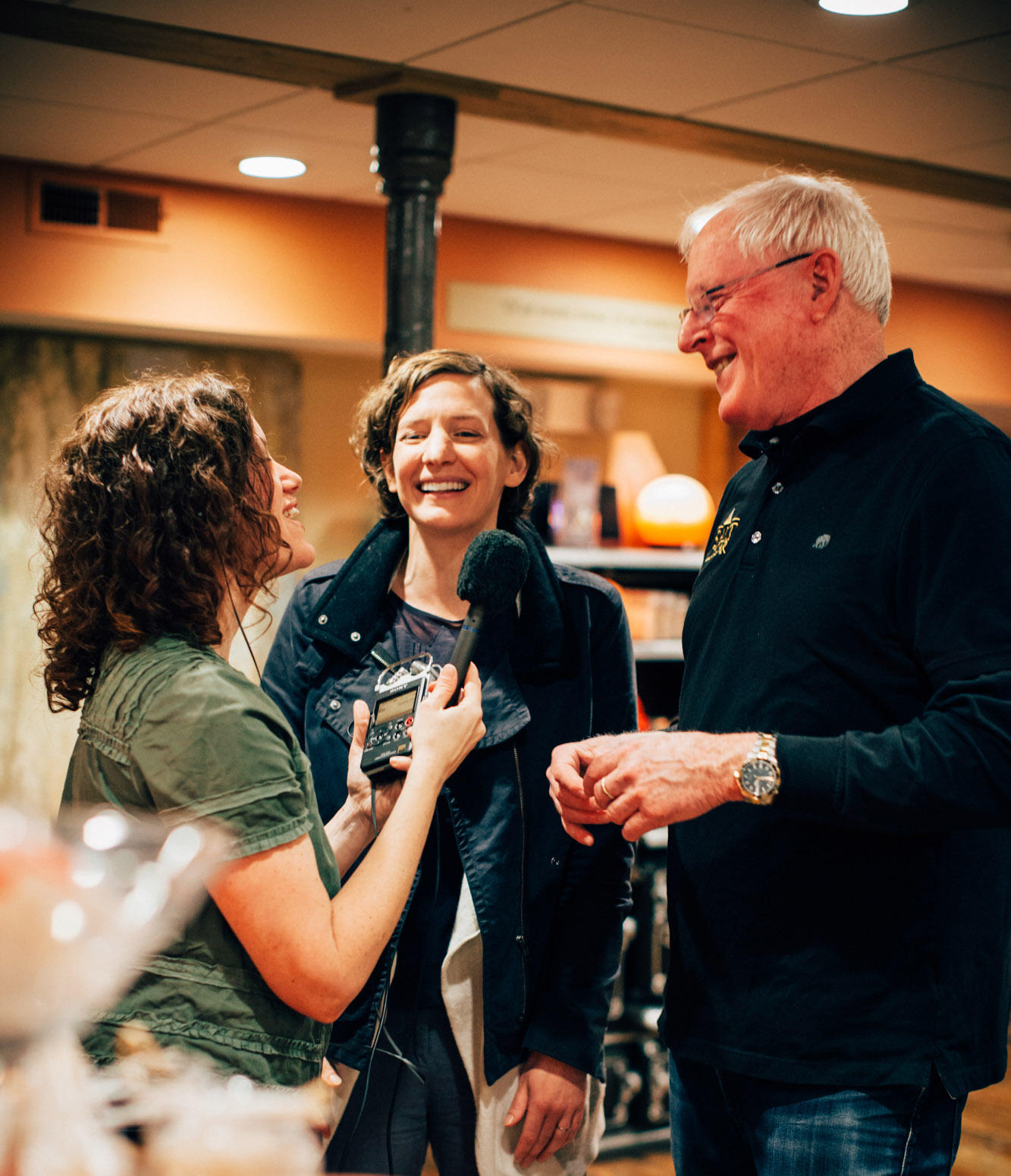
CG and NT Salt Cellar KB
Cynthia and Nicky interviewing Don Tydeman at The Salt Cellar, Portsmouth, NH. Photo by Kathi Bahr.

Although salt was one of the world's most valuable commodities for millennia, modern geology, technology, and food processing has made it cheap and ubiquitous. Globally, we each eat an average of 3,500 milligrams of sodium a day—a little more than a teaspoon and a half of salt. According to institutions such as the World Health Organization, the U.S. Centers for Disease Control, and the American Heart Association, that's too much, and, if we want to avoid dying from cardiovascular disease, we need to reduce our consumption. But is that really true?

As the U.S. Food & Drug Administration prepares to issue new sodium reduction goals for food manufacturers, we dive into the contentious science of sodium to tease out what we do and don't know about the connection between salt consumption and health. It's a much more nuanced story than the constant refrain that we need to cut down would imply. So why is the U.S. government making policy if the scientific evidence isn't conclusive? In a special collaboration with the podcast DecodeDC, we untangle what the FDA is doing, and why—and what that means to you, as a consumer. The draft guidance remains open for comment until August 31.

Finally, we come full circle and explore salt's current culinary renaissance. From artisanal Icelandic lava salt to handmade hyper-local sea salt, we visit the enthusiasts who are restoring salt's lost status and value.

Worried that you need to shake your salt habit? Curious about the merits of different gourmet salts? Mystified by the popularity of salt cod? Listen in this episode for answers to all these questions and more.

Episode Notes

DecodeDC

This episode is a special collaboration with our friends at DecodeDC, the podcast that helps make sense of people, policies, and politics in the nation's capital. To explain what the U.S. Food and Drug Administration is doing with regard to salt and why, host Jimmy Williams spoke to Robert Brackett, vice president and director of the Institute of Food Safety and Health (IFSH) at Illinois Institute of Technology, and former director of the FDA Center for Food Safety and Applied Nutrition. Listen to their conversation here.

Mark Kurlansky

Mark Kurlansky is the author of twenty-nine books, including Salt: A World History. His most recent book, Paper: Paging Through History, explores the ways in which this seemingly simple technology has shaped the world.

Salt Science

We spoke with a number of scientists to help unravel the competing arguments for and against salt reduction. This explainer by Julia Belluz for Vox provides a good overview of the logic behind salt reduction targets, and the evidence thus far. This 2013 Institute of Medicine report on the subject is a more in-depth read that concludes that there is not sufficient evidence to set an upper limit for sodium consumption. This Politico analysis by Helena Bottemiller looks at the conflicts between the food industry, policy makers, and scientists on the subject of salt.

Michael (Micky) Alderman, professor of epidemiology and medicine at Albert Einstein College of Medicine, is a specialist in hypertension who has authored many papers on the subject, including a 2014 meta-analysis that found that consuming less than 2,600 or more than 4,900 milligrams of sodium per day was associated with increased mortality compared to the ninety percent of the population who consume between 2,600 and 4,900 mg/day. Andrew Mente, an epidemiologist at McMaster University, co-authored a recent study in The Lancet in July 2016, in which he and his colleagues concluded that there was no benefit to reducing sodium for people with normal blood pressure.

Sandra Jackson, an epidemiologist with the U.S. Centers for Disease Control, published a study showing how much sodium Americans consume in January 2016. More information on the CDC's sodium reduction initiatives can be found online here. Nancy Cook, an epidemiologist and professor of medicine at Harvard, leads the Trials of Hypertension Prevention (TOHP) Follow-up Study, focusing on the long-term effects of weight loss and sodium reduction interventions on subsequent cardiovascular disease. Her findings show that for a population with hypertension, there are no risks from low sodium consumption and, in a paper currently in press, that lowering sodium consumption is associated with a reduction in mortality.

Gary Beauchamp, emeritus director and president of the Monell Chemical Senses Center, is an expert on salt taste perception.

Food & Drug Administration Guidelines

The FDA's draft guidance for industry on sodium reduction was issued in June 2016, and will remain open for comment through August 31, 2016. (UPDATE: The comment period has now been extended until October 17, apparently "to give industry more time to respond.")

The Salt Cellar

Husband and wife team Don and Judit Tydeman opened The Salt Cellar, a store devoted entirely to salt, in Portsmouth, New Hampshire, in 2011. They now have a second location in Portland, Maine.

Loyal Nine Restaurant & Cafe

Chef Marc Sheehan spoke to us about the process and concept behind making his own salt, which he uses to finish dishes at his restaurant, Loyal Nine, in Cambridge, Mass.

Extra Goodies for Sustaining Supporters

We have a special reward—a private newsletter crammed with extra snippets, recipes, and stories from each episode—for those of you who support Gastropod with a gift of $5 or more per episode on Patreon or $9 per month through our donation page. Don’t miss out!

Transcript

For a transcript of the show, please click here. Please note that the transcript is provided as a courtesy and may contain errors.