
惯性聚合 高效追踪和阅读你感兴趣的博客、新闻、科技资讯
阅读原文 在惯性聚合中打开

推荐订阅源

Martin Fowler
Martin Fowler
L
LINUX DO - 最新话题
P
Proofpoint News Feed
Cyberwarzone
Cyberwarzone
Know Your Adversary
Know Your Adversary
cs.CL updates on arXiv.org
L
Lohrmann on Cybersecurity
D
Darknet – Hacking Tools, Hacker News & Cyber Security
Security Latest
Security Latest
T
The Exploit Database - CXSecurity.com
Exploit-DB.com RSS Feed
P
Privacy & Cybersecurity Law Blog
K
Kaspersky official blog
The Last Watchdog
The Last Watchdog
Webroot Blog
Webroot Blog
Scott Helme
Scott Helme
T
Threat Research - Cisco Blogs
C
Cyber Attacks, Cyber Crime and Cyber Security
WordPress大学
WordPress大学
L
LINUX DO - 热门话题
OSCHINA 社区最新新闻
OSCHINA 社区最新新闻
博客园 - Franky
V
Visual Studio Blog
O
OpenAI News
AI
AI
Hacker News: Ask HN
Hacker News: Ask HN
V2EX - 技术
V2EX - 技术
GbyAI
GbyAI
Recent Commits to openclaw:main
Simon Willison's Weblog
S
Schneier on Security
Spread Privacy
Spread Privacy
Y
Y Combinator Blog
I
InfoQ
H
Hackread – Cybersecurity News, Data Breaches, AI and More
T
Threatpost
C
Cybersecurity and Infrastructure Security Agency CISA
F
Fortinet All Blogs
C
CERT Recently Published Vulnerability Notes
T
The Blog of Author Tim Ferriss
C
Check Point Blog
Apple Machine Learning Research
有赞技术团队
有赞技术团队
人人都是产品经理
人人都是产品经理
N
News and Events Feed by Topic
Project Zero
Project Zero
小众软件
小众软件
让小产品的独立变现更简单 - ezindie.com
B
Blog
G
Google Developers Blog

Ahead of AI

Using Local Coding Agents LLM Research Papers: The 2026 List (January to May) Recent Developments in LLM Architectures: KV Sharing, mHC, and Compressed Attention Components of A Coding Agent A Visual Guide to Attention Variants in Modern LLMs A Dream of Spring for Open-Weight LLMs: 10 Architectures from Jan-Feb 2026 Categories of Inference-Time Scaling for Improved LLM Reasoning The State Of LLMs 2025: Progress, Problems, and Predictions LLM Research Papers: The 2025 List (July to December) From DeepSeek V3 to V3.2: Architecture, Sparse Attention, and RL Updates Beyond Standard LLMs Understanding the 4 Main Approaches to LLM Evaluation (From Scratch) Understanding and Implementing Qwen3 From Scratch From GPT-2 to gpt-oss: Analyzing the Architectural Advances The Big LLM Architecture Comparison LLM Research Papers: The 2025 List (January to June) Understanding and Coding the KV Cache in LLMs from Scratch Coding LLMs from the Ground Up: A Complete Course The State of Reinforcement Learning for LLM Reasoning
My Workflow for Understanding LLM Architectures
ibobev · 2026-04-27 · via Ahead of AI

Many people asked me over the past months to share my workflow for how I come up with the LLM architecture sketches and drawings in my articles, talks, and the LLM-Gallery. So I thought it would be useful to document the process I usually follow.

The short version is that I usually start with the official technical reports, but these days, papers are often less detailed than they used to be, especially for most open-weight models from industry labs.

The good part is that if the weights are shared on the Hugging Face Model Hub and the model is supported in the Python transformers library, we can usually inspect the config file and the reference implementation directly to get more information about the architecture details. And “working” code doesn’t lie.
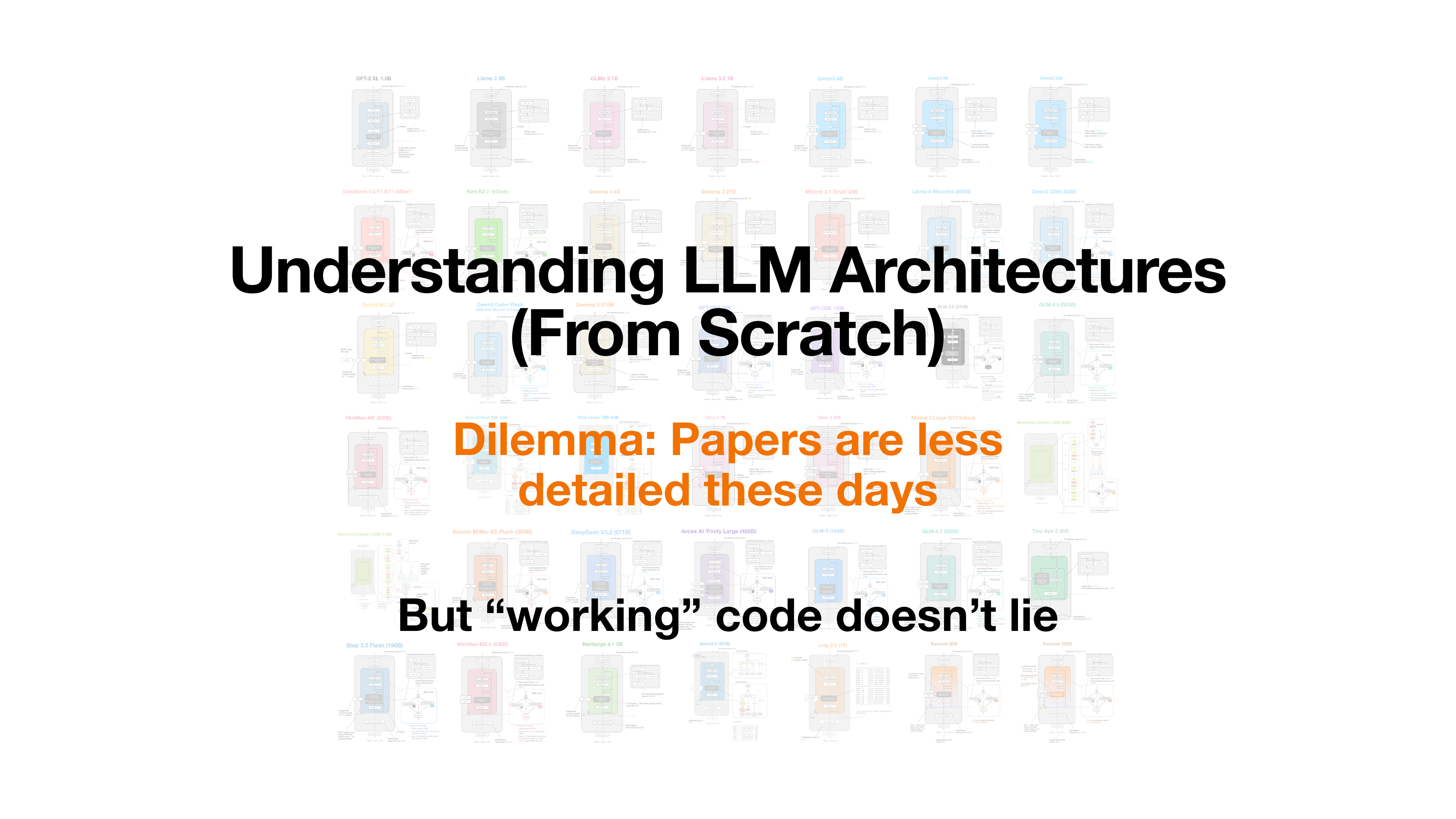
Figure 1: The basic motivation for this workflow is that papers are often less detailed these days, but a working reference implementation gives us something concrete to inspect.

I should also say that this is mainly a workflow for open-weight models. It doesn’t really apply to models like ChatGPT, Claude, or Gemini, where the weights and details are proprietary.

Also, this is intentionally a fairly manual process. You could automate parts of it. But if the goal is to learn how these architectures work, then doing a few of these by hand is, in my opinion, still one of the best exercises.
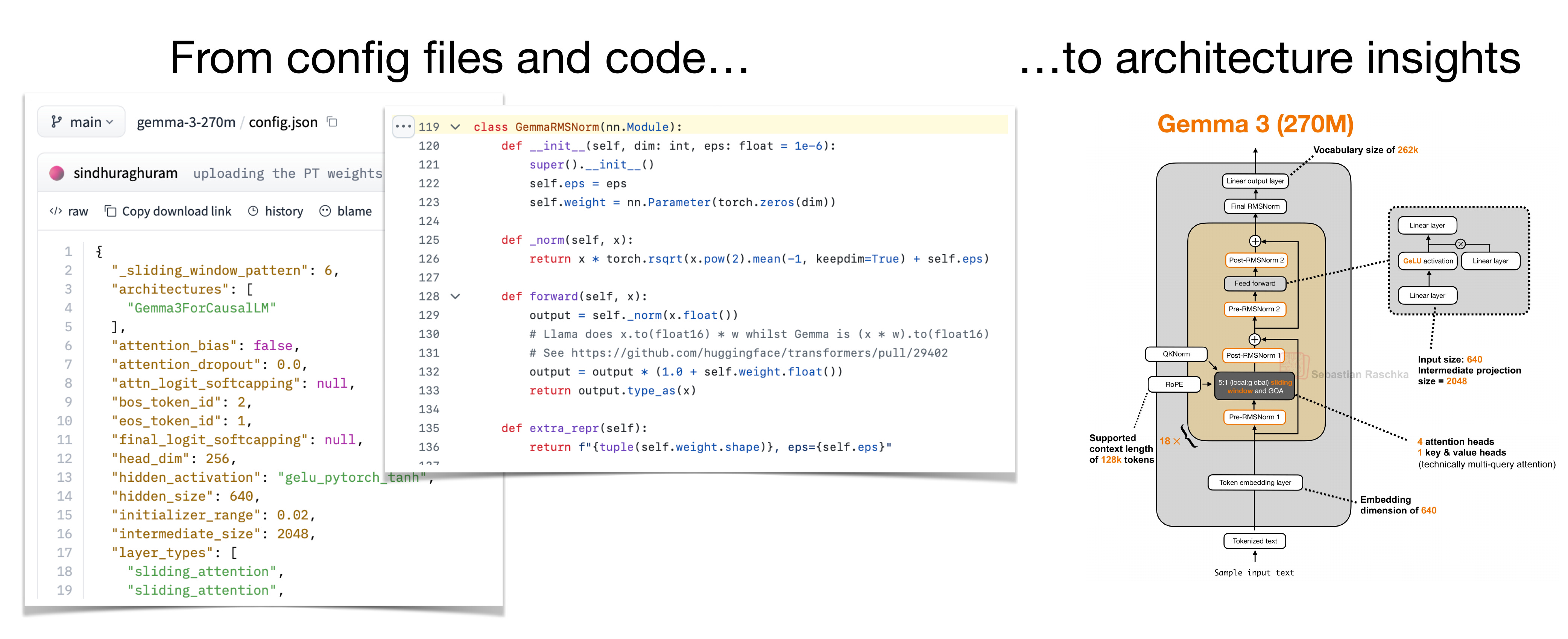
Figure 2: At a high level, the workflow goes from config files and code to architecture insights.