


Key takeaways
- CPUs handle general computing tasks, while accelerators like Trainium and GPUs excel at parallel processing for AI training.
- As AI shifts from answering questions to taking actions, agentic workloads are driving new CPU demand.
- AWS Trainium chips are purpose-built for training and running AI models at lower cost.
- AWS Graviton chips power everyday cloud applications and the rise of agentic AI.
When you're streaming a show, checking your email, or asking an AI assistant for help, different types of computer chips are working behind the scenes. The most important are CPUs and AI accelerator chips, which include GPUs and chips like AWS Trainium.

A CPU, or central processing unit, is like the brain of a computer, handling all the general tasks needed to run software and operating systems. AI accelerator chips, like AWS Trainium and GPUs (graphics processing units), excel at parallel computing tasks, including training and deploying AI models. Unlike GPUs—which are more flexible for a range of tasks—AWS Trainium chips are designed from the ground up specifically for AI workloads. This purpose-built design helps them deliver even greater performance and efficiency than general-purpose GPUs for training and running large language models.
What makes CPUs different from GPUs and accelerators?
Think of a CPU as a skilled craftsperson who can tackle any job, one task at a time. A GPU is more like a factory assembly line, handling thousands of simple, repetitive tasks simultaneously. An AI accelerator is a factory assembly line that's been custom-built for one specific product, making it faster and cheaper to produce.
CPUs excel at sequential processing, making them ideal for running operating systems, managing databases, and executing the varied logic that keeps applications running. GPUs and accelerators contain thousands of smaller cores designed to perform the same operation on massive amounts of data at once, making them exceptionally efficient for AI training.
Amazon's journey in building its own chips
Amazon's approach to custom chip design began with a strategic bet in 2015. Rather than relying solely on off-the-shelf processors, AWS acquired Annapurna Labs and began designing chips optimized specifically for cloud workloads, aiming for better performance at lower cost while using less energy.
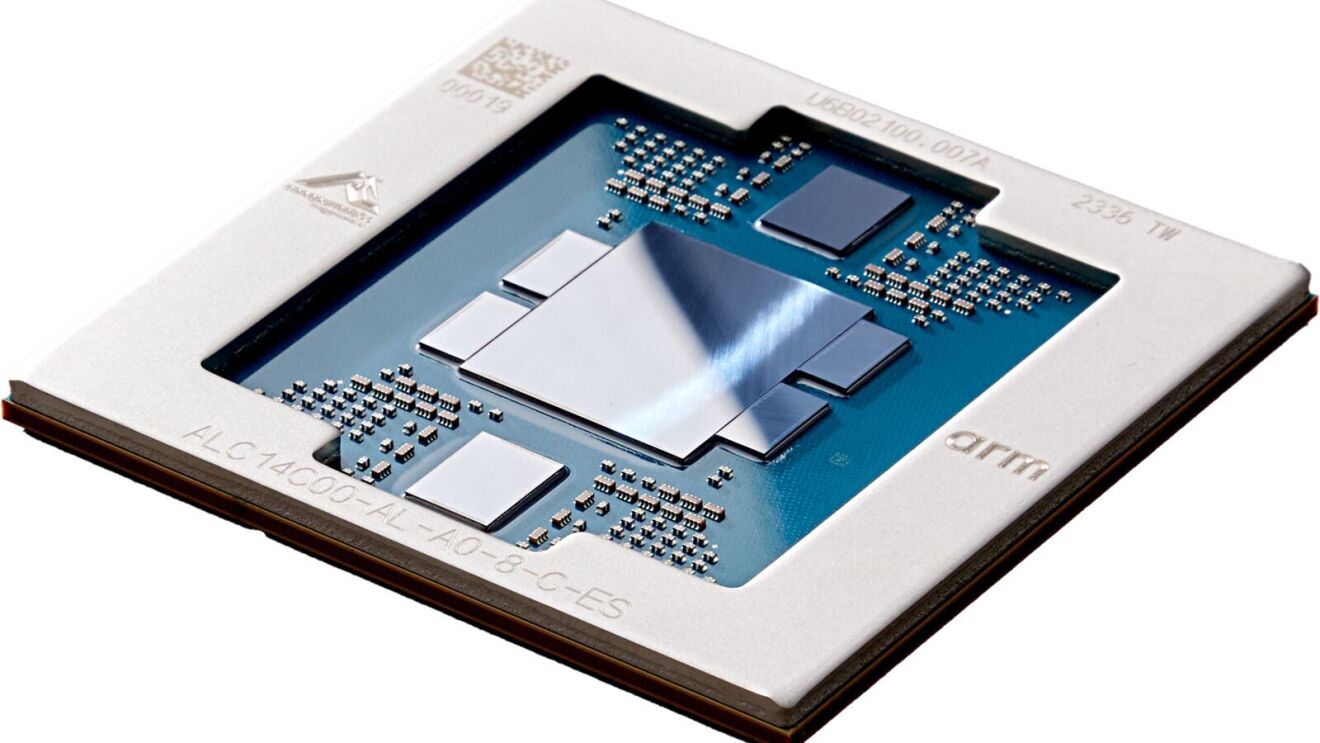 AWS Graviton4
That vision has evolved into two distinct processor families. AWS Trainium focuses on the specialized demands of training and inference on the AI models transforming how we work and communicate. AWS Graviton handles the computing that powers websites, applications, databases, and increasingly, agentic AI.

What started with the first Graviton processor in 2018 has grown into five generations of increasingly powerful chips. The latest, Graviton5, was announced at AWS re:Invent in December 2025. Similarly, the Trainium family has progressed from its initial launch in 2021 to the recently unveiled Trainium3, which can train AI models in weeks instead of months. Today, Amazon’s chip business continues to grow rapidly, with an annual revenue run rate now over $20 billion, and growing triple-digit percentages year over year.
This rapid evolution reflects a fundamental shift in how cloud computing works. By designing chips from the ground up for specific tasks, Amazon can deliver capabilities that general-purpose processors can't match. That includes the energy efficiency that keeps costs down and the specialized architecture that makes AI training practical at scale.
How Trainium chips speed up AI workloads
AWS Trainium is a family of chips purpose-built for artificial intelligence. The latest generation, Trainium3, delivers more than four times the performance of the previous version while using significantly less energy.
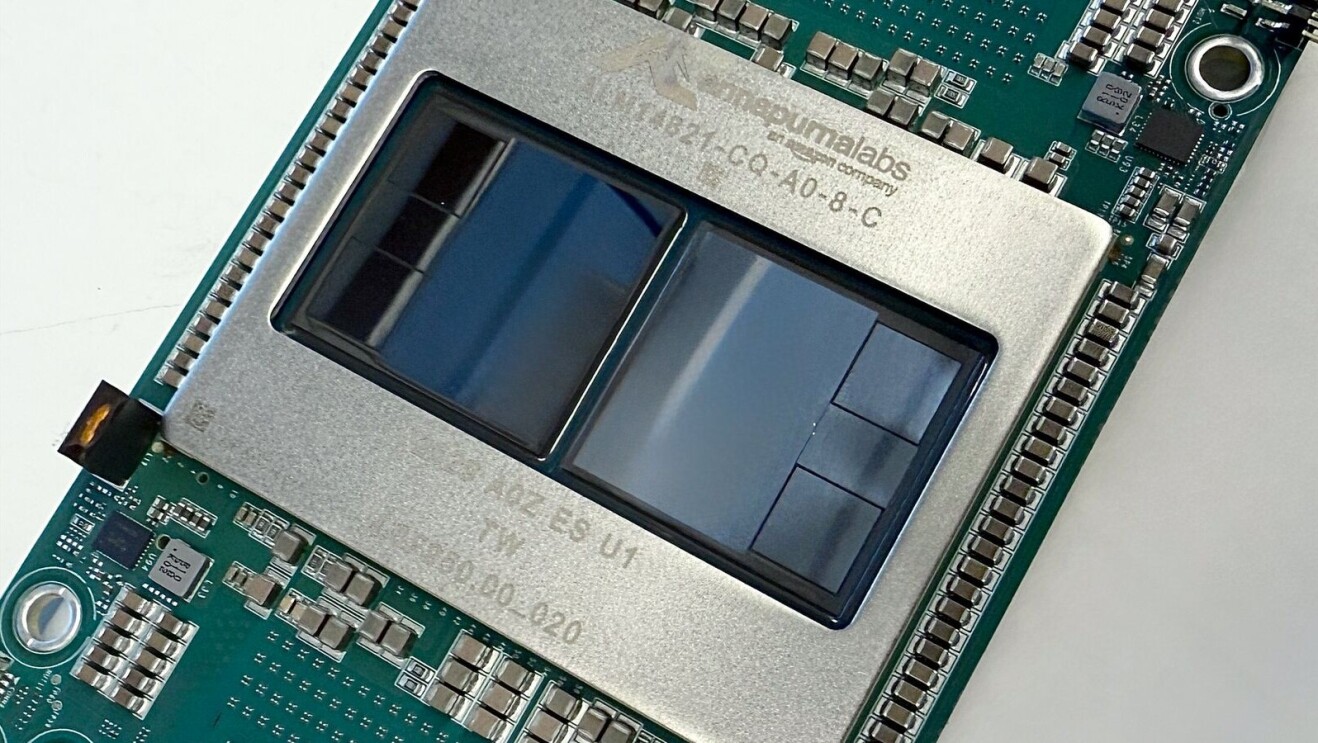
AI labs like Anthropic and OpenAI, as well as startups like Decart, use Trainium to train their models and run workloads, including the AI systems that power chatbots, translation tools, and content generation. Training these models requires processing enormous datasets through trillions of calculations. Trainium's specialized design handles these parallel operations efficiently, reducing both time and cost.

Graviton powers everyday cloud computing and agentic AI
While Trainium focuses on AI training and inferencing, AWS Graviton processors handle the sustained workloads that keep the internet running and increasingly power the agentic AI era. Graviton delivers up to 40% better price performance than comparable x86 processors and uses less energy for the same output. More than 100,000 customers use Graviton-based servers today.
From processing a payment to powering multiplayer gaming, Graviton's architecture is built for the full range of workloads that constitute modern AI, including agentic systems. That's why Meta is deploying tens of millions of Graviton cores to power the CPU-intensive workloads behind agentic AI, with the performance and efficiency they need at their scale.
Choosing the right processor for the workload
The choice between processor types isn't either/or. Modern cloud computing uses different AI chips in tandem, each handling the tasks they're best suited for. Trainium chips train, fine-tune, and run inference on large AI models, while Graviton processors power everything from real-time inference to managing the databases, services, and requests that surround them. From the apps on your phone to AI agents that act on your behalf, CPUs, GPUs, and AI accelerators are working together to power what's still a very early chapter in AI.