








Local control smart home devices keep working when internet fails, from Lutron switches to Zigbee sensors that bypass cloud dependency for reliable automation.
The smart home industry is littered with digital ghosts, devices that were once your trusty digital butler now rendered useless by a server shutdown or a sudden subscription demand. It’s like buying a car only to have the dealership remotely disable the engine because you missed a payment. For years, users have been shackled to the cloud, but a new era of resilient, ownership-focused smart homes is dawning. This blueprint charts a course to build a home that works for you, independent of internet whims or vendor moods, focusing on local control that lasts.
This content may contain affiliate links. If you wish to support us and use these links to buy something, we may earn a commission.
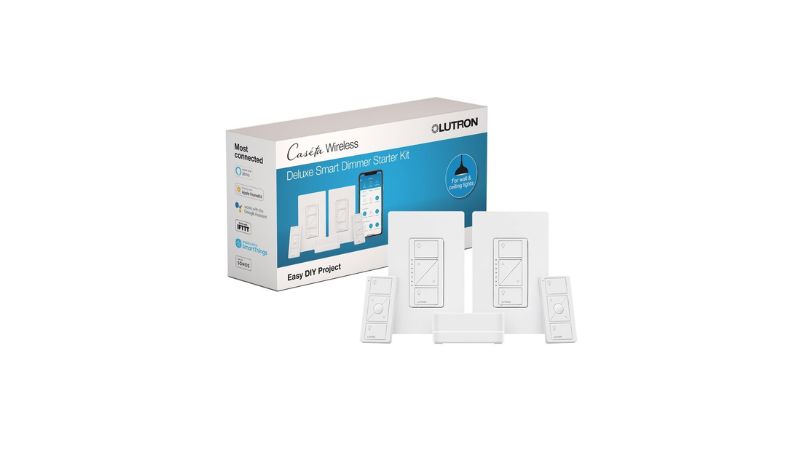
Reliability in smart home tech often hinges on the unglamorous backbone, and Lutron Caséta nails this with its proprietary Clear Connect RF protocol.
Operating on a quiet sub-GHz frequency (around 431–437 MHz depending on region), it sidesteps the chaotic Wi-Fi congestion that plagues so many smart devices. This means your lights stay put, even when your router throws a tantrum. The system boasts in-wall dimmers, switches, and modules, all powered by Pico remotes with an impressive 7-10 year battery life on a single coin cell.
While it’s not exactly a budget buy, the Lutron Caséta system’s local control capabilities—meaning it functions even without an internet connection—are the unsung heroes that prevent daily smart home frustrations. Scenes and schedules are stored directly on the Caséta Smart Hub, ensuring your home operates on autopilot, reliably.

When Wi-Fi bulbs decide to take a nap, a solid Zigbee mesh network is your reliable backup.
Philips Hue has built its empire on this protocol, offering a foundation for smart lighting that rarely crumbles. Mains-powered bulbs act like tiny signal boosters, keeping everything connected. Their newer fixtures position Hue as a whole-home lighting solution where integrated fixtures are only modestly more expensive than quality non-smart equivalents. Plus, the Hue Bridge lets you control everything locally, even if your internet connection decides to ghost you.
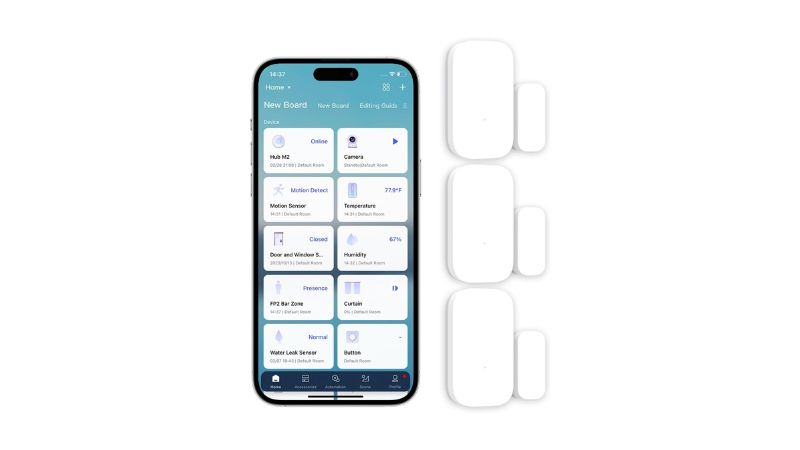
This low-power mesh networking protocol, operating in the 2.4 GHz band, lets your mains-powered gadgets act as repeaters.
Think of it like a chain of highly motivated messengers passing notes across your house; the more messengers you have, the farther and more reliably the message travels. Established players like Philips Hue and Aqara still bet big on Zigbee.
While newer protocols like Matter are aiming to simplify things, Zigbee often pulls back the curtain on richer, device-specific data—the kind you need for truly nuanced automations. This level of detail is where Zigbee shines, offering granular control that some newer Matter implementations haven’t quite caught up to.
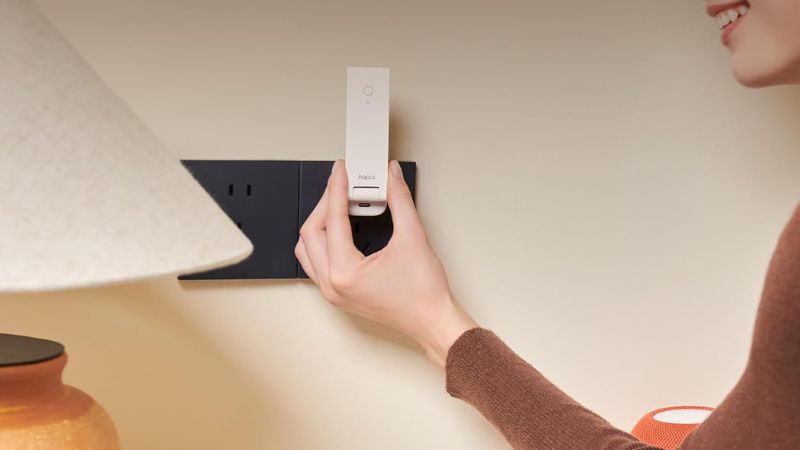
Think of Matter as the lingua franca for your smart home, finally making your lights, locks, and thermostats stop playing their own exclusive dialects.
Introduced by the Connectivity Standards Alliance, this IP-based standard aims to get devices from Apple, Google, and Amazon chatting like they’re on the same group text. When you pair it with Thread, a low-power mesh network protocol, you get a system that’s not only reliable but also sips power.
Thread networks need border routers to connect to your home IP network, but once that bridge is in place, your devices can communicate seamlessly. This whole setup is like building a universal translator for your gadgets, cutting down on vendor lock-in.
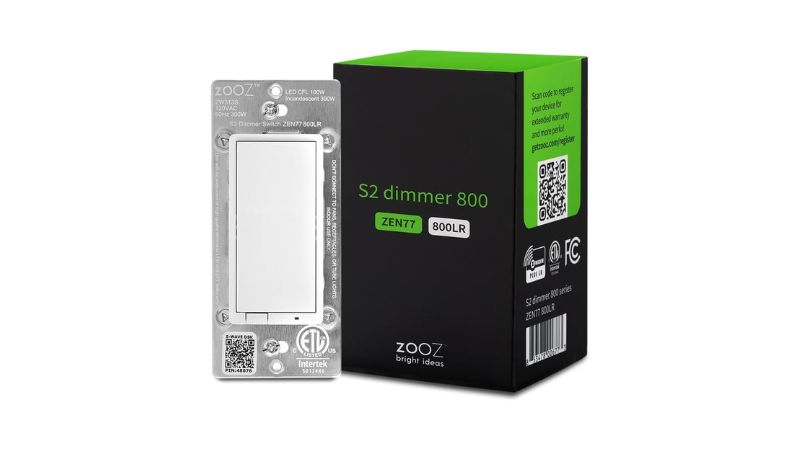
When your smart home needs to run smoother than a freshly polished bowling ball, Z-Wave is your go-to protocol.
Operating on frequencies like ~908 MHz in North America, it dodges the chaos of your Wi-Fi router duking it out with your microwave. Z-Wave builds its own mesh network, a bit like a secret club for your devices where everyone knows the handshake. It caps off at up to 232 nodes per network, keeping things manageable and reliable.
This strict interoperability means your smart lock from Brand A will likely play nice with your smart valve from Brand B. Newer Z-Wave Plus and Long Range versions are also beefing up the range, making sure your signal gets everywhere it needs to go.
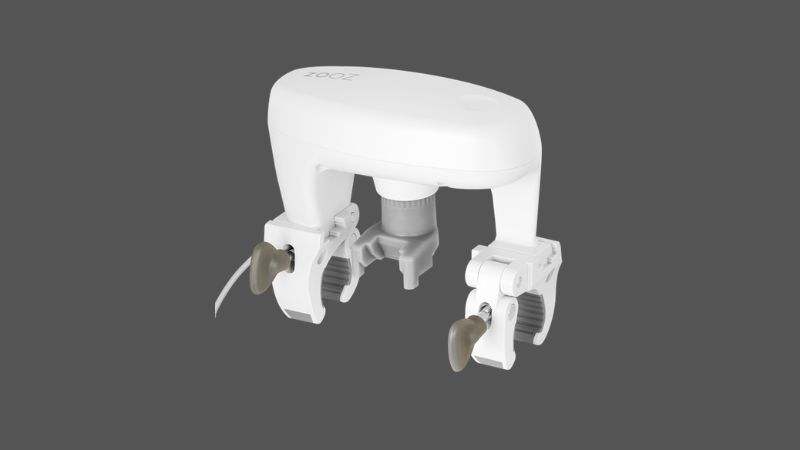
When a water leak strikes, you don’t want your smart home hub playing charades with a clueless valve.
The Zooz Titan Water Valve Actuator (ZAC36) motorizes your existing quarter-turn ball valve, essentially giving it a brain. This thing plays nice with Z-Wave Plus LR, meaning better signal strength and reliability, and it’s got Z-Wave S2 security baked in.
Paired with a Z-Wave water leak sensor, this actuator becomes your personal flood prevention squad. Think of it as a hyper-vigilant guard dog for your pipes, ready to slam shut at the first sign of trouble. It runs on a power adapter, prioritizing reliability for critical events.
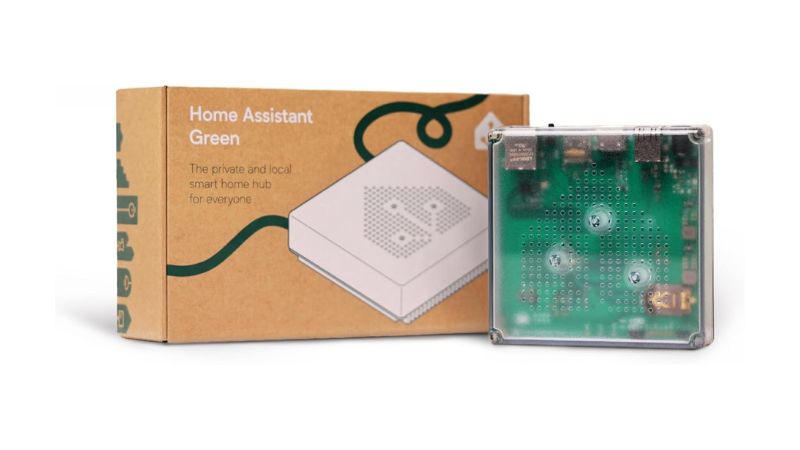
Running your smart home on over 2,000 integrations sounds like overkill, but for anyone who’s wrestled with a dozen different apps for a dozen different gadgets, it’s a dream.
Home Assistant, an open-source platform, lets you ditch the cloud and run everything locally on hardware like a Raspberry Pi. Think of it as the ultimate translator for your smart devices, making your Lutron lights talk to your Aqara sensors without breaking a sweat.
This setup consolidates everything into one slick interface and automation engine. You can build DIY security systems or create complex automations without being beholden to a vendor’s whims or paying pesky monthly fees.
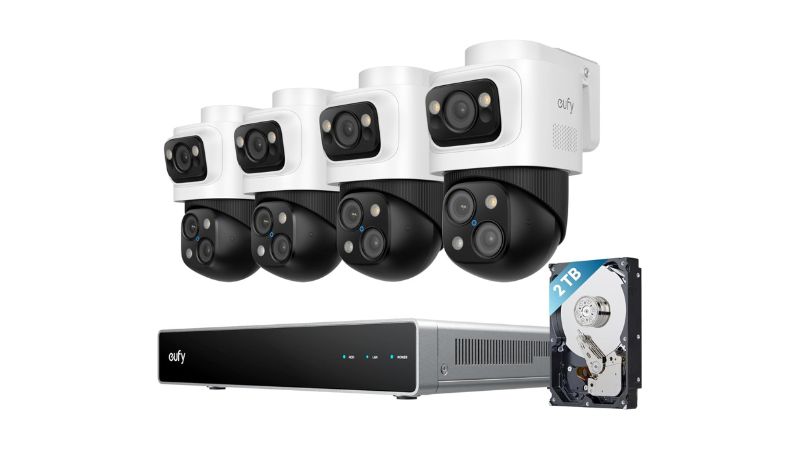
Tired of security systems that treat your data like a free buffet and your wallet like an ATM?
Eufy, by Anker Innovations, has been quietly building an empire on the idea that your privacy shouldn’t cost extra. Most of their cameras and doorbells chuck footage onto local microSD cards or a dedicated HomeBase, which means smart stuff like person detection happens right there, on the device.
While they do offer cloud backups if you’re feeling extra cautious, the whole system is designed to run like a charm even if your internet goes rogue. Plus, some Eufy cameras play nice with RTSP, letting you hook them up with other gear you might already have.
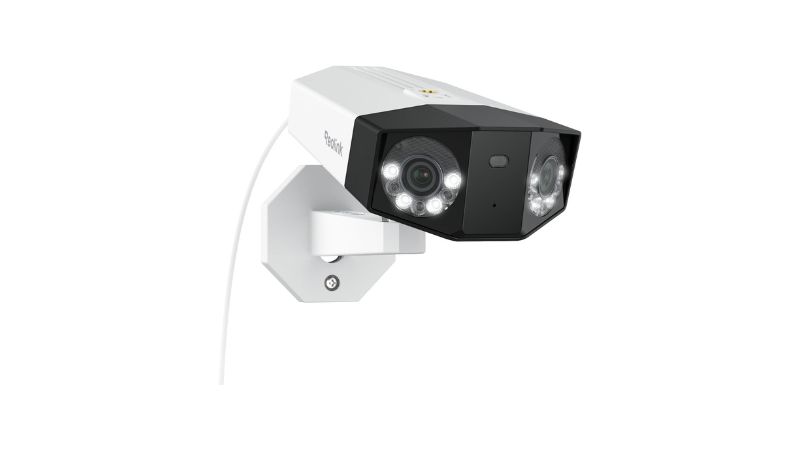
For those who want their security cameras to play nice with other smart home toys without breaking the bank, Reolink’s lineup is a solid bet.
Many of their cameras, from budget-friendly PoE and Wi-Fi models to battery-powered options, speak fluent RTSP and ONVIF. This is basically tech-speak for “I can chat with your other gear,” making them easy to hook up to third-party NVRs or smart home platforms like Home Assistant.
What’s really neat is that Reolink pushes smart detection—think identifying people and cars—onto the camera itself, instead of forcing it all through the cloud. This not only keeps your footage more private but also sidesteps those annoying monthly fees.
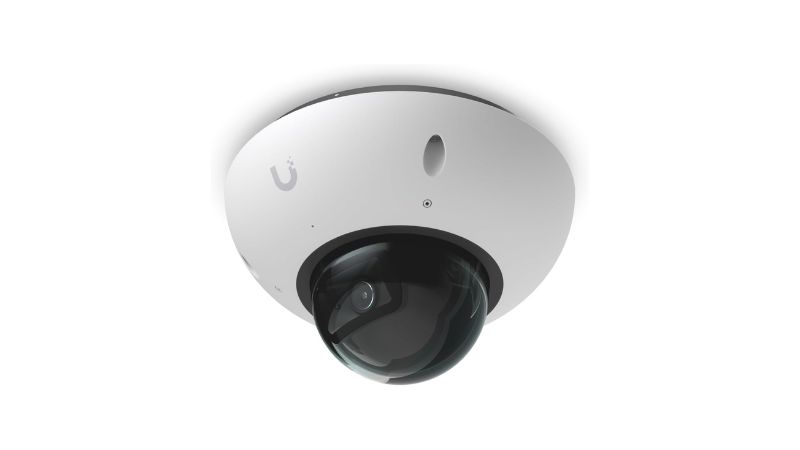
Forget those DIY alarm systems that make you feel like you’re wrestling a particularly stubborn IKEA flat-pack.
Ubiquiti’s UniFi Protect platform offers a slick, locally processed video surveillance solution that actually makes sense. Cameras connect directly to a UniFi OS Console, meaning all the heavy lifting—recording, and even smart person/vehicle detection—happens right there on your premises.
No more cloud subscriptions to keep your footage from vanishing like a magician’s assistant, and no confusing port forwarding needed for remote access. It’s like having your own private security bunker, but with better Wi-Fi.
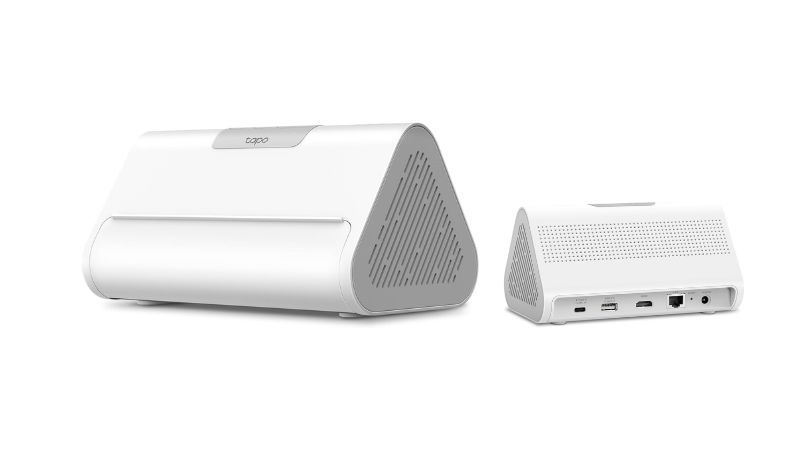
The TP-Link Tapo H500 Smart Hub arrives as a lifeline for those who’d rather not pay monthly fees for their smart home surveillance.
This hub packs a 2.5-inch SATA bay, ready for you to slot in a hard drive and record video locally, completely bypassing the cloud. Think of it like having your own personal DVR for your cameras, saving footage without sending it to who-knows-where. It also doubles as an alarm host for your Tapo security sensors.
This setup aims to keep your data processing within your home network, a definite win for privacy enthusiasts. It’s proof that you don’t need a subscription service to build a functional and affordable smart security setup.

Most smart lights only do one thing: shine. Nanoleaf’s panels, however, turn your walls into canvases, and their newer Essentials line doubles as network infrastructure.
Many of these decorative light fixtures, along with their Essentials bulbs and lightstrips, function as Thread border routers. This is key because it beefs up your home’s Thread network, making other Matter-over-Thread gadgets work better.
While Nanoleaf’s own app lets you whip up dazzling light shows worthy of a Coachella stage, Matter integration means basic commands work with Google Home, Apple Home, or Alexa. Just be sure to check the packaging: older Essentials models might only play nice with HomeKit via Thread, not the broader Matter standard.

Many popular Govee products traditionally relied on 2.4 GHz Wi-Fi and Bluetooth, connecting via the Govee Home app.
This setup could add significant load to your home network, turning your router into something resembling a frantic air traffic controller. Newer Govee lines, however, are wisely incorporating Matter over Wi-Fi. This smart move allows for smoother integration with ecosystems like Apple Home, Google Home, and Alexa.
While these lights shine at music sync and dynamic effects, they’re strictly for ambiance—think mood lighting, not the foundation of your smart home infrastructure.
此内容由惯性聚合(RSS阅读器)自动聚合整理,仅供阅读参考。 原文来自 — 版权归原作者所有。