








Full-time RV living requires mastering water management, tank dumping, safety planning, and dealing with cramped spaces before hitting the road.
Embarking on full-time RV living promises an escape from the mundane and a life of constant adventure, but the reality on the road often presents hurdles not captured in glossy brochures. This guide dives deep into the less-talked-about aspects of life on wheels, equipping you with the honest insights needed to navigate the nomadic lifestyle successfully. We’ve synthesized experiences to cover everything from the practicalities of water management and waste disposal to the crucial concerns of safety, isolation, and unexpected maintenance.
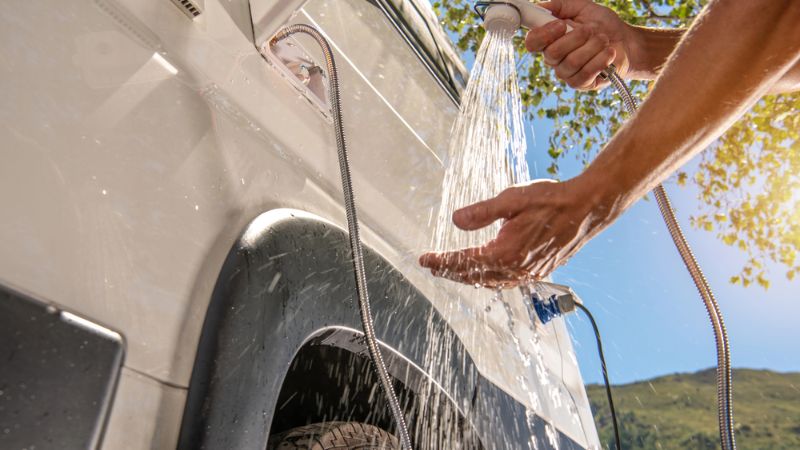
Most rigs carry freshwater tanks ranging from 20 to 60+ gallons, turning every shower into strategic mission.
Water becomes your most precious resource when living off-grid. Most travel trailers carry freshwater tanks in the 20- to 60-gallon range, which transforms every task from washing dishes to showering into a strategic mission. This constant “water anxiety” is real, pushing many to master the “Navy shower”—essentially turning water off while soaping, then back on to rinse.
When boondocking (camping without hookups), you’ll treat onboard water like liquid gold. This careful rationing often means hitting up gyms or truck stops for decent showers, reserving your tank water for drinking, cooking, and the toilet. Full-time RV dwellers learn to track usage meticulously and plan resupply stops, turning road trips into logistical puzzles.
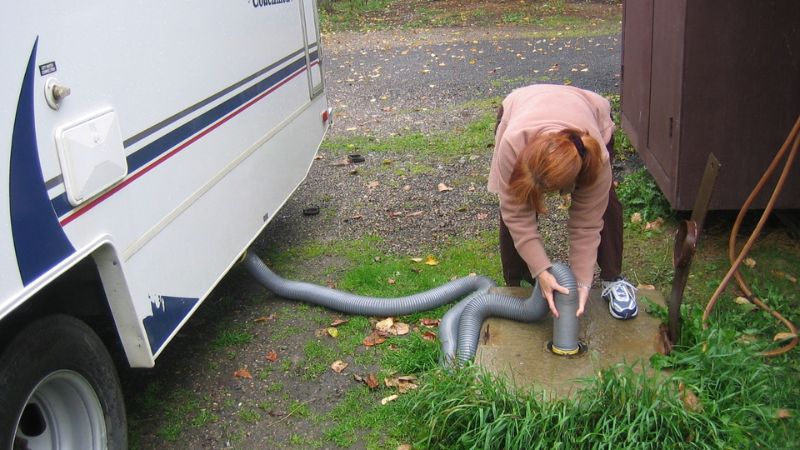
Wastewater management involves dumping tanks every 3–10 days depending on tank size and occupancy.
For most self-contained RVs, wastewater from sinks and toilets heads into gray and black holding tanks—a reality that looms larger than any romanticized sunset. You’ll dump these tanks every 3–10 days, depending on how many people live in your mobile home and tank capacity. Route planning revolves around dump stations at campgrounds, truck stops, and public facilities.
Safe dumping requires a sewer hose kit and proper technique: black tank first, then gray to rinse the hose. Proper sanitation means wearing gloves, using dedicated hoses, and occasionally flushing tanks to prevent clogs and odors. Anyone who’s ignored these protocols knows how quickly a rolling home can become unpleasant.
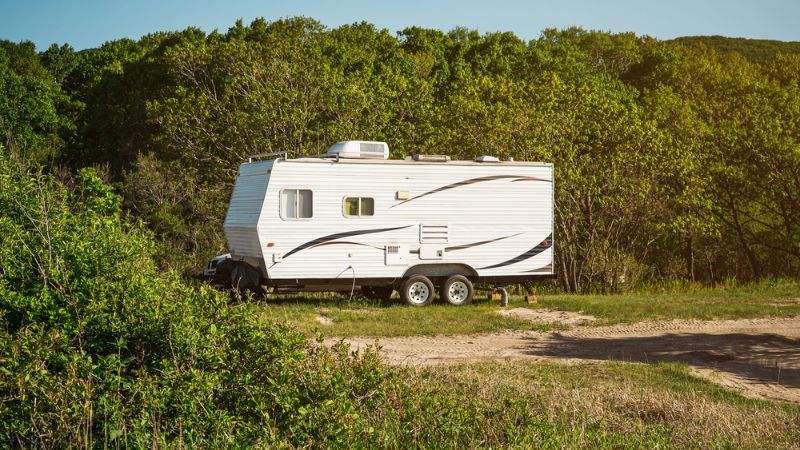
Security planning focuses more on human threats than wildlife, especially in isolated boondocking spots.
When you trade brick and mortar for wheels, personal safety shifts from background concern to front-row priority. While wildlife might cross your mind, many full-timers worry more about human threats, particularly in isolated boondocking spots. Experts recommend tracking weather alerts, never staying in an RV during severe storms, and prioritizing well-reviewed, low-crime locations.
Smart deterrents include staying discreet about real-time locations on social media and avoiding repeated stays in the same spot. Essential safety gear—fire extinguishers, first-aid kits, CO detectors—transforms your rig into a secure sanctuary. Building networks with other RVers and staying near established communities creates both social support and security layers.
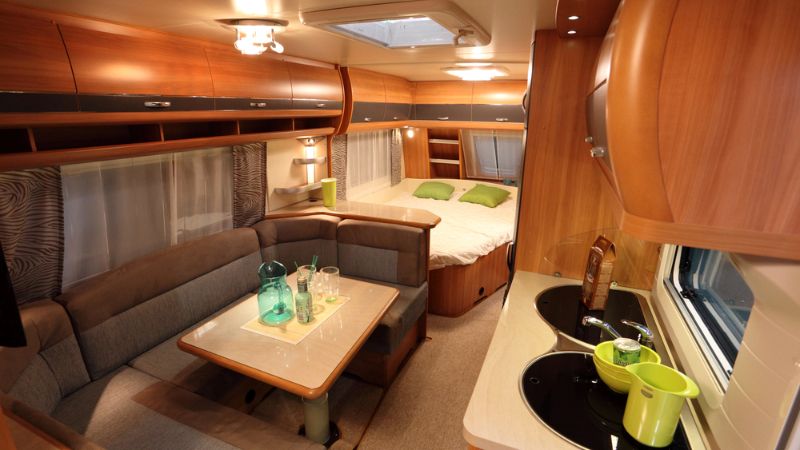
Marketing claims of “four-season” capability often crumble against real winter conditions and summer heat.
Many RVs marketed as “four-season” struggle with mild weather, let alone blizzards. Those thin walls offer about as much protection as wearing a t-shirt in January. Winter heating systems chug propane relentlessly to maintain comfortable temperatures, while summer brings air conditioners fighting constantly against heat penetrating single-pane windows and flimsy walls.
Condensation becomes a silent saboteur when humid indoor air meets cold surfaces, creating moisture that breeds mold and mildew leading to rot in cabinets and walls. Proper ventilation—cracking windows while cooking or showering, running dehumidifiers—prevents building a swamp inside your rolling home.
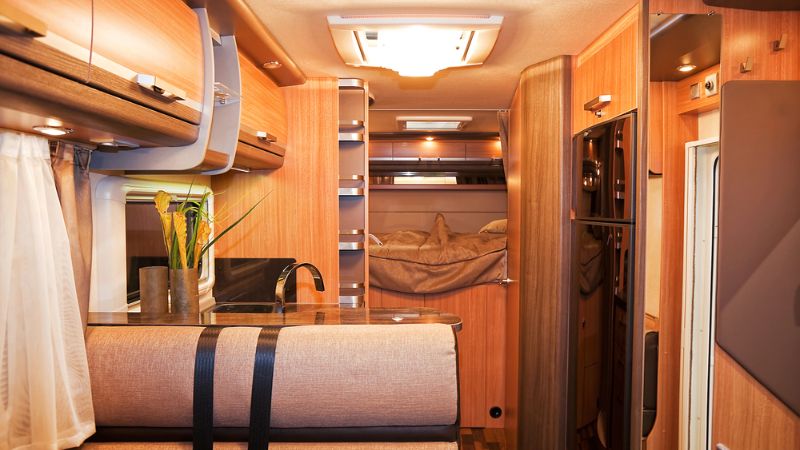
Success requires ruthless downsizing to about 20% of your original belongings and embracing multi-use items.
RV living means intentional minimalism where your entire “mansion” clocks in at a cozy 100–300 square feet. Downsizing becomes ruthless—keeping maybe 20% of your wardrobe while donating or storing the rest. Success hinges on items pulling double duty: furniture with storage compartments, nesting cookware, dual-purpose tools.
These tiny spaces get messy quickly but also clean up fast. When choosing an RV, scrutinize wardrobe space, pantry capacity, and exterior “basement” storage for outdoor gear. Organization isn’t just aesthetics—it prevents your home from becoming a safety hazard while driving.

Mail-forwarding services in RV-friendly states become essential for handling correspondence without fixed addresses.
Establishing reliable mail systems without fixed addresses challenges every nomadic dream. Many full-timers use mail-forwarding services in states popular with RVers like South Dakota or Texas, which scan mail and help with domicile paperwork. For packages, UPS Access Points, Amazon Lockers, and general delivery services become lifelines.
Shipping to remote locations adds one to two weeks to transit times, making advance planning essential for critical items. Anyone who’s tried ordering to a middle-of-nowhere campsite knows this drill. Digitizing documents and setting up online billing reduces physical mail dependence significantly.
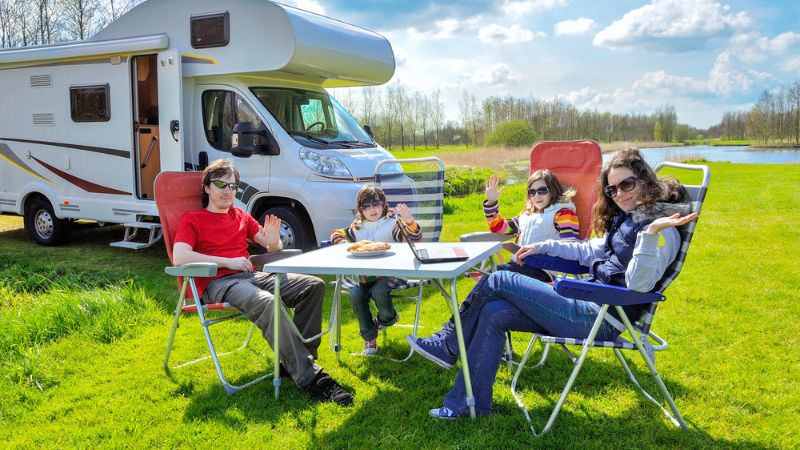
Public perception ranges from romanticized freedom dreams to stereotypes about avoiding responsibilities.
Public perception of RV and van life lands somewhere between Pinterest-perfect freedom dreams and stereotypes about folks running from responsibilities. Explaining nomadic lifestyle choices to family, friends, or dates often requires defending income stability and long-term plans like presenting a doctoral thesis.
However, digital nomad, retiree, and working-family RV communities are booming, normalizing this lifestyle in many circles. Joining rallies or online meetups helps own your narrative while reminding you that your definition of success trumps outside judgment. Building community reinforces positive identity around RV life.
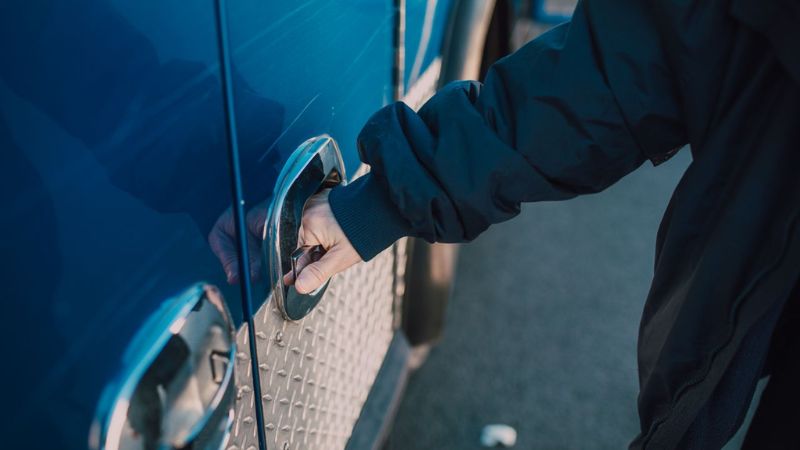
Layered security includes upgraded locks, motion lights, and strategic campground choices over isolated spots.
RVs attract opportunistic thieves targeting everything from electronics to the entire vehicle. Smart security layers include hitch locks and wheel locks for towables, upgraded door locks, and motion-activated lights acting as vigilant deterrents. Location choices matter—well-lit, busy campgrounds provide natural security versus isolated spots.
For truly valuable items like expensive camera equipment, carrying them in backpacks when leaving the RV prevents heartbreaking discoveries of empty storage compartments. Specialized RV insurance with comprehensive coverage and documented valuables provides additional protection against loss.
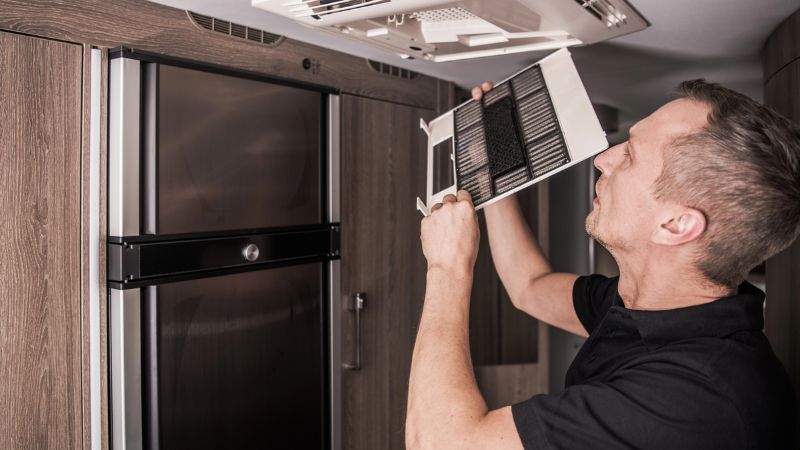
Constant vibration and exposure accelerate wear, requiring routine maintenance costing hundreds to thousands annually.
Constant vibration, flexing, and weather exposure mean RVs experience wear like running marathons daily. This accelerates deterioration of doors, hinges, plumbing, appliances, and suspension compared to stationary homes. Routine maintenance—roof seal inspections, tire pressure checks, brake servicing, appliance care—becomes non-negotiable.
Annual maintenance and unexpected repairs easily cost hundreds to several thousand dollars. Learning basic DIY fixes saves money and reduces downtime, since professional RV service often books weeks out. Tow vehicles face increased stress on brakes, transmissions, cooling systems, and suspensions, especially when towing near capacity.
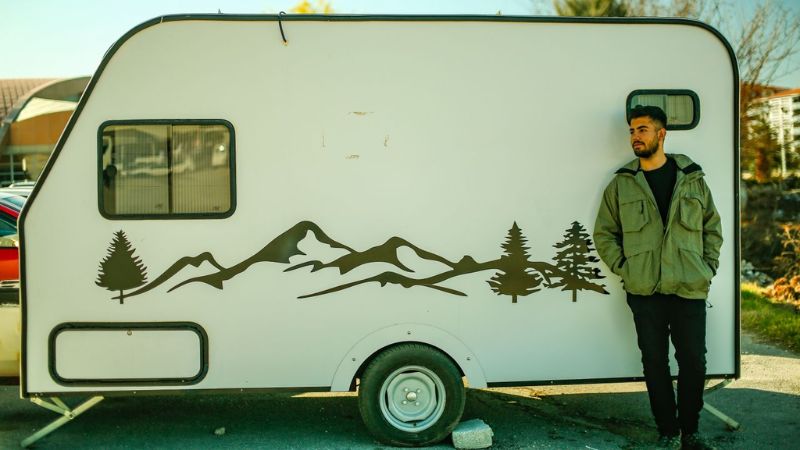
Frequent movement challenges forming stable friendships unless you actively seek RV communities and establish routines.
Loneliness becomes genuine concern when addresses shift constantly. Without stable local communities, forming deep connections feels nearly impossible. Many RVers counter isolation by actively seeking RV clubs, rallies, and seasonal communities, plus establishing annual “home bases” like favorite RV parks for continuity.
Anyone already feeling adrift in conventional life may find constant travel amplifies those feelings. Building intentional routines for social contact, hobbies, and family communication prevents isolation from worsening. Finding your people through forums or meetups transforms solitary journeys into shared adventures—because even rugged adventurers need campfire story circles.
此内容由惯性聚合(RSS阅读器)自动聚合整理,仅供阅读参考。 原文来自 — 版权归原作者所有。