


These 15 luxury sedans promise prestige but deliver costly repairs, electrical issues, and rapid depreciation that turn dream cars into financial nightmares
Luxury car dealerships showcase sedans like gleaming trophies, promising prestige and refined engineering. These vehicles seduce buyers with quilted leather, advanced tech, and that intangible aura of success. However, behind those polished badges often lurk expensive surprises—clunky infotainment systems, electrical gremlins, and repair bills that make your mortgage payment look reasonable. This guide exposes 15 luxury sedans where the sticker price was just the opening bid in a very costly game.
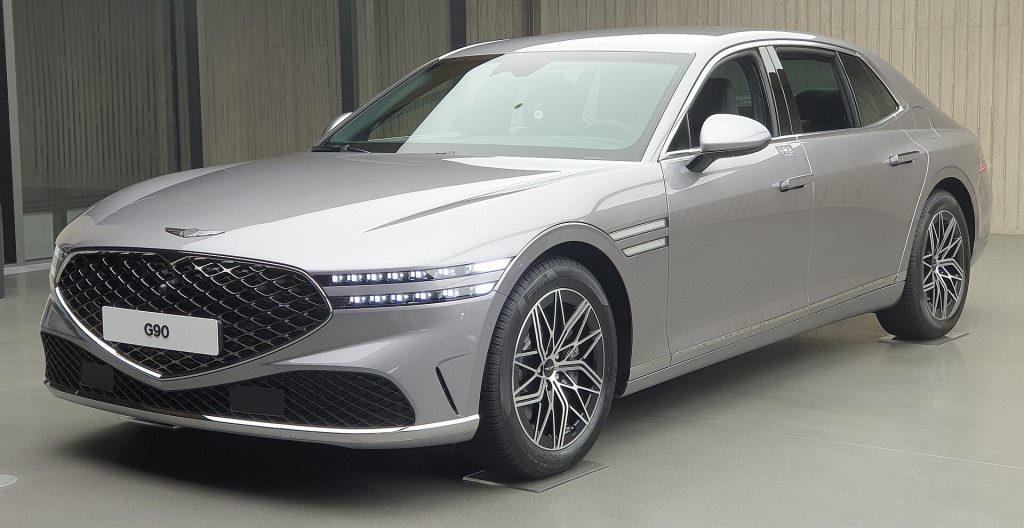
Genesis’s inaugural luxury sedan packed premium features but suffered from first-year growing pains.
Launching a luxury brand is like opening a restaurant in a food critic’s neighborhood—every detail gets scrutinized. Genesis aimed high with the G90, featuring a substantial 124.4-inch wheelbase and a hearty 5.0L V8 engine delivering 420 hp. Inside, quilted Nappa leather felt genuinely premium.
Unfortunately, the debut was plagued by issues that screamed “beta test.” The infotainment system operated with dial-up sluggishness, while rear suspension tuning created a disconnected, floaty feel. Early electrical problems left dealers scratching heads. Current used values sit between $18,000-$24,000, but factor in potential repair costs for a car still finding its identity.
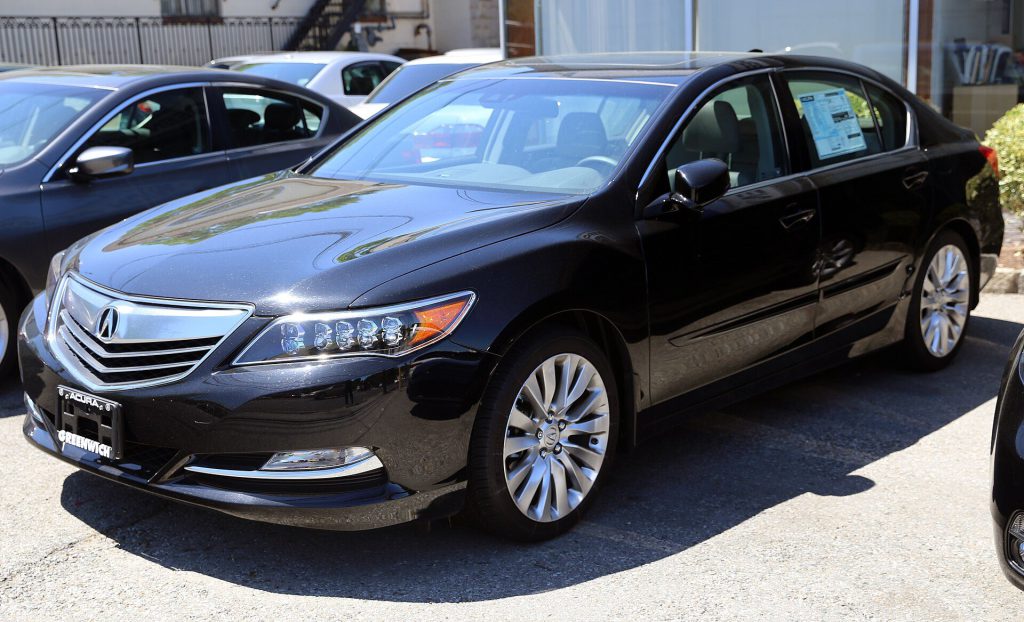
Acura’s luxury sedan attempt felt more like an expensive Honda than a true premium competitor.
Launched at around $55,000, the RLX packed a 310 horsepower V6 and sophisticated front-wheel drive. However, its soft, uninspired handling drew criticism for feeling like a dressed-up Honda Accord rather than a legitimate BMW 5 Series rival. The platform sharing was too obvious to mask.
Later hybrid models improved matters, but the launch RLX struggled to justify its premium pricing. Today’s used market reflects this disappointment at $14,000-$18,000, though Acura parts still carry luxury pricing despite the car never establishing genuine premium credentials.
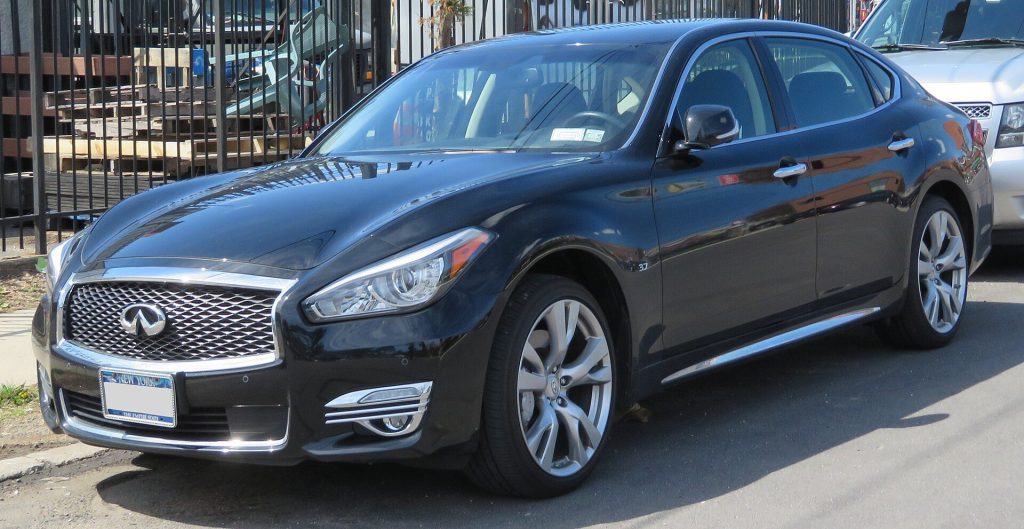
A decade-old platform couldn’t compete with rapidly advancing German rivals.
By 2015, the Q70—a refresh of the aging M Series—was trailing competitors in technology and safety systems. Its 3.7L V6 offered smooth 330 hp, but the transmission responded like a polite suggestion rather than a commanding gear change. The attractive interior clearly showed its age against fresher rivals.
Current used prices hover between $16,000-$21,000. Remember that Infiniti parts carry premium pricing, making long-term ownership expensive. Anyone who’s tackled luxury car maintenance knows the drill—what savings appear upfront often double down the road.
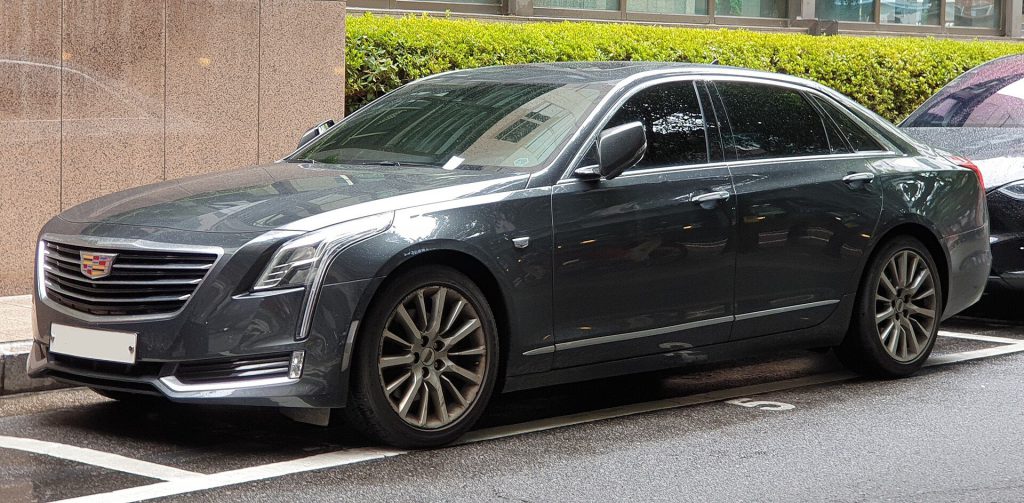
Innovative aluminum construction couldn’t overcome first-year execution problems.
The CT6 arrived with promising credentials: lightweight aluminum construction, a beautifully designed interior, and a 404 hp twin-turbo V6. It aimed for luxury greatness with a fully loaded price near $90,000.
First-year jitters hit hard. Owners discovered rear camera mirrors that fogged persistently, all-wheel drive that behaved unpredictably in winter, and infotainment bugs that required constant resets. Severe depreciation left many owners underwater within 2 years. While used examples now cost $22,000-$30,000, skip 2016 and target 2018 or newer models after issues were resolved.
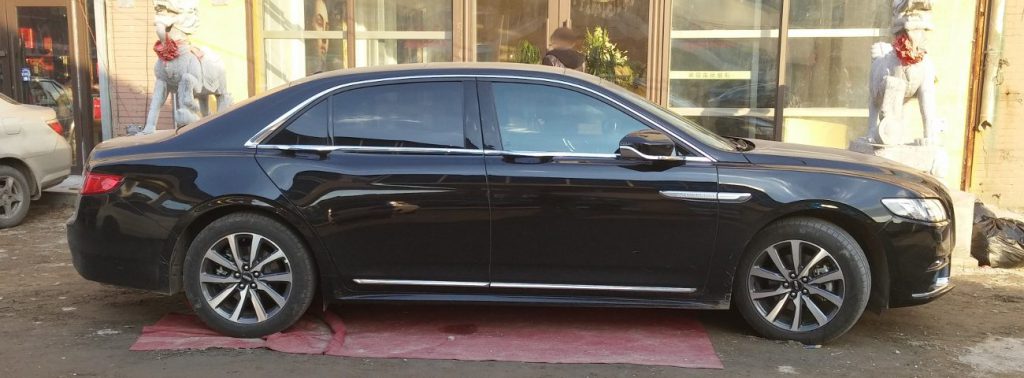
Nostalgic nameplate revival couldn’t overcome platform compromises and reliability issues.
The Continental’s return generated significant buyer nostalgia, featuring an impressive 400 hp twin-turbo V6 and luxurious 30-Way Perfect Position seats. However, building this premium sedan on the Ford Fusion platform raised questions about its luxury positioning against rivals like the Genesis G90.
Twin-turbocharged engines developed oil consumption issues and coolant leaks, complicating ownership. Current used prices between $22,000-$30,000 reflect the Continental’s struggle to establish credibility. It’s like showing up to a black-tie event in an expensive suit that doesn’t quite fit right—impressive from a distance, problematic up close.
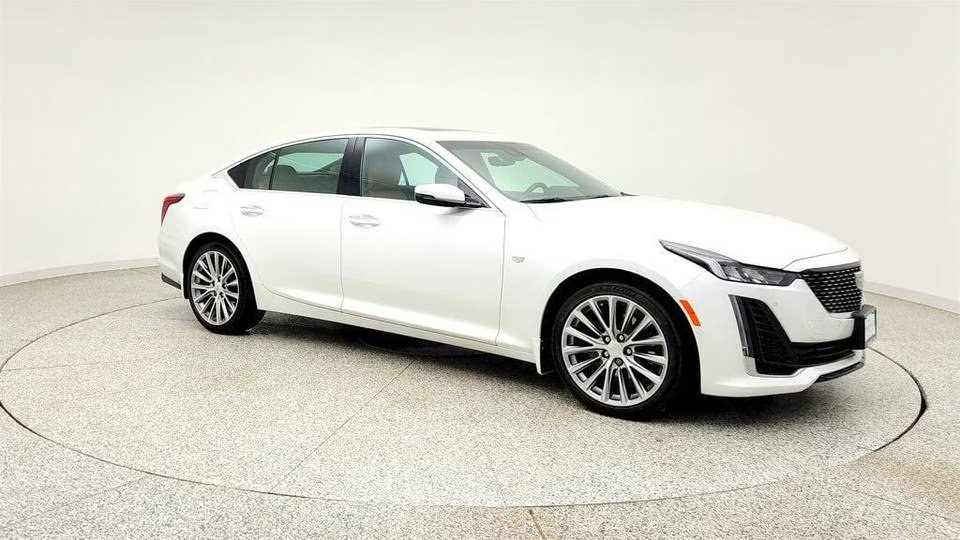
Launch-year software bugs and four-cylinder base engine undermined premium aspirations.
As successor to both the CTS and ATS, the CT5 arrived with high expectations. However, its 2.0L turbocharged four-cylinder base engine felt inadequate for a car competing with the BMW 5 Series and Mercedes E-Class. While the interior impressed and rear-wheel drive promised athletic capability, the infotainment system crashed more frequently than a toddler after too much sugar.
Early production developed rattles and inconsistent fit-and-finish that felt distinctly un-premium. Launch-year models now cost $28,000-$36,000, while 2021-2022 versions with corrected software and tightened assembly cost only a few thousand more—proving patience pays dividends.
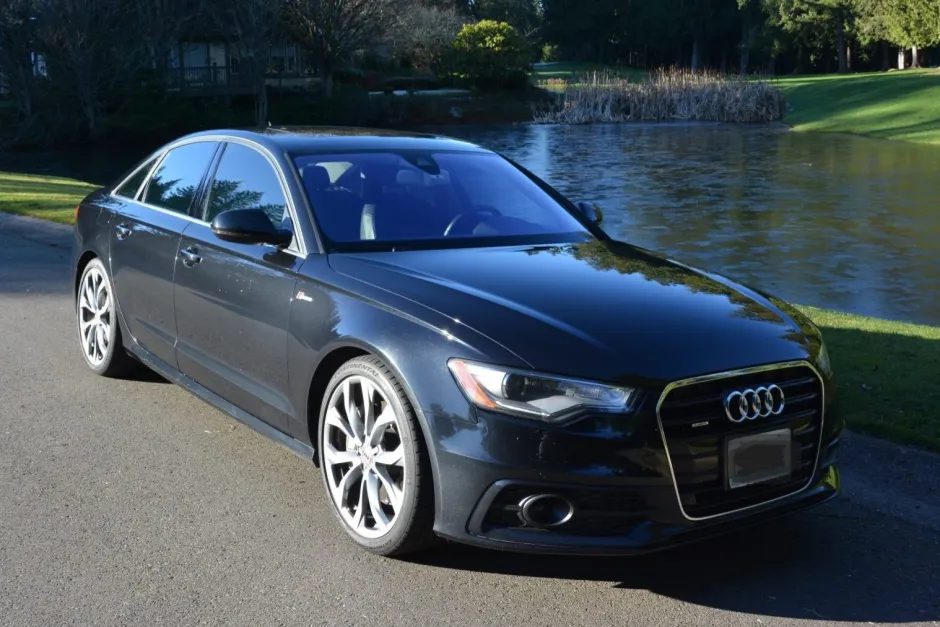
Beautiful design couldn’t overcome early-production reliability nightmares.
The C7 A6 ranks among the most beautiful executive sedans ever designed, with clean interior lines and legendary Quattro all-wheel drive. However, early 2012 production brought reliability issues Audi addressed slowly. The 3.0L supercharged V6 developed coolant system problems, while Multitronic CVT transmissions proved trouble-prone.
The MMI infotainment system’s navigation module failed consistently. European maintenance pricing combined with C7 complexity means extended dealer visits and shocking invoices. Current values range from $14,000-$19,000, but budget minimum $3,000 annually for maintenance with additional surprises typical.
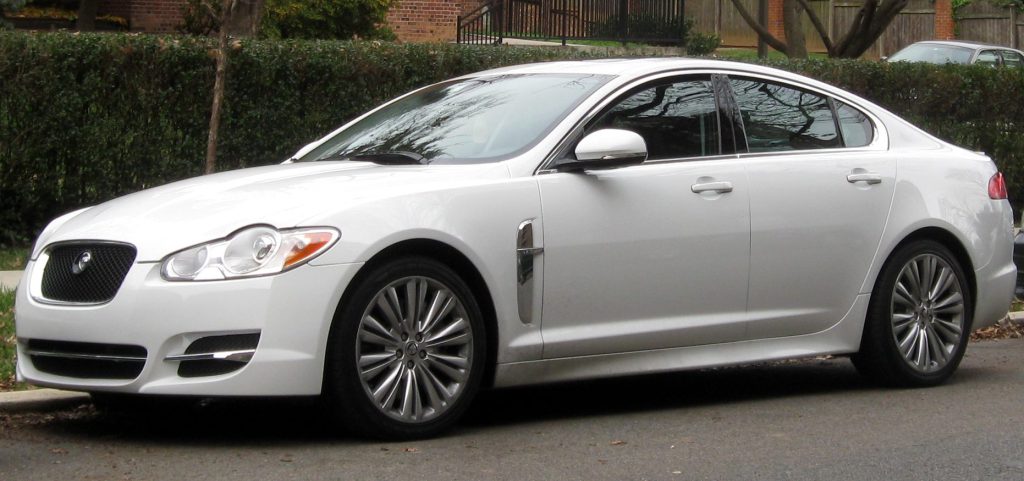
Revolutionary tech features couldn’t overcome catastrophic reliability issues.
The XF featured genuinely revolutionary touches: a rotary gear selector rising from the console and air vents that rotated open at startup. Unfortunately, supercharged V8 variants suffered timing chain problems requiring catastrophic engine-out repairs. Electronic parking brake failures occurred with alarming frequency, while the ZF transmission developed shifting issues specific to early XF calibration.
Current values sit between $10,000-$14,000. Independent inspection from a Jaguar specialist is essential before purchase due to hidden issues that can surface without warning.
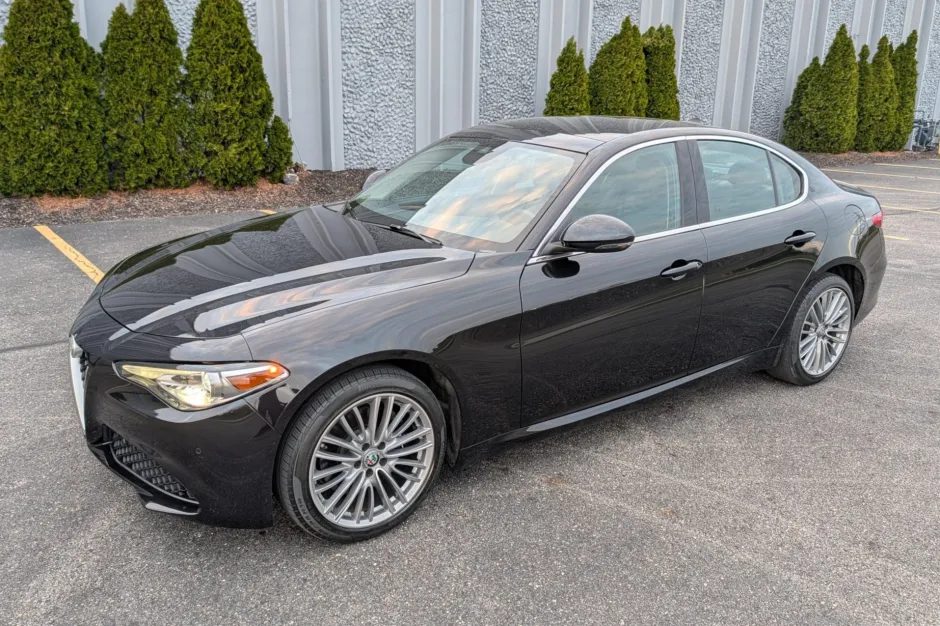
Italian driving excellence undermined by electrical system failures and thin dealer network.
The Giulia delivered exceptional driving dynamics, with the Quadrifoglio variant embarrassing BMW M3s at the Nürburgring. Even the standard Ti model’s responsive 2.0L turbo four-cylinder packed character rarely found in its class. It’s automotive sculpture that actually drives like art.
Launch-year electrical systems were unreliable, causing random warning lights and infotainment crashes mid-drive. Alfa’s thin American dealer network meant warranty repairs stretched into weeks awaiting parts. Current prices range from $18,000-$24,000. Owning this sculpted beauty requires saint-like patience and access to a trusted specialist. Later 2019+ models improved significantly.
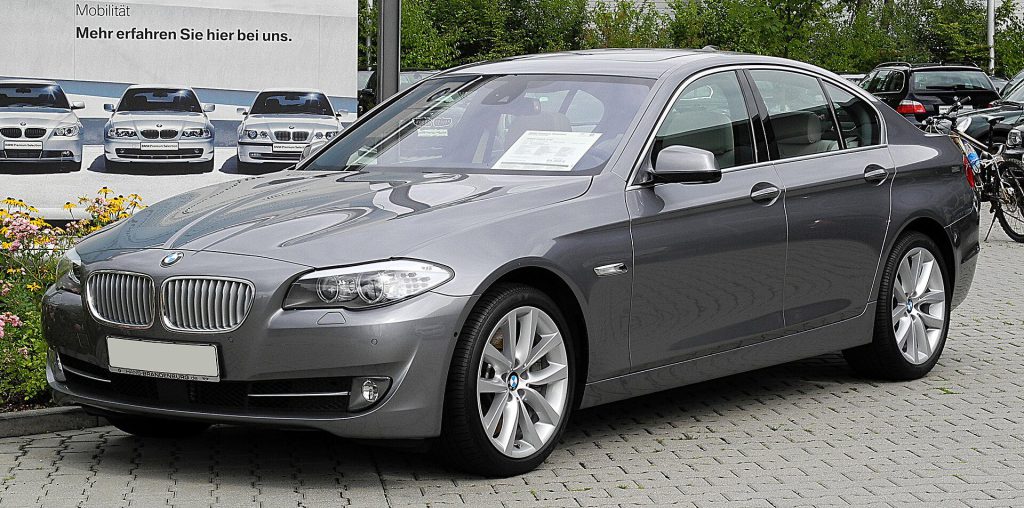
Early production turned potential excellence into a financial minefield.
The F10 generation successfully balanced comfort and sport with exceptional turbocharged six-cylinder engines. However, the 2011 model year proved financially dangerous. The N63 twin-turbo V8 in 550i variants developed excessive oil consumption, eventually addressed through BMW’s customer care package years later. Cooling system components failed predictably, while timing chain tensioner problems affected certain models.
Used examples cost $15,000-$20,000 but budget an additional $15,000 for three-year ownership costs. Anyone familiar with German luxury repair bills knows the drill. Invest in 2013 or newer models where BMW resolved these early issues.
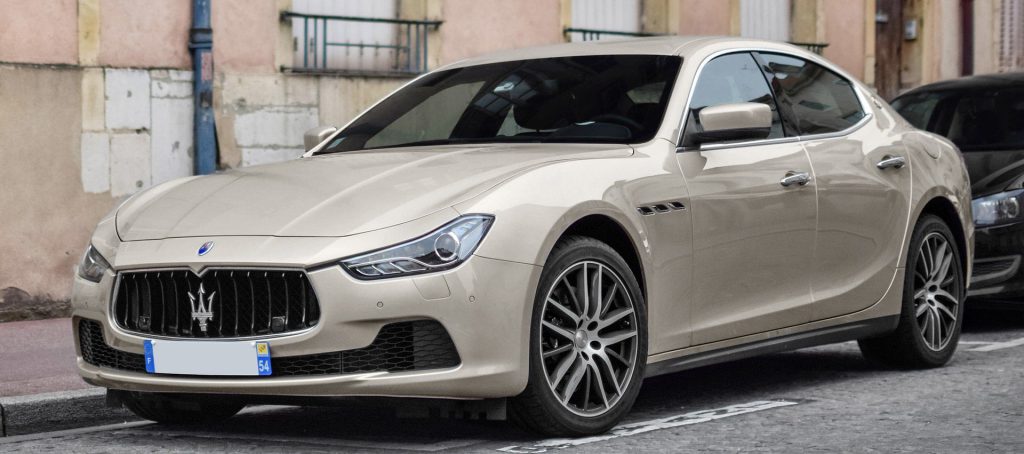
Mass-market ambitions overwhelmed quality control capabilities.
Priced around $65,000, the Ghibli promised Italian exotic prestige at achievable prices. Its Ferrari-derived twin-turbo V6 delivered operatic exhaust notes, while the iconic trident badge carried undeniable allure. However, volume production combined with Maserati’s quality control inexperience created problems.
Launch-year models reported oil leaks, cooling system failures, and electrical gremlins. The ZF transmission shifted beautifully when functioning but lurched unpredictably during malfunctions. Dealer networks weren’t prepared for volume, sidelining warranty repairs for weeks. Current values range from $22,000-$30,000, but budget $3,000-$5,000 annually for ownership costs and secure comprehensive warranty coverage.
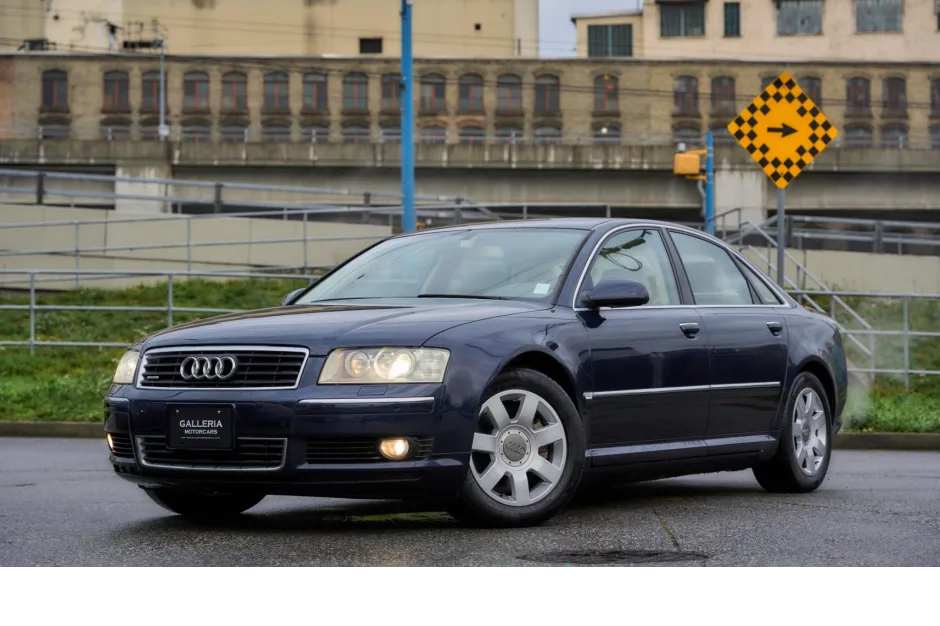
Revolutionary aluminum construction couldn’t overcome first-year platform complexity.
The D3 generation featured revolutionary all-aluminum space frame construction. Long-wheelbase L versions provided rear accommodations that embarrassed some limousines, while the cultured 4.2L V8 delivered refined power. Unfortunately, this first-year model featured complex systems that even Audi dealers were still learning.
Air suspension failures were common and expensive, with full replacements costing $3,000-$5,000. Timing chain tensioners on the 4.2 V8 represented known weaknesses potentially requiring engine-out repair. Tiptronic transmissions developed hard shifting as fluid degraded. Current values sit at $8,000-$14,000, but proper three-year maintenance typically exceeds purchase price.
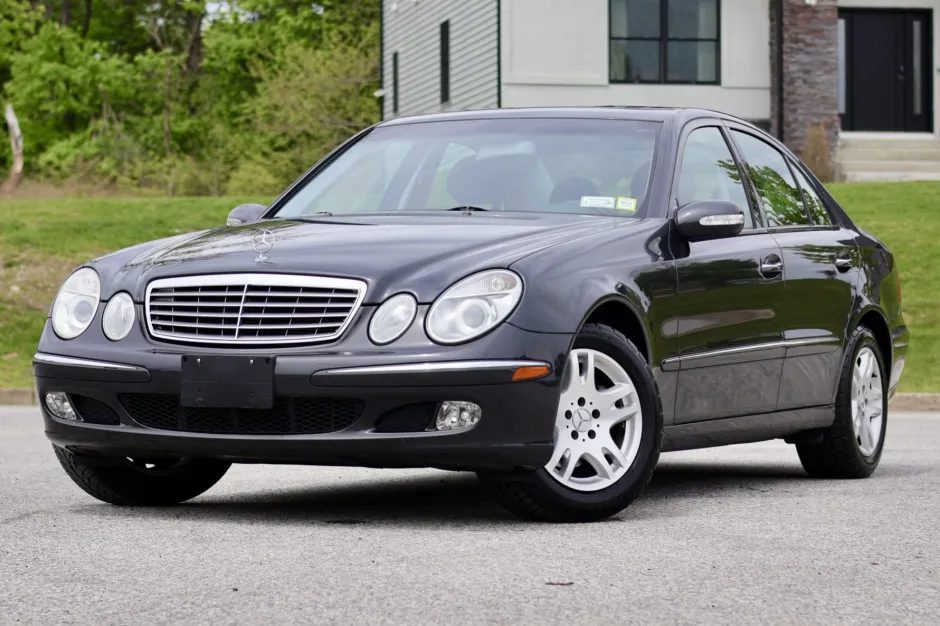
Cost-cutting and electrical complexity broke loyal customer hearts.
The W211 generation marked Mercedes-Benz’s departure from legendary reliability through aggressive cost-cutting. Rust appeared so aggressively on rear subframes that Mercedes issued recalls. The SBC electronic brake system failed frequently, triggering warning lights and reducing braking effectiveness with expensive repair costs.
Air suspension on V8 models collapsed regularly, while electrical systems developed faults that stumped dealership technicians. Current values range from $8,000-$16,000 depending on condition. Target 2007 or newer W211s with verifiable service history, or consider the W212 generation entirely. Early models represent major gambles.
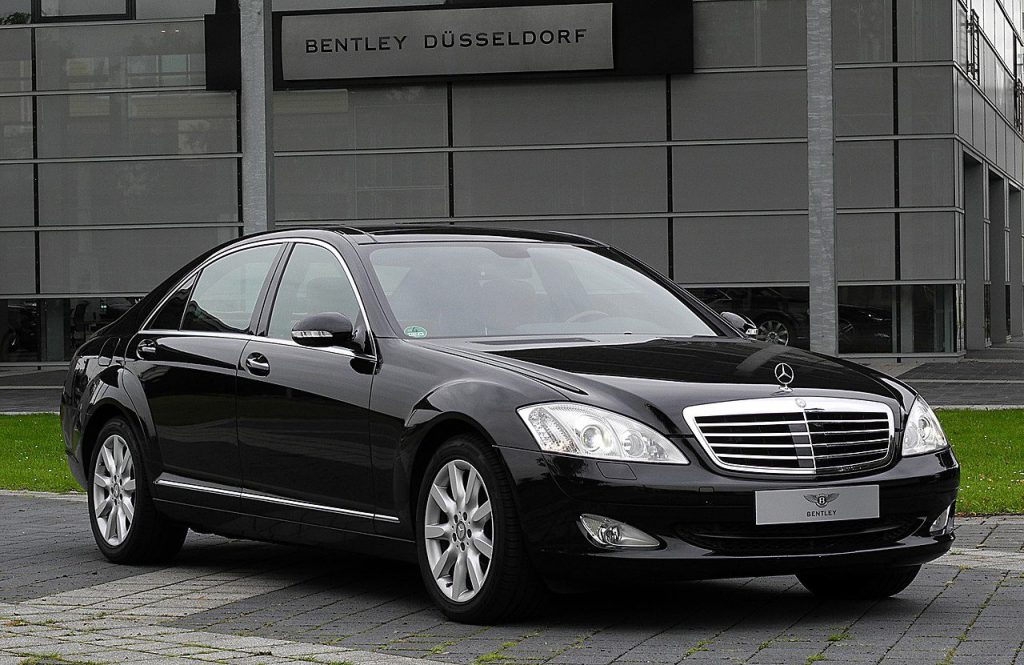
Luxury flagship status couldn’t overcome expensive systematic failures.
Launching at $90,000, the W221 generation promised automotive luxury pinnacles. However, Airmatic suspension replacements cost $4,000-$8,000, while the twin-turbo V8 developed balance shaft chain issues Mercedes quietly revised in later production. Panoramic roof seals failed, soaking electronics beneath seats.
Current values sit between $14,000-$22,000. Buyers attracted to S-Class prestige often assume reliability incorrectly. Target 2010 or newer W221 models, which are significantly more reliable. Early production represents major financial gambles despite the appealing nameplate.
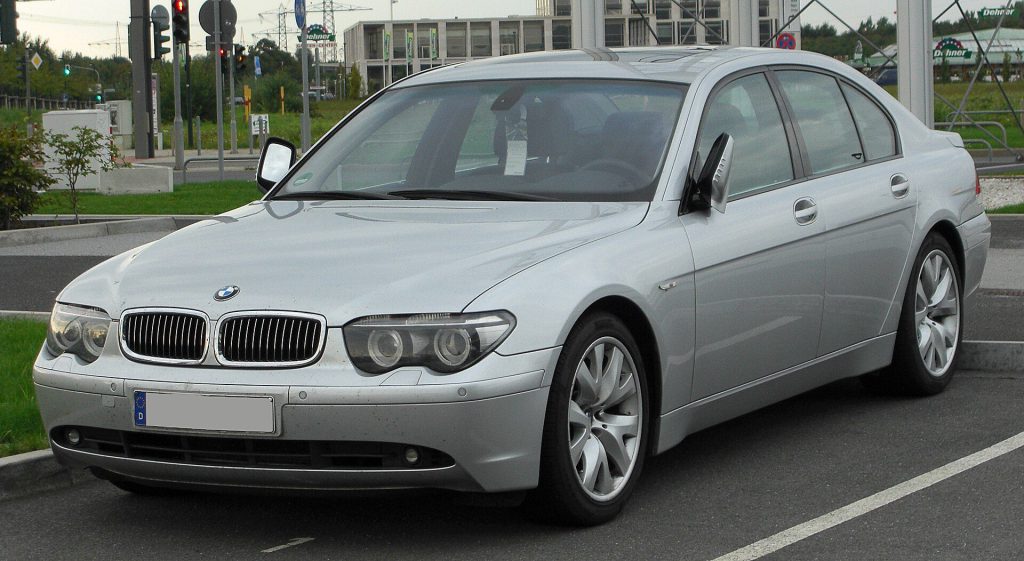
Controversial design met beta-level technology in automotive history’s most expensive lesson.
Chris Bangle’s polarizing design housed technology that felt perpetually unfinished. The iDrive system crashed frequently, requiring dealer seminars to teach basic operation. The N62 V8 burned oil and smoked, while active roll stabilization failed expensively. Window regulators, door handles, and soft-close mechanisms failed predictably.
Originally $75,000, current values sit between $8,000-$13,000 with cars often sitting unsold for years. BMW fixed nearly everything by 2004-2005, making this 2002 model automotive history’s most expensive lesson in launching prematurely. It represents the undisputed champion of luxury sedan reliability disasters.
此内容由惯性聚合(RSS阅读器)自动聚合整理,仅供阅读参考。 原文来自 — 版权归原作者所有。