


Car features like vacuum wipers and push-button transmissions showcase automotive history’s most spectacular design failures and safety disasters.
The road to automotive innovation is paved with brilliant ideas, but sometimes, the pursuit of the next big thing leads down a very bumpy, and frankly, embarrassing path. This article unearths over 22 of the most spectacularly misguided car features ever unleashed upon unsuspecting drivers. These are technologies that promised the moon but delivered only mechanical mayhem, expensive fixes, and sometimes, outright danger. From bewildering button layouts to systems that actively worked against drivers in the rain, these features proved why ‘cutting-edge’ can quickly become ‘cut-and-dried obsolete.’ Prepare to be amused, horrified, and maybe a little thankful for straightforward design as this countdown reveals automotive history’s biggest blunders.
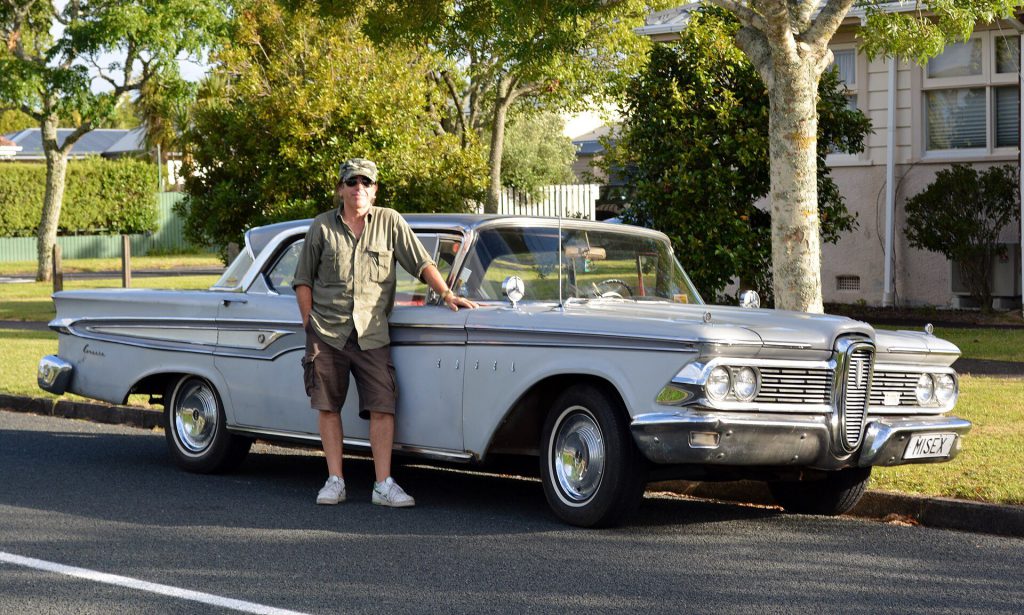
Anyone who’s fumbled with steering wheel buttons while stuck in traffic knows this nightmare.
The 1958 Ford Edsel dared to debut the ‘Teletouch’ transmission control, forcing drivers to push buttons where the horn usually lived to select Park, Reverse, Neutral, Drive, and Low. This setup meant eyes off the road, a major safety gamble that felt more like a tech demo gone rogue.
The electro-mechanical servos powering this system were tucked away near the notoriously hot exhaust and transmission, making them prone to overheating and electrical meltdowns. For a car that already struggled with sales, repair costs were substantial. This complex, finicky system was ditched after just one model year, proving that “convenience” should never come at the expense of safety or sanity.
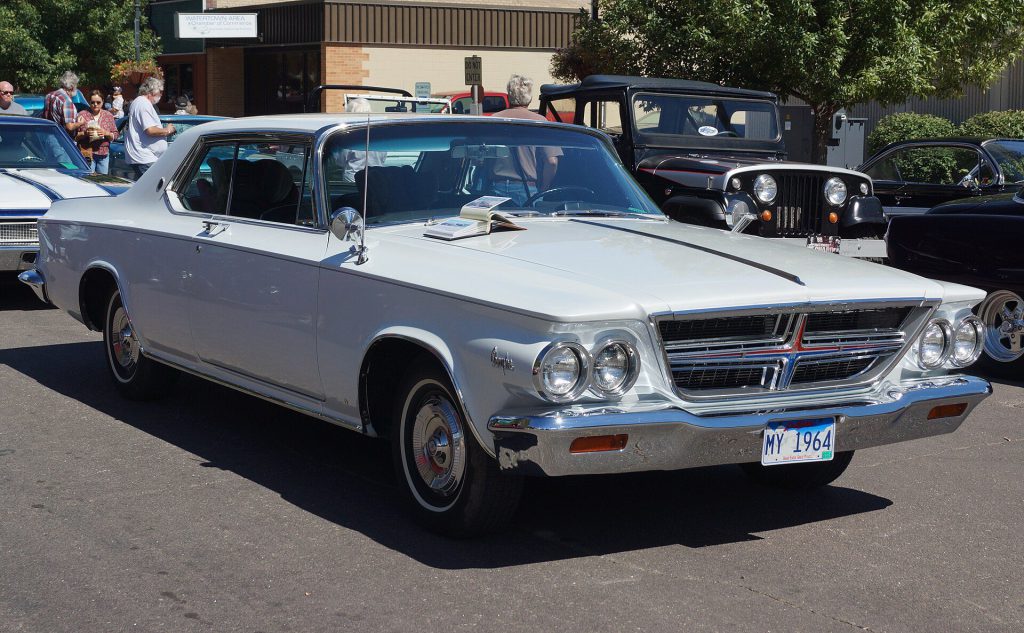
Chrysler really leaned into the futuristic vibe, but reality proved less Jetsons and more headache.
Chrysler Corporation slapped push-button controls for their automatic transmissions onto dashboards throughout their brands from the mid-1950s through 1964. These buttons worked via mechanical cables that, predictably, stretched over time. This meant sticking buttons and a gear selection that felt more like a lottery than a deliberate choice.
Many models skipped a dedicated “Park” button entirely. Drivers had to rely solely on the parking brake, a system so confusing that stories circulated of executives backing into walls after model year changes messed with button placement. By 1965, common sense—and likely a flood of customer complaints—prevailed, and Chrysler ditched the buttons for good.
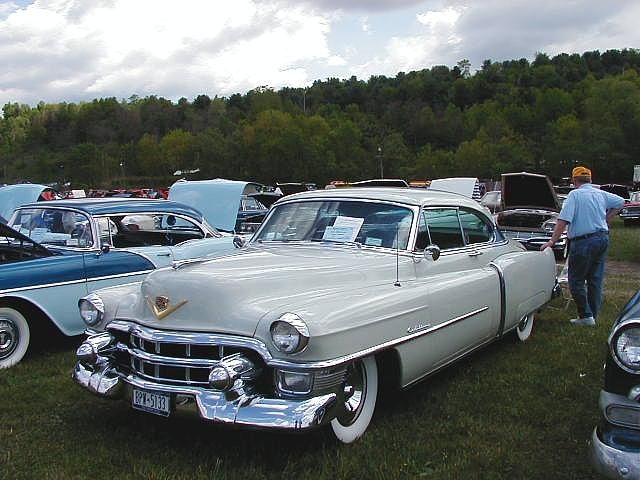
GM thought they’d cracked the code on ride comfort, but delivered a tech nightmare instead.
Late-1950s GM brands like Cadillac, Buick, and Oldsmobile offered air suspension systems that swapped steel springs for rubber air bags, all managed by a compressor and leveling valves. It sounded smoother than a silk pajama party, promising a ride that glided over bumps.
These early systems were notorious for air-bag leaks and compressor failures. Cold-weather moisture in the lines meant the suspension could freeze solid, leaving drivers stranded. Many owners ended up retrofitting good old steel springs, tired of constant repairs and the hefty price tag that came with keeping them operational.
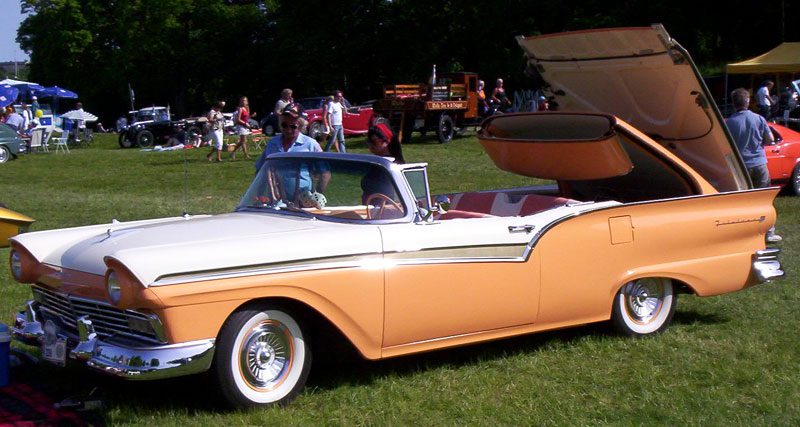
This beauty packed a mechanical circus into its trunk, attempting to fold metal like origami.
When this complex system worked, involving 7 electric motors and 10 solenoids, it was pure theater, retracting the roof in about 40 seconds. But when something hiccupped, drivers were stuck with a permanent roof-up or roof-down situation—a real mood killer for what was supposed to be a convertible experience.
Beyond nerve-wracking reliability, the whole contraption ate up most of the trunk space. Finding room for a single small suitcase when the roof was tucked away became a challenge. This ambition came with astronomical manufacturing and repair bills, which, combined with its short 3-year run, cemented the Skyliner as a glorious, albeit impractical, dream.
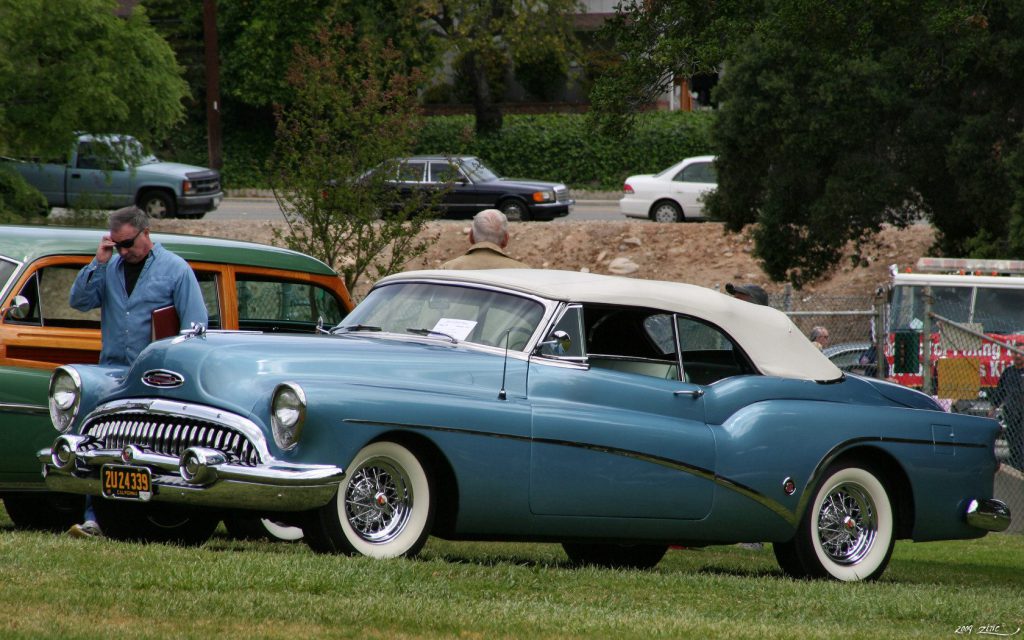
Drivers had to choose between seeing the road ahead and getting up to speed.
Many American cars from the 1940s through the early 1960s relied on vacuum-operated windshield wipers driven by engine manifold vacuum. When drivers needed more power, like accelerating uphill, the engine worked harder, causing that vital vacuum to drop. This meant wipers would dramatically slow down or stop working entirely, often when needed most.
Picture navigating a downpour while windshield wipers decide to take a siesta just as the gas pedal hits the floor. Drivers had to ease off the accelerator to keep their wipers moving, essentially choosing between visibility and momentum. Electric motors didn’t become standard until the late 1960s, finally allowing drivers to focus on the road, not their wiper speed.
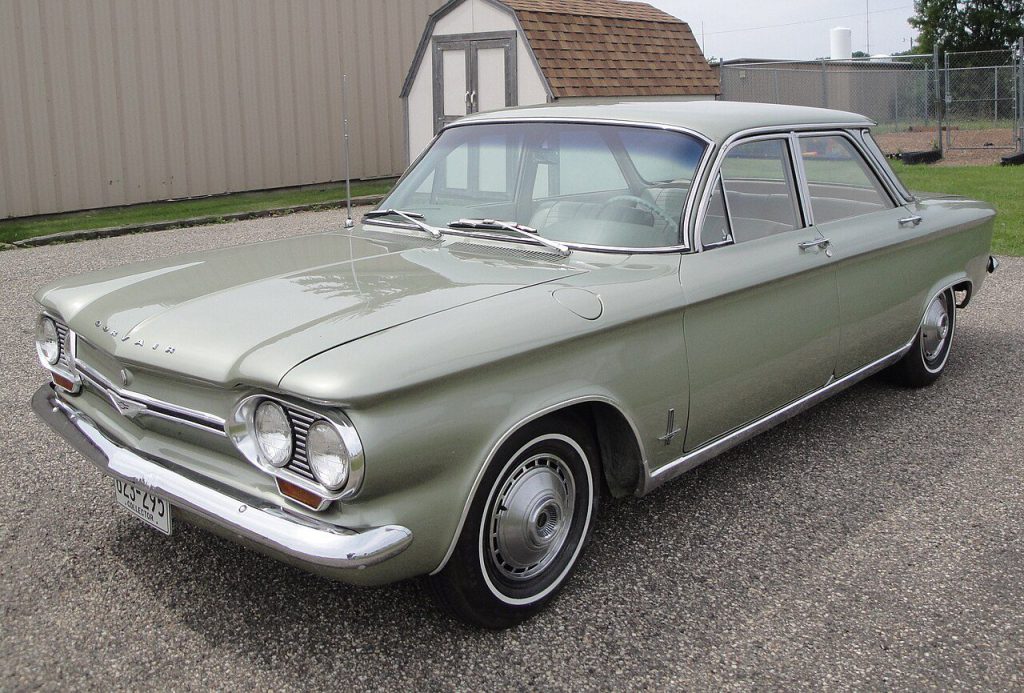
Ralph Nader’s famous critique highlighted what drivers were experiencing firsthand: sudden, unpredictable oversteer.
The Chevrolet Corvair’s pioneering rear-engine, air-cooled setup came with a critical handling flaw that earned it notorious reputation. Its rear swing-axle suspension, combined with weight distribution that placed roughly 64% of its mass over the rear wheels, made it prone to sudden, unpredictable oversteer.
Lifting off the throttle during cornering could cause the rear end to break loose unexpectedly, posing serious safety risks. This tendency was amplified by Chevrolet’s recommendation for vastly different tire pressures between front and rear axles—a detail easily overlooked by owners. The problem was so significant that it prompted substantial design revisions, including a completely new independent rear suspension for the 1965 model year.
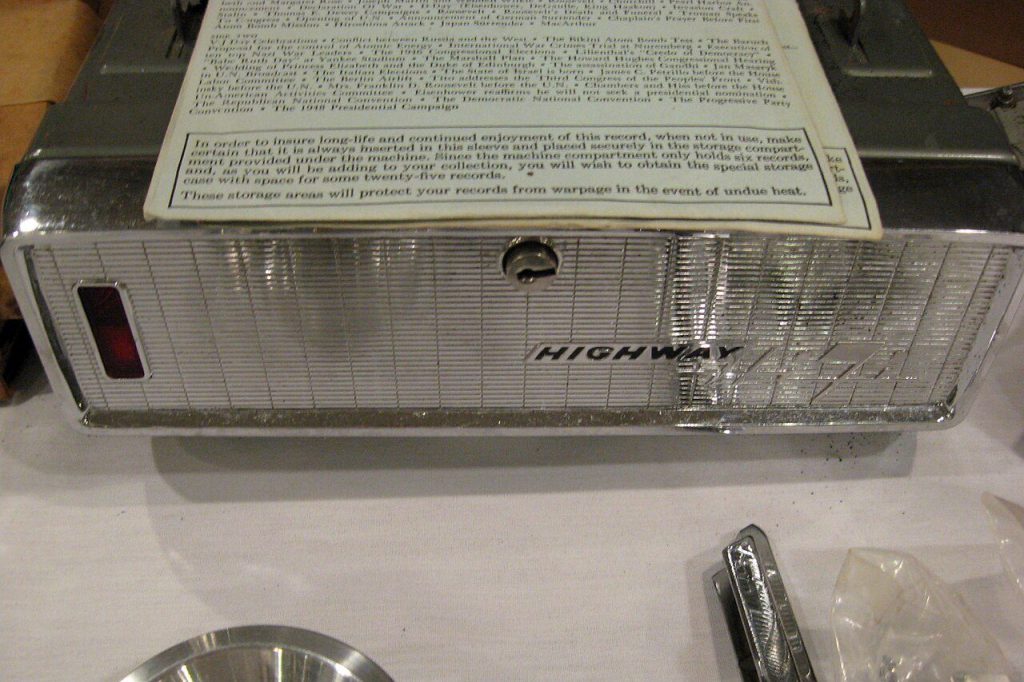
This ambitious system offered about as much reliability as expecting vinyl to survive a road trip.
Chrysler introduced the Highway Hi-Fi in-dash record player in 1956, developed with Columbia Records. This system played special 7-inch records at 16⅔ rpm, offering about 45 minutes of audio per disc. However, these unique records wouldn’t play on standard home turntables, severely limiting music options to a curated, and often brief, selection.
Road vibrations and the intense heat of parked cars frequently warped the records, leading to constant skipping that rendered music unlistenable. The system’s high cost, limited music selection, and reliability issues meant Chrysler discontinued the Highway Hi-Fi by the end of the 1950s, relegating it to a quirky footnote in automotive audio history.
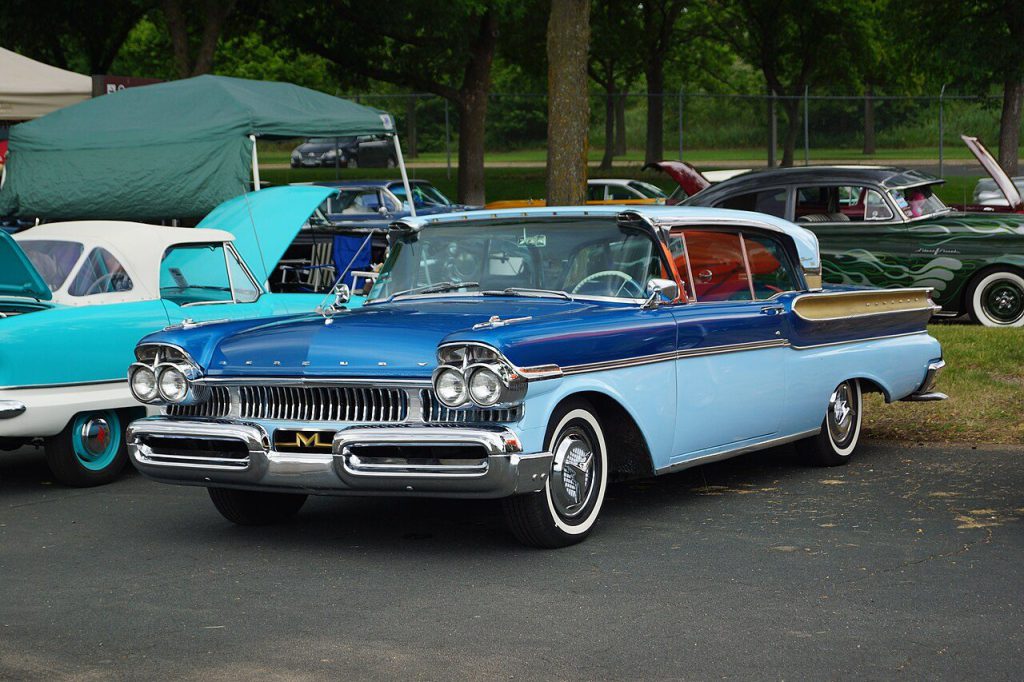
Instead of a pleasant breeze, drivers often found themselves breathing in exhaust fumes, dust, and rain.
The Mercury Turnpike Cruiser debuted an ambitious “Breezeway” power rear window in 1957 and 1958. This feature allowed the entire rear window to retract into the car’s body, supposedly offering unparalleled ventilation. However, this slice of automotive theater was more trouble than it was worth.
The intricate electric motor and complex mechanism were notoriously unreliable, frequently leaving owners with stuck-down windows. The retracted window also occupied valuable trunk space, turning road trip packing into a game of Tetris. When these mechanisms failed, repairs were costly. Mercury wisely ditched this headache-inducing feature after just 2 model years, proving that sometimes, the most stylish innovation is the one that actually works.
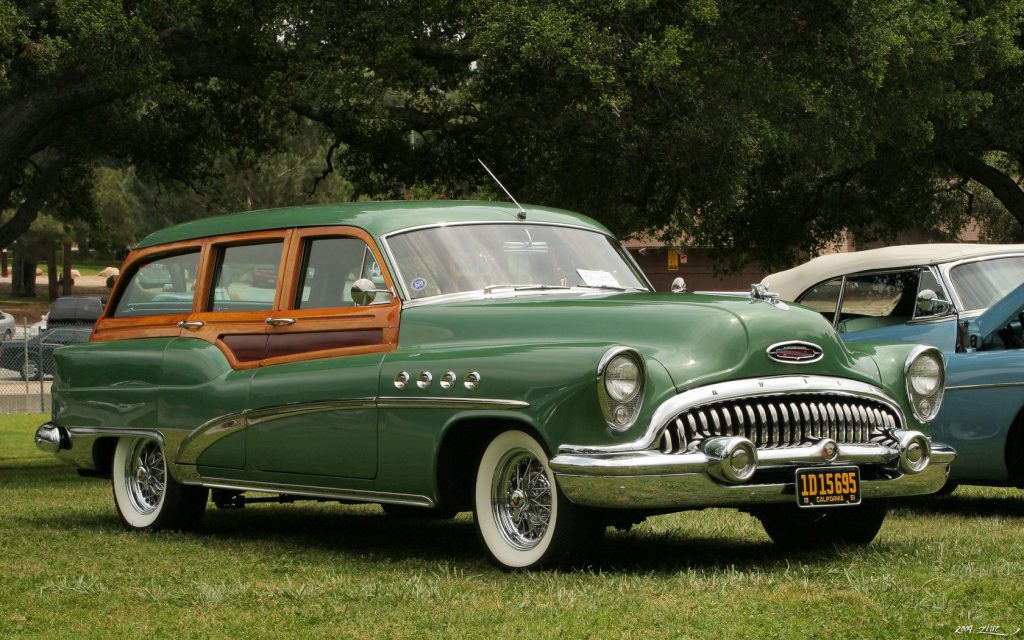
This early system had severe showroom sparkle, often mistaking streetlights for approaching cars.
General Motors, with Buick leading the charge, introduced the Autronic Eye in the early 1950s—an attempt to automate high-beam dimming using a dash-mounted light sensor. The idea was simple: detect oncoming headlights and switch from high to low beams automatically.
The execution was less “genius” and more “gimmick that confused itself.” This early system frequently mistook streetlights and reflective road signs for approaching cars, leading to erratic, unpredictable dimming. The Autronic Eye added complexity and cost without reliable performance, making many owners simply disable the feature entirely.
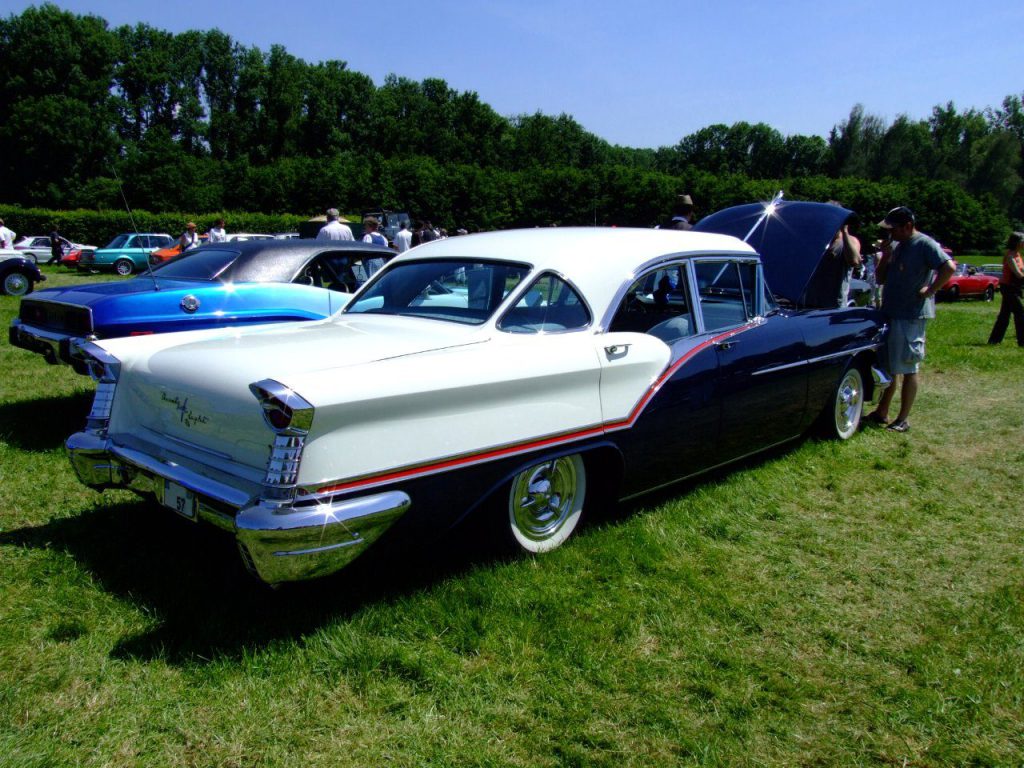
The whole concept felt like trying to stuff a toaster into a shoebox—just not quite right.
Oldsmobile offered a radio in the late 1950s that docked into the dashboard but could be removed for use as a transistor radio, running on batteries for limited playtime outside the car. This roughly 9-pound unit promised portable entertainment but delivered significant drawbacks.
Pulling the radio left a gaping hole in the dash, practically an engraved invitation for thieves. Outside the car, its performance was mediocre at best, certainly not matching dedicated portable radios that were much cheaper and less bulky. Unsurprisingly, this gadget was discontinued after just one model year due to lack of widespread appeal.
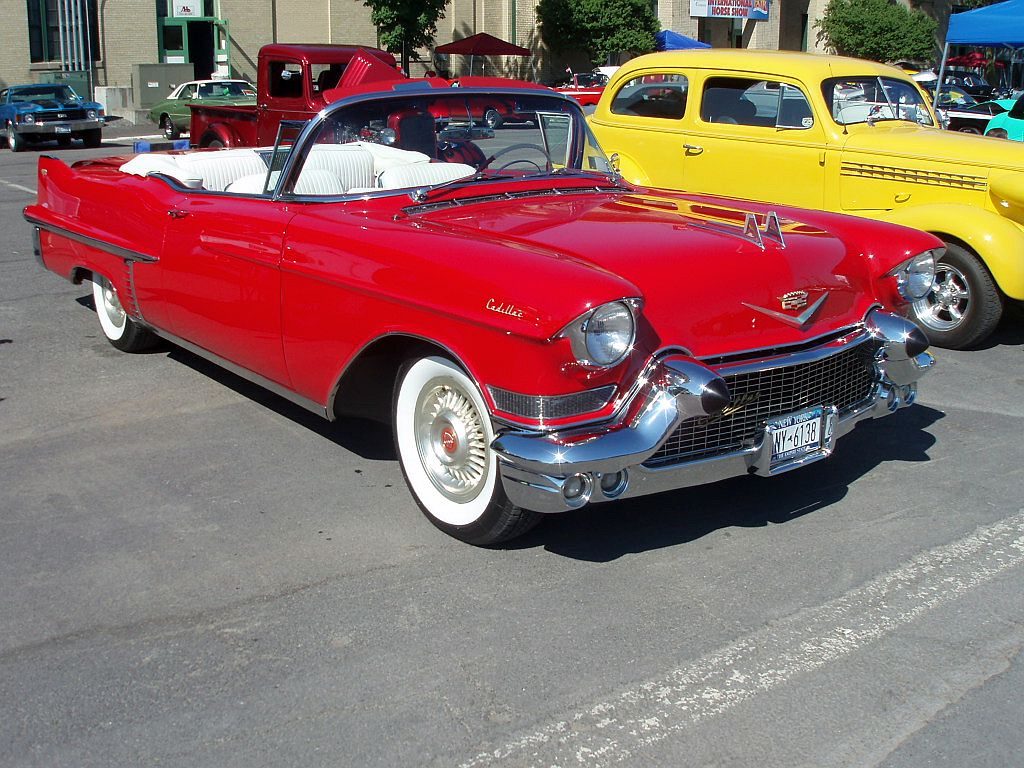
These early systems foreshadowed today’s self-driving tech but needed massive infrastructure that didn’t exist.
In 1957, Cadillac experimented with automated highway steering using sensors to follow embedded cables or magnets in specially prepared roadways. Cars could navigate predetermined routes on test tracks, offering a glimpse into a future where cars drove themselves.
The massive infrastructure investment required for public roads rendered the concept impractical for the era. This ambitious program, primarily confined to research facilities, quietly ended after limited testing. It served as a stark reminder that even the most forward-thinking technology needs a viable path to public adoption.
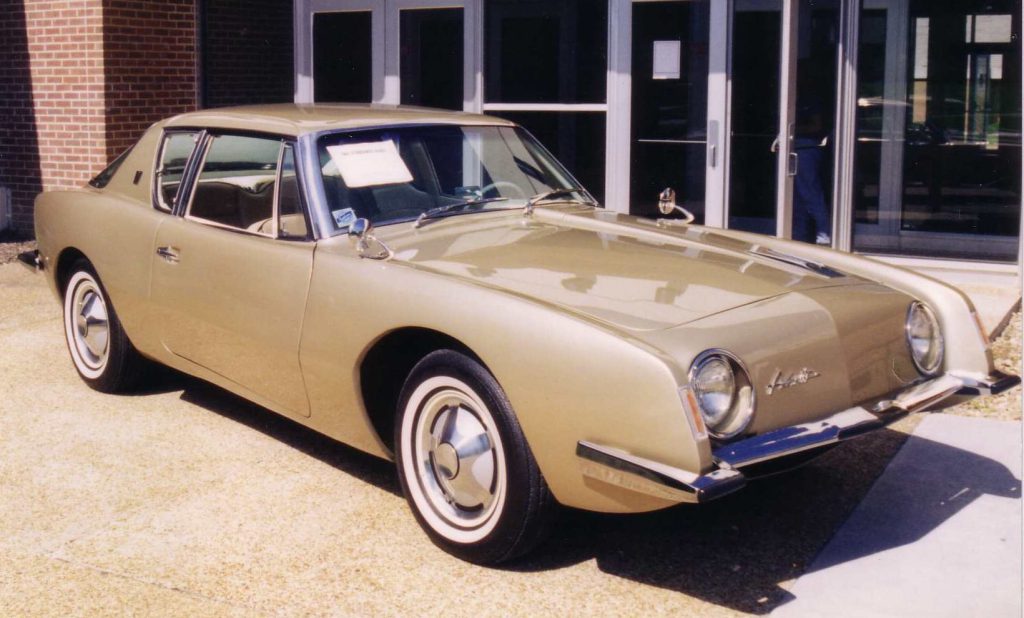
This wasn’t just a style choice; it was an aerodynamic gamble that turned into a production nightmare.
The 1962 Studebaker Avanti dared to be different by crafting its entire body from fiberglass-reinforced plastic, ditching traditional steel for a lighter, sleeker profile. Unfortunately, this ambitious leap led to manufacturing chaos.
Problems plagued the assembly line: fiberglass panels wouldn’t cure properly, leading to misalignment and frustrating cracks. Paint adhesion issues meant the finished product looked less “futuristic marvel” and more “weekend DIY project gone wrong.” These manufacturing headaches caused massive delays, infuriating customers and further draining Studebaker’s already precarious finances. The Avanti couldn’t save the company from ceasing U.S. production by 1963.
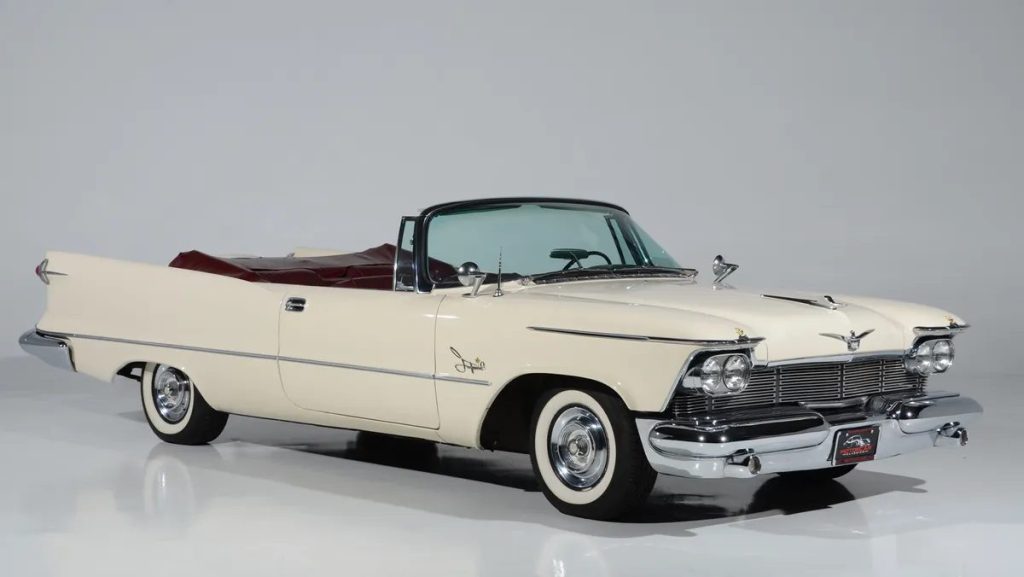
This luxury rig tipped the scales at over 5,000 pounds, and the air suspension just couldn’t handle the heft.
The 1958 Imperial tried to impress with its “Torsion-Aire Ride,” combining air springs in the rear with torsion bars up front. While it sounded futuristic, the system couldn’t cope with the Imperial’s substantial weight.
Owners quickly discovered constant leaks and compressor failures, leaving their Imperials sagging unevenly. Chrysler, realizing this air-ride system was more trouble than it was worth, quietly reverted to steel springs the following year. They even offered to swap out the air systems, essentially admitting their amazing new feature had crashed and burned.
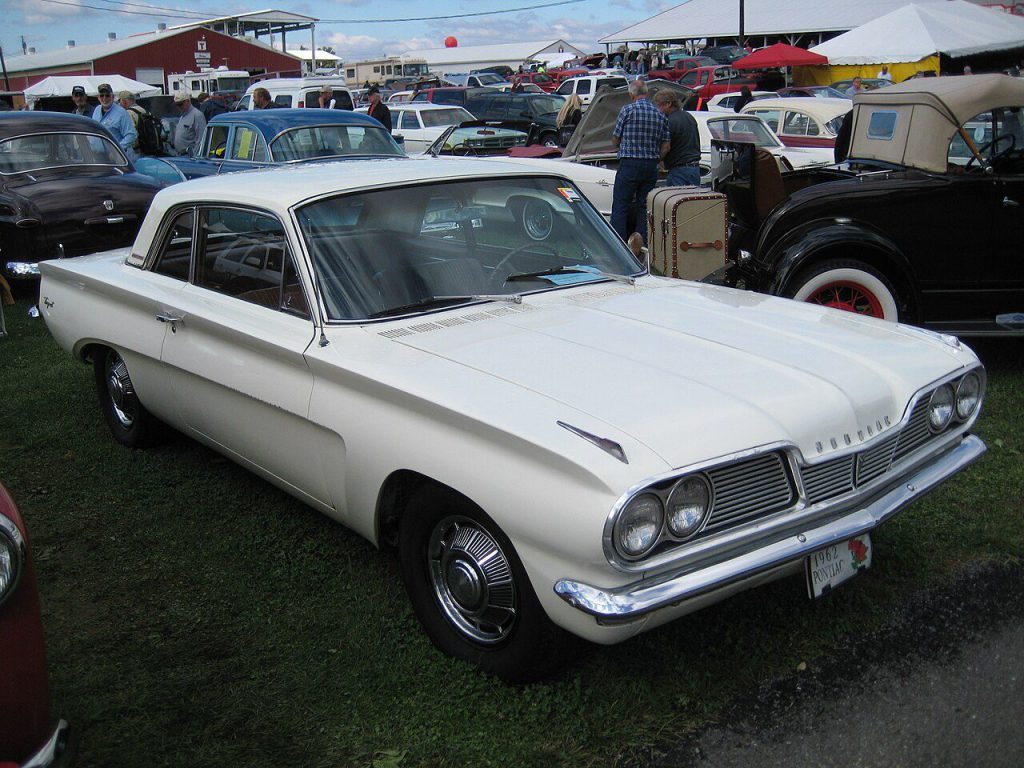
This innovation often felt more like a tightrope act for reliability than a legitimate engineering solution.
The 1961–1963 Pontiac Tempest positioned its engine forward and transmission aft for improved weight distribution. To bridge the gap, engineers used a “rope drive”—a flexible steel cable inside a curved torque tube.
Over time, that flexible shaft could fray, vibrate excessively, and eventually snap. Maintenance was complicated, often requiring wrestling with the exhaust system for access. Compared to a standard driveshaft, this setup added complexity and distinct susceptibility to wear. It was an ambitious engineering swing that ultimately proved too temperamental for long-term reliability.
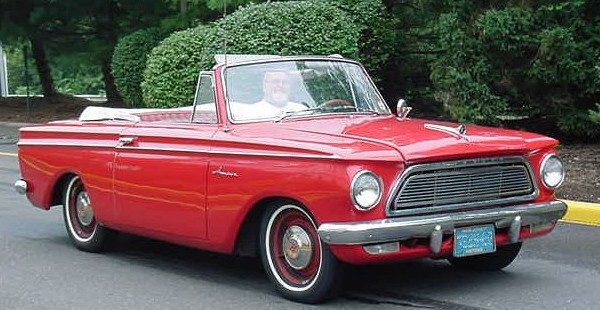
AMC really leaned into the mobile motel concept, but forgot about the safety implications.
American Motors advertised front seats in their late-1950s and early-1960s Rambler models that reclined almost completely flat, marketing them as perfect for camping or catching some sleep on road trips. While this sounded convenient for extended travels, it created major safety concerns.
The reclining mechanism often lacked sufficient strength to withstand sudden forces. These seatbacks could suddenly collapse backward during driving—a terrifying prospect. Even worse, in crashes, occupants could potentially slide underneath their seatbelts, leading to severe injuries. Later safety research highlighted the dangers of seatback failure across multiple automakers’ early reclining designs.
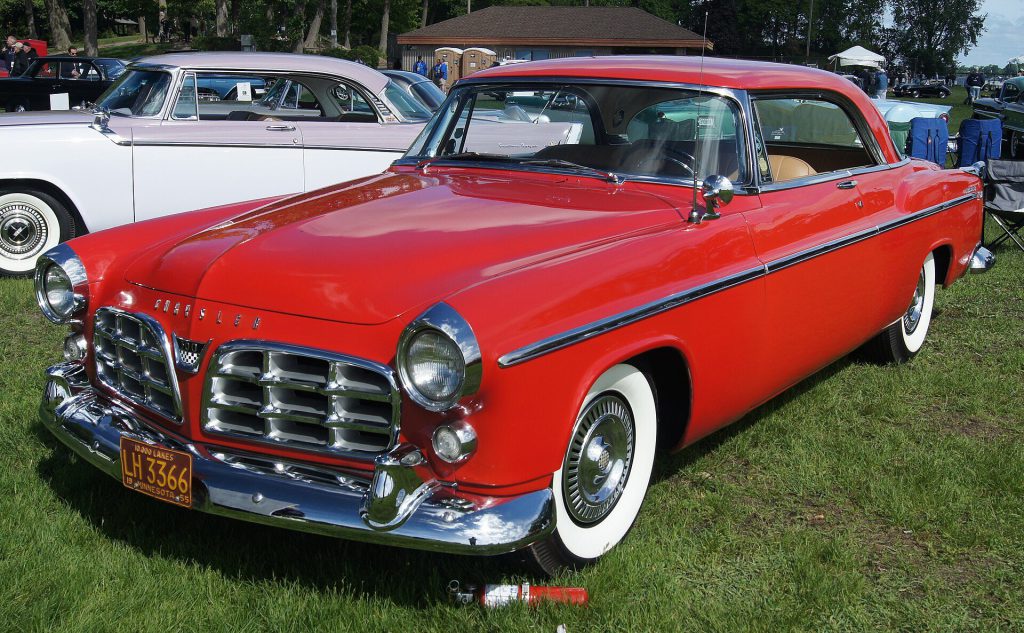
These lamps became dirt magnets faster than free donuts disappear at a tech conference.
Chrysler’s mid-1950s auxiliary lighting, often tucked beneath the front bumper, aimed to give drivers better visibility during parking maneuvers. The idea was illuminating those tricky corners and providing backup assistance.
However, these lamps were constantly assaulted by debris, mud, and snow, making their effectiveness vanish quickly. Wiring snaked underneath the chassis was also vulnerable to road hazards. Even when they miraculously worked, the actual illuminated area offered minimal practical benefit. This bright idea ultimately failed due to poor real-world utility and susceptibility to damage that made them more liability than asset.
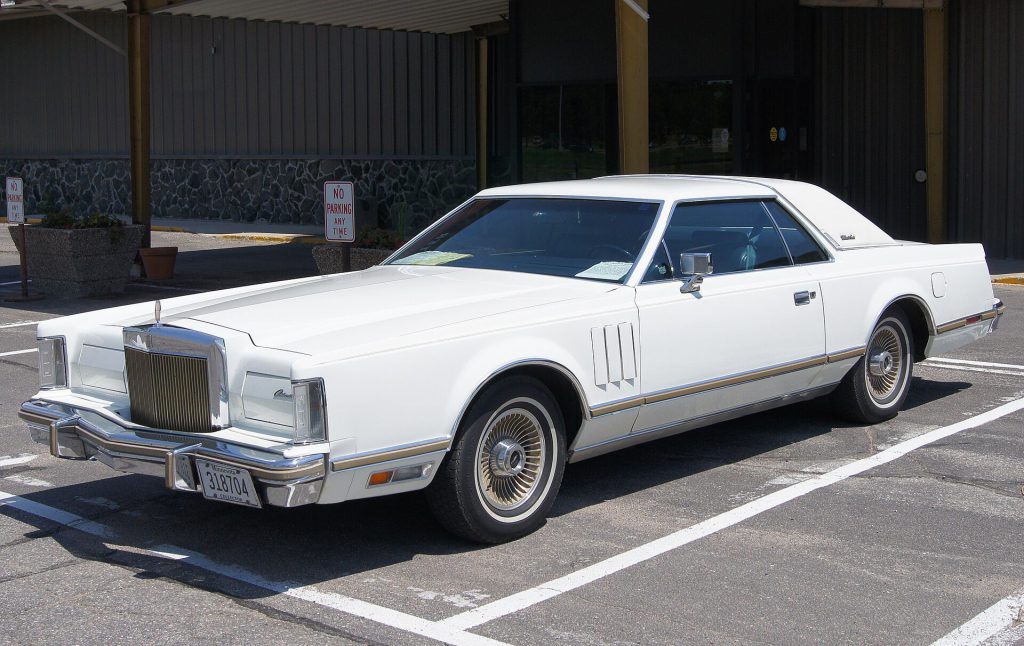
These retractable panels looked slick, like a car with secret agent capabilities, but quickly became a nightmare.
Late-1950s Lincolns flaunted headlamps that vanished behind fender sections, operated by electric motors or vacuum actuators. Road salt, dirt, and moisture loved to infiltrate the intricate mechanisms, causing them to jam regularly.
When a headlight got stuck closed, drivers faced either illegal operation or dangerous night blindness. The motors themselves would fail, requiring expensive replacements for a feature that was pure vanity. Lincoln wisely abandoned this design by 1960, proving that sometimes, what looks cool on paper isn’t so cool when it makes cars undrivable in the dark.
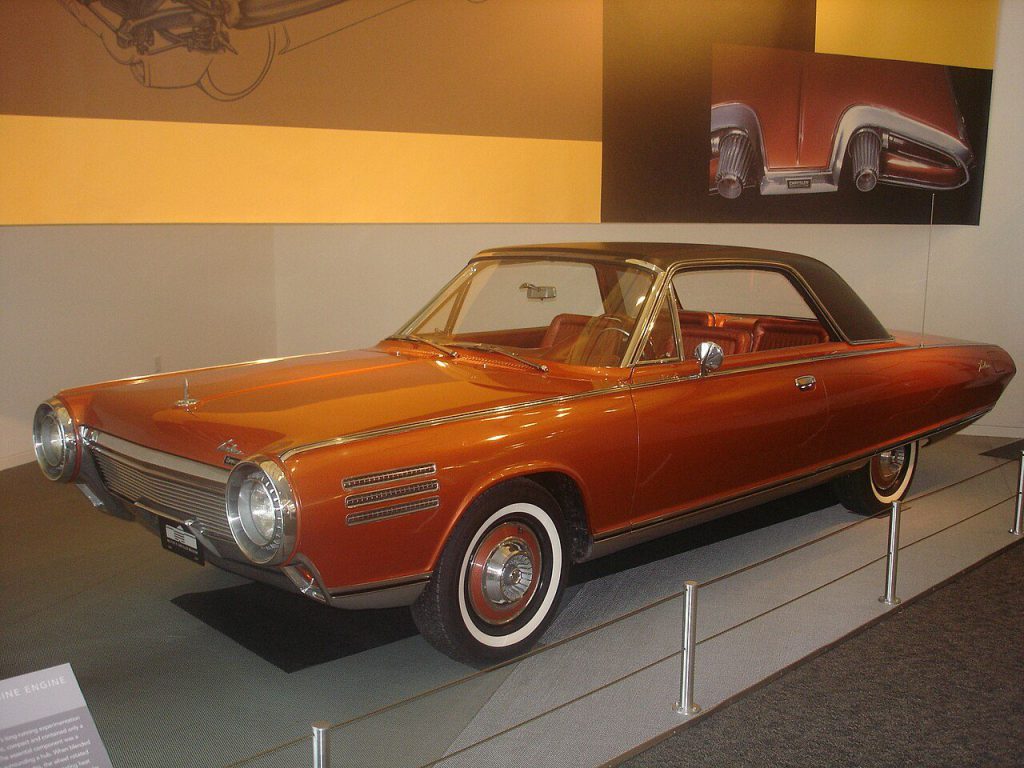
This futuristic ride could sip gasoline, diesel, or kerosene, but averaged a thirsty 9 MPG.
Chrysler rolled out about 55 prototype Turbine Cars in the early 1960s, powered by jet engine technology. The idea promised simpler design with fewer moving parts than conventional piston engines, plus the ability to run on multiple fuels.
This experimental beauty hit reality hard: poor fuel economy, acceleration like a sleepy sloth due to throttle lag, and exhaust so hot it could practically melt asphalt. After a public road test program where drivers sampled the future, Chrysler scrapped the whole project. Most of those experimental beauties were destroyed, leaving only a handful as automotive museum pieces.
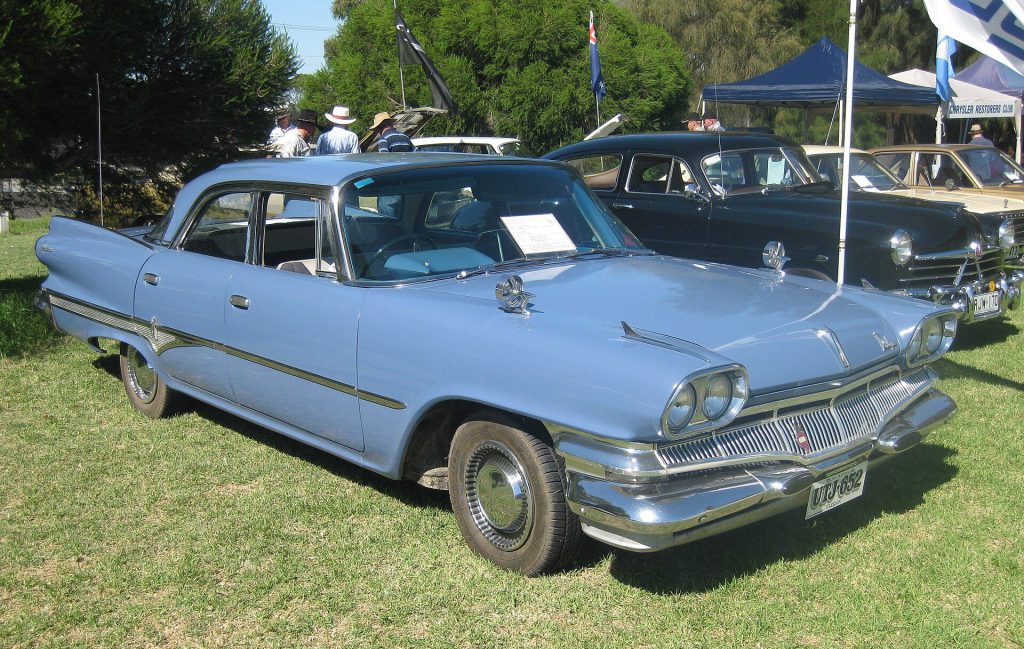
The fancy pivot mechanisms were apparently built with the durability of a house of cards.
Around 1959 to 1962, Dodge offered seats that could swivel outward about 40 to 50 degrees, like tiny, plush thrones making their grand entrance. It was a neat idea straight out of a sci-fi movie, but the execution was less “James Bond” and more “wobbly diner chair.”
The pivot and latch mechanisms led to seats that would rock and sway during commutes—less a convenience and more a recipe for motion sickness. This swivel feature also raised seat height, potentially turning taller passengers into ceiling-skimming commuters. Despite slick marketing promising effortless entry, the reality was a finicky mechanism that didn’t hold up to regular use.
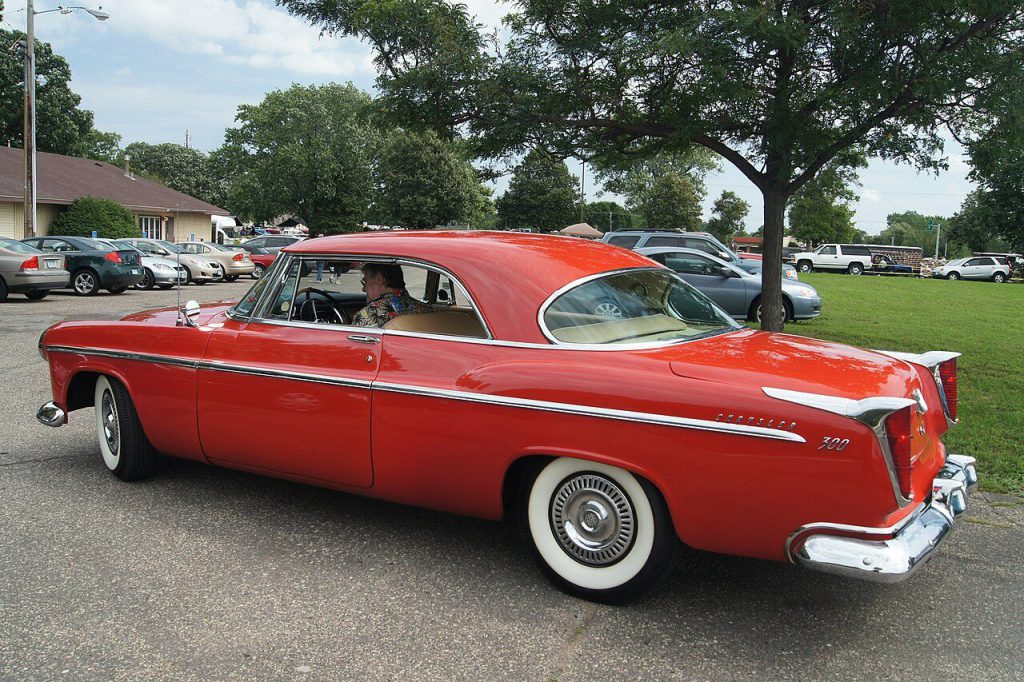
wing panels were about as reliable as a screen door on a submarine.
Chrysler went full Tron in the late 1950s and early 1960s with dashboard lights called “Panelescent.” Instead of boring old bulbs, they used phosphor coating that glowed green when zapped with high-voltage AC, making gauges look like spaceship controls.
These panels frequently died, leaving drivers in the dark, and the high-frequency whine from the power supply was an unwelcome passenger. Fixing them meant tearing apart half the dashboard, which was expensive. After a brief, glowing moment, Chrysler wisely ditched the Panelescent system for regular bulbs.
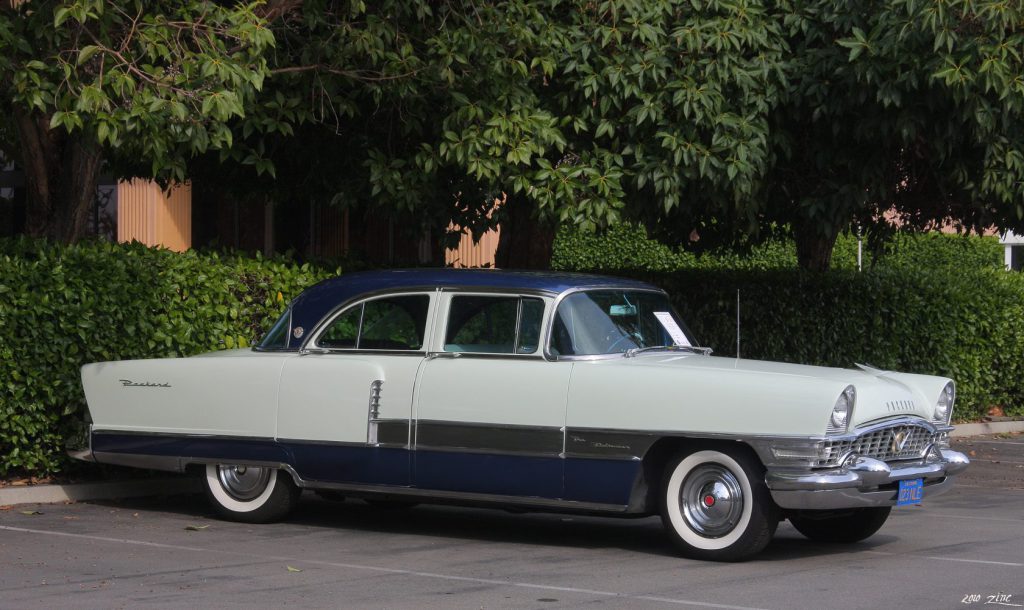
This tech was as reliable as a chocolate teapot in a heatwave.
Packard’s 1955 ‘Torsion-Level’ suspension system used longitudinal torsion bars connected front-to-back, plus an electric motor to automatically adjust ride height based on load. It promised plush comfort and handling that stayed flat even in corners.
Those fancy electric leveling components were prone to failing, sometimes leaving a Packard sagging unevenly like a deflated soufflé. On top of that, Packard was hitting serious financial turbulence. By the time they folded in 1958, finding parts or a mechanic who even knew what “Torsion-Level” meant became nearly impossible.
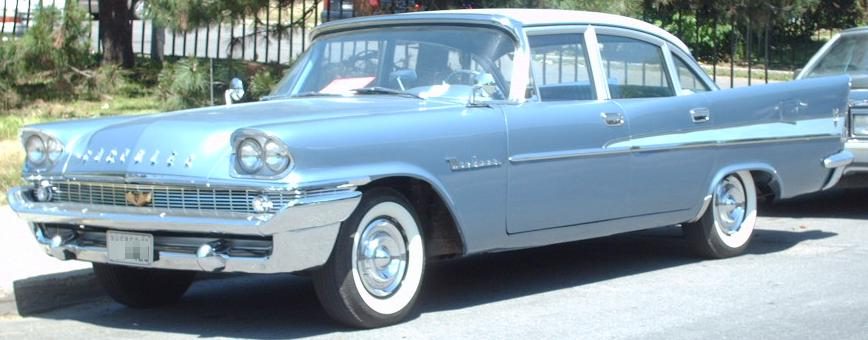
This early tech felt less like a futuristic cruise and more like a finicky mechanical butler.
Chrysler introduced its “Auto-Pilot” system around 1958, pioneering cruise control technology. However, this early system relied on vacuum servos and clunky cables, meaning a gentle tap on the brake pedal could make it forget the set speed entirely.
Don’t expect pinpoint accuracy either—speed variations were common, and sometimes the car would surge forward unexpectedly. There was no dashboard light indicating if this temperamental gadget was even active, and a degraded rubber hose could doom the whole operation. While Chrysler eventually refined the system, those initial Auto-Pilot iterations were about as reliable as a politician’s promise.
此内容由惯性聚合(RSS阅读器)自动聚合整理,仅供阅读参考。 原文来自 — 版权归原作者所有。