Pocketpair’s strategic game updates bypass Nintendo’s patent claims by replacing contested mechanics mid-lawsuit


Nikshep Myle has been a dedicated writer for Gadget Review for over 2 years and has contributed his writing to other publications as well, including TechRadar, Tom’s Guide and Android Police. Outside the digital world, Nikshep is a strong believer in optimizing health, well-being, and curiosity. He finds joy in gaming, exploring new music, and embarking on travel adventures. In Nikshep’s world, technology seamlessly intertwines with personal well-being and a vibrant array of interests.
By
Nikshep Myle has been a dedicated writer for Gadget Review for over 2 years and has contributed his writing to other publications as well, including TechRadar, Tom’s Guide and Android Police. Outside the digital world, Nikshep is a strong believer in optimizing health, well-being, and curiosity. He finds joy in gaming, exploring new music, and embarking on travel adventures. In Nikshep’s world, technology seamlessly intertwines with personal well-being and a vibrant array of interests.
Key Takeaways
- Pocketpair updates Palworld mechanics to sidestep Nintendo’s specific patent infringement claims
- Nintendo seeks only ¥10 million total damages in lawsuit against Palworld
- Strategic game updates demonstrate new defense against traditional IP enforcement tactics
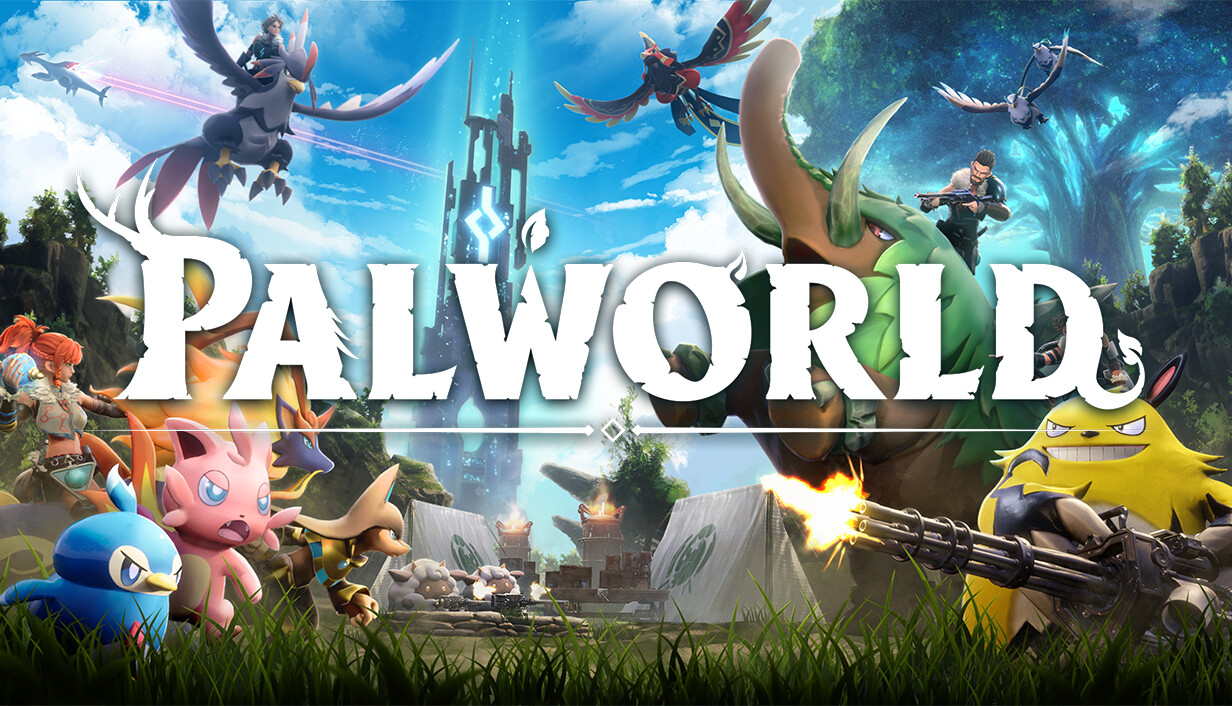
Nintendo’s patent lawsuit against Palworld isn’t falling apart—it’s getting surgically dismantled by Pocketpair’s updates. The September 2024 case targeted specific game mechanics like creature-capture systems and rideable traversal. Pocketpair’s response? They simply changed those exact mechanics. It’s like being sued for using someone’s recipe, then switching ingredients while the case proceeds.
Strategic Updates Neutralize Patent Claims
Pocketpair replaced contested mechanics with different systems entirely.
Palworld’s November update swapped Pal-sphere summoning for static summon mechanics. May’s version ditched direct gliding for glider-based traversal. These aren’t minor tweaks—they’re the core systems Nintendo’s patents allegedly protect. According to patent analysis reporting, Nintendo may no longer have grounds for injunctive relief against the current game version. You can’t stop someone from using tech they’re no longer actually using.
Low Stakes, High Strategy
Combined financial exposure totals roughly pocket change for both companies.
Nintendo seeks ¥5 million in damages, while The Pokémon Company wants another ¥5 million. The real battle involves patent validity challenges that could weaken Nintendo’s broader IP strategy. Pocketpair isn’t just defending against this lawsuit; they’re questioning whether Nintendo’s patents should exist at all. The Tokyo District Court hearing on October 1 will reveal whether this gambit worked.
Patent Wars Get Personal
This case demonstrates how agile development can outmaneuver traditional IP enforcement.
Pocketpair’s mechanical pivots showcase something Nintendo didn’t anticipate—developers who can code their way out of legal trouble faster than courts move. This isn’t just about creature-collecting games anymore. Every indie studio watching this case now understands they don’t have to lawyer up; they can simply patch up. The ongoing proceedings will test whether strategic updates can effectively neutralize patent claims in gaming disputes.