

惯性聚合 高效追踪和阅读你感兴趣的博客、新闻、科技资讯
阅读原文 在惯性聚合中打开

推荐订阅源

D
Darknet – Hacking Tools, Hacker News & Cyber Security
博客园_首页
T
The Blog of Author Tim Ferriss
罗磊的独立博客
The Register - Security
IT之家
IT之家
D
Docker
爱范儿
爱范儿
Apple Machine Learning Research
Hugging Face - Blog
Hugging Face - Blog
博客园 - Franky
L
LangChain Blog
J
Java Code Geeks
博客园 - 三生石上(FineUI控件)
cs.CV updates on arXiv.org
K
Kaspersky official blog
Latest news
Latest news
博客园 - 聂微东
酷 壳 – CoolShell
酷 壳 – CoolShell
Cyberwarzone
Cyberwarzone
人人都是产品经理
人人都是产品经理
C
CERT Recently Published Vulnerability Notes
The Hacker News
The Hacker News
T
Tailwind CSS Blog
S
SegmentFault 最新的问题
MongoDB | Blog
MongoDB | Blog
Scott Helme
Scott Helme
L
LINUX DO - 热门话题
Spread Privacy
Spread Privacy
cs.CL updates on arXiv.org
D
DataBreaches.Net
Project Zero
Project Zero
H
Hackread – Cybersecurity News, Data Breaches, AI and More
G
Google Developers Blog
freeCodeCamp Programming Tutorials: Python, JavaScript, Git & More
C
Check Point Blog
S
Schneier on Security
NISL@THU
NISL@THU
T
Tor Project blog
P
Proofpoint News Feed
N
News and Events Feed by Topic
Last Week in AI
Last Week in AI
N
Netflix TechBlog - Medium
OSCHINA 社区最新新闻
OSCHINA 社区最新新闻
U
Unit 42
C
Cybersecurity and Infrastructure Security Agency CISA
T
The Exploit Database - CXSecurity.com
L
LINUX DO - 最新话题
Help Net Security
Help Net Security
Blog — PlanetScale
Blog — PlanetScale

Vogue

The Best Celebrity Coachella Outfits of 2026 So Far: Olivia Rodrigo, SZA & More This Couple’s Wedding Combined New Orleans and Indian Traditions—and Included Multiple Brass Band Parades On the Podcast: Jean Smart on the Bittersweet End of ‘Hacks‘ Required Reading: Five Books That Shaped the Way Mikaela Dery Thought About Fashion Writing There’s Never Been a Bigger Year for High-Low Collabs Who Was the Real Emily From ‘The Devil Wears Prada’? 9-5: Lauren Rubinski of Rubirosa’s Doesn’t Dress to Please Anyone But Herself 16 Bridal Swim Looks to See You From the Bachelorette to the Honeymoon The Best Airbnb Villas From Around the World Offer Your Most Luxe Vacation Yet Rihanna Clashes Animal Prints How Only Rihanna Can Everything Meghan Markle Wore on Her Australia Visit With Prince Harry ‘It’s a Proud Moment’: Stella McCartney on Returning to Collaborate With H&M, 20 Years Later Coachella’s Big Brand Renaissance Setting Up Shop in Madrid YoungArts Gala Returned to the Metropolitan Museum of Art to Uplift the Artists of Today and Tomorrow 17 Nude Nail Designs That Prove Less Really Is More 8 Best Cuticle Oils for Stronger, Healthier Nails Walking Pads Are the Fitness Shortcut Busy People Actually Need Here’s What Friday’s New Moon in Aries Means for Every Star Sign The 8 Best Hotels in Miami, From South Beach to Brickell Filmmaker Julia Loktev on Her Jaw-Dropping Documentary About Russian Journalists on the Edge of Exile How to Style the Gorpcore Sneaker for Everyday ‘Titanique’ Star Marla Mindelle on the Show’s Improbable Voyage to Broadway Justin Bieber’s Skylrk Sales Hit $15 Million, Smashing Coachella Merch Records 40+ Chic Matching Sets for Women to Wear This Spring 6 Genius Hair Hacks That Changed How I Care for My Hair Capri Pants Are Here to Stay—8 Chic Ways to Wear Them in 2026 Did I Fever-Dream The Upcoming Martha Stewart Biopic Starring Cate Blanchett? In ‘Mother Mary,’ the Pop Star-Worthy Costumes Tell a Deeper Story Tory Burch, DVF, and Fabiola Beracasa Beckman Celebrated Newly-Minted Author Emma Grede A Rare Interview With Nobel-Winning Author Han Kang The Bride and Groom Held Two African Ceremonies—And a Sunny Sunday Wedding—In the Arizona Desert ‘The White Lotus’ Season 4 Will Take Place at Cannes Film Festival—and Be Filmed at These Glamorous Hotels Kaia Gerber Masters the Art of Looking Undone Jennifer Lawrence Gives Last Summer’s Hottest Shoe a Round Two The Future’s Bright! Inside the Annual FIT Gala The Screening of Brunello: A Gracious Visionary Might Just Be Manhattan’s Most Glamorous Movie Night Ever In a Lonely Place: Adrien Brody Brings ‘The Fear of 13’ to Broadway From Flau'jae Johnson to Azzi Fudd, See All the Red Carpet Looks From the 2026 WNBA Draft 9 Foods With More Protein Than Steak Future Seattle Storm Rookie Flau’jae Johnson on Soft Glam, Confidence, and Staying Present Azzi Fudd Is On Top of the World at the 2026 WNBA Draft My Search for an Acne-Safe Tinted SPF 50 Is Over Rhode Island May Be the Smallest State, But Its Real Housewives Franchise Is My Biggest Obsession Get to Know the Danish Brands Competing for Scandinavia’s Biggest Fashion Prize The 96 Best Looks From the New York Bridal Fashion Week Spring 2027 Collections ‘Euphoria’ Season 3: 68 Thoughts I Had About Episode 1 LVMH’s Fashion Sales Drop 2% in Q1 For Michaela Coel, Two Press Tours Calls for Double the Fashion The Key Spring 2026 Handbag Trends to Shop Now Love a Minimalist Mani? Try the ‘Cloudy’ French The 8 Best Foods High in Vitamin D, According to the Pros After a Life-Changing Diagnosis, a Visit to Kyoto’s Fertility Shrine Brought Me Hope A Sneak Peek Inside “Costume Art” at the Metropolitan Museum of Art This Elegantly Reimagined Hotel in Cartagena Is South America’s Most Stylish New Stay How One Artist Is Supporting Displaced Lebanese Children With Art Workshops The Minimalist ’90s Midi Is the Only Dress to Invest in This Summer 17 Best Luxury Luggage Brands on the Market Is Being an Older, Single Mother the New Ideal? Dolce & Gabbana Taps Stefano Cantino as co-CEO Luxury’s First-Quarter Earnings Cheat Sheet Meghan Markle Is All-in on This Divisive Shade for Spring One Small Habit That Can Help Reduce Stress Cortisol ‘Diversity in Characters, Diversity in Wardrobe’: How Colman Domingo Set Himself a Fashion Challenge for ‘SNL’ PinkPantheress on Bringing ‘Cinematic Club’ Style to Coachella How Slayyyter Made Her Own Coachella Debut Performance Outfit Batsheva’s First-Ever Bridal Collection Brings Ruffles, Bows, and Swiss Dots to the Aisle A Longtime Belieber’s Review of Justin Bieber’s Coachella Set Kendall and Kylie Jenner Bring Opposite Sister Style to Coachella 2026 From the Archives: Paradise in Provence—Inside Janet de Botton’s Legendary Garden Estate Hailey Bieber Clocks a Winning Vintage Color Combo at Coachella 2026 Ask Earl With Laurel Pantin: How to Style Primary Colors for Spring These ’90s Ankle Jeans Are About to Be Everywhere The 5 Maxi Dress Trends That Will Shape Summer 2026 7 Airbnbs in Charleston That Are Perfect for Group Trips 17 Unmissable Releases Coming to Cannes 2026 Should You Be Sleeping Like an Astronaut? Inside the Best Parties of Coachella 2026 Inside the Most Star-Studded Party of Coachella at the Guess Compound Jaafar Jackson on What It Took to Portray His Uncle, the King of Pop, in “Michael” Come One, Come All! Inside Tanner Fletcher’s Wedding Fair at New York Bridal Fashion Week A Closer Look at Sabrina Carpenter’s Custom 2026 Coachella Looks Audrey Hepburn’s Fractured Childhood, in Six Touching Images Shop Spring’s Statement Belts–With Inspiration from Top Stylists 79 Thoughts I Had While Watching 'You, Me & Tuscany' A Guide to the Best Travel Makeup Brush Sets The CFDA Celebrated Springtime in Los Angeles 9 Best Sunscreens Under Makeup That Never Pill Nicole Kidman’s Fluffy Curtain Bangs Are Universally Flattering For All How to Style the Runway-Approved Sneakerina for Spring Taylor Swift Takes Carolyn Bessette-Kennedy-Core for a Test Drive Anyma and Lisa on Creativity, Technology, and Collaborating on “Bad Angel” Eli Wants You, Too, to Believe in the Power of Pop All of the Devil Wears Prada 2 Premiere and Press Tour Fashions So Far The Vogue Business People Moves Tracker The Vogue Business Funding Tracker What to Wear to Coachella? Pull Out Your Favorite Band Tee Like Our Street Stylers The Vogue Business TikTok Trend Tracker 18 Travel Outfits for Women Inspired by Celebs in 2026 | Vogue The 41 Best Outdoor Dining Spots in New York City, According to Vogue Staffers
In Megan O’Grady’s Magnificent New Book ‘How It Feels to Be Alive,’ a Treatise on the Art of Looking
Robert Sulli · 2026-04-24 · via Vogue

The world at large likes to tell us what art is and should be and, often, how it ought to be executed.

In 1508, Pope Julius was telling Michelangelo to paint the Sistine Chapel in Rome when all Michelangelo wanted to do was sculpt. More recently, Mayor Giuliani, famously upset by a Chris Ofili painting in 1999, deployed that classic anti-art critique. “If I can do it,” Giuliani said back then, “it’s not art, because I’m not much of an artist, and I could figure out how to put this [painting] together.”

I most recently heard that line at Dia:Beacon, in the vicinity of a Robert Ryman painting—abstract white pieces that were, up until that moment, quietly leading me through questions about landscapes and emotions. “I mean, I could do that,” the person next to me said, and I remember being mortified, for fear that the paintings might have overheard.

I also remember feeling sad, a sadness related to all the societal pressures around artists and artwork—how it’s made, who the artist is or was, who gets to see and understand it. This particular sadness is addressed early on in Megan O’Grady’s How It Feels to Be Alive, a beautiful book that traces O’Grady’s own life with art and artists—from her first visits as a child to the Nelson-Atkins Museum of Art in Kansas City, Missouri, not far from her childhood Kansas home; to her work profiling contemporary artists for magazines; to her life in Boulder, where she is a professor of art and art history at the University of Colorado.
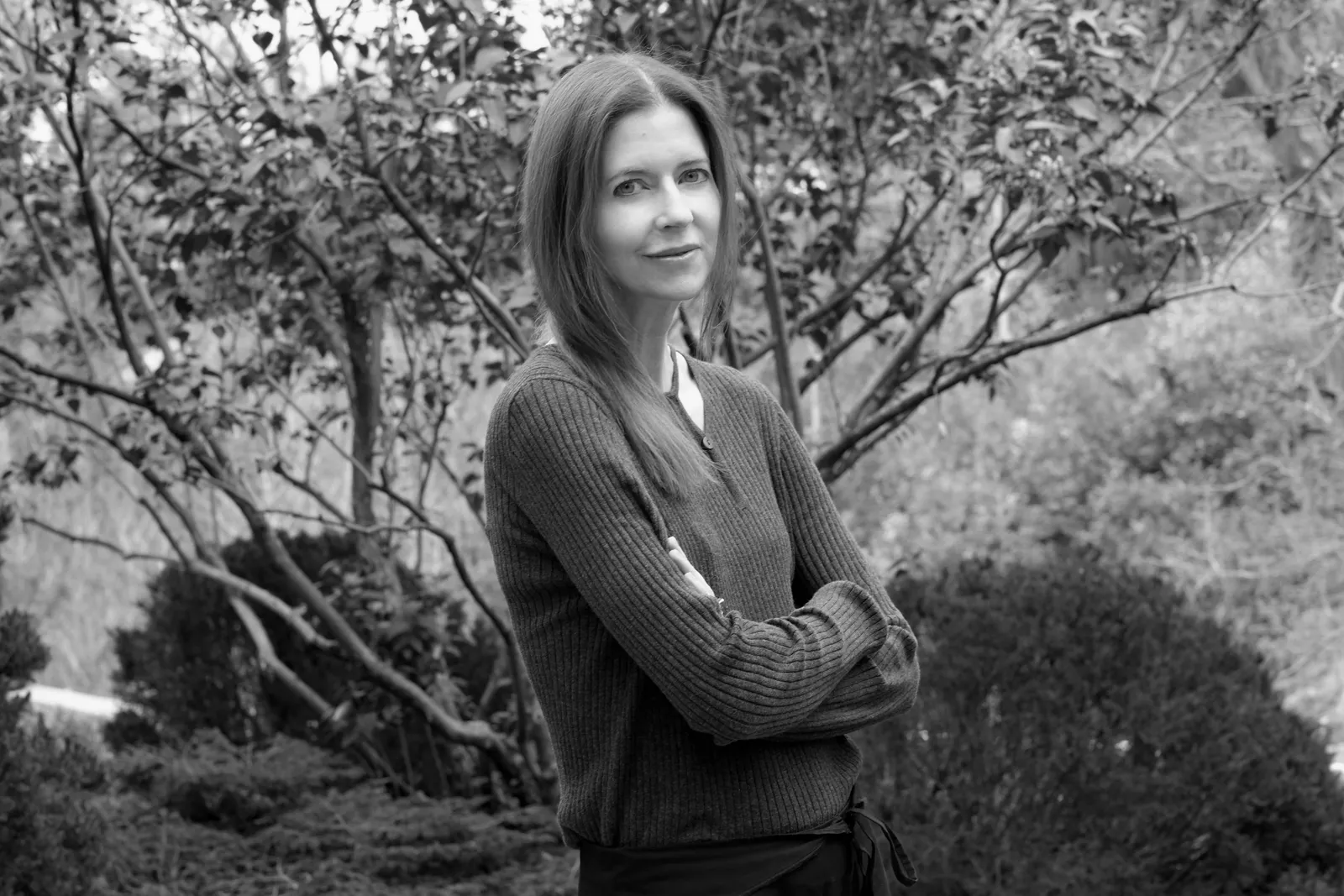
Image may contain Clothing Knitwear Sweater Face Head Person Photography Portrait Adult Happy Smile and Plant

Photo: Thorsten Trimpop

Early on, O’Grady tells a story that starkly sets the stakes for deeply considering the places that art—or the creations we call artwork—can take us if we allow it, or if, for example, we use that very human tool called empathy.

“Whenever I see a review of a novel or exhibition that claims the work isn’t relevant or relatable,” O’Grady writes, “I think of the couple who used to live next door to my parents in California. They told me that they had been reading The Hours, Michael Cunningham’s novel, for their book club, but ‘couldn’t relate’ to the characters: men and women, most of them queer, all of them contending with feelings of alienation or impending mortality. It did not feel relevant to their lives. It was too ‘niche’ and ‘about subcultures.’ A year later the wife succumbed to breast cancer and the husband hanged himself in their kitchen. Finding something relatable or relevant is subjective, sure, but the ability to recognize ourselves in each other, and the burst of compassion we feel when we do, is what makes us human.”

How It Feels to Be Alive looks at five artworks from five different artists, putting them in the context of when they were made and (to some extent) where the artists lived, but also putting them in the context of O’Grady’s own life. Friendship, by Agnes Martin, is the first painting we meet, a six-foot grid of gold leaf that feels like a portal. Martin suggested that a viewer approach it “as you would cross an empty beach to look at the ocean.”

“That sounds about right to me,” writes O’Grady. “Ten or twelve paces away, the effect is one of infinitude, of having traveled a great distance to reach the edge of the shore. The world goes on, and we’re suspended within it.”
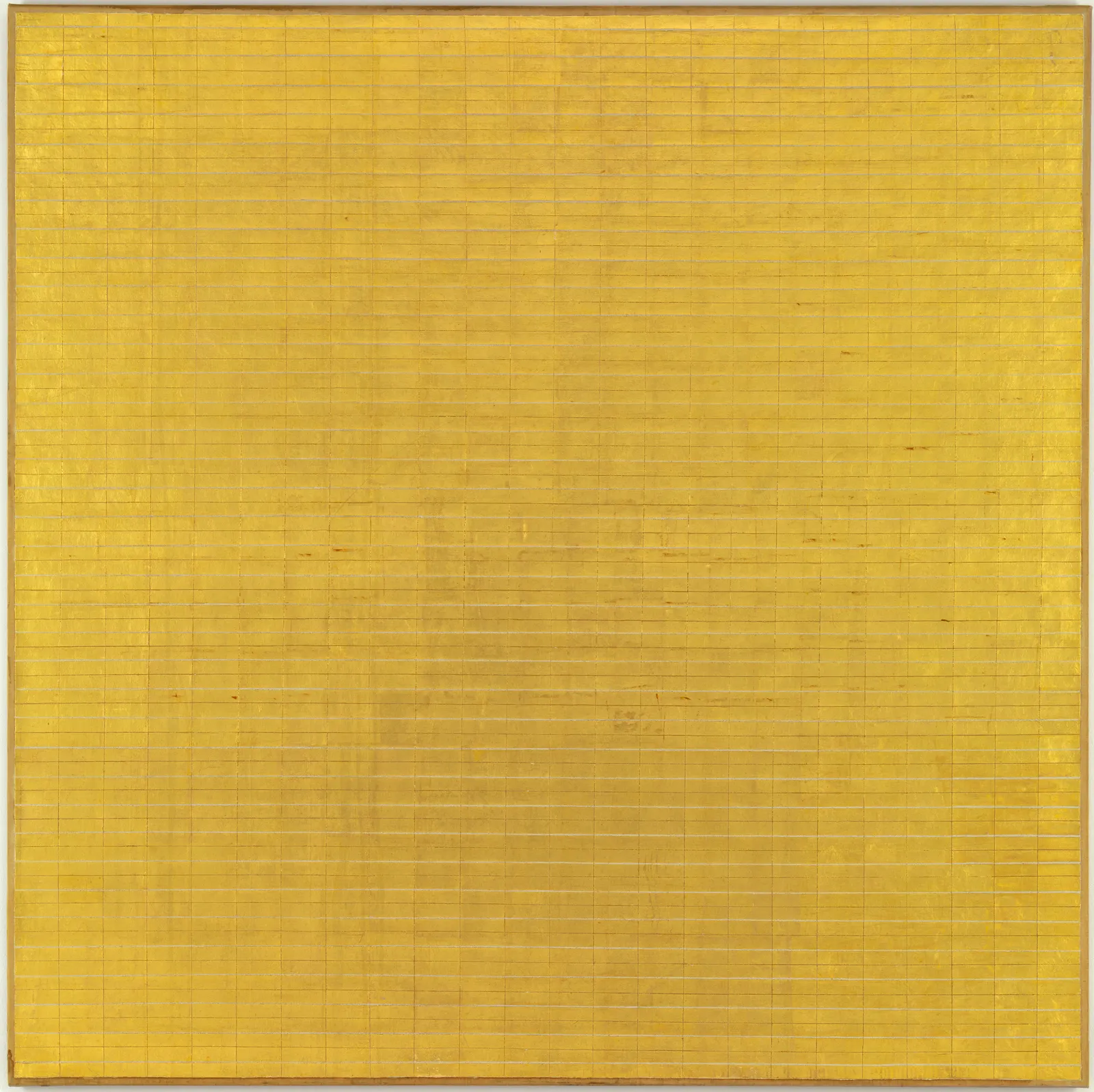
Image may contain Home Decor Linen and Texture

Friendship, 1963. Gold leaf and gesso on canvas, 6' 3" x 6' 3" (190.5 x 190.5 cm). Gift of Celeste and Armand P. Bartos.Digital Image © The Museum of M

O’Grady met Friendship in her late 20s, at a time when an important partnership “didn’t abate my loneliness but worsened it.” O’Grady follows Martin’s road to the grid paintings while remembering her own encounters with Martin’s work, first in college in Houston and then in New York, where she worked for Vogue. Martin craved solitude and yet, like most humans, needed friends—“a hand across the dark rivers of self-doubt and anxiety,” as O'Grady puts it.

That warp and weft between companionship and isolation offers us a meditation on the way friendships are fashioned, and O’Grady shows us how Martin—who was born in the flatness of Saskatchewan and, as an adult, famously lived, monk-like, on a rift in the Colorado Plateau—was inspired and moved by her relationship with Lenora Tawney, the textile artist who gifted White Flower, Martin’s first full-scale grid painting, to the Guggenheim. That gift was a monumental career boost for Martin, and Martin’s letter of gratitude to Tawney is itself a sketch of the edges, a drawing of only the borders of a field of happiness, so as not to lessen gratitude with a deadening definition:

I am not going to be able to tell you anything really. You have made this day the turning point in my life. It means an enormous opportunity for me. Now I can take my time and really get to work. The whole scene is changed. There is no way to grasp the size of it. There is no way for me to get hold of it all. I do not think you will be able to imagine even a small part of the enormous changes in my position….

O’Grady examines the borders of her own relationships—with people as well as cities—and Martin’s work gives her space to breathe: “a retroactive reprieve.” She continues: “We live between so many lines and parameters, social, ethical, and professional. When the rules we live by no longer serve, when we refuse to—or find it no longer possible to—snap to grid, what is left?”
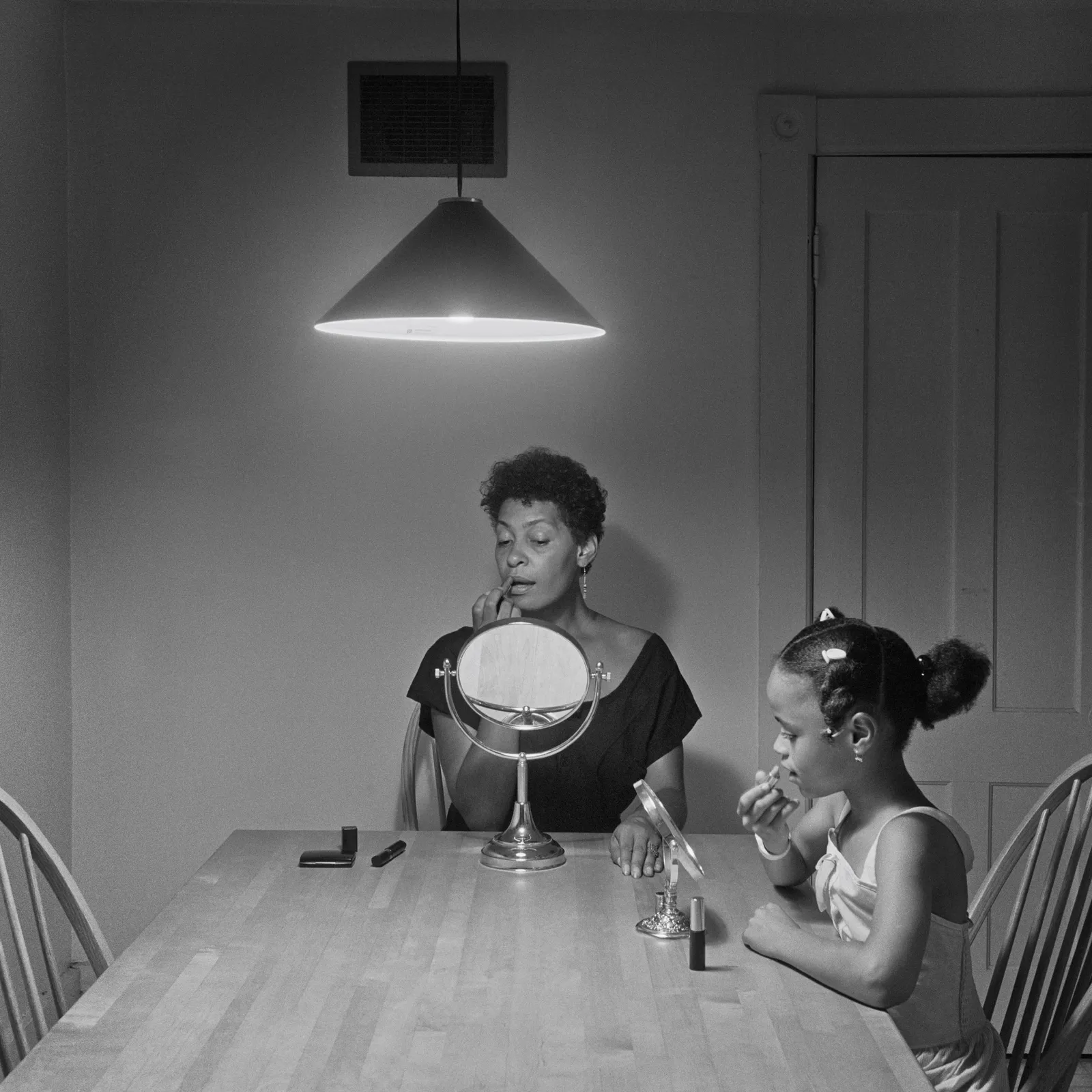
Image may contain Carrie Mae Weems Adult Person Child Lamp Architecture Building Dining Room and Dining Table

It’s the thoughtful and careful writing that makes the book work so wonderfully, together with the editorial choices. It’s a curated tour through one life, with its disasters and joys, complications and clarities, all set alongside the wonders of paintings and performances that add perspective to the aforementioned disasters and joys and et ceteras. In exploring Carrie Mae Weems’s Kitchen Table Series and the self-portraits and portraits of the French 19th-century painter Berthe Morisot, O’Grady considers her own relationship with her daughter. Remembering her interactions with Barbara Kruger—O’Grady explores Kruger’s Untitled (Your Body is a Battleground) in the book and previously profiled her for the New York Times—she writes: “We call art making a practice because it is exactly that, a practice—a trying out of feelings and mediums that will never be fully mastered. All we have, as Kruger told me, is our best attempts.”
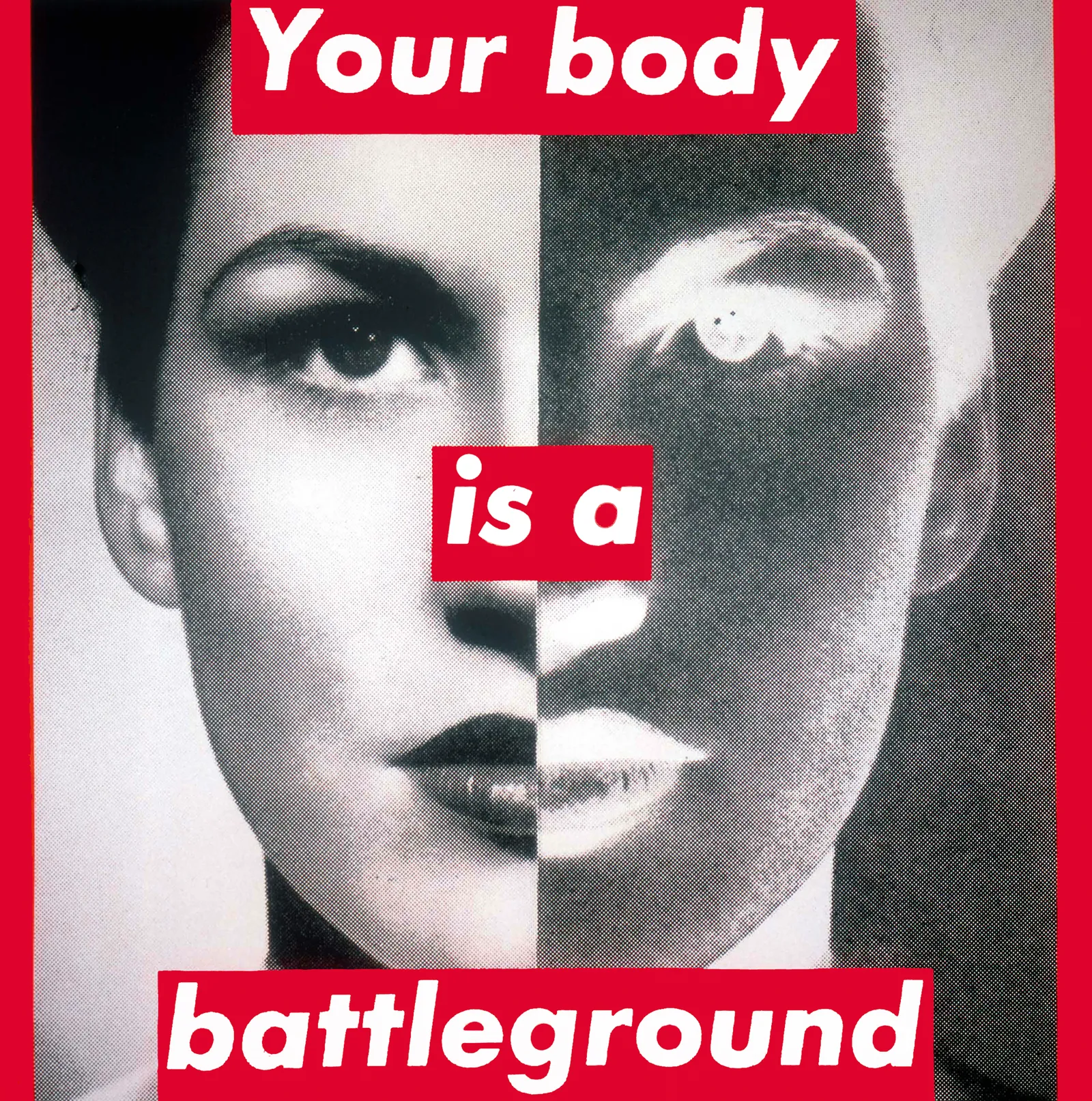
Image may contain Claudia Kolb Head Person Advertisement Face Poster and Adult

The late (and very great) Pope.L—perhaps best known for his “crawl” performances, which saw him crawling on hands and knees through cities and towns—is featured in a chapter that looks at the performance artist’s Flint Water Project, which Pope.L himself called “an art installation, a performance, and an intervention.” The chapter meditates on the meaning of home.

Just before COVID, O’Grady and her husband and daughter lost their Chicago apartment when the roof caught on fire. (Pope.L, she writes, “once said to me that when metaphors create themselves, that’s when you know you’re in for it.”) Flint Water Project shows us the ways that cities across the country are sorted by race and class—the great American apartheid that’s still mostly unspoken. But Pope.L shows us the ways we might move forward; the way we sense our bodies in safety, in danger, in all ways—a poignant proprioception that is exactly related to the safety and danger of others. “I have come to believe in a way home that doesn’t point backward, one that art can help us see,” O’Grady writes.

How It Feels to Be Alive ends at what feels like the end of the world, in a chapter centered on the large-scale sculptures of Beverly Pepper. And yet, as it closes, O’Grady’s book reminds us, as she writes from a Colorado of wildfires, that the world is simultaneously ending and beginning all the time. On a trip to Chaco Canyon, in northwestern New Mexico’s San Juan basin, she ponders the Chacoan civilization that engineered a multi-story urban settlement, that grew and stored food, that managed limited water supplies in an arid climate—the kind of place that a contemporary US community would struggle to keep air conditioned today. (In 2026, the ruins of Chaco Canyon are threatened by fracking.)

While visiting, she learned about the alignment of stone slabs that brings the light of the summer solstice onto a single petroglyph. It’s a mystery what, precisely, that signal said, or if it relates to why the people of Chaco Canyon left. It’s a mystery that artists working in large and small scales can help us scrutinize. What’s not a mystery is what one of O’Grady’s students said to her in an elevator after class not too long ago, which I’ve been thinking of since I read about their encounter: “Thank God for art, right?”
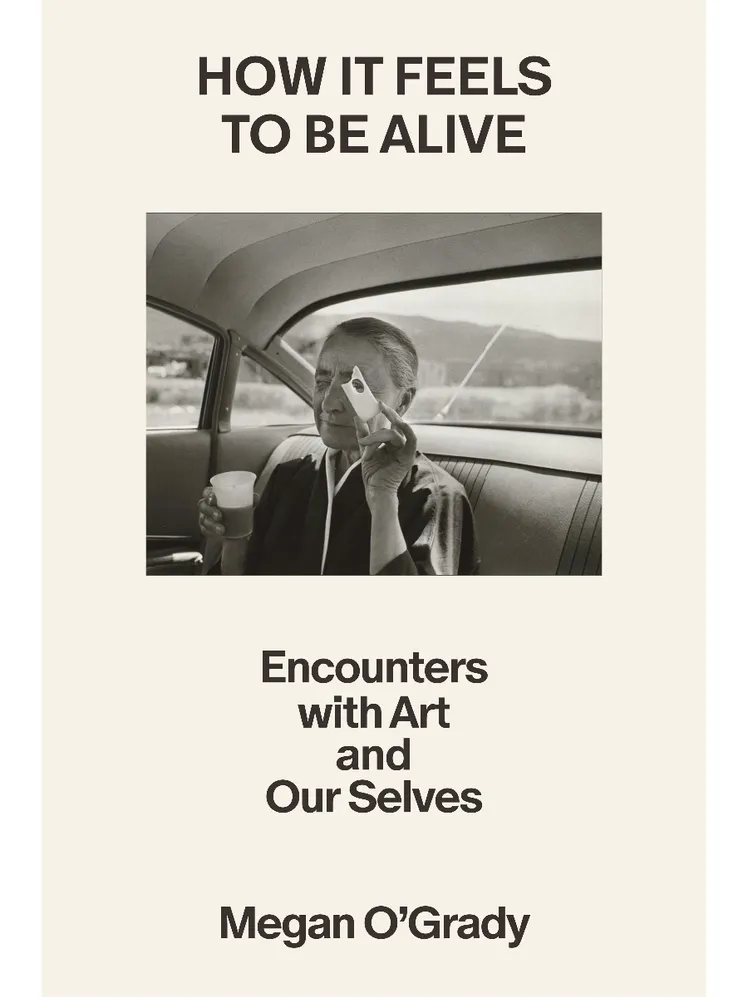
Image may contain: Margarete Haagen, Photography, Advertisement, Poster, Face, Head, Person, Portrait, Adult, and Electronics

How It Feels to Be Alive: Encounters with Art and Our Selves