









Photo: Death To Stock
When Catherine Spence was raising her neurodivergent son, shopping was a “fundamentally uncomfortable” experience. “It’s often too noisy, too bright, and too cluttered,” she says. “We wouldn’t go shopping for fun; we would just grab what we could and hope for the best.”
Spence leads an incubator program at Oxford University Innovation (OUI) that helps current and former students set up and scale their businesses. Given her personal experience, she was particularly intrigued when Neurohaus came across her desk, promising to help brands design neuro-inclusive retail experiences and workplaces. Spence is not alone here: Versace, Pandora, and Goodwill are among early adopters.
Neurohaus was co-founded in 2023 by husband and wife Olly and Amelia Markeson. A former brand strategist, CEO Olly was diagnosed with ADHD and dyslexia as an adult, when he returned to university. Amelia was diagnosed with ADHD and autism shortly after, and the pair’s attempts to navigate life through the lens of neurodivergence revealed just how needed Neurohaus was.
“We make very conscious decisions every day about the kind of shops we would go into and the ones we would avoid, so we started to recognize the implications of neurodiversity on consumer behavior,” says Olly. “A huge proportion of consumers are neurodivergent — roughly 20% — but most brands overlook them. It’s a missed opportunity.”
For luxury fashion, courting neurodivergent shoppers and staff could have tremendous upsides. Conservative estimates suggest that people with some form of neurodivergence — an umbrella term that can include ADHD, autism, dyslexia, dyspraxia, and other ways in which human brains can be wired differently — are twice as likely to work in creative industries. Where 20% of the general population are neurodivergent, some 35% of entrepreneurs are dyslexic, and 68% of the world’s highest earners — a prime pool of VICs — are entrepreneurs. Other communities that orbit luxury fashion brands like Versace also tend to overindex neurodivergent, says Olly.
Capturing those customers is a new and quickly evolving art. Here, Neurohaus shares best practices from early adopters.
Inclusion can’t be selective
In recent years, many non-fashion brands have attempted to make their retail spaces more neuro-inclusive, but these “well-meaning” efforts can easily fall foul of tokenism and othering, says Olly.
He points to the adoption of sensory kits, which include noise‑reducing headphones, fidget tools, and calming aids, and were designed to help neurodivergent shoppers navigate overstimulating and overwhelming retail environments. “In order to get the sensory kit, you have to go into the busy store, stand in line, and tell the cashier you are neurodivergent. On the few occasions I have tried this, I felt so othered that I came close to tears,” he says. “Why would you not just address the physical space, so it isn’t overwhelming in the first place?”
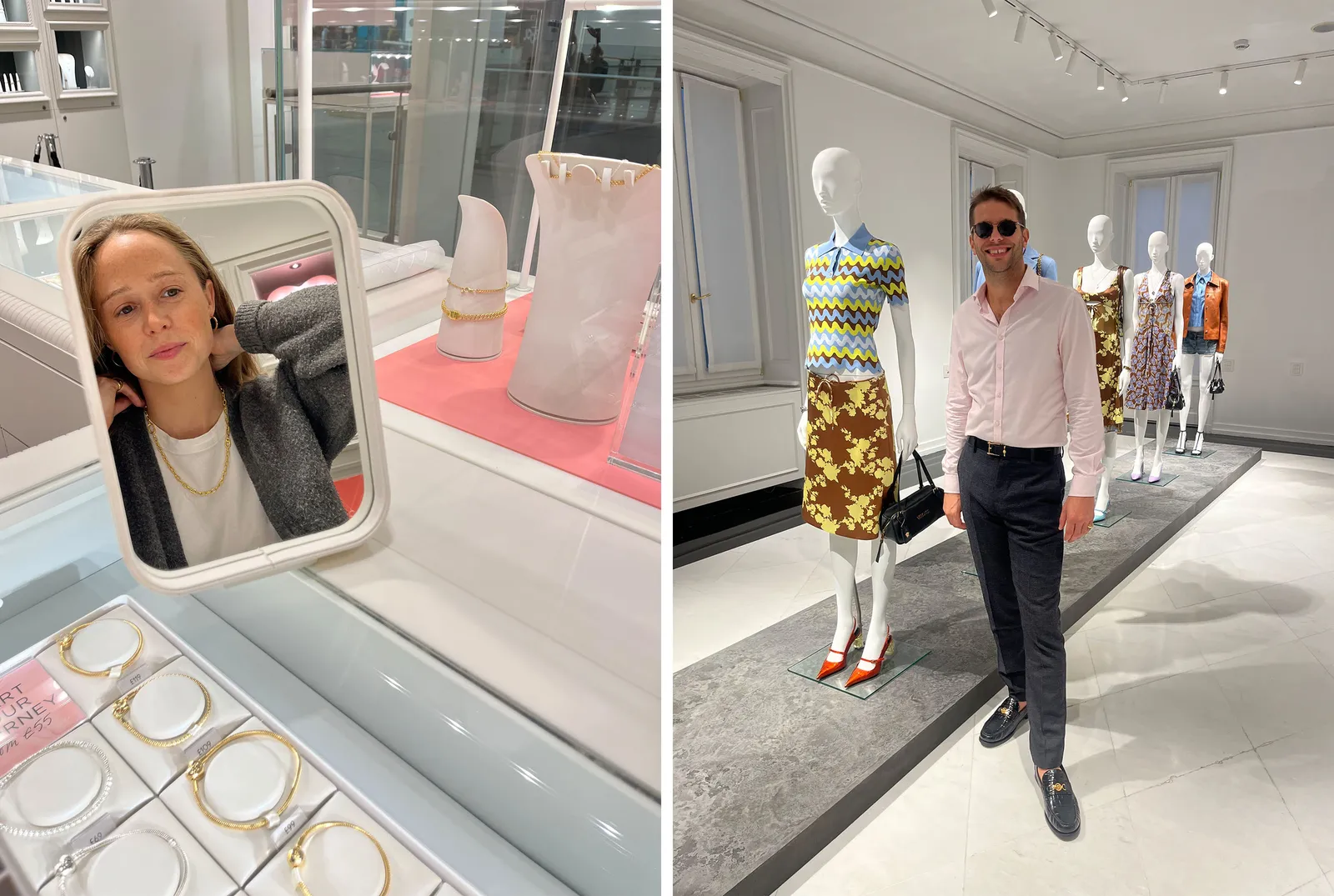
Neurohaus co-founders Amelia and Olly Markeson doing shop-along trials in Pandora (left) and Versace (right). This is a key way for brands to understand the shopping experience from the perspective of neurodivergent consumers, and identify pain points.Photos: Neurohaus
Band-aid solutions like this only serve a small percentage of neurodivergent shoppers with acute challenges, he says, many of whom will already have their own devices and coping mechanisms. It also fails to account for neurodivergent retail staff, who also tend to overindex neurodivergent, according to Neurohaus, but can’t wear headphones throughout their shifts. “If this is the only thing you change, you risk putting all neurodivergent shoppers into the same bucket,” says Olly. “There are plenty of people who would just like things to be less sensorially overwhelming.”
The same applies to quiet hours, which many major supermarkets, shopping centers, and brands have adopted to cater to neurodivergent, elderly, and anxious shoppers. During limited time frames, lights are dimmed, music is turned down or off, and in-store announcements are reduced. “The whole idea of inclusion is that you include people all the time,” says Olly. “Why can neurodivergent shoppers only shop between 8am and 9am on weekends, or between 3pm and 4pm on Wednesdays, excluding school holidays?”
Neuro-inclusive design benefits everyone
Rather than overly simplistic fixes, Neurohaus advocates for companies to engage members of the neurodivergent community, ask challenging questions that truly stress test potential solutions, and adapt environments rather than putting the onus on neurodivergent people to mitigate the challenges. “You don’t know if someone walking into your store is neurodivergent,” says Olly. “Sometimes, they don’t even know it themselves. So this isn’t about saying, ‘Hey, neurodivergent person, this is for you.’ It’s about designing your store experience in a way that is better for everybody.”
Neurohaus has a pool of around 600 neurodivergent shoppers in Oxford, where the company is based, which helps shape the strategies it recommends to brands. They respond to surveys, take part in focus groups, and conduct shop-along trials, both online and in-person. Many of the changes Neurohaus has recommended as a result benefit all shoppers, not just those with neurodivergence. One autistic respondent shopping online expressed frustration at not being able to see the specific weave of a cotton garment, because she experienced sensory sensitivity, and knew the type of weave that felt best on her skin. The solution is offering more information in product descriptions, and zoomed-in product shots that allow shoppers to get a sense of the texture. “That was a fascinating insight that could easily be overlooked if you didn’t sit down with autistic shoppers,” says Olly. “But it could also benefit other shoppers for different reasons.”
When Olly and Amelia started working with Versace, they visited several stores to identify the pain points for neurodivergent shoppers and staff. In one, the menswear department was in an adjoining room to the main space, and there was a sofa in-between, facing outward. Olly sat down to take stock of the space. Another shopper entered, saw Olly staring in his direction, and left, looking uncomfortable. “The simple solution is to turn the sofa around,” says Olly. “Sometimes, it doesn’t need to be rocket science, it’s just being conscious of the flow and how it forces people to interact with each other.”
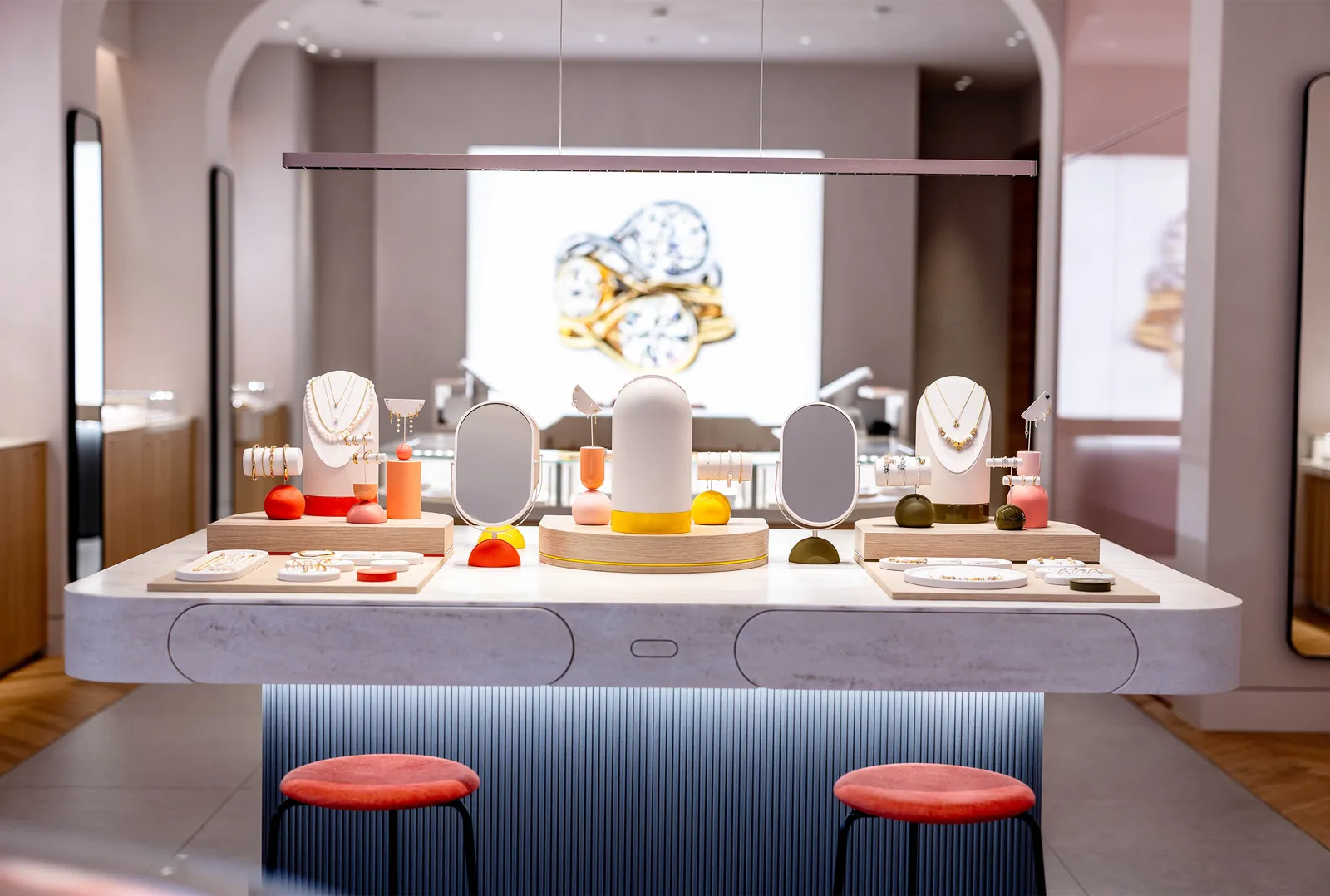
Pandora is road-testing new store layouts which put more jewelry out on display, allowing shoppers to touch and try on without having to ask for permission from sales associates.Photo: Pandora
The traditional store experience can be alienating, continues Olly. Sales associates often make direct eye contact with shoppers, trail them around the store, look them up and down, and give indirect answers to simple questions about price or fit. Each of these behaviors are trigger points that can make shoppers feel uncomfortable and stop them from spending money. On the other hand, many of the changes are inexpensive, have wide-reaching benefits, and are being adopted by other brands whether they realise it is neuro-inclusive or not. At Vogue Business Fashion Futures in September, Coach president of North America Leigh Manheim shared the results of a Gen Z consumer survey, which revealed that some Gen Z shoppers dislike direct eye contact. As a result, Coach now trains store associates to use phones to display products while conversing, making interactions more comfortable.
“A lot of neurodivergent behaviors are being adopted more broadly, especially among people whose central nervous system is totally shot as a result of having smartphones blaring in their face,” says Olly. “We see the neurodivergent shopper as a key insight into the central nervous system, and how you can design shopping experiences for that. When I was a brand strategist, we used to look at extreme customers to pull extreme insights, and this is a similar approach. Essentially, why wouldn’t you design for the people who are the most sensitive sensorially, who have the most challenges processing information?”
Of course, conventional retail was designed that way for a reason. Certain brands have intentionally designed retail spaces to trigger sensory overload, as it can increase the likelihood of impulse purchases. “This is smart but sinister,” says Olly. “We seek to invert similar principles to positive effect. Where they overwhelm the senses to trigger a purchase and to minimize consideration time, we seek to calm the central nervous system to enable dwell time and happy purchases.” This could also have a positive effect on sustainability, reducing overconsumption and return rates, while increasing customer satisfaction. “Ultimately, both approaches design for the senses. It’s a similar mixing board, with a very different DJ.”
Balancing triggers with glimmers
In the world of neuro-inclusion, there are triggers and glimmers. In the context of fashion retail, Neurohaus defines triggers as points of overwhelm within experiences, which may result from friction points in a customer journey, jarring sensory moments, or unpredictable service interactions. Glimmers, on the other hand, are moments that are notably positive, which may result from pleasing sensory moments, or meaningful interactions with staff where your needs are met and you feel seen.
Some triggers are unavoidable in retail spaces, but the trick is to use glimmers to offset and minimize them, says Richard Moore, SVP of store creative and design for Pandora. Despite working in store design for over 30 years — and being dyslexic — Moore says he didn’t consider it through a neurodiversity lens until he began working with Neurohaus. Now, he sees this as “uncharted territory” and “a huge opportunity”.
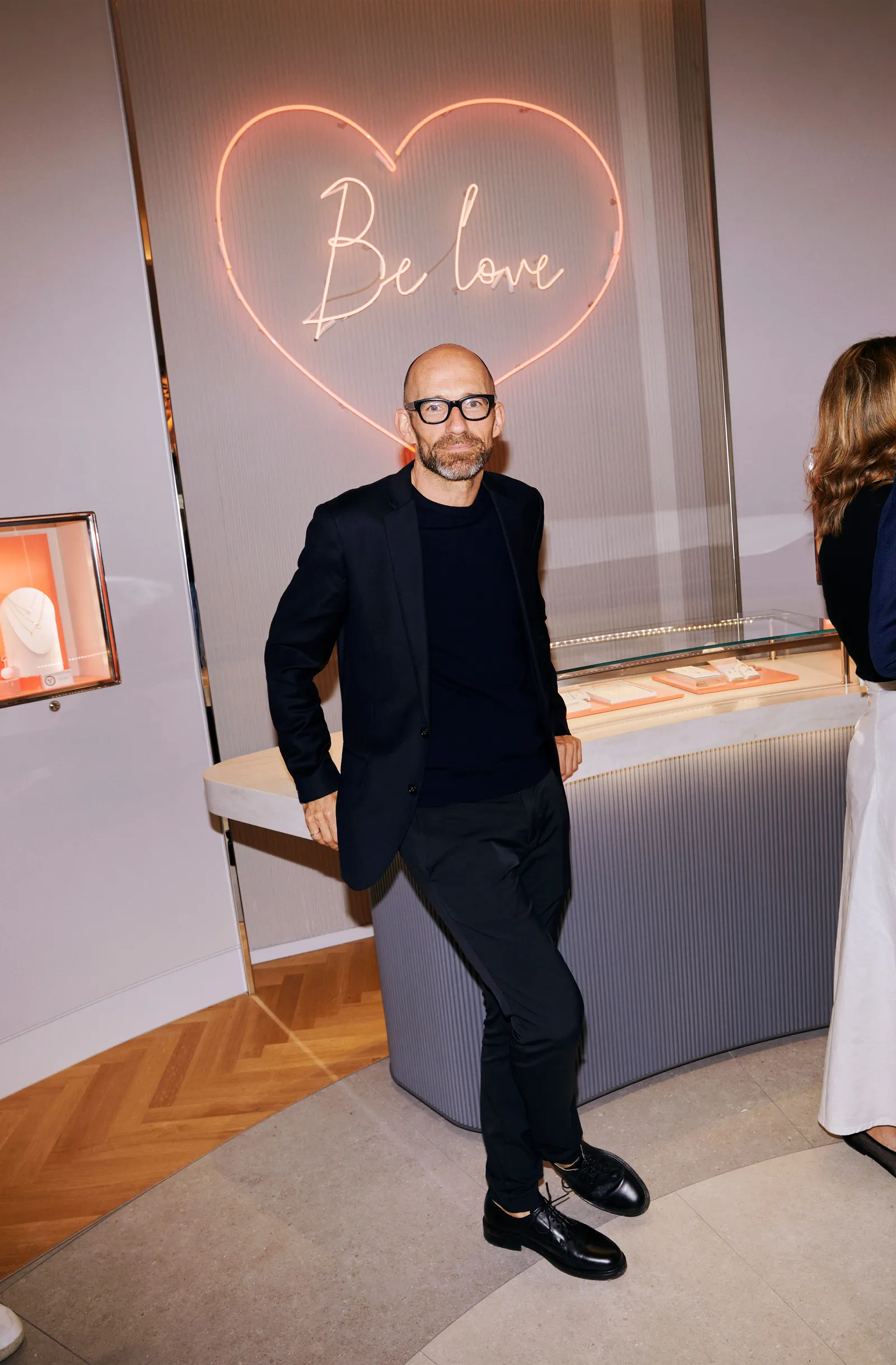
Richard Moore, SVP of store creative and design for Pandora, has been working with Neurohaus to update the jewelry brand’s store concepts.Photo: Pandora
Before Pandora, Moore worked for a high-end jewelry brand. Jewelry retail, he says, is particularly wrought with triggers, largely because high-value products are kept under lock and key, and shoppers are only allowed to touch and try them on under strict supervision. But Pandora is finding new ways to circumvent this “permission-based’ experience, he says. The brand is rolling out a new concept that allows customers to shop side by side, rather than over the counter. Its Copenhagen flagship is also road-testing jewelry displays for neurodivergent customers to touch and feel. The potential security risks are worth the pay-off of making people feel more comfortable, says Moore. “There are solutions and ways to tether the jewelry — ways to make it look more engaging.”
Sometimes, triggers are unavoidable, he continues, but the trick is to balance them out with what Neurohaus calls glimmers — ways to soften or minimize triggers, making them easier to deal with, and therefore less of a barrier to purchase. Right now, for example, Pandora’s road-testing includes a fresh approach to window displays, which challenges the misconception that all screens and video content are a no-go for neuroinclusivity. “Historically, our windows have been quite long displays with lots of products. What we have learned is that neurodivergent customers struggle to process the breadth of options, and they need a more succinct, curated display. So we’ve redesigned our window fixtures and brought in digital screens with engaging content that draws customers in. We tried showing campaign imagery that was fast-moving and flashing, but that was too loud and disruptive. Now, we’re going with softer and warmer content, which draws people in by focusing more on the product story.”
There are lots of misconceptions about what makes a neuro-inclusive retail space, continues Moore, pointing to sound as a key example. “Neurohaus helped us to understand that stores can be loud if the sound is high quality. If it’s a weird playlist and the sound is scratchy or the speaker is distracting, then it can be a trigger, but if you play good-quality music with a good beat and it makes sense in the context, it can be a glimmer.”
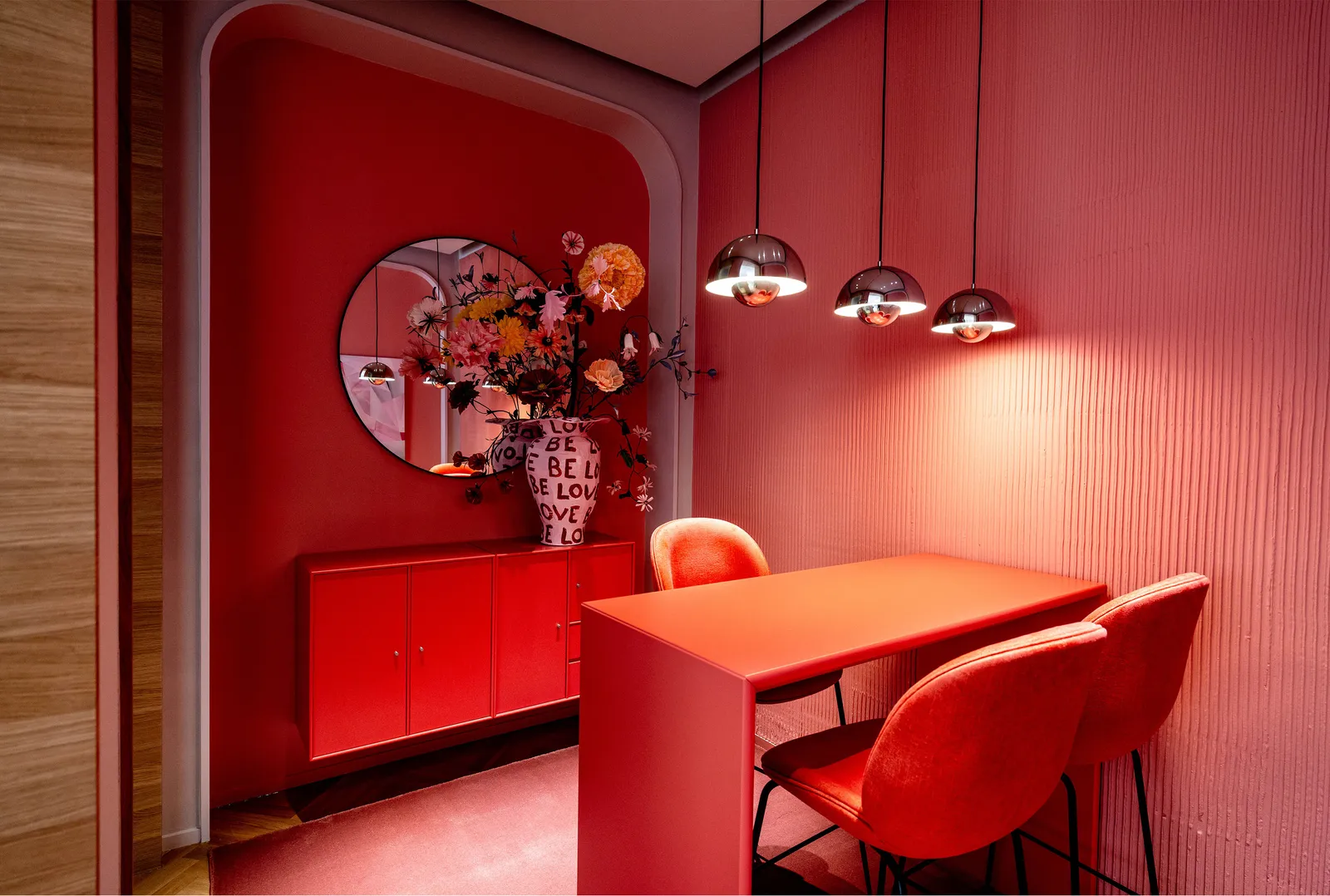
Among the changes Pandora has made are lower lighting and more quiet spaces to try on jewelry.Photo: Pandora
Often, it’s a simple case of thinking through the experience and making small tweaks that improve clarity and comfort. Queuing is a great example, says Olly. “Some of the earliest and most advanced adoption of neuroinclusive behavior is in theme parks,” he explains, noting that Neurohaus has been supporting Pandora with its Disneyland stores in California and Paris. At Disneyland, for example, neurodivergent visitors have the option to join a virtual queue instead of a physical one, which can be overwhelming and overstimulating. “This is fair to the other people queuing, but it also addresses neurodivergent visitors’ needs.”
Luxury brands often have queues outside their stores, neatly siphoned off by a velvet rope and manned by security guards, offering a “natural advantage” in neuro-inclusive design by dint of lower footfall, says Olly. But mass-market brands struggle on this front, unable to avoid huge swathes of shoppers. For Pandora, it’s not a question of whether or not customers should queue to enter the store, but how that queue is managed. “There are lots of things we can do to help people understand their order in the queue, how quickly it will move, and generally make that a better experience,” says Moore.
As the field of neuro-inclusive design evolves, Neurohaus is keen to scale its impact. The company worked with five global brands in its first two years of operation, with a combined total of 10,000 stores, 190,000 employees and hundreds of millions of customers. But the ultimate aim is a total industry overhaul. “Now that we’ve established the rigor, we want to scale our impact,” says Olly. “This shouldn’t be about posting on Instagram during Neurodiversity Awareness Week, or neuro-washing a creative brief to include an autistic person. It’s about meaningful, deeply embedded change that takes place over a long period of time.”
Correction: Catherine Spence leads an incubator program at Oxford University Innovation, not OUI as previously reported. (April 16, 2026)
