


Over the last months, I've witnessed firsthand the transformation of my team from a basic operation provider to an internal service provider.
In many organizations, systems operations teams are often segmented into specialized units such as DBA, backend operations, networking, etc. While this specialization ensures deep expertise and support to teams in complex situations. It also leads to inefficiencies as it focuses on the reactiveness to the needs of the teams & company and not a proactive approach towards the same long-term needs due to the lack of common vision. It also has the drawback that enforces the dev vs ops culture and not a DevOps culture that has shown over and over again the positive effect on quality and speed of delivery of stream-aligned teams.
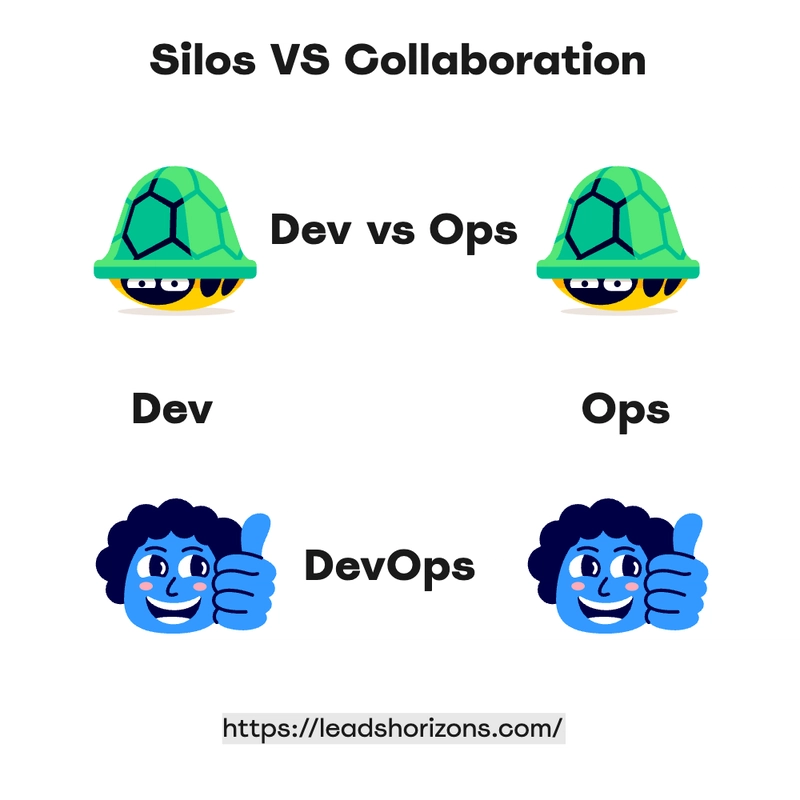
’DevOps’ or ‘Dev vs Ops’
Traditionally, Dev and Ops teams have operated in silos, each with their own distinct goals and priorities.
Focus Priorities Dev Culture Development teams are primarily focused on creating new features, writing code, and ensuring the software meets user requirements. Speed and innovation Ops Culture Operations teams are responsible for maintaining the stability, security, and performance of the software in production environments. Reliability and uptime
This separation can lead to several challenges:
Communication Barriers: Lack of communication between Dev and Ops can result in misunderstandings and delays. Developers may not fully understand the operational constraints, while Ops may struggle with the rapid pace of development.
Conflicting Goals: Developers prioritize speed and innovation, while Ops prioritize stability and reliability. These conflicting goals can create friction and hinder collaboration.
Inefficiencies: Siloed teams often duplicate efforts and use different tools, leading to inefficiencies and wasted resources.
The DevOps Solution
The goal of DevOps is to create a culture of ownership to stream aligned teams to do development and operations, breaking down traditional silos and fostering a more integrated approach to software delivery. While the existing operations teams become a provider of abstractions that simplifies that work, reducing the cognitive load of operating the system.
This brings the next benefits:
Enhanced Collaboration: Breaking down silos fosters a culture of collaboration, enabling teams to work together more effectively and share knowledge.
Improved Efficiency: Streamlined workflows and standardized tools reduce redundancy and improve operational efficiency.
Greater Innovation: A unified approach allows teams to quickly adapt to new technologies and methodologies, driving innovation and continuous improvement.
Customer-Centric Approach: By aligning development and operations goals, teams can better understand and meet the needs of end-users, resulting in higher customer satisfaction.
The Birth of the Platform Team
A platform team acts as a service provider for all internal stream-aligned teams, offering essential tools, infrastructure, and support to streamline their work and enhance productivity. We could start enumerating systems and solutions that a platform team can own. But the reality is that would be the same as creating a product without doing any research on your clients.
To truly drive value within an organization, a platform team must deeply understand and address the needs of stream-aligned teams. These teams are directly responsible for delivering products and services to customers, and their success hinges on the support and resources provided by the platform team. Here’s how a platform team can effectively drive value by focusing on the needs of stream-aligned teams:
Active Engagement and Communication: work collaboratively with stream-aligned teams to develop solutions that address their specific pain points, fostering a sense of shared responsibility and mutual support.
Continuous Improvement and Innovation: Implement iterative development practices to continuously refine and improve tools and services.
Metrics and Performance Tracking: Establish key performance indicators (KPIs) to measure the effectiveness of the platform team’s support and use data-driven approaches to make informed decisions about resource allocation and process improvements.
Empowerment and Autonomy: Develop self-service platforms that empower stream-aligned teams to manage their own resources and workflows, and provide comprehensive training and support to ensure proficiency in using the tools and services offered by the platform team.
The key benefits this strategy tries to achieve are:
Efficiency: By centralizing infrastructure management, tooling, and support, the platform team reduces redundancy and improves operational efficiency. Stream-aligned teams can focus on delivering value to customers without worrying about underlying infrastructure.
Consistency: Standardized tools and processes ensure consistency across the organization, making it easier to manage and scale applications.
Reliability: A dedicated platform team ensures that the infrastructure is reliable and secure, minimizing downtime and enhancing the overall stability of applications.
Closing thoughts
By fostering a culture of ownership and collaboration, and by providing abstractions that simplify operations, the platform team can significantly reduce the cognitive load on stream-aligned teams. This transformation brings enhanced collaboration, improved efficiency, greater innovation, and a customer-centric approach, ultimately driving the success of the organization.
As we continue to evolve, the key to driving value lies in deeply understanding and addressing the needs of stream-aligned teams. Through active engagement, continuous improvement, metrics tracking, and empowerment, the platform team can ensure that stream-aligned teams are equipped to deliver exceptional products and services to our customers. This strategy not only centralizes infrastructure management and standardizes tools but also ensures reliability and consistency across the organization, paving the way for sustained growth and success.