


This is a submission for the Google Cloud NEXT Writing Challenge
If you’ve followed any of my recent talks or articles, you might know I spend a lot of time talking about how tech shifts from "cool demo" to "daily driver." After watching the Google Cloud Next ‘26 Developer Keynote, it’s clear we’ve hit that inflection point with AI agents.
As Sundar Pichai (CEO, Google) said "the conversation has shifted from how do we build an agent, to how do we manage thousands of them?". Gemini Enterprise is now available for "every employee, for every workflow", ensuring that not just devs get access, but everyone does.
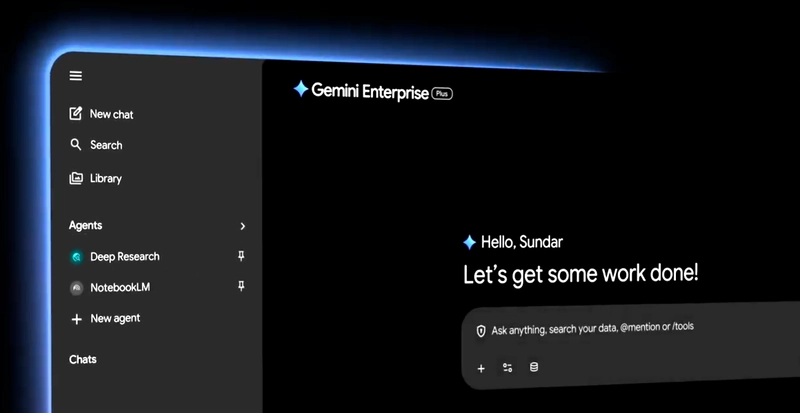
The New Gemini Enterprise Agent Platform is the "environment where your business logic, your data, and your models converge to drive autonomous action" as outlined by Thomas Kurian (CEO, Google Cloud). We’ve recently been using the new Gemini Enterprise Agent Platform at work, and it’s fundamentally shifting how we think about the "developer" role. It’s no longer just about writing the code, it’s about understanding the reasoning. Why are you building?
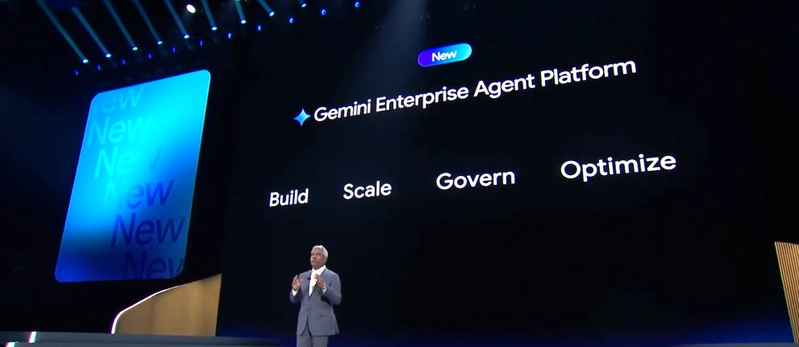
From Code-First to Agent-First
The big takeaway for me is the move toward autonomous orchestration. Google showed off this massive marathon planning simulation (classic Vegas backdrop), but the tech behind it is what matters.
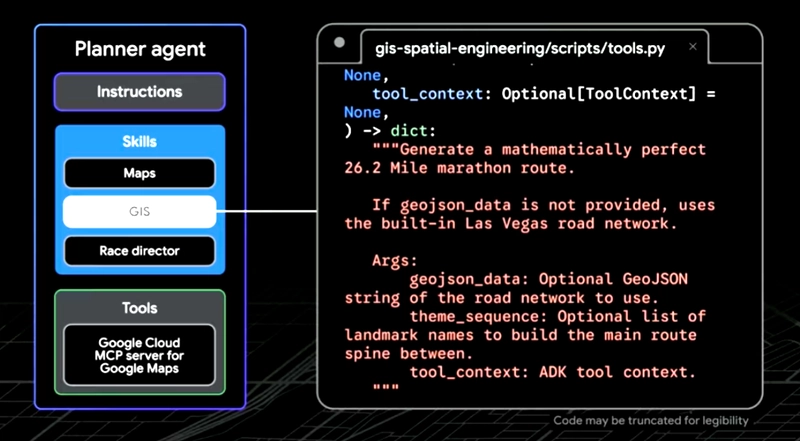
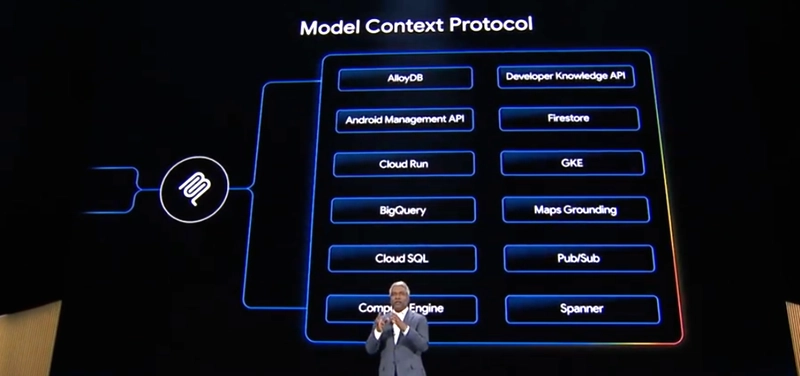
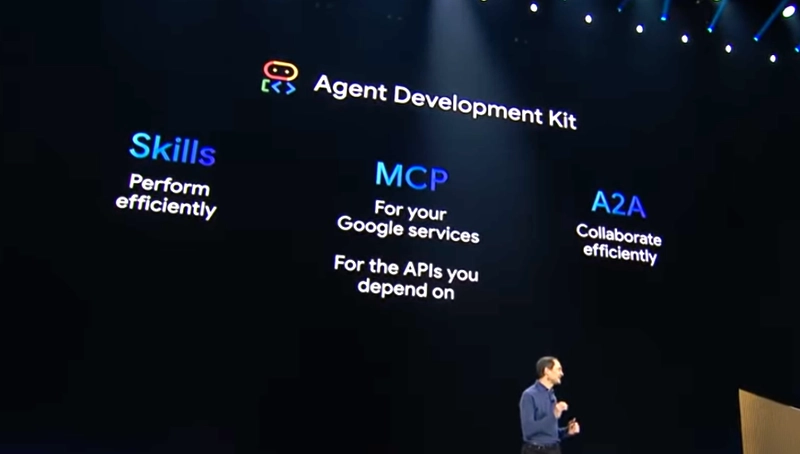
They introduced the Agent Development Kit (ADK) and the Model Context Protocol (MCP). This is a big deal. MCP basically means every Google Cloud service is now "agent-aware" by default. As a developer, having these models—including the pro and flash versions of Gemini—available to use through a standardised protocol makes the platform updates feel cohesive rather than just a list of new APIs.
Veo 3.1: The Visual Creative Powerhouse
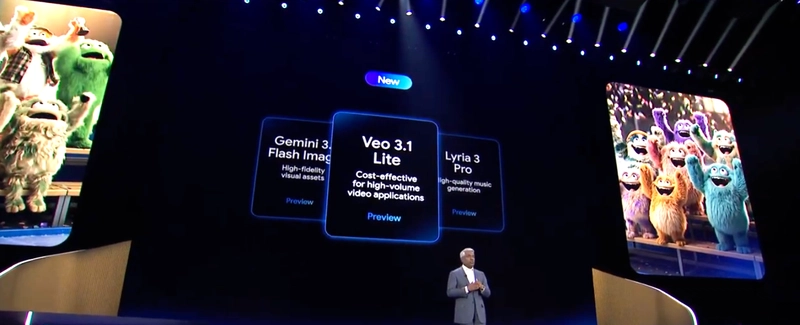
On the more creative side of the house, I am absolutely stoked for the new Veo 3.1 model. We’ve seen video generation improve, but 3.1 is taking it to a level of cinematic consistency that’s usable for production. Whether you’re looking at it from a marketing perspective or just as a dev wanting to incorporate high-fidelity visual assets into an app, having this model in the mix is a game-changer. It's also supposedly the most cost-effective video model from Google.
Vibe Clouding? Maybe not. Real Tools? Absolutely.
There was a bit of "vibe clouding" talk in the keynote (shoutout to Bobby Allen for trying to make that a thing), but the utility is where I’m focused. Allen talks about how we saw the simulation as "a marathon, but you can use [the] analogy for any software". He talks about how we can build "exciting things faster than ever before", and agents are designed to so we can focus on outcomes by utilising "agents that work with you to take action within the guardrails you set. Not just answer questions." This is what Allen says is the vision Google is focusing on.
Things like Agent Identity and the Agent Gateway are the "adulting" version of AI. It’s one thing to have a bot that can write a script, but it’s another to have a system where an agent has its own immutable identity and strict security policies. It means we can actually deploy these things in an enterprise environment without the security team having a collective heart attack.

Shifting perspectives
The perspective is shifting. We’re moving into an era where we build "teams" of agents—a planner, an evaluator, a simulator—that work together.
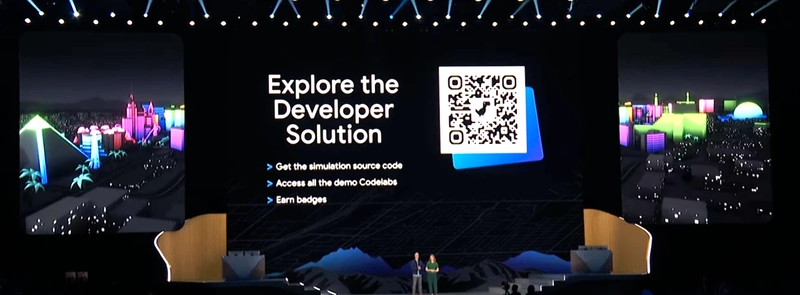
For those of us on the ground, the most interesting part is how accessible this is becoming. Google even open-sourced the code for their keynote demo, so you can go and poke around the repo yourself.
In the keynote, Kurian said the question now is "how do you move AI into production across the whole enterprise?". Whilst it is great to see so many people utilising AI, it's always important to remember that can't just throw technology at a problem. Don't just think "we need to be an AI company" and throw AI at your business. Think about the problem you are wanting to solve, the experience you are creating for your customers and users. Once you know what you want to solve, decide whether the solution or product needs AI. Generative AI is non-deterministic and therefore isn't always the answer for everything.
Yes, it's an exciting time to be building. If you want to dive deeper into the technical side, I highly recommend checking out the full developer keynote. The era of the autonomous cloud isn’t coming, it’s here! And it’s powered by the tools we’re already using every day.
Are you ready to manage a team of agents, or are you sticking to traditional dev workflows for now? Drop your thoughts in the comments or hit me up on the usual socials.