





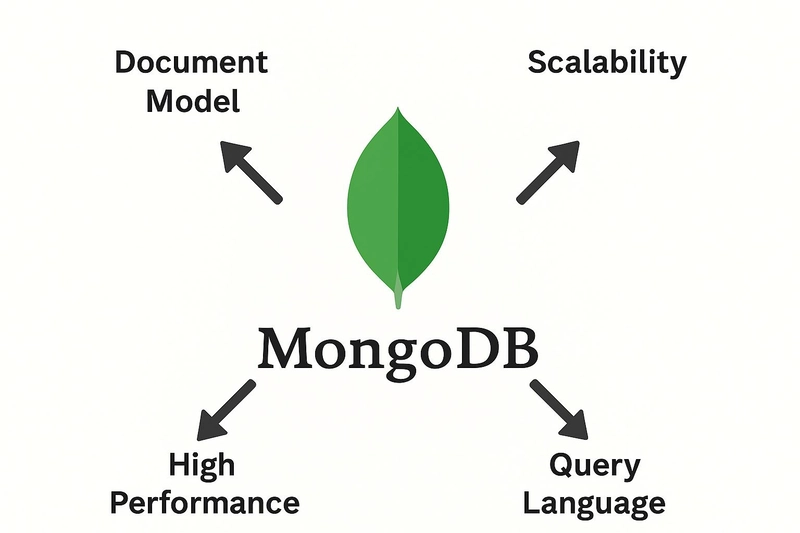
In today’s data driven world, data is at the core of almost every application. But managing large volumes of data efficiently is a crucial skill for developers. This is where NoSQL databases like MongoDB come into the picture. Unlike traditional relational databases, MongoDB stores data in flexible, JSON-like documents, making it highly scalable and easy to work with for modern applications.
This certification is especially useful for students, beginner developers, and for you're looking to level up your backend development skills, this is a great place to start. Even if you are new to MongoDB, with the right preparation strategy and consistent practice, clearing this exam is completely achievable.
In this blog, we’ll walk through a clear and practical approach to preparing for this certification. Whether you’re starting from scratch or already have some experience, this guide will help you understand what to focus on and how to prepare effectively.
Why it matters?
The MongoDB Associate Developer Certification acts as a validation of your understanding of MongoDB concepts such as data modelling, CRUD operations, indexing, and aggregation. It shows that you’re not just familiar with the theory, but also capable of working with the database in practical scenarios.
Another key advantage is that certified professionals tend to stand out during hiring processes, as certifications provide a standardized way for companies to evaluate technical skills. Many Hiring managers say certifications are a key factor in hiring. If you're ready to move from "learning" to "building," this is your first step.
Beyond job opportunities, preparing for this certification also helps you build a stronger foundation in backend development. The process itself improves your problem solving skills and gives you hands on experience that is useful far beyond the exam.
Preparation Plan
Preparing for this certification doesn’t require months of study. With a clear plan and consistent effort, you can cover all important topics in just four weeks.
Week 1: Basics + CRUD
- NoSQL vs SQL
- Documents, Collections, BSON
- Basic MongoDB architecture
- CRUD operations (insert, find, update, delete)
Focus heavily — most questions come from here
Week 2: Data Modeling + Indexing
- Embedded vs Referenced data
- Schema design basics
- Relationships
- Indexing concepts
- Types of indexes (single, compound)
Understand how to optimize data and queries
Week 3: Aggregation + Drivers
- Aggregation pipeline
- $match, $group, $sort
- Basic data processing
- MongoDB drivers (connection, CRUD via code, URI basics)
Important for real-world scenarios
Week 4: Revision + Practice
- Revise all topics
- Practice mixed questions
- Mock tests
- Focus on weak areas
clarity matters more than learning new topics.
Tips for the exam
While preparation is important, how you prepare makes all the difference.
Here are some practical tips:
- Don’t just read but also try to practice queries regularly
- Focus mainly on CRUD and Aggregation
- Use MongoDB Atlas community edition or for hands-on experience
- Revise concepts multiple times
- Use official documentation when stuck
- Practice scenario-based questions (very important)
Conclusion
The MongoDB Associate Developer Certification is more than just an exam, it’s a step towards becoming a better developer. It helps you build practical skills that are directly useful in real-world applications.
The key to clearing this exam is not studying everything at once, but staying consistent and focused on important topics. Even if you start from scratch, a well-structured plan and regular practice can make the process much easier.
Stay consistent, keep practicing, and trust your preparation, and you’ve got this.