
惯性聚合 高效追踪和阅读你感兴趣的博客、新闻、科技资讯
阅读原文 在惯性聚合中打开

推荐订阅源

B
Blog
D
Docker
J
Java Code Geeks
腾讯CDC
Blog — PlanetScale
Blog — PlanetScale
G
Google Developers Blog
M
MIT News - Artificial intelligence
L
LangChain Blog
T
The Blog of Author Tim Ferriss
P
Proofpoint News Feed
MyScale Blog
MyScale Blog
博客园 - Franky
GbyAI
GbyAI
Hugging Face - Blog
Hugging Face - Blog
aimingoo的专栏
aimingoo的专栏
Last Week in AI
Last Week in AI
OSCHINA 社区最新新闻
OSCHINA 社区最新新闻
博客园 - 聂微东
N
Netflix TechBlog - Medium
B
Blog RSS Feed
Y
Y Combinator Blog
阮一峰的网络日志
阮一峰的网络日志
奇客Solidot–传递最新科技情报
奇客Solidot–传递最新科技情报
Google DeepMind News

9to5Mac

Apple permanently closing three US stores, here’s when [Updated] Apple Arcade just added 4 new ad-free games with these titles now available At least for now, Liquid Glass in Pixelmator Pro remains a Creator Studio exclusive Apple @ Work: How to add an existing Mac to Apple Business Manager without wiping it Hands-on: SkyDex turns your daily weather check into a Pokémon adventure App Store fight continues as Apple and Epic clash over court-ordered stay OpenAI says to update Mac apps including ChatGPT and Codex as security precaution Apple TV in-person ‘experience’ coming later this month in LA New iPhone Fold leaks cover ‘Ultra’ name, launch timing, more Report: Apple tops global smartphone market for first time in Q1 as overall shipments drop Car Keys in Apple Wallet coming soon to major new vehicle brand Apple previews AI, accessibility, and AirPods Pro 3 research for CHI 2026 April 10, 2026 – Apple Store closures, more VSCO report explores how photographers perceive, adopt, and actually use AI XChat, X’s standalone messaging app, launching soon with these features Apple TV has three shows with finales this week, here’s what’s ending iOS 26.4 adds setting to let you change new Liquid Glass effect Hands-on: Satechi’s 3-in-1 Qi2 charger brings 25W of power with a clean Apple aesthetic [Video] iOS 27 adding new ‘Siri’ app to Home Screen: Here are the rumored features Deals: All 15-inch M5 MacBook Air models $150 off, Series 11 $99 off, Nomad leather iPhone 17 cases, more Amazon launches ‘Prime Video Ultra’ with new features, higher price How the Mac changed the way I clear mental clutter YouTube Premium is getting a US price hike of up to $4/month Tribit StormBox Micro 3: My favorite travel speaker just got better and cheaper FBI used iPhone notification data to retrieve deleted Signal messages Adobe’s low-processing camera app expands support to select iPads and the iPhone 17e New Apple TV movie starring Keanu Reeves now available to stream Apple collector showcases 50 years of Mac startup sounds [Video] WhatsApp is bringing Status updates to the top of the Chats tab iOS 26’s Messages app got a big upgrade for an essential feature
Supreme Court considering legality of smartphone location...
Ben Lovejoy · 2026-04-29 · via 9to5Mac
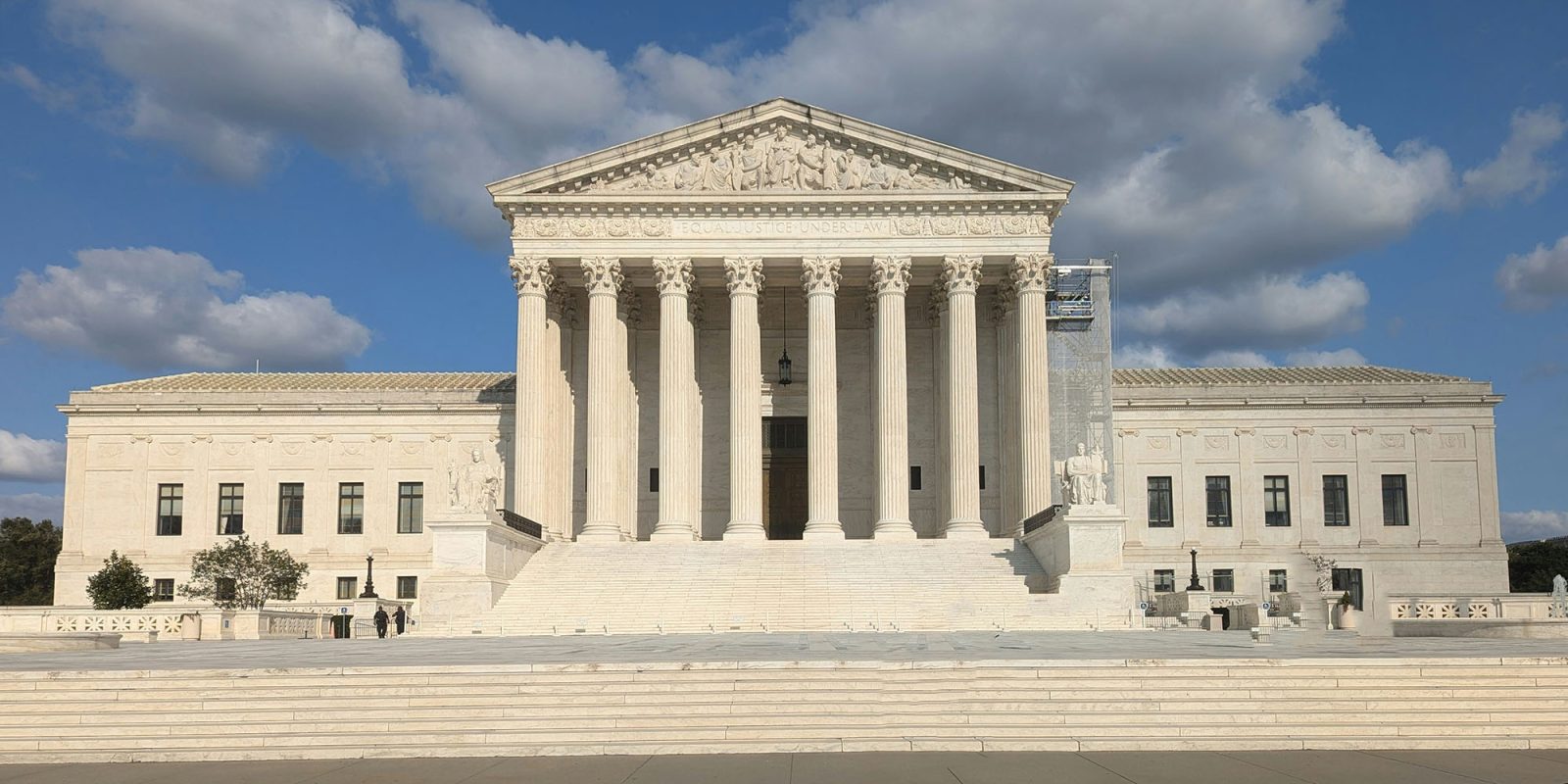
Supreme Court (pictured) considering legality of smartphone location 'dragnets'

The US Supreme Court is hearing arguments about the legality of so-called geofence warrants, sometimes also referred to as “digital dragnets” because they capture the location data of a great many innocent citizens in addition to criminal suspects.

In a practice raising obvious privacy concerns, tech giants are increasingly being asked by law enforcement to identify all of the smartphone users present at a particular location at the time a crime was committed …

CNET explains how geofence warrants work.

If there are no clear suspects for a crime, law enforcement can serve a warrant to a tech giant requesting location data. Police draw a circle on a map around a crime scene and specify a time window. The tech company (most frequently Google) searches its database for devices inside that “fence” during that time. The police can then ask the company for the specific account details — such as email addresses, phone numbers and usernames.

The arguments for and against

While police are supposed to have good reason to suspect those whose details they demand, this may in practice amount to nothing more than being in the general location during the time-frame during which a crime was committed. In one example given of a bank robbery, those deemed to be present at the location included people sitting in a church close to the bank.

The Department of Justice is arguing that smartphone location data should not be classified as “sensitive data” since it represents public movements that others could observe. Additionally, lawyers for the DOJ argue that anyone is free to turn off location services.

Privacy advocates argue that being able to spot someone you know at a location is very different to obtaining the identities of hundreds or even thousands of strangers, and that smartphone users may be relying on location services in Google Maps or Apple Maps to reach their destination. Lawyers opposing geofence warrants argue that they violate Fourth Amendment protections against illegal search.

What happens next?

There are three possibilities, two of which would in practice amount to the same thing.

First, the Supreme Court could rule that geofence warrants do indeed violate the Fourth Amendment, and are therefore illegal, at least in their current form.

Second, it could rule that they are legal.

Third, and possibly the most likely outcome, the court could simply decline to rule at all. This would effectively mean that the practice can continue, and so would be the equivalent of ruling them legal – though the latter outcome would at least leave room for new arguments on the same issue to be made at a later date.

What’s your view on the issue? Please share your thoughts in the comments.

Photo by Dave Vaill on Unsplash

Add 9to5Mac as a preferred source on Google Add 9to5Mac as a preferred source on Google

FTC: We use income earning auto affiliate links. More.
