






What happens when two seasoned software pros reminisce about the internet’s wild youth and relate about today’s tech? A little nostalgia is always on the menu when we’re talking about the evolution of web development, personal growth, and hard-earned lessons along the way.
Cosmin Iorgus, Nutrient’s web integrator and designer, entered the virtual studio with our CEO Jonathan Rhyne to share experiences that span everything from the dial-up days to the sleek mobile responsiveness we build and crave today. Also, it wouldn’t be a fully contemporary conversation without mentioning shiny new toys like AI and modern software tools. Grab your favorite mug and sip your way through episode two of our podcast, The Source Branch(opens in a new tab).
Cosmin’s journey from internet cafe to LLM-assisted web development
The episode kicks off with Cosmin’s compelling origin story. Picture this: a phone company sales representative who, in his spare time, starts building websites just for kicks. Fast forward, and that casual curiosity blossomed into a full-blown computer science odyssey.
Before he knew it, Cosmin was a whiz with CMS platforms like Joomla and WordPress. Freelancing laid the groundwork for his technical chops, but his stint at ORPALIS was basically his training montage for becoming a web integrator.
Cosmin recounts that pivotal “aha!” moment when he took on a website project for his brother’s company. What began with a logo design quickly spiraled into deeper, more complex web development challenges. These weren’t just hurdles; they were launchpads, forcing him to learn new technologies at warp speed and solidifying a determination that Jonathan Rhyne himself highlights as absolutely crucial for any software engineer worth their salt.

This whole segment of the episode is a masterclass in how perseverance and adaptability are basically your best friends for navigating the ever-shifting sands of web development, and ultimately how Cosmin landed a coveted spot at Nutrient.
Our two tech historians take a stroll down memory lane, reminiscing about the early days of the internet. We’re talking about building websites from the ground up, tackling challenges with basic templates, and the tried-and-true art of reverse engineering. Their experiences perfectly illustrate the sheer grit it took to understand the mysteries of backend components like CSS and data models, all while trying to create anything remotely optimized. It was like trying to build a spaceship with a screwdriver and a prayer.
Enter game-changing technologies like HTML, JavaScript, and yes, even the glorious (and sometimes maddening) quirks of Flash and Internet Explorer. Their insights remind us just how much web developers have had to be chameleons, constantly adapting to shifting landscapes. And this, dear reader, naturally sparks a conversation about the absolute necessity of staying agile, especially with the seismic shift toward mobile responsiveness and the ever-growing complexity of modern web projects.
Cosmin’s impressive professional transformation, from wrangling basic templates to taking the reins as a full-fledged web integrator, is inspiring for anyone working in tech. Managing a fleet of websites and implementing all the latest bells and whistles, Cosmin shares the wisdom gleaned from his career journey. His experiences at ORPALIS, where he first crossed paths with Jonathan, were clearly instrumental in sculpting his skillset. Their collaboration was forged in the fires of learning newer technologies and wrestling with ORPALIS’ formidable PDF parser and OCR engine capabilities.
For any budding web developer out there, it’s a shining reminder to embrace change, lean into the challenges, and constantly beef up your technical proficiencies. Because in this game, if you’re not learning, you’re probably stuck with dial-up.
Cosmin and Jonathan then move into the weeds of website redevelopment, including the monumental decision to migrate Nutrient’s existing setup from Webflow to Astro. While they give Webflow its props for being super user-friendly for smaller teams, Cosmin doesn’t shy away from discussing its limitations when you’re dealing with big teams and complex, multi-platform websites. The conversation illuminates the glorious challenges of content migration, the Herculean effort to ensure consistency across platforms, and the art of building scalable solutions that work for the long haul. It’s basically a tech version of moving house, but with more data and less pizza.
Astro, the chosen weapon in this migration saga, becomes a focal point, with both Cosmin and Jonathan raving about its flexibility and customization options. They attribute the success of this monumental migration to one key factor: meticulous planning. Seriously, they hammer home the importance of building a solid foundation before you even think about launching into ambitious changes. Consider this your professional pro tip, direct from the trenches, for any team staring down similar development challenges.
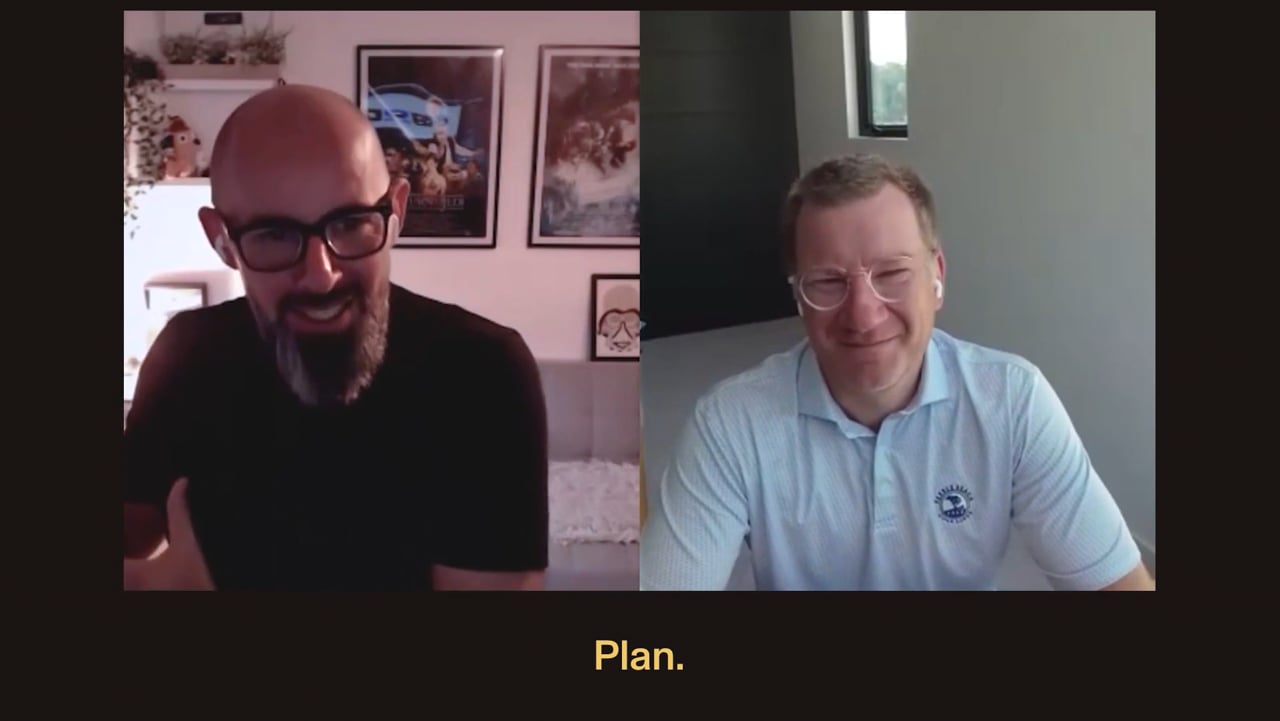
Another chapter in their discussion involves the team’s strategic deployment of artificial intelligence tools like Cursor and Windsurf to streamline their development workflows. They walk us through the unique hurdles of transitioning from flying solo to managing a whole squad of engineers. It’s a delicate dance, balancing direct technical contributions with the noble art of people management.
Cosmin Iorgus
Web Developer and Integrator
Of course, I had to Google what a web integrator is because I had no idea. And funny enough, it was actually what I was doing.
Nutrient
The project’s triumph, they reveal, boils down to super meticulous planning from day one. Cosmin, a true believer, sings the praises of collaborative retreats and the magic of remote teamwork, which basically allowed the engineers to strategize like a finely tuned orchestra. For anyone navigating similar transitions, you’ll get invaluable insights into the multifaceted demands of team management while deftly handling modern development methodologies. Imagine building the plane while flying it, but with AI helping you fasten your seatbelt.
Cosmin and Jonathan then delve into their experiences with Claude Code on recent projects — a tool they describe as nothing short of transformative for accelerating development. Cosmin recounts a jaw-dropping example where Claude Code slashed development timeline from days to mere hours.
But here’s the crucial caveat, delivered with the kind of wisdom only experience can provide: Both Cosmin and Jonathan emphatically stress that Claude Code (or any AI tool, for that matter) isn’t a replacement for human expertise. Effective use demands genuine industry knowledge, a deep understanding of the subject matter, and communication finesse. As they chat about the learning curves and the mastery gained over weeks of hands-on experimentation, their tone isn’t about fear; it’s an encouraging nudge. Developers should view tools like Claude Code as powerful supplementary aids — like a really smart copilot, rather than the entire flight crew.
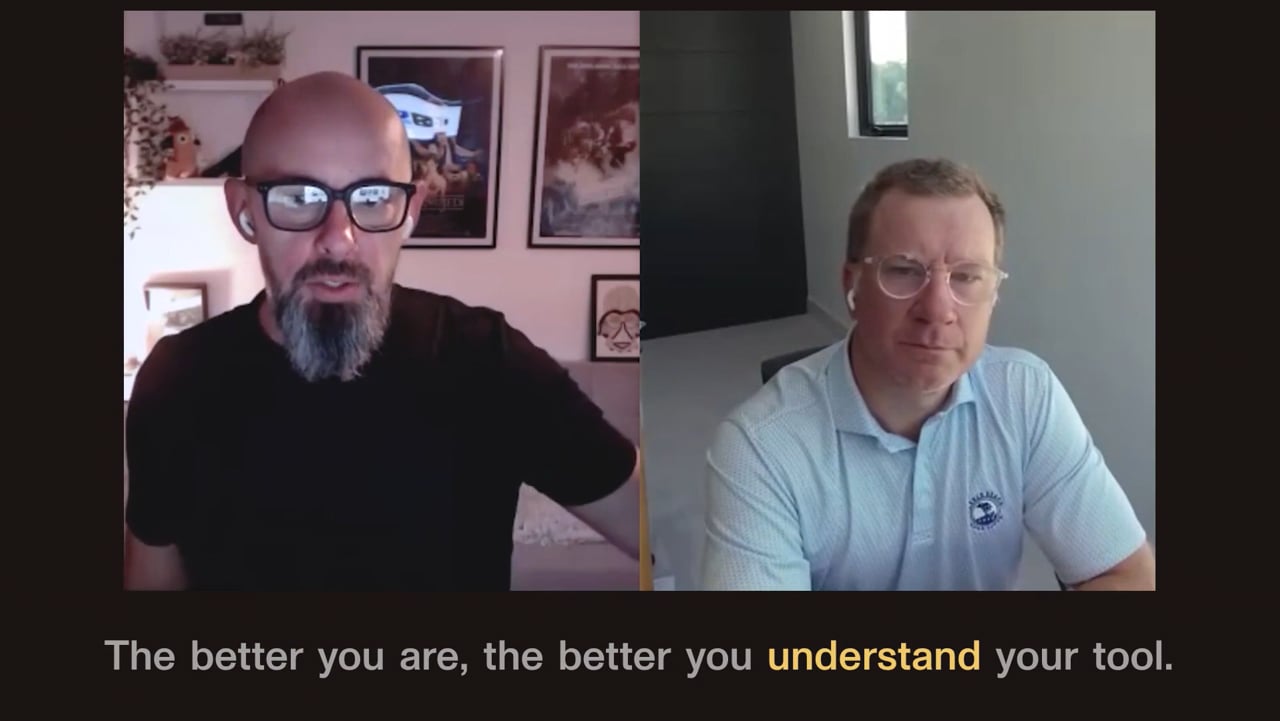
This conversation is nothing short of a treasure trove for anyone with even a passing interest in web development, software engineering, and modern tooling. Cosmin’s journey is a testament to the superpower of adaptability and the sheer force of perseverance. Meanwhile, reflections on ever-evolving technologies offer vital lessons on how to not just keep pace, but stay ahead in this fast-paced industry. From the epic sagas of website migrations, to the strategic leveraging of AI and the delicate art of scaling teams, they skillfully cover essential topics that resonate across virtually every professional development path.
For those of you craving actionable advice, here’s the golden rule to take to heart: Thorough planning, relentless continuous learning, and smartly leveraging cutting-edge technologies are your triumvirate for success in web development. Whether you’re a seasoned pro who’s seen it all, or you’re just lacing up your boots for your very first journey into this world, soak up the lessons from these experiences. Equip yourself to adapt to an ever-changing tech landscape, and you’ll be golden — right after you take in the whole episode(opens in a new tab).
此内容由惯性聚合(RSS阅读器)自动聚合整理,仅供阅读参考。 原文来自 — 版权归原作者所有。