





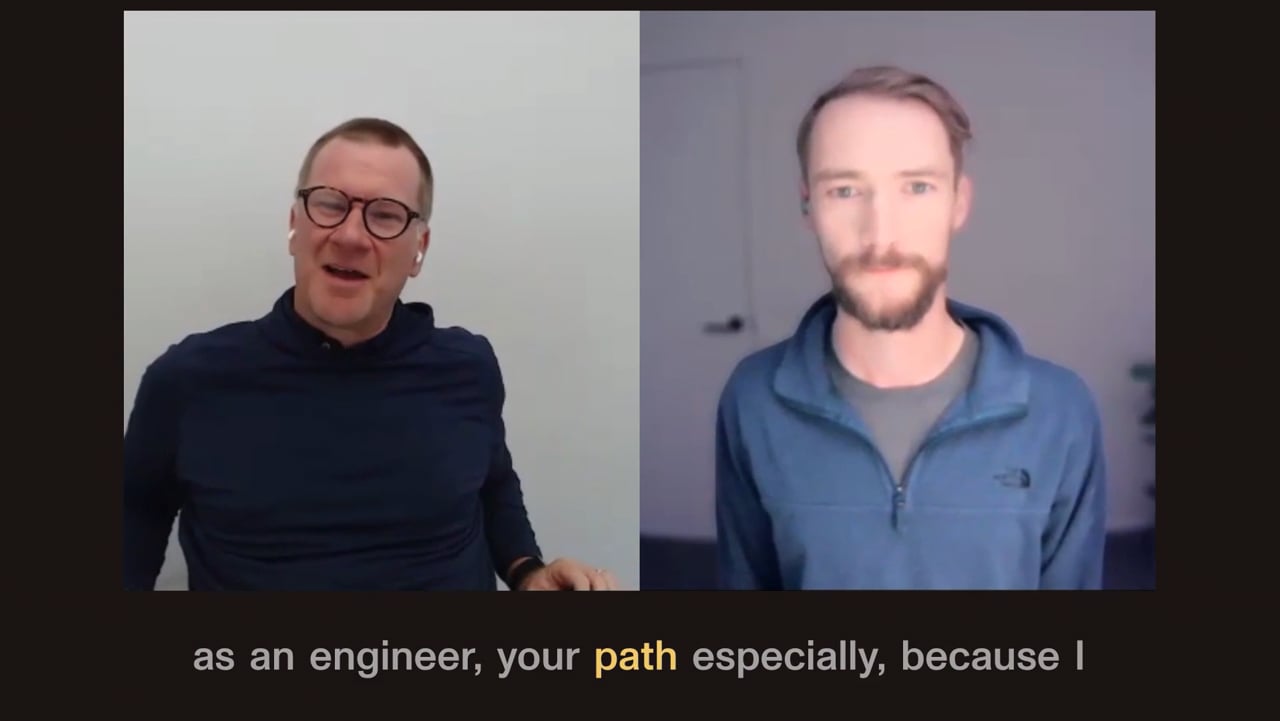
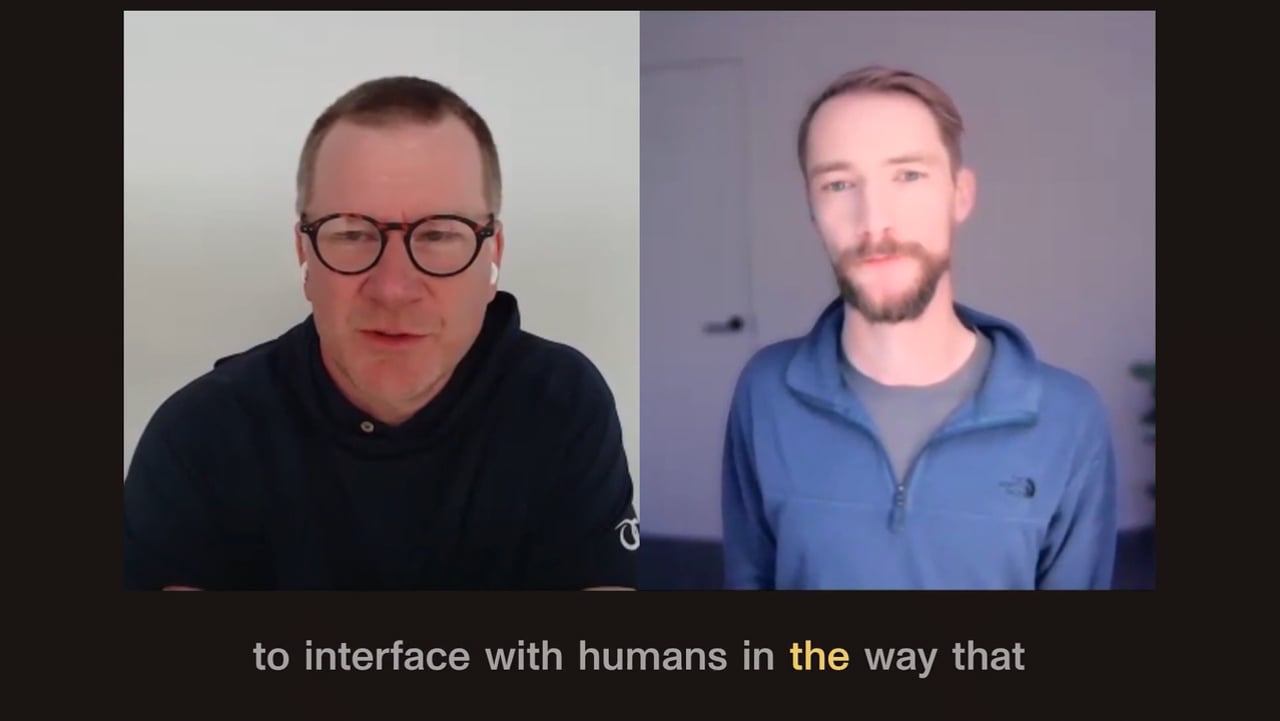
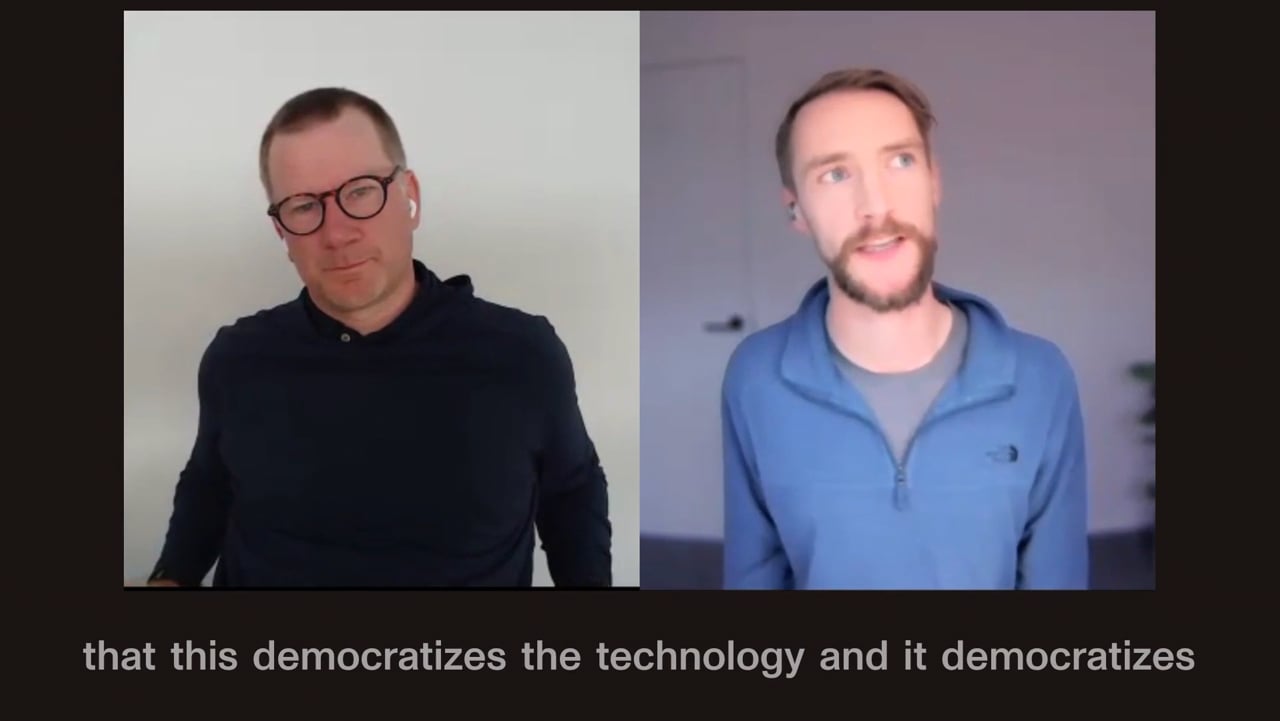
Ever wonder what happens when a CEO and a lead AI engineer walk into a virtual room? No, this isn’t the start of a bad joke, though I’m always here for a good one. Rather, it’s a compelling conversation between Jonathan Rhyne, CEO and co-founder of Nutrient, and Nick Winder, one of the wizards behind the AI team at Nutrient.
In the inaugural episode of our new Nutrient podcast, The Source Branch(opens in a new tab), these two had a meeting of the minds to dissect their wild rides through the ever-evolving worlds of software engineering and artificial intelligence. They dropped anecdotes of epic transformations, dished on engineering challenges that probably made them want to pull their hair out, and mused on a future so AI-driven, we might all just become sentient toasters (or at least own one). Seriously, if you’re looking to not just survive but thrive in this rapidly evolving tech landscape, this dialogue is your bread and butter.
Engineering, AI evolution, and vibe coding
Nick’s journey is proof that there’s no single “right” path to engineering excellence. This guy started in music and electronics before pulling a classic plot twist and jumping into software engineering, eventually landing smack-dab in the wonderfully complex (and sometimes bewildering) realm of artificial intelligence.
One of his career mic drops? His time at Nutrient (the company formerly known as PSPDFKit), where he was wrestling with intricate C++ issues and basically making PDF rendering happen across various platforms. This is the hacker’s mentality in its purest form: breaking down obstacles like they’re LEGOs, testing every wild idea, refining solutions until they gleam, and then iterating to actual value.
Jonathan highlighted Nick’s seemingly boundless appetite for embracing challenges. He recounted one project where Nick, despite initial skepticism from, well, everyone, researched and built an optical character recognition (OCR) tool. Talk about a shining example of engineering tenacity! This kind of mindset perfectly aligns with Nutrient’s philosophy: Deliver value fast, and then iterate and improve based on feedback.
Remember when AI was basically shorthand for “Skynet?” Jonathan sure does. He confessed his initial “meh” reaction to seemingly mundane features like autocomplete. But then, AI tools started revolutionizing workflows, and his tune changed faster than a Netflix show getting canceled.
Nick, not to be outdone, also fessed up to his early doubts, likely fueled by those very same “AI will eat your homework” narratives. But as they both delved deeper, the consensus shifted: AI, when approached with an open mind and that “hack-first” mentality, isn’t here to replace human capabilities. It’s here to enhance them, like a really smart sidekick. Think less Terminator, more J.A.R.V.I.S.
Nick’s golden rule? Start small. Prove your wild concepts with experimental prototypes, and then polish them systematically. This iterative dance, built on collaboration and rigorous testing, is basically how every good software development workflow operates anyway, now just with a healthy dose of AI-driven magic sprinkled on top.
As they dug deeper into the beautiful chaos of AI workflows, Jonathan and Nick started dissecting the good, the bad, and the wonderfully complex aspects about large language models (LLMs) like ChatGPT. These tools offer an unparalleled ability to understand context and reason. This means even your non-techy aunt could probably chat with an AI system and get meaningful results.
However, as Nick sagely pointed out, building evaluations for LLMs is like trying to nail jelly to a wall. Their non-deterministic nature means you need a deep understanding of the problem space to truly gauge their effectiveness.
One of the moments that might make you go all Keanu (“whoa!”) was their deep dive into transitioning from old-school, heuristic-based models to shiny new AI-driven solutions, especially in tasks like redaction. You know those traditional algorithms that would trip over their own feet in high-context scenarios, giving you false positives? LLMs, with their reasoning capabilities, skated up to the puck and won in a shootout, significantly improving accuracy. This is a living testament to Nick’s philosophy of iterative refinement.
Another crucial point they hammered home was the pivot toward test-driven development (TDD) in AI applications. Since LLMs are a bit like that unpredictable friend who might show up to your door at any hour, their non-deterministic outputs demand rigorous frameworks for validation. It’s all about refining products to ensure they’re reliable when they hit the big leagues, because nobody wants a rogue AI running their coffee order.
Both Jonathan and Nick opined on how AI tools are totally reshaping work beyond just software development. Nick spilled the beans on using AI tools like brainstorming assistants to conjure up ideas and documentation faster than you can say “synergy” (hopefully no one says that seriously any more).
From writing tests to refactoring code, AI’s ability to simplify engineering tasks that usually require copious amounts of coffee and head-scratching is undeniable. It’s like having a hyper-efficient intern who also happens to be a coding genius.
AI is also playing a huge role in democratizing technology, which is a fancy way of saying it’s making tech accessible to more people. Nick shared examples where vibe coding — a methodology for quickly building prototypes with multiple agents — is ushering in automation. This means more diverse contributors, from all sorts of engineering backgrounds, can innovate fearlessly. It’s like the tech party that everyone is invited to.
Nick also shared some cautionary tales about the “unconventional” patterns sometimes generated by automated tools. His advice? Don’t throw the baby out with the bathwater. While we’re adapting to new practices, let’s still uphold those traditional coding principles. Because, just like everything else that’s even slightly meaningful, even AI needs a solid foundation.
A theme that resonated throughout the entire conversation was the absolute importance of remaining inquisitive and open-minded when faced with the tsunami of technological change. Jonathan put it plainly: All engineers, from the grizzled veterans to the wide-eyed newbies, need to dive into AI experimentation now. The barrier to entry has never been lower. It’s basically a public service announcement. Nick echoed this sentiment, offering up similar advice: Poke around with different programming languages, tools, and methodologies outside your usual comfort zone.
And here’s another mic drop moment: AI isn’t here to replace humans. It’s here to supercharge our ability to accomplish more. Or, as Nick so eloquently put it, “AI is going to make humans be able to do a lot more than they could do.”
The conversation culminated with a broader look at how AI is shaking up roles and development processes in engineering. Nick shared about using MCP servers and models for document processing, underscoring a critical point: Embrace failure like it’s your long-lost twin. It’s a learning opportunity, folks! This “fail forward” approach perfectly aligns with the broader push toward inclusivity and accessibility in tech.
Nick also voiced concerns about the potential erosion of knowledge and experience as automation becomes more pervasive. It’s a valid point — if AI does everything, do we lose our edge? But, ever the optimist, he pivoted by highlighting how this very shift opens new doors for engineers to fine-tune their communication skills, unleash their creativity, and keep refining their craft amidst this ever-accelerating industry. It’s like the universe is giving us permission to be even more human.
Jonathan and Nick’s conversation is basically a microcosm of the ongoing tech evolution: a fascinating dance between humans and machines. It’s been marked by skepticism, excitement, and a whole lot of “aha!” moments. Whether you’re obsessed with the breakneck speed of AI advancements, intrigued by the transformative power of tools like vibe coding, or just constantly seeking ways to innovate, this episode drops some serious knowledge bombs for navigating the wild west of technology and AI.
If you’re scratching your head, wondering about their engineering insights, curious about AI’s shifting dynamics, or just need some fresh strategies to embrace the future of software development, do yourself a favor and carve out some time for the whole thought-provoking discussion(opens in a new tab).
For even more nuggets of wisdom, swing by our blog and explore the strategies that are driving the success in AI engineering that Jonathan and Nick referenced throughout the entire podcast.
I’ll leave you with this takeaway quote, straight from the source:
Nick Winder
Software Engineer
So for the general engineer, if you’ve not touched any AI product or assistant yet, go and do it. The barrier of entry to do that learning now is so low.
Nutrient
Truer words have never been spoken. Consider this your official invitation to the AI party. Don’t be late!
此内容由惯性聚合(RSS阅读器)自动聚合整理,仅供阅读参考。 原文来自 — 版权归原作者所有。