







Construction software helps contractors, architects, engineers, and other construction professionals plan, design, and build structures more efficiently. There are different types of construction software available, each with its own unique features and benefits. For example, project management construction software helps construction managers track project progress, manage schedules, and allocate resources. Accounting software is also commonly used in the construction industry to process financial transactions, budgets, and payroll.
Additionally, design software such as computer-aided design (CAD) and building information modeling (BIM) is used by architects and engineers to create detailed design plans for construction projects. What all these types of software have in common is that they rely heavily on PDF files.
By using construction software, professionals in the construction industry can save time, streamline processes, and increase accuracy in their work. However, these processes can be challenging due to the nature of PDF files. The inability to properly edit PDF documents, fill out forms, or collaborate with others on the same file can cause delays in work and affect the success of construction projects.
The solution for these potential problems is choosing the right PDF technology that will justify the transition of construction companies from a traditional paper-based workflow to a digital one.
In today’s digital age, the construction industry is no exception to the rapid shift toward digital solutions. The construction industry has traditionally relied on paper-based documentation for various construction processes, including form filling. That has resulted in many challenges, including errors, delays, and inefficiencies. By embracing digital form-filling solutions, the construction industry can overcome these challenges and drive a digital revolution in the industry.
Digital form filling can bring benefits to the construction industry, including increased accuracy, faster processing times, and improved collaboration among team members.
Form filling is an essential part of construction documentation and has a critical role in ensuring compliance with regulations and project requirements. In construction, forms can be used for many purposes, including permits, change orders, inspection reports, and safety reports. Accurate and timely completion of these forms is essential for maintaining compliance with industry regulations, project requirements, and contractual obligations.
Traditional paper-based form filling can be a tedious and time-consuming process. It often involves filling out forms by hand, which leads to errors and illegible handwriting. Additionally, paper forms can be lost, misplaced, or damaged, which can cause delays and lost data. Paper forms also require physical storage, which can take up valuable office space and require additional resources for organization and management.
The use of paper forms also makes it hard to collaborate and share data with team members in real time. That can lead to confusion and delays in project timelines.
Digital form filling offers many benefits to the construction industry. Firstly, it eliminates the need for physical storage of paper forms, freeing up valuable office space and reducing paper waste. Additionally, digital form-filling solutions offer remote access, allowing team members to access and complete PDF forms from anywhere at any time. That process can significantly improve collaboration and streamline project workflows.
Digital form filling also offers increased accuracy by eliminating the potential for illegible handwriting and other errors. With digital forms, data is automatically validated and easily edited or updated if necessary. It can save time and money with a fully digital process from the field to the office.
Another significant benefit of digital form filling is faster processing times. With digital forms, data can be entered and processed in real time, allowing for quicker approvals and faster project progress.
PSPDFKit is a leading PDF form filler SDK for integrating digital form-filling solutions into construction software. It can enable the creation, completion, and management of digital forms such as punch lists, safety checks, and employee and project compliance documents.
Digitized punch list that enables subcontractors to tag floor plans directly and log entries.
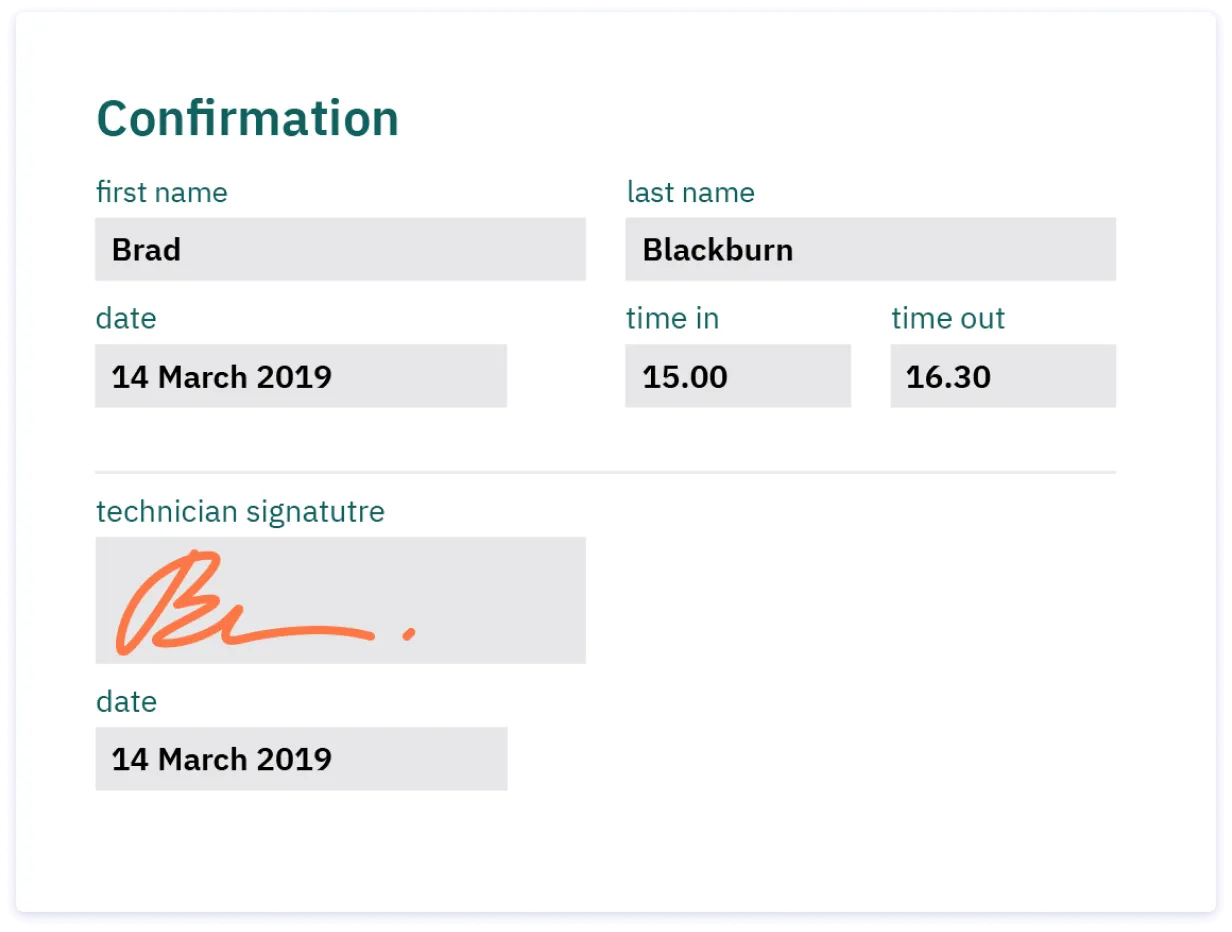
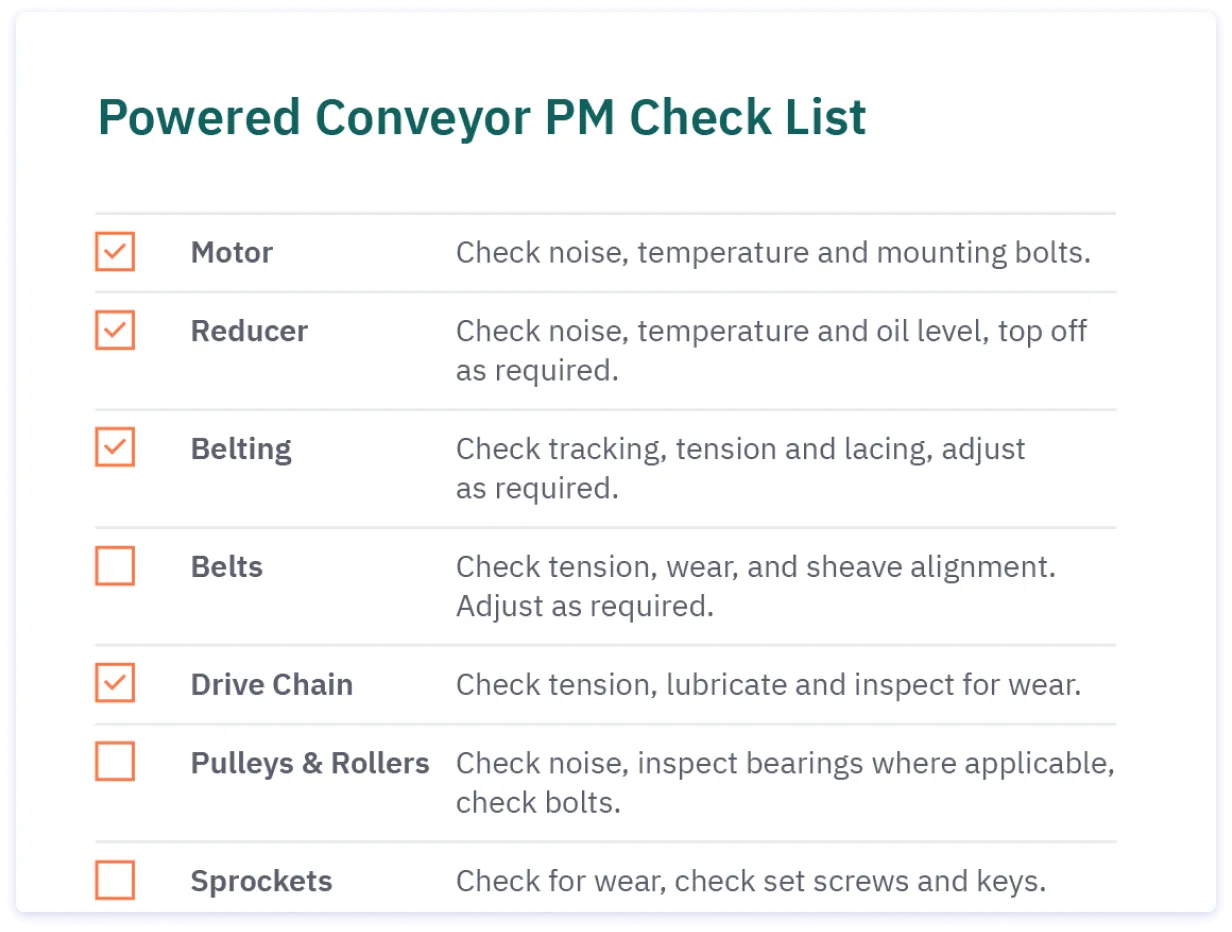
Safety check list with checkboxes and electronic signature acceptance to record employee and project compliance.
These features include advanced form field recognition, which can automatically identify form fields and provide appropriate data validation. PSPDFKit fully supports checkboxes, combo boxes, and list boxes. It also allows for the addition of custom values. All form elements are programmatically accessible and can be prefilled or dynamically loaded from a server via XFDF.
PSPDFKit also features electronic signatures, allowing users to sign off on contracts and forms digitally, eliminating the need for physical signatures.
Additionally, PSPDFKit offers collaboration features that allow team members to work on forms in real time, reducing the risk of errors and delays. PSPDFKit can be integrated into popular cloud storage services, which would make it easy to store and share completed forms.
To see PSPDFKit’s SDK in action, you can demo our form-fill functionality and our PDF measuring tools.
Digital form filling offers a significant opportunity for the construction industry to revolutionize the way in which documentation is handled. By embracing digital solutions, the construction industry can drive a digital revolution that will improve efficiency, reduce costs, and enhance project outcomes. With the right digital form-filling software, such as PSPDFKit’s SDK, construction professionals can take their documentation processes to the next level and achieve greater success in their projects. If you have any questions, or are interested in PSPDFKit, you can reach out to our team.
此内容由惯性聚合(RSS阅读器)自动聚合整理,仅供阅读参考。 原文来自 — 版权归原作者所有。